
INDEPENDENT LONDON TRAVEL GUIDES

Dreaming London

PLAN • EXPLORE • EXPERIENCE LONDON

Author: Sophie

  • London Attraction Passes: Is the London Pass or Explorer Pass Worth It?

    London Attraction Passes: Is the London Pass or Explorer Pass Worth It?

    An attraction pass can save money in London, but only when it matches an itinerary you would have chosen anyway. Buying a pass first and then rushing between included attractions is the wrong order. Build your sightseeing plan, price the individual tickets, then compare the pass. This guide focuses on the current Go City London products because their structure is clear: an Explorer Pass based on a number of attractions and an All-Inclusive Pass based on consecutive sightseeing days.

    When checked in September 2026, Go City advertised the Explorer Pass from £64 and the All-Inclusive Pass from £99. The Explorer lets you choose 2–7 attractions and gives 30 days after first use to consume the choices; the All-Inclusive comes in 1–10 day durations and allows visits to included attractions during those consecutive days. Prices and attraction lists change, so verify the official Go City London page before purchase.

    Explorer PassChoose 2–7 attractions; flexible over 30 days after activation
    All-Inclusive PassChoose 1–10 consecutive days; visit included attractions during validity
    Best starting pointYour itinerary, not the pass price
    Watch forAdvance reservations and changing attraction lists
    Best value testCompare pass price with the exact individual tickets you would buy

    Explorer Pass: better for a short list of expensive sights

    Explorer is the easier product to understand if you already know your priorities. You choose how many attractions you want rather than how many sightseeing days you want. That can work well for a traveller who wants, for example, the Tower of London, St Paul’s Cathedral and Tower Bridge but also plans free museums, neighbourhoods and parks between them. You are not pressured to make every hour of a specific day “earn” the pass.

    The current product allows two through seven choices and, after activation at the first attraction, 30 days to use the rest. That flexibility is valuable for longer stays or uncertain weather. But it is still essential to check whether your exact attraction requires a reservation and whether its individual ticket price makes it a sensible use of a pass choice.

    All-Inclusive Pass: useful only with dense sightseeing

    The All-Inclusive model can work for travellers who naturally want several included paid attractions on consecutive days. Go City currently offers 1, 2, 3, 4, 5, 6, 7 and 10-day durations. Because the clock runs on consecutive days after activation, your route matters. A day spent mainly in free museums or Richmond can reduce the financial logic of the pass.

    A realistic high-value day might cluster the Tower of London, Tower Bridge and another included nearby experience. A bad-value day would activate the pass, visit one attraction, then spend the rest of the day in parks and free galleries. Both days can be wonderful; only one uses the product efficiently.

    Do the calculation with your real itinerary

    Write down every paid attraction you are certain you want. Check its current direct price and reservation requirements. Add the individual prices, then compare that total with the pass price for the number of choices or days you would actually use. Do not count attractions you would visit only because they become “free” after purchasing the pass; that is how a theoretical saving turns into a more expensive trip.
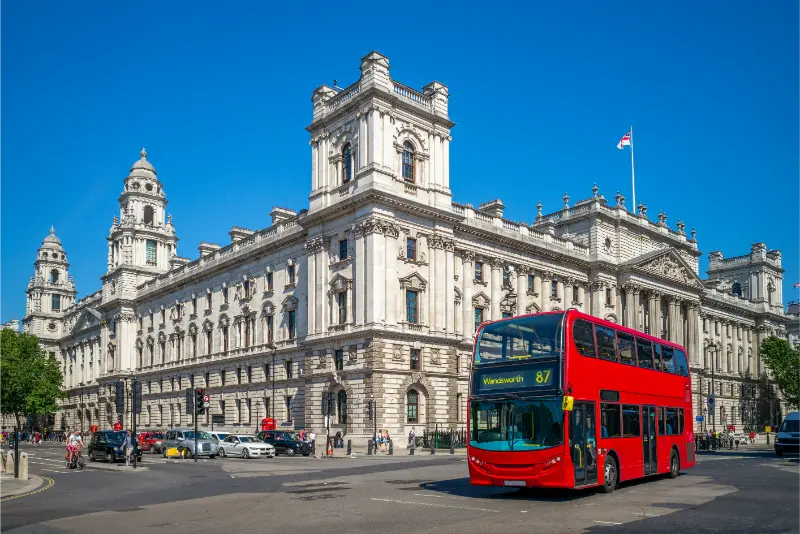
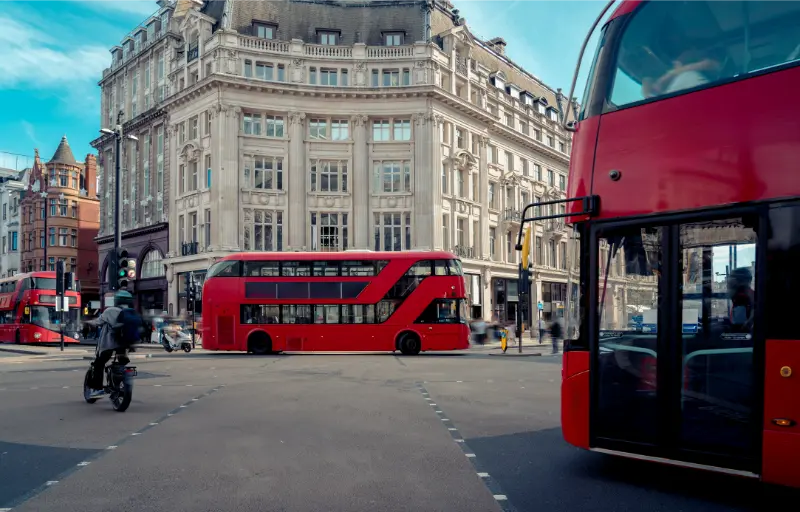
    Red Double Decker Bus London Street

    Use our four-day, five-day and seven-day itineraries as route frameworks. If included paid sights already cluster naturally inside them, a pass deserves consideration. If most of your plan is the British Museum, National Gallery, Tate Modern, parks, markets and neighbourhood walks, direct tickets may be simpler.

    Reservations are the detail people overlook

    A pass does not necessarily mean you can appear at every attraction whenever you like. Some experiences require advance booking, and popular time slots may disappear. Go City’s attraction pages flag booking requirements, but you should recheck shortly before the trip because operating rules change. A pass is a payment/access product, not a guarantee that every time slot is available.

    When I would skip a pass

    • Your itinerary is dominated by free museums and neighbourhoods.
    • You want only one or two paid attractions.
    • You dislike moving quickly between ticketed sights.
    • You are travelling with people whose interests may change day by day.
    • Your chosen attractions are not included or require inconvenient reservation times.
    • You have a theatre-heavy or food-focused trip where attraction tickets are a small part of spending.

    When a pass is most promising

    • You have a clear list of several included attractions.
    • The individual ticket total is comfortably above the pass price, not just a few pounds higher.
    • The attractions sit in geographic clusters that make sense.
    • You are comfortable with pre-booking where required.
    • You would visit those attractions even without the pass.

    Pass versus GetYourGuide: they solve different problems

    An attraction pass bundles access. GetYourGuide is a marketplace for individual tickets, guided tours and experiences. If you want a guided Westminster walk, a Harry Potter experience or a specific day trip, buying that experience separately may make more sense than choosing a pass for unrelated inclusions. Compare the exact experience, cancellation terms and meeting point before booking.

    Affiliate link. Dreaming London may earn a commission from qualifying bookings at no extra cost to you.

    The Tower–St Paul’s–Bridge test

    A useful pass test is to build one realistic paid-sight day. Start with the Tower of London, add Tower Bridge, then decide whether St Paul’s Cathedral fits without rushing. Price those exact tickets for your date. If a pass beats the total comfortably and the reservation windows work, you have evidence rather than marketing.

    Do not confuse value with volume

    Seeing six attractions in a day is not automatically better value than seeing three properly. London’s best experiences often include long interiors, security checks, walking and queues. The pass should reduce the cost of your preferred trip, not redesign your trip into a race. This is why the London budget guide treats passes as one line in the budget rather than the starting point.
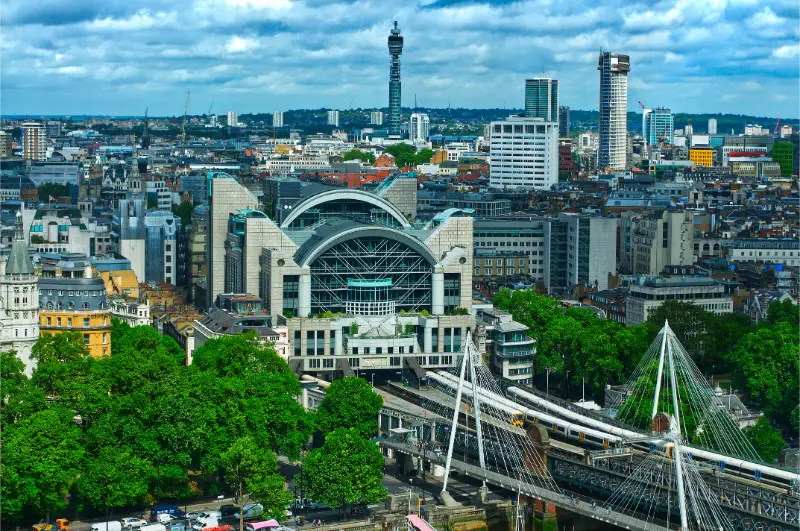
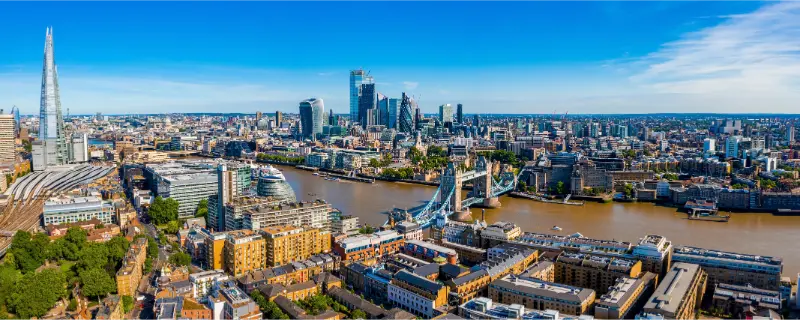
    London Buildings Aerial View

    Frequently asked questions

    Is the London Pass worth it?

    It can be when several included attractions already fit your itinerary and their individual prices exceed the pass cost by a meaningful margin. It is not automatically worthwhile for every first-time visitor.

    What is the difference between Explorer and All-Inclusive?

    Explorer is based on a selected number of attractions, currently 2–7, while All-Inclusive is based on a selected number of consecutive days, currently 1–10. Always check the current official terms before buying.

    Does a pass include transport?

    Do not assume an attraction pass replaces normal TfL payment. Plan public transport separately using our London transport guide.

    Free museums change the pass calculation

    London is unusual because many world-class museums do not charge general admission. The British Museum, National Gallery, Tate Modern and major South Kensington museums can fill entire days without consuming pass value. A traveller with strong art and museum interests may therefore need fewer paid attractions than expected.

    Children and family pricing

    Do not assume the adult calculation automatically works for a family. Child age bands, direct family tickets and pass pricing can differ. Price the same itinerary for every traveller before purchasing, and check whether the attraction itself offers a family arrangement that changes the comparison.

    Calculate the pass from your real itinerary, not from the advertised maximum

    The correct way to judge a London sightseeing pass is to write down the attractions you would genuinely visit without the pass, check their current individual prices, then compare that total with the pass price for the number of days you actually need. Do not count attractions you would only add because they appear to make the pass look more valuable.
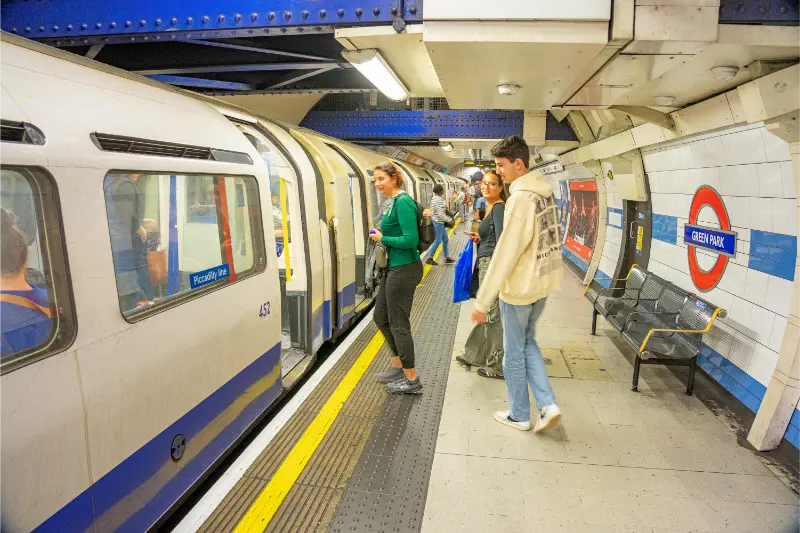
    London Underground Station

    This matters especially in London because so many major museums and outdoor sights are free. A traveller who wants Westminster Abbey, Tower of London and one viewpoint has a very different calculation from someone planning several ticketed attractions every day.

    Geography can decide whether the pass saves money

    A pass can encourage over-scheduling. If three included attractions are scattered across London, the theoretical saving may disappear into transport time and fatigue. Group paid attractions geographically: Tower of London + Tower Bridge + City, or Westminster Abbey + Churchill War Rooms + central sights. The more coherent the route, the more realistic the pass value becomes.

    Use our 3-day itinerary or longer itineraries to see what a normal London day can actually hold.

    Check reservation rules before buying

    Inclusion in a pass does not always mean you can arrive whenever you want. Some attractions require a separate timed reservation, may have limited pass-holder availability or exclude certain special experiences. Check the pass provider and attraction website for your travel dates before you commit.

    The strongest pass purchase is one where the attractions, dates and geography already make sense. The weakest is buying first and then redesigning the holiday to “get your money’s worth.”

    Bottom line

    Decide what you want to see, calculate the individual cost, check reservations, then choose the pass only if it improves that exact plan. That order protects both your money and your time.

  • London in 7 Days: A One-Week Itinerary That Mixes Icons, Neighbourhoods and a Day Trip

    London in 7 Days: A One-Week Itinerary That Mixes Icons, Neighbourhoods and a Day Trip

    A full week in London should not feel like seven copies of the same sightseeing day. The advantage of seven days is contrast: royal London, the medieval City, major museums, Greenwich, neighbourhoods, parks and one carefully chosen excursion can all fit without using every evening as overflow. The itinerary below is designed around that contrast rather than around the maximum number of famous names.

    This plan assumes seven usable days in or around London. If your first or last day is mostly travel, keep the structure but drop the day trip. The first-time guide covers airports and practical preparation; the London budget guide helps estimate transport, accommodation and ticket spending before you start booking.

    ROUTE MAP

    London in 7 Days – route map

    Use the map as a planning overview. The numbered markers follow the order suggested in this guide; exact walking and transport choices can change with closures, weather and your bookings.

    1. Westminster
    2. Tower of London
    3. South Kensington Museums
    4. Greenwich
    5. Little Venice
    6. Camden Market
    7. British Museum
    8. Hampstead Heath
    DayFocus
    1Westminster + West End
    2Tower + Bankside + City edge
    3South Kensington + Kensington Gardens
    4Greenwich
    5Canal + Camden + Regent’s Park
    6Choose a neighbourhood or specialist London day
    7Day trip or final London priorities

    Day 1: royal London and a West End evening

    Begin with Westminster because it gives a first-time visitor the densest concentration of nationally important landmarks. See Parliament Square and Big Ben, then choose one interior: Westminster Abbey, Churchill War Rooms or, when seasonal access aligns with your dates, Buckingham Palace State Rooms. Trying to visit all three creates a security-line marathon and leaves little time to understand any of them.

    Walk through St James’s Park and the royal quarter toward Trafalgar Square. In the afternoon, either make a selective National Gallery visit or continue directly to Covent Garden. Spend the evening around Soho, Chinatown or a West End show. By ending near where the afternoon naturally finishes, you avoid wasting the first evening on transport.

    Day 2: Tower of London, Tower Bridge and Bankside

    Give the Tower of London the first slot of the morning if it is on your list. Afterward, Tower Bridge and the south bank create a route with almost no transport. Cross the bridge, pass through the Borough Market area and continue toward Shakespeare’s Globe and Tate Modern. This route also makes it easy to stop early if museum fatigue or jet lag appears.

    If you want St Paul’s Cathedral, cross the Millennium Bridge from Bankside rather than making a separate trip. If the day is already full, leave St Paul’s for Day 6 when you can combine it with the City of London. A week gives you permission to postpone instead of squeezing.

    Day 3: one museum, one park, one optional palace

    South Kensington contains too much to treat as a single attraction. Choose the Natural History Museum, Science Museum or V&A as the main morning visit. Then move outdoors through Kensington Gardens and Hyde Park. Kensington Palace can become an optional afternoon ticket, but do not treat it as mandatory simply because you are nearby.

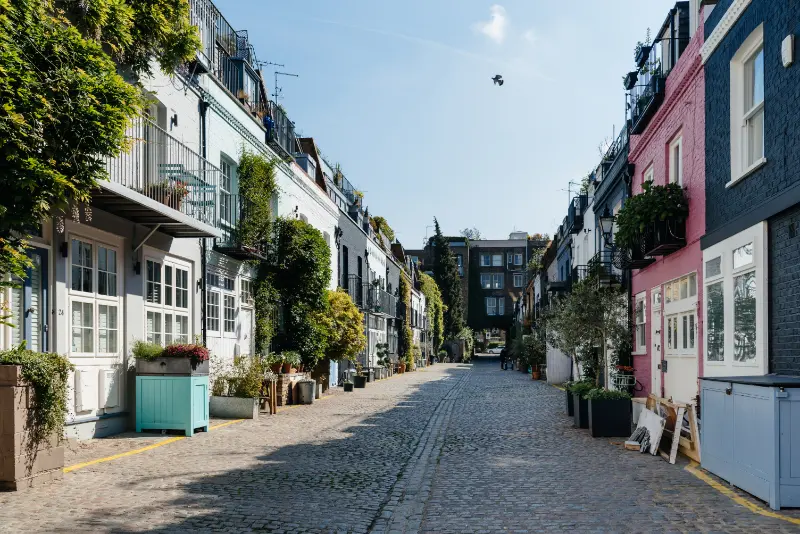
    St Luke's Mews Notting Hill London

    This day is also where you can place Knightsbridge shopping if Harrods or major department stores matter to you. If shopping is not a priority, give the extra time to the park or a slower dinner in Kensington or Chelsea. A seven-day itinerary improves when not every free hour is filled.

    Day 4: Greenwich as a complete district

    Travel to Greenwich by river if conditions and schedule make sense. The journey itself shows how London changes along the Thames and creates a stronger arrival than treating Greenwich as an Underground-style commute. Once there, combine the maritime museums, Cutty Sark, market, park and Observatory area according to your interests.

    Check current access before making the Royal Observatory your fixed anchor. The First Light redevelopment affects visiting arrangements from November 2026 onward, so use our Royal Observatory guide and the official site for your exact date. Even without an Observatory ticket, the park, skyline and maritime museums justify the journey.

    Day 5: Little Venice, Camden and Regent’s Park

    After four landmark-heavy days, start somewhere that does not require a security queue. The Regent’s Canal route from Little Venice toward Camden introduces residential waterways, boats and a different scale of London. Have lunch around Camden, then continue through Regent’s Park or toward Primrose Hill if the weather is clear.

    This is deliberately a lower-pressure day. If you booked a major evening show or restaurant, Day 5 is an excellent place to put it because the daytime schedule can be shortened without sacrificing an essential attraction. If crowds are exhausting, replace Camden with Hampstead and Hampstead Heath for a quieter version of north London.

    Day 6: choose the London that matches your interests

    The sixth day is where a week becomes personal rather than generic. Architecture and history fans can explore the City of London, St Paul’s, Leadenhall Market and Sky Garden. Food-focused travellers can build the day around markets, Chinatown and a neighbourhood restaurant. Football fans may prefer a stadium tour or match-day plan using our football in London guide. Families might choose SEA LIFE, Madame Tussauds or London Zoo depending on ages and interests.

    Another strong option is Richmond or Kew. After several central days, the river, Richmond Park or Kew Gardens can feel like a holiday inside the holiday. Choose this if green space matters more than another gallery. The point is to use Day 6 for something you would regret missing, not for the next item on a universal ranking.

    Camden Lock Market Aerial View London

    Day 7: take one day trip—or stay in London

    A seven-day visit is long enough for a day trip, but it still does not require one. Windsor works well for royal history; Oxford and Cambridge suit university architecture and walking; Brighton changes the mood with the coast; Bath is a longer but rewarding independent rail trip. Use the day trips from London guide to compare travel time before choosing.

    If London still contains unfinished priorities, stay in the city. The British Museum, Tate Britain, Hampstead, Brixton, Canary Wharf, Richmond and neighbourhood shopping can easily fill another day. Do not take a train out of London simply because an itinerary says Day 7 should be an excursion.

    Which day trip makes sense for which traveller?

    Windsor is the easiest fit for royal history and a compact historic centre. Oxford and Cambridge are strongest for colleges, architecture and academic history. Brighton gives you the sea and independent culture. Bath gives you Roman and Georgian history but requires a longer rail journey.

    How to distribute paid attractions across a week

    A common mistake is buying almost everything before arrival. Instead, protect the bookings that truly need fixed times, then leave free museums, parks and neighbourhoods movable. One expensive attraction each day is already a substantial budget. Some of London’s best days—Greenwich park and museums, Regent’s Canal, Hampstead, the Thames paths—can be built with little or no admission spending.

    If you are considering a sightseeing pass, calculate it after choosing the seven-day route. The London attraction pass guide explains the current Explorer and All-Inclusive structures. A pass is useful when it discounts attractions you already wanted, not when it persuades you to add attractions to justify the pass.

    Affiliate link. Dreaming London may earn a commission from qualifying bookings at no extra cost to you.

    Where to stay for a week

    For seven nights, room comfort and neighbourhood quality matter more than on a weekend. You will probably eat several meals near the hotel, return at different times and use multiple transport lines. Bloomsbury, Marylebone, Paddington, South Bank, Kensington and parts of the City can all be sensible depending on airport and evening priorities. Read recent hotel reviews for noise, room size and lift access rather than judging only by map distance.

    Queen's House Greenwich and Canary Wharf Aerial View

    Build a recovery margin into the middle of the week

    Do not wait until everyone is exhausted to slow down. Day 5 is intentionally flexible, and Day 6 can become a park or neighbourhood day if needed. This matters even more with children, older travellers or anyone who is not used to walking ten or more kilometres in a city. The accessible London guide and family guide provide alternatives that reduce stairs, long station interchanges and unnecessary walking.

    Weather strategy for seven days

    A week almost guarantees varied weather. That is an advantage if you keep the modules movable. Put South Kensington, the British Museum or galleries into the wettest day; protect Greenwich, Hampstead, Richmond and long river walks for better conditions. Check booked attractions first, then reorder the flexible days around them.

    One-week mistakes that add cost without adding much value

    • Booking a different paid viewpoint every second day.
    • Using a day trip to escape fatigue instead of simply scheduling a quiet London day.
    • Choosing a distant hotel because the weekly room price is lower without pricing the commute.
    • Visiting multiple giant museums back-to-back.
    • Eating every meal in the busiest tourist districts.
    • Leaving no unscheduled half-day for weather, shopping or a place you discover after arrival.

    Frequently asked questions

    Is seven days too much for London?

    No. A week allows you to include neighbourhoods and slower days that a short first visit misses. You can still leave with a long list for another trip.

    Should I spend all seven days in London?

    You can. A day trip is optional. If you have already visited London or one nearby destination is a major priority, use Day 7 for the excursion; otherwise keep exploring the capital.

    How many attractions should I pre-book?

    Book the experiences with limited capacity, seasonal access or fixed performance times. Avoid turning every day into a chain of reservations.

    Bottom line

    A week in London is most rewarding when the days do not all look alike. Start with the famous core, build in museums and Greenwich, slow down in north London, personalise one day and decide whether a day trip truly adds something. The best seven-day itinerary uses the extra time to create contrast, not simply to create a longer checklist.

  • London in 5 Days: A Complete First-Time Itinerary with Time to Enjoy the City

    London in 5 Days: A Complete First-Time Itinerary with Time to Enjoy the City

    Five days in London changes the planning problem. You no longer need to decide between every major district, but you do need to protect the trip from becoming five consecutive “big sightseeing” days. My preferred structure uses four strong central themes, then a deliberately looser north-London day around canals, Camden and Regent’s Park. That fifth day is not filler; it is what stops the holiday from feeling like work.

    If you have not yet chosen accommodation, start with our where to stay in London guide. A five-night trip gives you more reason to care about evening neighbourhoods, laundry, breakfast options and transport reliability than a one-night stopover. For general arrival and practical advice, use the first-time London guide.

    ROUTE MAP

    London in 5 Days – route map

    Use the map as a planning overview. The numbered markers follow the order suggested in this guide; exact walking and transport choices can change with closures, weather and your bookings.

    1. Westminster
    2. Tower of London
    3. South Kensington Museums
    4. Greenwich
    5. Little Venice
    6. Camden Market
    7. Regent’s Park
    DayAreaPace
    1Westminster + West EndIconic, structured
    2Tower + BanksideHistoric + riverside
    3South Kensington + parksMuseum + recovery
    4GreenwichDestination day
    5Little Venice + Camden + Regent’s ParkLoose, local

    Day 1: Westminster, St James’s and the West End

    Use the first morning for the sights that most visitors have been imagining before they arrive: Parliament, Big Ben, Westminster Abbey and the royal parks. Choose either the Abbey or Churchill War Rooms as your main interior. If Buckingham Palace State Rooms are open on your dates and that visit matters more, make the palace your timed anchor instead. The Westminster guide helps connect these sights without unnecessary Tube rides.

    Walk through St James’s Park toward Buckingham Palace, then continue toward Trafalgar Square. The National Gallery can be a short selective visit or a major stop, depending on your interests. With five days, you have the luxury of saying “not today” to a museum even when it is free. Save your attention for the places you genuinely want to understand.

    Spend the late afternoon and evening around Covent Garden, Soho and the West End. This is an ideal night for theatre because you will already be nearby. If you prefer food and atmosphere, Chinatown and Soho offer enough variety that there is no reason to cross London for dinner.

    Day 2: Tower of London and the working Thames

    Start east, ideally near opening time at the Tower of London if you are going inside. The fortress can absorb several hours, so pair it with Tower Bridge rather than another major museum. Afterward, cross the river and let Bankside pull you west through Borough Market, Southwark Cathedral and Shakespeare’s Globe.

    By late afternoon, choose between Tate Modern and continuing outdoors. The Millennium Bridge gives an excellent visual connection to St Paul’s Cathedral, while the river path keeps you on the south side toward the South Bank. Your choice should depend on weather and energy rather than a rigid promise to complete the route.

    London Landmarks Travel Collage

    Day 3: South Kensington without museum overload

    Pick one of the three major South Kensington museums as the day’s intellectual centre. The Natural History Museum suits natural science and families, the Science Museum works well for interactive interests, and the V&A is the strongest choice for design, fashion and decorative arts. Trying to see all three seriously in one day produces a lot of corridors and very little memory.

    Use the afternoon for Kensington Gardens and Hyde Park. Kensington Palace can become the second paid anchor if royal history remains a priority, but it is equally valid to have no second ticket at all. A long park walk after two heavy sightseeing days gives your attention a reset.

    Day 4: Greenwich by river

    Greenwich is far enough from the West End to feel like a destination and close enough to remain easy. Travelling at least one way by boat adds meaning to the day because the Thames shifts from monumental central London toward the maritime east. Read our London by boat guide before assuming every river ticket is the same product.

    Choose your Greenwich anchors deliberately. Cutty Sark and the Royal Observatory are paid attractions; the National Maritime Museum, Queen’s House, park and market can form a strong day even without buying every ticket. The Observatory is especially date-sensitive because the First Light redevelopment changes access from November 2026 onward, so check the Royal Observatory guide and official visitor information for your date.

    Day 5: Little Venice to Camden, then Regent’s Park

    The final day deliberately changes scale. Start around Little Venice and follow the Regent’s Canal toward Camden. The walk replaces ticket queues with water, towpath architecture and changing neighbourhoods. Our Little Venice to Camden walk explains the route and where you can shorten it if the weather turns.

    Use Camden for lunch, music history and market browsing, then continue toward Regent’s Park. If the weather is clear and your legs still cooperate, Primrose Hill gives you a free skyline view that feels very different from the enclosed paid viewpoints. If energy is low, skip the hill and take the park slowly. The whole point of Day 5 is to stop measuring value by the number of ticket scans.

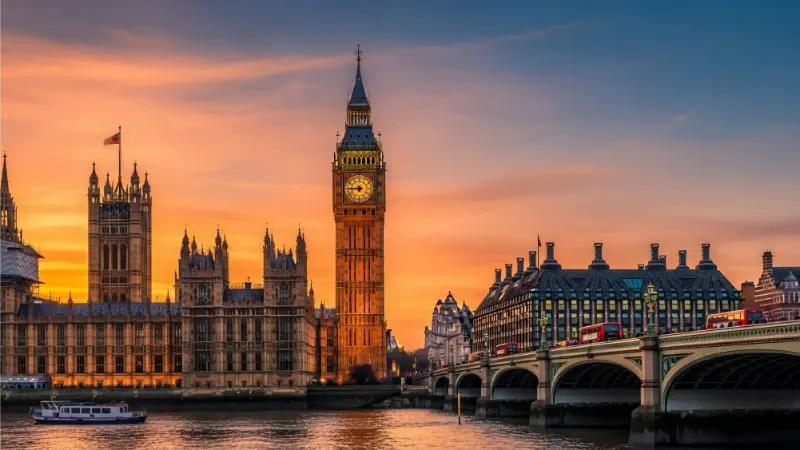
    Houses of Parliament and Big Ben at Night London

    Optional swap: Hampstead instead of Camden

    If crowded markets do not appeal, use the fifth day for Hampstead and Hampstead Heath. Village streets, old pubs, woodland and hilltop views create an even stronger contrast with central London. This is a particularly good option for repeat visitors or travellers who care more about neighbourhood atmosphere than another famous attraction.

    Where does the British Museum fit?

    Five days gives you more flexibility for Bloomsbury, but the British Museum still deserves a planned slot. Put it on Day 1 before the West End if ancient history is a priority, or use a poor-weather morning as a swap. The British Museum guide is designed around selective visiting, which is much more rewarding than trying to walk every gallery.

    Should you add Windsor or another day trip?

    You can, but a first five-day London visit does not need one. If Windsor Castle, Oxford or another destination is a dream stop, replace Day 5 rather than forcing the excursion on top of the London schedule. The best day trips from London compares travel effort and what each destination adds.

    Booking rhythm for five days

    Spread paid bookings across the trip instead of front-loading them. A useful pattern is a major ticket on Day 1, Tower on Day 2, optional museum exhibition or palace on Day 3, one Greenwich ticket on Day 4 and no fixed booking on Day 5. That creates natural buffers if weather or transport changes.

    Guided tours can add value when they replace independent research rather than when they simply fill an empty hour. Food tours, specialist history walks and neighbourhood tours make more sense on a five-day trip than a generic coach tour repeating landmarks you already see independently.

    Affiliate link. Dreaming London may earn a commission from qualifying bookings at no extra cost to you.

    Accommodation: think about evenings as well as mornings

    On a five-day stay, the best hotel is not necessarily the closest to Big Ben. You will return late from the West End, travel east for the Tower and Greenwich, and spend a day in west London. A well-connected base near several lines can outperform a more “iconic” address with awkward transfers. Bloomsbury, Covent Garden, South Bank, Paddington, Marylebone and parts of the City all work for different trip styles.

    Tower Bridge and River Thames Panorama London

    How to use weather instead of fighting it

    Do not assign museum days months in advance as if the forecast were fixed. Keep Day 3 and the museum components of Days 1–2 movable. Greenwich and the canal walk are much stronger in decent weather, while the major museums, War Rooms and galleries give you robust indoor alternatives. The itinerary is a set of modules, not a contract.

    Five-day mistakes that make a long trip feel short

    • Planning every day at the same intensity.
    • Using “free entry” as a reason to enter every museum you pass.
    • Returning to central London for every meal instead of eating inside the day’s neighbourhood.
    • Booking several viewpoints before seeing the weather.
    • Adding a day trip because five days sounds “long”, even when London priorities remain unfinished.

    Frequently asked questions

    Is five days too long for London?

    No. Five days is still selective. It simply gives you enough space for Greenwich, a substantial museum and a quieter neighbourhood day without sacrificing the central landmarks.

    Should I buy an attraction pass?

    Only if the paid attractions already fit your route. Use the attraction pass guide to compare current inclusions with the exact tickets you would otherwise buy.

    Which day should be the lightest?

    Day 5. Keeping the canal/Camden/park day flexible gives you a recovery buffer and somewhere to move a missed attraction if the earlier schedule changes.

    One final practical point: use the fifth day as your schedule reserve. If an earlier attraction closes unexpectedly or weather ruins a planned river section, move that missed priority here and shorten the canal route. A five-day plan is valuable because it can absorb one change without forcing every later booking to move.

    Bottom line

    Five days is enough to see London’s famous core and begin to understand how its neighbourhoods differ. Protect the first four themes, keep the fifth day loose and resist the idea that a longer trip must contain more tickets. The extra value comes from better pacing.

  • London in 4 Days: A Balanced First-Time Itinerary with Icons, Museums and Greenwich

    London in 4 Days: A Balanced First-Time Itinerary with Icons, Museums and Greenwich

    Four days is one of the best lengths for a first London trip because it gives you room to separate the city into distinct experiences. You can see the royal core, the Tower and Thames, spend meaningful time in South Kensington and still give Greenwich most of a day. The important word is “separate”: if every day contains Westminster, a museum, a market and a viewpoint, the trip becomes a sequence of transfers rather than a coherent visit.

    This itinerary assumes four full sightseeing days. If arrival or departure consumes half a day, use our two-day London itinerary as the compact core and treat the extra time as a bonus. For broader practical planning, the first-time London guide covers airports, money, neighbourhood choice and other decisions that should be settled before the daily schedule.

    ROUTE MAP

    London in 4 Days – route map

    Use the map as a planning overview. The numbered markers follow the order suggested in this guide; exact walking and transport choices can change with closures, weather and your bookings.

    1. Westminster
    2. Covent Garden
    3. Tower of London
    4. Borough Market
    5. Natural History Museum
    6. Hyde Park
    7. Greenwich
    DayThemeMain anchor
    1Westminster + West EndAbbey or Churchill War Rooms
    2Tower + BanksideTower of London
    3South Kensington + parksOne major museum
    4Greenwich + ThamesMaritime Greenwich

    Day 1: use Westminster as a walking district, not a checklist

    Begin in the Westminster cluster and commit to one major interior. Westminster Abbey is the obvious first choice for royal and national history; Churchill War Rooms is stronger if twentieth-century history matters more. Both deserve time and security checks, so doing both before lunch often creates the wrong pace. Big Ben, Parliament Square, Whitehall and St James’s Park can then be experienced outdoors without another booking.

    Walk through St James’s Park toward Buckingham Palace. If your dates fall during the seasonal State Rooms opening and the palace interior is a priority, make it the day’s fixed ticket and move the Abbey to another morning. Otherwise, the exterior, Victoria Memorial, Green Park and The Mall form a satisfying royal route on their own. The Buckingham Palace guide explains the seasonal access so you do not build the day around rooms that are closed on your date.

    Day 1 afternoon: art, Covent Garden and the West End

    Trafalgar Square gives you a natural decision point. If you want art, make a targeted visit to the National Gallery or nearby National Portrait Gallery. If you have already spent the morning indoors, continue to Covent Garden and let the streets provide the contrast. Four days means you do not have to convert every free museum into an obligation.

    Finish around Covent Garden, Seven Dials, Chinatown or Soho. These neighbourhoods are at their best when you have enough time to wander rather than when they are treated as a thirty-minute stop between tickets. A West End show works well on this night because the daytime route already finishes nearby.

    Day 2: medieval London, Tower Bridge and the river

    Make the Tower of London the morning anchor. Arriving early gives you a better chance to see the Crown Jewels and historic spaces before the busiest middle of the day. Then decide whether you want to enter the Tower Bridge exhibition or simply enjoy the bridge from the riverbanks. Both choices are valid; the mistake is booking it automatically because it is next door.

    Canary Wharf from Greenwich Park London

    After the bridge, move west on foot through Bankside. Borough Market makes sense as a food stop, but its busiest lunch period can be uncomfortable, so be willing to eat earlier, later or nearby. Continue past Southwark Cathedral toward Shakespeare’s Globe and Tate Modern. The South Bank guide can extend the river walk toward the London Eye if you still have energy.

    Day 2 alternative: cross into the City instead

    If historic churches and old streets interest you more than modern art, leave the south bank after Tower Bridge and explore the City. St Dunstan in the East, Leadenhall Market, the Monument area and St Paul’s Cathedral give the afternoon a completely different character. This is why four days is comfortable: you can choose one branch instead of trying to walk both sides of the Thames in full.

    Day 3: choose one South Kensington museum properly

    The Natural History Museum, Science Museum and V&A sit close together, but that proximity is deceptive. Each is large enough to dominate a day. Choose the museum that best matches your interests and give it the best part of the morning. Families may prefer the Natural History Museum or Science Museum; design, fashion and decorative arts point toward the V&A.

    After several indoor hours, walk north into Kensington Gardens rather than entering a second museum just because it is free. The park gives you space, Serpentine views and an easy route toward Kensington Palace or Hyde Park. If shopping matters, Knightsbridge can be added without crossing the city; if it does not, stay in the park and enjoy the slower afternoon.

    Day 3 evening: use your energy, not the itinerary

    By the third evening, cumulative fatigue is real. This is a good night for a neighbourhood dinner, a pub or an early return rather than another “must-see”. If you still feel energetic, Chelsea and South Kensington offer an easy evening close to the day’s route. If you booked theatre on Day 1, resist the urge to schedule another late event simply because the calendar has an empty box.

    Day 4: make Greenwich feel like a journey

    Greenwich deserves more than a quick Prime Meridian photo. One of the best ways to arrive is by river because the changing skyline connects central London with the city’s maritime story. Check our Thames boat guide for the difference between transport boats and sightseeing cruises. You can return by DLR or rail, giving the day two different perspectives.

    Tower Bridge and River Thames Panorama London

    On arrival, choose two or three priorities: Cutty Sark, the National Maritime Museum, Queen’s House, Greenwich Market, Greenwich Park and the Royal Observatory area. Do not assume the Observatory has normal access on every future date; its guide is kept date-sensitive because the First Light redevelopment affects visiting arrangements from November 2026 onward.

    Walk uphill through Greenwich Park even if you skip the Observatory ticket. The skyline view from the hill is part of the district’s identity, and the park provides a welcome change after three central sightseeing days. Return through the market and town centre rather than rushing directly to the station.

    Where should you put the British Museum?

    If the British Museum is a personal priority, it can replace the National Gallery on Day 1 or part of Day 3. Do not simply add it in the evening. Large museums become less rewarding when you visit them tired and without a plan. Our British Museum guide helps you build a selective route rather than trying to cover the collection floor by floor.

    Booking plan for four days

    Four days can support more bookings than a weekend, but the best pattern is still one major timed anchor per half-day at most. Prioritise the attractions where capacity, seasonal opening or performance schedules genuinely matter. Leave parks, neighbourhoods, free galleries and markets flexible so weather can reshape the trip without forcing cancellations.

    Affiliate link. Dreaming London may earn a commission from qualifying bookings at no extra cost to you.

    Hyde Park Winter Wonderland Aerial View London

    Where to stay for a four-day trip

    With four days, you can widen the hotel search slightly, but keep transport simple. Bloomsbury is useful for museums and rail terminals; South Bank works well for the Thames; Westminster and Covent Garden maximise central walking; Paddington can be practical for Heathrow and westbound rail. Compare the hotel’s nearest useful station, not just the neighbourhood name.

    How to adapt the itinerary for children

    Keep the geographic structure but change the anchors. The Science Museum or Natural History Museum may deserve most of Day 3, while SEA LIFE or the London Eye can replace a long gallery stop on the river day. The London with kids guide focuses on pacing, toilets, food and age suitability rather than simply listing attractions.

    Four-day mistakes to avoid

    • Trying to visit all three South Kensington museums because they are neighbours.
    • Using Greenwich as a two-hour detour instead of a real half or full day.
    • Booking a paid viewpoint on several consecutive days.
    • Crossing the city for meals when excellent alternatives exist inside each cluster.
    • Leaving every evening full, with no recovery time.

    Frequently asked questions

    Are four days enough for London?

    Yes for a strong first visit. You can cover the major historic districts, one or two museums, a Thames route and Greenwich without the trip feeling like a race.

    Should I include a day trip?

    Usually not on a first four-day visit unless Windsor, Oxford or another destination is a major personal priority. London itself can easily fill all four days.

    Is an attraction pass worth it for four days?

    It depends on the paid sights you actually intend to visit. Price your fixed itinerary first, then compare it with the current products in our attraction pass guide.

    Bottom line

    Four days lets London breathe. Use one day for royal Westminster, one for the Tower and river, one for South Kensington and parks, and one for Greenwich. The trip feels complete because each day has a different character—not because you managed to tick every famous attraction.

  • London in 2 Days: The Best First-Time Weekend Itinerary Without Rushing

    London in 2 Days: The Best First-Time Weekend Itinerary Without Rushing

    Two days in London can work extremely well if you stop treating the weekend as a shortened seven-day trip. The goal is not to “cover London”; it is to build two memorable days around areas where major sights sit close together. For a first visit, I would use one day for Westminster and the West End and the other for the Tower, the Thames and Bankside. That gives you royal London, medieval London, a river walk, food, nightlife and at least one major interior without spending the weekend underground.

    If you are still deciding where to sleep, read our where to stay in London guide before booking. On a two-day trip, an extra twenty minutes each way from a cheaper hotel can consume more valuable time than the saving is worth. The London transport guide is also worth reading before arrival so you already understand contactless, Oyster and daily capping.

    ROUTE MAP

    London in 2 Days – route map

    Use the map as a planning overview. The numbered markers follow the order suggested in this guide; exact walking and transport choices can change with closures, weather and your bookings.

    1. Buckingham Palace
    2. Westminster Abbey
    3. Trafalgar Square
    4. Covent Garden
    5. Tower of London
    6. Tower Bridge
    7. Borough Market
    8. Tate Modern
    DayMain areaBest paid anchorEvening
    1Westminster + West EndWestminster Abbey or Churchill War RoomsSoho / Covent Garden / theatre
    2Tower + Thames + BanksideTower of LondonSouth Bank or City views

    Day 1: Westminster without turning it into a queue marathon

    Start around Parliament Square while you still have energy for security lines and historic interiors. Big Ben, the Houses of Parliament and Westminster Abbey are close enough that this part of the city rewards walking rather than transport. If the Abbey is one of your priorities, make it your main morning booking and use our Westminster Abbey guide to understand how long the visit deserves. If wartime history matters more, substitute the Churchill War Rooms instead of stacking both paid interiors before lunch.

    After Parliament Square, cross St James’s Park on foot. This is a better transition to Buckingham Palace than taking the Underground: the park breaks up the monumental architecture, gives you a rest from traffic and naturally leads toward the Palace and The Mall. The Buckingham Palace guide is important because State Rooms access is seasonal; outside the opening period, the exterior and royal quarter still make sense as part of the walk.

    Lunch and early afternoon: Trafalgar Square to Covent Garden

    Continue through the royal parks and Whitehall area toward Trafalgar Square. If you enjoy paintings, the National Gallery is one of the rare world-class museums that can work as a selective forty-five-minute stop because the permanent collection is free. Do not try to “do the National Gallery” on a weekend this short. Pick a room, artist or period and leave while you are still enjoying it.

    From Trafalgar Square, walk to Covent Garden rather than taking a bus for such a short transfer. Seven Dials, Neal’s Yard and the streets between Covent Garden and Soho are part of the value of staying central. Our Covent Garden and Soho guides show the side streets and food options that are easy to miss if you only follow the busiest pedestrian flows.

    Red Double Decker Buses in Central London

    Day 1 evening: choose one reason to stay out

    For a first weekend, the West End is more useful than another afternoon attraction because it keeps the evening within the same compact area. You can book a show, have dinner in Soho, try a historic pub or simply walk between Covent Garden, Chinatown and Piccadilly. If theatre is part of the trip, use the West End theatre guide for ticket strategy and realistic pre-show timing. A fixed evening booking is fine; a fixed evening booking plus three fixed daytime tickets is where the day becomes brittle.

    Day 2: Tower of London first, before the river gets busy

    The second day should feel different. Begin in the east-central cluster around the Tower of London. If you are going inside, put the Tower first rather than arriving after lunch when the site is busier and your attention is already fading. The Tower of London guide explains how to prioritise the Crown Jewels, White Tower and medieval spaces without treating the complex like a race.

    Tower Bridge sits beside the fortress, so this is one of London’s best examples of attractions that genuinely belong in the same half-day. You can enjoy the bridge from river level for free or book the exhibition and high-level walkways if the engineering and views interest you. See our Tower Bridge guide before adding another timed slot; many visitors are perfectly happy with the exterior and riverside viewpoints.

    Walk west on the south side of the Thames

    After Tower Bridge, cross to the south bank and make the river your route. Borough Market, Southwark Cathedral, Shakespeare’s Globe and Tate Modern all sit along a walk that is far more interesting than jumping between Tube stations. Use the Borough Market guide for timing because the market can become intensely crowded around peak lunch. If the queue you want is unreasonable, keep walking and eat elsewhere rather than letting lunch consume the afternoon.

    The Tate Modern works best here as an optional indoor stop, not an obligation. On a sunny day, the river itself may be the stronger experience. On a wet day, an hour or two inside the gallery creates a natural break before you continue toward the South Bank. This flexibility is exactly why the second day should have fewer fixed tickets than the first.

    Big Ben and Houses of Parliament Westminster London

    Should you add the London Eye?

    The London Eye can fit at the western end of a Thames day, but only if a paid skyline view is genuinely important to you. The wheel gives a very different perspective from the river path, yet it also adds a timed reservation and another queue. Compare it with the free Sky Garden and the higher View from The Shard in our best London views guide before paying for multiple viewpoints during the same weekend.

    Where to put museums on a two-day trip

    Do not reserve half a day for South Kensington unless one of its museums is a personal priority. The British Museum, Natural History Museum, V&A and Science Museum are all excellent, but each can consume the time needed for an entire neighbourhood cluster. If your main reason for visiting London is museums, replace part of Day 1 or Day 2 rather than adding a museum on top. Our London museums guide helps you choose by interest instead of fame.

    Booking strategy for a short weekend

    For two days, I would normally pre-book one major morning attraction on each day, then add only the evening commitment you care about most. That leaves enough structure to protect the important sights while preserving flexibility for weather and fatigue. A weekend with five or six timed entries may look efficient in a spreadsheet, but a late train, slow security line or long lunch can make the whole sequence stressful.

    If you want a guided introduction, choose a tour that replaces part of the route rather than adding another layer to it. A Westminster walk can substitute for independent sightseeing on Day 1; a Tower or City walk can deepen Day 2. Compare duration, meeting point and inclusions rather than choosing the tour with the longest list of landmarks.

    Affiliate link. Dreaming London may earn a commission from qualifying bookings at no extra cost to you.

    Where to stay for only two nights

    For a weekend, prioritise a hotel with a simple route to both sightseeing clusters and to your arrival airport or rail terminal. Covent Garden, Bloomsbury, Westminster, South Bank, Paddington and well-connected parts of the City can all work. The “best” area depends on your evening plans and airport, so compare actual journey times rather than choosing a neighbourhood from a generic ranking.

    Tower Bridge The Shard and City of London Panorama

    What to do if rain changes the weekend

    Rain does not require a new itinerary; it requires a different order. Put the museum, Abbey, Tower interior or gallery into the wettest period and keep the parks and long river section for the clearer window. The rainy-day London guide has indoor alternatives that do not force you to abandon the neighbourhood you are already visiting.

    Two-day mistakes that waste the most time

    • Sleeping far from central London to save a small amount, then losing hours to commuting.
    • Booking Westminster Abbey, Buckingham Palace interiors and Churchill War Rooms on the same morning.
    • Crossing London for one restaurant or one photo spot.
    • Trying to “fit in” a museum simply because admission is free.
    • Buying several skyline tickets without deciding which view you actually want.
    • Returning to the hotel between daytime sightseeing and a central evening plan when you do not need to.

    Frequently asked questions

    Is two days enough for a first visit to London?

    It is enough for an excellent introduction if you accept that museums, Greenwich, Camden and day trips belong on a longer visit. Two well-designed days feel better than four geographic areas squeezed into each day.

    Should I buy a London attraction pass for two days?

    Only after pricing the attractions you genuinely plan to visit. Read the London attraction passes guide and compare the pass with your real itinerary, not the maximum number of attractions advertised.

    Do I need an Oyster card?

    Many visitors can use contactless pay as you go instead. The right option depends on your cards, age and concessions; use the transport guide before buying a Visitor Oyster card by default.

    Bottom line

    A strong two-day London trip has two geographic stories: the royal and theatrical west, then the Tower and Thames. Protect one major attraction each morning, walk between nearby sights and leave enough freedom for the city to surprise you. The weekend will feel fuller precisely because you stopped trying to see everything.

  • London in One Day: A Realistic First-Time Itinerary That Actually Works

    London in One Day: A Realistic First-Time Itinerary That Actually Works

    London in one day is not a miniature version of a week-long trip. It is a routing problem: you need a compact line through the city that delivers famous views, one or two meaningful interiors and enough street-level atmosphere to feel you were actually in London. The best one-day plan therefore rejects several excellent attractions. That is not a failure; it is the reason the day works.

    If this is your first visit, keep our first-time London guide open beside this itinerary. It covers arrival strategy, neighbourhood choice and the practical decisions that do not belong inside a day-by-day plan. For transport, the London transport guide explains contactless, Oyster and why walking between nearby sights is often faster than changing Tube lines.

    ROUTE MAP

    London in One Day – route map

    Use the map as a planning overview. The numbered markers follow the order suggested in this guide; exact walking and transport choices can change with closures, weather and your bookings.

    1. Buckingham Palace
    2. Westminster Abbey & Big Ben
    3. Trafalgar Square
    4. Covent Garden
    5. Soho
    6. South Bank & London Eye
    Best forA first taste of central London
    Paid interiorsChoose one: Westminster Abbey or another priority
    WalkingHigh – wear comfortable shoes
    Best eveningSoho/Covent Garden or South Bank
    RuleDo not cross the city for a single attraction

    The one-day route at a glance

    Start at Westminster early, walk through St James’s Park to Buckingham Palace, continue to Trafalgar Square, Covent Garden and Soho, then use the late afternoon or evening for the Thames. If you have never seen Tower Bridge and the Tower of London, you can instead use the afternoon for the river and Tower area, but that requires a faster pace. The route below keeps the first half compact and gives you a choice later.

    Westminster first: start with the London you came to see

    Begin around Westminster before the central streets become their busiest. Big Ben, the Houses of Parliament and Westminster Abbey sit within a few minutes of one another, which makes this the most efficient place to collect several headline views without repeatedly using the Tube. If the Abbey is a priority, treat it as the morning anchor rather than squeezing it between exterior photos. Our Westminster Abbey guide explains how long to allow and why a rushed visit misses most of the building’s story.

    From Parliament Square, walk through St James’s Park toward Buckingham Palace instead of taking transport. The walk is part of the experience: the lake, Horse Guards area and changing sightlines make the royal quarter feel connected rather than a checklist of isolated landmarks. Buckingham Palace is highly seasonal inside, so do not build an itinerary around State Rooms access until you have checked your exact date. Even when the palace interior is unavailable, the area works well as a walking section.

    The key time-saving move here is to choose one major interior, not three. Westminster Abbey, Churchill War Rooms and Buckingham Palace can each absorb a significant part of a day. Trying to do all of them before lunch creates queues, security checks and museum fatigue. For a short trip I would normally pick the one that best matches your interests, then use the rest of Westminster outdoors.

    London Skyline

    Trafalgar Square, Covent Garden and Soho: a compact afternoon

    Continue toward Trafalgar Square. The National Gallery is free for its main collection, so it works unusually well as a selective stop: choose one wing or a handful of paintings rather than turning a short London day into a museum marathon. From there, Covent Garden is close enough to reach on foot, with Seven Dials and Soho forming a natural continuation rather than separate journeys.

    The value of this area is choice. If the weather turns, you have galleries, shops, cafés and theatres. If the weather is good, the streets themselves are the attraction. Our Covent Garden guide and Soho guide go much deeper, but for an itinerary the important point is not to zigzag. Walk Trafalgar Square → Covent Garden → Seven Dials → Soho, then decide whether the evening is dinner, a pub or a West End show.

    For theatre, book the performance around the rest of the day rather than the other way around. A 19:30 curtain usually leaves enough time for an early dinner nearby. Our West End theatre guide explains seating, ticket strategy and how to avoid paying for a premium location you may not need.

    Late afternoon: choose the Thames, not another museum

    From the West End, walk back toward the river. Crossing at the Golden Jubilee Bridges gives a strong view toward Westminster and places you on the South Bank. Continue only as far as your energy allows. The South Bank guide can take you all the way toward Borough Market and Tower Bridge, but a one-day visitor does not need to finish the route. London rewards stopping.

    If the Tower of London is non-negotiable, reverse the logic: visit the Tower first, see Tower Bridge, then use a river boat or Underground connection to Westminster for the afternoon. Do not attempt a full Tower visit, Westminster Abbey, Buckingham Palace interior and West End museum in the same day. Security and queues make that plan fragile.

    Big Ben and Houses of Parliament at Sunset London

    How much should you pre-book?

    Pre-book the attractions where capacity or seasonal access genuinely matters, then leave the rest of the day loose. Tower of London, Westminster Abbey, some royal sites, popular temporary exhibitions and major West End shows are the kinds of experiences where a fixed slot can protect the itinerary. Free museums often allow more flexibility, although advance free tickets can sometimes reduce entry friction.

    If you want guided experiences, compare tours by starting point, duration and what is actually included rather than by the number of landmarks named in the title. A walking tour can be excellent on the first morning because it provides orientation; a coach tour is less useful if it simply repeats places you will already visit independently.

    Affiliate link. Dreaming London may earn a commission from qualifying bookings at no extra cost to you.

    Where to stay for this itinerary

    For a short first trip, location usually matters more than saving a small amount on the room. Covent Garden, Westminster, South Bank, Bloomsbury, Paddington and areas around the Elizabeth line or strong Tube interchanges can all work, depending on airport and budget. Our where to stay in London guide compares the trade-offs instead of naming one “best” neighbourhood for everyone.

    The transport rule that saves the most time

    Walk when the next attraction is roughly fifteen to twenty minutes away and the route itself is interesting. Use the Tube or bus for genuine jumps between clusters. Constantly descending into stations for one or two stops often saves less time than expected, especially with bags, children or mobility constraints. Use TfL live information on the day and keep contactless/Oyster payment consistent so capping works correctly.

    What to cut if you fall behind

    Cut optional interiors before cutting meals, rest or the main attraction you cared about most. London itineraries fail when every delay creates a chain reaction. A café break, twenty minutes in a park or simply sitting by the Thames can restore the day more effectively than forcing one extra gallery because it appeared on a list.

    Tower Bridge London

    Rain, heat and winter daylight

    London weather rarely requires abandoning a day, but it often rewards reordering it. Put museums into the wettest period and use parks or long river walks when conditions improve. In winter, prioritise outdoor viewpoints and neighbourhood photography earlier because daylight disappears quickly. In warm weather, remember that long Underground journeys and crowded indoor attractions can be more tiring than expected. Our best time to visit London guide explains seasonal trade-offs in more detail.

    Common itinerary mistakes

    • Booking paid attractions on opposite sides of London back-to-back.
    • Treating every free museum as a quick stop just because admission costs nothing.
    • Planning lunch at the busiest market at exactly peak time without an alternative.
    • Ignoring walking time inside large stations and major attractions.
    • Scheduling every evening before knowing how tiring the daytime route will be.
    • Keeping no flexibility for weather, transport disruption or simple fatigue.

    Frequently asked questions

    Is 1 day enough for London?

    It is enough for a strong introduction, not a complete visit. Focus on one central route and accept that the Tower, major museums and outer neighbourhoods may need another trip.

    Should I buy an attraction pass?

    Only after you have a draft itinerary. A pass can save money when several included paid attractions fit naturally into the same days, but it can also encourage rushed sightseeing. Use our dedicated London attraction passes guide to calculate value from your actual plans.

    Do I need an Oyster card?

    Not necessarily. Contactless payment and Oyster both support pay as you go on TfL services. The right choice depends on your cards, age, concessions and trip circumstances; see the transport guide before buying anything.

    Final planning principle

    A successful London itinerary is not the one with the most attractions. It is the one where the important places receive enough time and the route between them feels like part of the trip. Use this schedule as a framework, then remove anything that does not match your interests. London will still be here for the next visit.

  • Oxford Day Trip from London: Train, Colleges, Bodleian and a Realistic One-Day Route

    Oxford Day Trip from London: Train, Colleges, Bodleian and a Realistic One-Day Route

    Oxford is one of the easiest serious day trips from London because the train journey is short enough that you can spend most of the day walking rather than travelling. Great Western Railway currently lists London Paddington to Oxford at around one hour, with the fastest services taking about 52 minutes. The challenge is not reaching Oxford; it is deciding what to enter once you arrive. University colleges, Bodleian tours and Christ Church all have their own visitor rules, opening hours and closures because these are working academic institutions, not one unified attraction.

    The best one-day plan therefore books one major interior in advance, keeps a second as optional and uses the rest of the time for streets, quads, churches, libraries and river scenery. Check the University of Oxford’s current college visitor information before travelling because individual colleges can close for exams, events and university business.

    ROUTE MAP

    Oxford day-trip map

    Use the map as a planning overview. The numbered markers follow the order suggested in this guide; exact walking and transport choices can change with closures, weather and your bookings.

    1. Oxford Station
    2. Christ Church
    3. Bodleian Library
    4. Radcliffe Camera
    5. Covered Market
    6. Ashmolean Museum
    Best forArchitecture, university history, Harry Potter, bookshops
    Train from LondonAbout 1 hour from Paddington on many services
    Ideal time in Oxford7–9 hours
    Book aheadBodleian tour or Christ Church if these are priorities
    Best paceOne major interior + walking route + one optional college

    Take the train, not a coach, for an independent day

    For most independent travellers, rail is the simplest. Oxford station is walkable from the historic centre, and direct or one-change services from Paddington run frequently. Advance fares can be cheaper, but a rigid return ticket may reduce flexibility. Compare ticket conditions, Railcard discounts and off-peak options for your date.

    Coach services can be useful from some London locations and may run late, but road traffic makes journey times less predictable. If your aim is maximum time in Oxford, the train usually gives the cleaner structure.

    Book one difficult thing before you leave London

    Bodleian Library tours and Christ Church are the two attractions most likely to shape the day. The Weston Library is free to enter, but the historic Old Library and Radcliffe Camera require specific tours. Bodleian’s current guidance says tour tickets can sell out, especially at peak periods, with a portion of some tour tickets released for same-day purchase.

    Christ Church operates self-guided multimedia visits and limited guided tours, with areas closing when the college or cathedral needs them. If the Great Hall or Cathedral matters to you, check the known-closures page. Do not assume that buying a ticket guarantees every room.

    A realistic walking route from Oxford station

    Walk from the station toward the city centre and begin around Broad Street. See the Sheldonian Theatre exterior, Weston Library and the entrance to the Bodleian complex. Continue to Radcliffe Square for the Radcliffe Camera, then walk through the lanes around University Church and the High Street.

    From there choose your booked interior. If it is a Bodleian tour, stay in the central cluster. If it is Christ Church, continue south via Oriel Square or the High Street and enter at your timed slot. Finish with Christ Church Meadow, then loop back through the covered market and central streets.

    Radcliffe Camera: manage expectations

    The Radcliffe Camera is Oxford’s most photographed building, but it is a working library. Ordinary visitors cannot simply walk inside. Access is through specific Bodleian tours when available. The exterior and Radcliffe Square are free to enjoy and remain one of the city’s essential spaces.

    King's Cross Station Roof at Night London

    This is a good example of why Oxford rewards informed planning. Many of its most famous buildings are part of a functioning university. Respecting that use is part of the experience, not an inconvenience imposed on tourists.

    The Bodleian: choose the tour based on access

    The Bodleian Libraries occupy several buildings. Weston Library has free exhibitions and visitor facilities, while guided tours can enter historic spaces such as the Old Library and, on selected routes, the Radcliffe Camera. Read the exact tour description because a thirty-minute tour and an extended tour do not access identical areas.

    If tickets are sold out, do not let that ruin the day. Visit the free Weston Library exhibition, enjoy the Old Schools Quadrangle where accessible and spend the saved time in another college. Oxford has too much architecture to make one library tour a pass/fail test.

    Christ Church: famous, expensive and still worth considering

    Christ Church combines a college, cathedral, grand quadrangles and the Great Hall, making it unusually rich for visitors. It is also one of the most expensive and busiest college visits. Book if its architecture, Alice in Wonderland connections or Harry Potter associations genuinely matter to you.

    Fans should keep film history accurate: parts of Christ Church appear in the Harry Potter films, while the Great Hall itself inspired the Hogwarts Great Hall rather than serving as the completed movie set. Our Harry Potter in London guide explains how Oxford fits into a wider film-location trip.

    Which other college should you visit?

    Do not choose by fame alone. Magdalen offers beautiful grounds and a strong High Street presence; New College has medieval architecture and film associations; Balliol and Trinity are central and manageable; smaller colleges can feel calmer. Visitor access changes, so use the University’s live college list.

    One additional college is enough. Visiting four in succession quickly becomes a blur of quadrangles, chapels and dining halls.

    Lunch without losing an hour

    Oxford’s centre is compact, but queues can consume time around midday. Eat slightly early or late, or choose a simple meal near your walking route. The Covered Market offers several options and is itself worth passing through.

    Paddington Station London

    If you have a timed Christ Church or Bodleian booking, place lunch after it rather than before. Missing a limited entry because a restaurant was slow is an avoidable mistake.

    Independent trip or organised tour?

    Choose independent rail travel if Oxford itself is the destination. Choose a guided tour if you want historical commentary or dislike coordinating college access. Multi-stop coach tours that combine Oxford with Windsor, Stonehenge or the Cotswolds offer breadth but necessarily reduce time in each place.

    Affiliate link. Dreaming London may earn a commission from qualifying bookings at no extra cost to you.

    Should you stay overnight?

    A day trip is enough for first impressions. An overnight stay makes sense if you want museums, several colleges, a river walk or evening atmosphere without watching the return-train clock. It can also make Oxford a base for another part of southern England.

    Oxford versus Windsor for your first day trip

    Windsor is more concentrated around one royal attraction. Oxford is more about urban wandering, multiple institutions and architecture. Choose Windsor for monarchy and castle history; Oxford for university culture, libraries and streetscape.

    Common mistakes

    • Arriving without checking college closures.
    • Booking both Christ Church and a long Bodleian tour too close together.
    • Trying to enter the Radcliffe Camera without a relevant tour.
    • Visiting too many colleges instead of understanding one or two.
    • Taking a multi-stop coach tour and expecting a full Oxford day.

    Frequently asked questions

    Can you do Oxford from London in one day?

    Yes. Rail journeys from Paddington take around an hour on many services, making a 7–9 hour visit practical.

    Do I need to book Oxford colleges?

    It depends on the college. Some accept walk-ins, some require or strongly recommend booking, and some restrict tourist access.

    London Skyline and River Thames at Sunset

    Can I enter the Radcliffe Camera?

    Only through specific Bodleian visitor tours when offered. It is a working library.

    Is Christ Church essential?

    No, but it is one of the richest visitor experiences if its history and architecture match your interests.

    The day-trip rule that matters

    Oxford is not a theme park with a single admission gate. It is a living university city. Book one difficult interior, verify closures, then let the streets connect everything else. That approach gives you enough structure to avoid disappointment and enough freedom to notice what makes Oxford different from London.

    Do not make Harry Potter the whole Oxford story

    Film associations are a fun layer, but Oxford’s architectural and academic history is much deeper. The Bodleian, college chapels, medieval lanes and eighteenth-century Radcliffe Square are meaningful even if you have never watched the films. If you are travelling with a Harry Potter fan, use filming locations to motivate the route rather than turning every building into a Hogwarts comparison.

    Free Oxford is better than many visitors realise

    You can have an excellent day without paying for several colleges. Radcliffe Square, Broad Street, High Street, many church exteriors, Christ Church Meadow and the city’s general architecture cost nothing. The Weston Library also offers free exhibitions. Spend money on the one interior whose access matters most, not simply because every college has a ticket desk.

    Oxford museums as a bad-weather backup

    The Ashmolean Museum and Oxford University Museum of Natural History can rescue a rainy day, but they deserve time in their own right. Do not add both to a schedule already containing Christ Church and a Bodleian tour. Choose one if weather makes extended walking unpleasant or if its collection is a priority.

    Returning to London without stress

    Check your train before walking back to the station because engineering works and evening service changes can affect journey patterns. Oxford station is close enough to the centre that you do not need to leave absurdly early, but allow margin if you have an Advance ticket tied to a specific departure. If your ticket is flexible, enjoying dinner before the return can make the day feel less like a commuter sprint.

    Oxford in winter

    Short daylight changes the balance. Put outdoor architecture and any college gardens earlier, then use libraries, cafés or museums later. Some colleges reduce visitor hours outside summer, so winter is the season when checking each institution matters most. The city is still worthwhile; the itinerary simply needs to respect daylight and academic calendars.

  • Portobello Road Market London: Best Day, Antiques, Food and a Notting Hill Route

    Portobello Road Market London: Best Day, Antiques, Food and a Notting Hill Route

    Portobello Road Market is not one market operating at one intensity every day. It is a long street with permanent shops, changing groups of stalls, antiques, vintage fashion, food and neighbourhood life layered together. Saturday is the famous day and the busiest for antiques, but it is not automatically the best choice for every visitor. If you want serious browsing, arrive early. If you mainly want colourful Notting Hill streets and a relaxed walk, a quieter weekday may give you more of the neighbourhood and less crowd management.

    The market’s own visitor information currently lists the wider Portobello Road trading area as active across the week, while its antiques section highlights Friday, Saturday and Sunday opening, with Saturday the busiest day and the largest concentration of UK antique traders. Exact stall numbers and hours vary by trader, weather and season. Check Portobello Road Market’s official visitor information before making a special trip for a specific category.

    Best forAntiques, vintage, street atmosphere, Notting Hill
    Biggest daySaturday
    Good arrivalEarly morning for serious browsing
    Useful stationsNotting Hill Gate or Ladbroke Grove
    Best pairingNotting Hill streets + Golborne Road

    Choose the day based on what you actually want

    Saturday gives the classic market experience: more traders, more antique stalls, more visitors and more energy. That is ideal if Portobello itself is a priority. It is less ideal if your main goal is photographing pastel houses in peace or walking slowly with a stroller.

    Friday can offer antiques with less weekend intensity. Sunday needs more care: outside advertised Summer Sundays and special December dates, the market’s own visitor information says there is normally no street market on Portobello or Golborne Roads. Acklam Kitchen, shops and some vintage/bric-a-brac activity around Portobello Green may still operate, but do not treat an ordinary Sunday as a quieter version of Saturday. See the official day-by-day market information before travelling for a specific section. Other weekdays retain shops and some trading but feel more like a neighbourhood high street.

    Start at the correct end

    If you arrive from Notting Hill Gate, you naturally approach the southern end and walk north through residential streets toward the antique sections and market core. This works well for first-time visitors because you can combine the market with the neighbourhood’s architecture.

    If antiques are the only goal and you want to beat crowds, Ladbroke Grove can put you closer to northern sections. The best starting point is therefore not universal. Our Notting Hill guide explains the wider area so you can choose a route instead of simply following the crowd.

    Antiques: browse the arcades, not only the street

    One of the easiest mistakes is to walk down Portobello Road looking only at outdoor tables. Antique arcades and indoor booths can contain more specialist dealers, especially for jewellery, silver, ceramics, books, textiles and collectables. Saturday is the strongest day for this part of the market under current trader information.

    If you are buying something expensive, slow down. Ask about condition, provenance and returns. A market atmosphere is not a reason to suspend normal purchasing judgment. For small souvenirs, the main challenge is simply carrying them safely for the rest of the day.

    Vintage fashion and second-hand browsing

    Portobello’s identity has expanded beyond antiques. Vintage clothing and second-hand fashion can appear in shops, stalls and spaces under the Westway. Quality varies, which is part of the experience. Do not expect every “vintage” item to be rare or historically important.

    Colorful Houses Notting Hill London

    Compare prices if a purchase matters. Notting Hill is internationally famous, and fame affects rents and retail. The best find is not always the cheapest item; it is the piece you can verify, use and carry home without regret.

    Food: snack rather than planning the entire visit around one stall

    Food traders change more often than architecture, so exact “must-eat” lists age quickly. Use the market for flexible snacks and save a sit-down meal for when crowds or weather make a break useful. Golborne Road adds another layer of cafés and food culture north of the most photographed stretch.

    For a broader sense of London food, connect this day with our what to eat in London guide rather than chasing one viral dish.

    Photography etiquette matters in Notting Hill

    The colourful houses around Notting Hill are homes, not open-air studios. Photograph from public space, do not sit on private steps, block entrances or stage long shoots outside someone’s door. The same principle applies at stalls: ask before taking close-up photographs of traders or valuable objects.

    Early morning gives softer light and fewer people, but a market street is supposed to look busy. If you visit Saturday at noon, embrace the atmosphere instead of expecting an empty pastel backdrop.

    A realistic two- to three-hour route

    Start near Notting Hill Gate, walk toward Portobello Road, browse selectively, continue north past the busiest antique stretch and under the Westway, then finish around Golborne Road. Stop when your attention drops. You do not need to inspect every stall for the walk to feel complete.

    If you want more neighbourhood time, detour through residential streets before entering the market rather than after. Once you have spent two hours in crowds, your patience for slow architecture wandering may disappear.

    Portobello Road versus Camden Market

    Camden is larger, louder and more entertainment-driven, with food halls, alternative fashion and canal energy. Portobello feels more integrated into a residential neighbourhood and is stronger for antiques. They are not substitutes, but if you only have one market morning, choose based on atmosphere rather than fame.

    Camden Lock Market Aerial View London

    Portobello Road versus Borough Market

    Borough Market is primarily a food destination; Portobello is primarily a browsing and neighbourhood destination. Do not visit Portobello hungry expecting Borough’s concentration of specialist food traders.

    Guided Notting Hill and market tours

    A walking tour can help if you want architecture, film locations, music history and market context in one route. It is less necessary if you simply want to browse. Check whether a tour visits on an active market day and whether shopping time is actually included.

    Affiliate link. Dreaming London may earn a commission from qualifying bookings at no extra cost to you.

    Where to stay if you love this part of London

    Notting Hill and nearby Kensington can be excellent bases if you prefer residential streets, parks and west London access over nightlife. They are not necessarily the cheapest areas. Compare accommodation with our where to stay in London guide.

    Common mistakes

    • Assuming every day has Saturday’s full antique market.
    • Arriving at peak Saturday lunchtime and complaining that it is crowded.
    • Only photographing houses and barely looking at the market.
    • Blocking residential doorways for photos.
    • Skipping indoor antique arcades.

    Frequently asked questions

    What is the best day for Portobello Road Market?

    Saturday is the biggest and busiest day, especially for antiques. Friday can be a useful alternative for antique browsing with less intensity.

    Is Portobello Road open on weekdays?

    The street’s shops and parts of the market operate across the week, but the mix and scale of stalls change by day.

    How long do I need?

    Two to three hours is enough for a first market walk with browsing; add more time for the wider Notting Hill neighbourhood.

    Tourists with Map near Big Ben London

    Which station is best?

    Notting Hill Gate is natural for a south-to-north neighbourhood route; Ladbroke Grove can be more convenient for the northern market sections.

    The best strategy

    Choose the day, time and starting station based on your purpose. Portobello is at its best when you allow it to be both a market and a neighbourhood. Browse, look up at the architecture, continue beyond the most photographed block and give the street enough time to change character.

    What changes north of the Westway

    Many first-time visitors turn around once the most famous stretch of Portobello feels finished. Continuing toward Golborne Road reveals a less polished and more mixed neighbourhood texture, with cafés, shops and communities that are not organised around the same tourist image. This extension is especially worthwhile if you have already photographed the pastel streets and want more than the postcard version of Notting Hill.

    Do not expect a second giant market. The value is the transition itself: how a world-famous street changes once you move beyond its most photographed blocks.

    How to shop for antiques without pretending to be an expert

    You do not need specialist knowledge to enjoy the antique market. Start with material and use: jewellery, ceramics, prints, books, textiles, silver or small decorative objects. Ask a dealer what makes one piece different from another. Serious traders usually know far more than a generic online list and can explain age, condition and restoration.

    If a purchase is expensive, take time before paying. Ask whether the object has repairs, whether hallmarks or signatures are identifiable and whether shipping is practical. For international travellers, customs rules may matter for certain materials or high-value objects.

    Notting Hill Carnival changes the entire area

    If your London dates coincide with the annual Notting Hill Carnival around the August bank-holiday period, ordinary market-day advice does not apply. Roads, stations, crowds and local access operate differently for one of Europe’s largest street festivals. Plan specifically for Carnival or choose another day for a normal Portobello experience.

    A family strategy

    With children, set a clear end point before you start browsing. Markets expand time because adults stop unpredictably. Give children a simple hunt — unusual signs, colourful doors, old cameras, a snack — and include a park or open-space break afterward. A two-hour market walk can feel much longer to a child who has no reason to inspect antique jewellery.

  • Windsor Castle Day Trip from London: Train, Tickets and a Realistic Itinerary

    Windsor Castle Day Trip from London: Train, Tickets and a Realistic Itinerary

    Windsor is the easiest royal day trip to recommend from London because the castle is genuinely major while the town is compact enough for a relaxed day. You do not need a coach tour that visits three counties, and you do not need to wake before dawn. The challenge is more subtle: Windsor Castle is a working royal palace, so opening days, State Apartment access and chapel arrangements can change. A good itinerary is built around the castle’s current calendar rather than around a generic “Windsor in one day” template.

    Royal Collection Trust currently lists standard Windsor Castle admission for 2026 with lower prices when booked in advance than on the day. It also warns that the castle or parts of it can close at short notice for official reasons. Check the official Windsor Castle page before buying rail tickets or committing the day.

    ROUTE MAP

    Windsor day-trip map

    Use the map as a planning overview. The numbered markers follow the order suggested in this guide; exact walking and transport choices can change with closures, weather and your bookings.

    1. Windsor & Eton Central
    2. Windsor Castle
    3. St George’s Chapel
    4. The Long Walk
    5. Eton College
    Best forRoyal history, first day trip from London
    Castle visitAllow at least 1.5–2 hours; more if you explore slowly
    From LondonTrain is straightforward; routes vary by departure station
    Important Sunday ruleSt George’s Chapel closed to tourist visits on Sundays
    Best paceCastle morning, town/lunch, riverside afternoon

    Why Windsor works so well from London

    The castle dominates the town physically and historically, so the day has a clear anchor. After the interior, you can walk rather than spend hours on local transport. The Thames, Eton and central streets give enough variety for the afternoon without needing another expensive attraction.

    This makes Windsor very different from a day trip where the rail station, main sight and second sight are all separated by buses. It is also why Windsor appears in our best day trips from London guide as one of the simplest choices for first-time visitors.

    Which train route should you use?

    There are two common rail approaches from central London, typically involving either London Paddington with a change at Slough for Windsor & Eton Central, or London Waterloo to Windsor & Eton Riverside. Journey patterns, fares and engineering works change, so search National Rail or the relevant operator for your date instead of treating one route as universally best.

    Paddington can be faster on many journeys, while Waterloo may be convenient depending on where you stay and can avoid a change on some services. The correct choice is the one that minimises door-to-door complexity from your hotel, not the one with the shortest advertised train time.

    Book the castle before optimising the train

    The castle is the limited resource. Secure an admission time that works, then choose transport with a generous arrival buffer. Train tickets are useless if you arrive after a tightly scheduled palace entry. Aim to reach Windsor early enough to walk uphill, pass security and absorb minor rail delays.

    Advance castle admission can also cost less than buying on the day under current 2026 pricing. Exact prices can change year to year, so this article focuses on strategy rather than freezing a number into your plan.

    What to see inside Windsor Castle

    The State Apartments are the main interior draw, combining ceremonial rooms, royal collection objects and architecture shaped by centuries of use and restoration. Queen Mary’s Dolls’ House is another famous feature, though access can be managed at busy times. St George’s Chapel adds a completely different architectural and historical layer.

    St Pancras Renaissance Hotel London

    Do not rush through the State Apartments because you want to “get to the chapel”. The official visitor guidance suggests at least 1.5–2 hours for the castle overall, but history-focused visitors can easily take longer, especially with security and queues.

    St George’s Chapel and Sunday planning

    This is the detail most likely to affect whether you choose a date. Royal Collection Trust states that St George’s Chapel is closed to tourist visitors on Sundays, although worshippers can attend services. On other visiting days it normally closes earlier than the wider castle route, with current guidance noting a 16:00 tourist closure.

    If the chapel and royal burials are a priority, avoid Sunday and check the latest operational information. If you are visiting primarily for the State Apartments and royal setting, Sunday may still work depending on the rest of the castle schedule.

    Also check the day of the week: in 2026 Windsor Castle is normally open Thursday to Monday and closed on Tuesdays and Wednesdays, subject to official-use exceptions and special closures. The Semi-State Rooms are seasonal rather than guaranteed year-round. Confirm the live route and opening calendar on the Royal Collection Trust website before committing to rail tickets.

    Windsor Castle is on a hill

    The climb from town and the internal visitor route involve more walking than the compact map suggests. Royal Collection Trust specifically recommends comfortable shoes and notes long distances on the visitor route. This matters for older travellers and families using strollers.

    Allow time after entry rather than booking lunch exactly ninety minutes later. Security, audio interpretation and the simple desire to stop in a room can extend the visit.

    A realistic day itinerary

    Morning: arrive in Windsor, walk to the castle and complete the interior visit while energy is high. Lunch: eat in town after leaving the castle rather than rushing to a reservation during the visit. Afternoon: walk toward the river, cross toward Eton if interested, and enjoy the town at a slower pace. Return: choose a train based on energy rather than committing to the latest possible service.

    This leaves margin for closures and queues and avoids the worst coach-tour habit of treating Windsor as a ninety-minute photo stop.

    St Pancras International Station London

    Should you add Eton?

    Eton is directly across the Thames and is an easy extension for streetscape and atmosphere. Do not assume you can freely enter every school building; it is a living educational institution with access rules. The walk is still worthwhile because it changes perspective on Windsor and gives the afternoon a destination.

    Windsor vs Hampton Court

    If you have time for only one royal day outside central London, choose based on history rather than fame. Windsor offers a continuously used royal castle, State Apartments and St George’s Chapel. Hampton Court Palace is stronger for Tudor history, Henry VIII, kitchens and extensive palace gardens. Windsor feels more ceremonial and monarchical; Hampton Court feels more like a historic palace complex to explore.

    Windsor vs Buckingham Palace

    Buckingham Palace is central and iconic but interior State Room access is seasonal. Windsor is a destination in itself and offers a fuller royal day when open. If you are visiting London outside Buckingham Palace’s main State Rooms season, Windsor can be the more substantial interior experience.

    Independent trip or organised tour?

    Independent travel is straightforward and gives you control over pace. An organised tour can be useful if you dislike rail planning or want transport bundled with another destination, but read the schedule carefully. Tours that combine Windsor, Stonehenge and Oxford may give each place far less time than an independent traveller expects.

    Affiliate link. Dreaming London may earn a commission from qualifying bookings at no extra cost to you.

    Windsor with children

    The castle can work well for school-age children if you keep the history concrete: fortification, royal ceremonies, the Dolls’ House and chapel. Build outdoor time after the interior. A river walk or crossing into Eton helps reset attention after formal rooms.

    For younger children, a full castle audio route may be too much. Choose highlights and leave before everyone is exhausted. Our London with kids guide can help decide whether a day trip is worth giving up a London day.

    Common mistakes

    • Visiting on Sunday without realising St George’s Chapel is closed to tourists.
    • Buying a rigid train before confirming castle availability.
    • Allowing only ninety minutes for the entire visit.
    • Booking a three-destination coach tour and expecting an in-depth Windsor experience.
    • Forgetting that a working royal palace can close areas at short notice.

    Frequently asked questions

    How long does a Windsor day trip take?

    A comfortable trip is six to eight hours door-to-door from central London, depending on trains and how much time you spend in town.

    London Skyline with The Shard

    Can I visit Windsor Castle on Sunday?

    Castle arrangements vary, but St George’s Chapel is closed to tourist visits on Sundays. Check the official calendar for the rest of the castle.

    Is Windsor easy without a tour?

    Yes. Rail connections and the compact town make independent travel straightforward for most visitors.

    Is it worth staying overnight?

    For a standard London itinerary, a day trip is enough. An overnight stay can make sense if you want a slower Thames Valley experience or are continuing elsewhere.

    The right way to think about Windsor

    Do not go simply because it is “near London”. Go because you want a royal castle with a thousand years of history, then give it enough time to function as the day’s main event. Book the castle first, check chapel and closure information, travel with margin and leave the afternoon loose. Windsor rewards exactly the opposite of the rushed multi-stop coach itinerary.

    The Long Walk and Changing the Guard

    The Long Walk creates one of Windsor’s most recognisable perspectives, extending south from the castle toward the Copper Horse. You do not need to walk its full length to appreciate the scale. A shorter section after the castle gives you outdoor space and a different view of the fortress, especially in good weather.

    Changing the Guard can also affect visitor interest and crowd levels, but schedules are not daily and can change for operational reasons. If ceremony is important, check the official Household Division or Royal Collection information close to your date. Do not build the entire day around an unofficial calendar copied months earlier.

    What if part of the castle closes?

    Because Windsor is a working royal palace, short-notice changes are part of the reality. If a major area is closed, decide whether the remaining visit still matches your interests. The town, river and Eton can salvage the day, but they are not a substitute if your sole purpose was a specific room. Check again the evening before departure and keep the rail plan flexible where practical.

    Visiting Windsor with children?

    If the theme park is the real priority, use our LEGOLAND Windsor family guide and give the park its own day rather than rushing castle and rides together.

  • Harry Potter in London: Filming Locations, King’s Cross and the Studio Tour

    Harry Potter in London: Filming Locations, King’s Cross and the Studio Tour

    A Harry Potter trip to London is really two different experiences. One is the city itself: stations, markets, streets and buildings used as filming locations or associated with the fictional world. The other is Warner Bros. Studio Tour London – The Making of Harry Potter, located at Leavesden outside central London, where sets, props, costumes and filmmaking material are displayed. Mixing the two without understanding the geography leads to bad itineraries.

    The Studio Tour is the major commitment. Tickets must be booked in advance, and the site recommends arriving before your timed entry. The nearest rail station is Watford Junction, with direct trains from London Euston taking about twenty minutes on the fastest services; the official electric shuttle from Watford Junction takes roughly fifteen minutes and is included with entry. Check the official Studio Tour transport page for current details.

    Best forHarry Potter fans, families, film-production interest
    Main paid experienceWarner Bros. Studio Tour London, Leavesden
    Central London time2–4 hours for a locations walk
    Studio Tour commitmentAllow most of a day including travel
    Booking ruleStudio Tour tickets must be booked in advance

    First: separate filming locations from “inspiration”

    Online Harry Potter lists often mix genuine film locations, places that look vaguely magical, book-related associations and entirely invented claims. That is frustrating if you care about accuracy. Before making a special journey, ask: was this place actually used in the films? Is it a studio set? Is it simply a location marketed to fans? All can be enjoyable, but they are not the same.

    A good London route focuses on confirmed city locations and uses them as a way to walk through real neighbourhoods rather than treating London as a theme park.

    King’s Cross and Platform 9¾

    King’s Cross is the obvious fan stop. The station has a dedicated Platform 9¾ photo point and shop area, separate from the actual numbered platforms. Expect queues at busy times. The film geography is more complicated than the fiction: exterior and interior station imagery draws on real London rail architecture, and not every scene corresponds literally to the platform described in the books.

    Go if it matters to you, but do not cross London solely for a two-minute photo unless you are a committed fan. King’s Cross is much easier to justify when combined with travel from the station, nearby St Pancras architecture or a north London itinerary.

    Leadenhall Market

    Leadenhall Market in the City appears in the first film as part of the route into wizarding London, and its ornate covered architecture already feels cinematic without decoration. Visit on a weekday if you want to see it functioning as part of the City; weekends can be quieter but some businesses may be closed.

    It fits naturally into our City of London walking route, so you can combine film interest with Roman, medieval and financial London rather than making an isolated stop.

    Millennium Bridge and the Thames

    The Millennium Bridge is strongly associated with the dramatic opening sequence in Harry Potter and the Half-Blood Prince. In real life it is one of central London’s best pedestrian links, connecting Tate Modern/Bankside with St Paul’s. This is exactly the kind of film location worth visiting even for a non-fan because it improves the sightseeing route.

    Leadenhall Market Entrance at Night London

    Combine it with Tate Modern, Shakespeare’s Globe and St Paul’s Cathedral.

    Other central London locations

    Several streets and landmarks around Westminster and central London appear across the film series. The useful approach is to choose a handful that align with your existing day. Australia House on the Strand is often associated with Gringotts interiors; Westminster locations appear in Ministry-era sequences; Piccadilly Circus features during the trio’s escape in Deathly Hallows. Access inside working buildings is not guaranteed simply because filming occurred there.

    Respect security and private property. A filming location does not become a tourist attraction with unrestricted interior access.

    Warner Bros. Studio Tour: what it actually is

    The Studio Tour is not a ride-based theme park. It is a behind-the-scenes film exhibition on the production site at Leavesden. The experience focuses on sets, props, costumes, practical effects, design, creatures and filmmaking craft. That distinction matters for children expecting roller coasters or character meet-and-greets.

    For fans, the strength is material detail: seeing scale, texture and construction that films hide. For non-fans interested in cinema, production design can make the visit worthwhile even without encyclopaedic knowledge of the series.

    How much time should you allow?

    Treat the Studio Tour as most of a day from central London. Travel to Euston, rail to Watford Junction, shuttle, arrival buffer, the tour itself, food, shop time and return all add up. Trying to squeeze it between morning Westminster and an evening theatre booking creates unnecessary pressure.

    The official site recommends arriving about twenty minutes before the ticketed time. There are security checks, and late arrival after the last tour cannot be guaranteed entry. Build margin rather than planning to arrive at the exact minute printed on the ticket.

    Train and shuttle vs direct coach

    Independent travel via Euston and Watford Junction is straightforward for many visitors and gives flexibility on the return. The official shuttle from Watford Junction is included with admission. Direct coach packages from central London can simplify logistics, especially for families, but you are tied to the operator’s schedule and should check whether the package includes admission or transport only.

    London Euston Station Train

    Affiliate link. Dreaming London may earn a commission from qualifying bookings at no extra cost to you.

    Seasonal features

    The Studio Tour runs special features during parts of the year. For 2026–27, the official programme lists Dark Arts from 16 September to 8 November 2026 and Hogwarts in the Snow from 14 November 2026 to 17 January 2027. These change the presentation and can make certain dates especially popular. Check the official What’s On calendar before booking because dates and future features change.

    Do not assume seasonal decoration is a separate ticket unless the official page says so; check the event and ticket terms for your visit.

    Harry Potter with children

    For school-age fans, the Studio Tour can be a trip highlight, but the day is long. Eat before everyone is exhausted, set a realistic shop budget and avoid promising a full central-London sightseeing programme afterward. Younger children who have not seen the films may be less engaged by production detail than adults expect.

    Use our London with kids guide to balance the themed day with parks and free museums.

    A good two-day fan plan

    Day one: central London locations integrated into normal sightseeing—King’s Cross, City/Leadenhall, Millennium Bridge and Westminster depending on your interests. Day two: Studio Tour as the main commitment, with only a simple dinner or neighbourhood walk afterward.

    This is better than trying to “complete” every online location list. You still see London as London, while the studio day delivers the concentrated fan experience.

    Common mistakes

    • Buying transport before securing Studio Tour admission.
    • Assuming the Studio Tour is in central London.
    • Believing every “Harry Potter location” online was genuinely used for filming.
    • Planning a major evening event immediately after the studio visit.
    • Underestimating queues at the King’s Cross photo point.

    Frequently asked questions

    Where is the Harry Potter Studio Tour?

    At Warner Bros. Studios Leavesden, outside central London near Watford. Watford Junction is the nearest rail station for the official shuttle.

    Can I use Oyster to Watford Junction?

    The Studio Tour currently states that Oyster cards are valid between London Euston and Watford Junction. Always check current TfL/National Rail fare rules before travel.

    City of London Skyline

    Do I need to book in advance?

    Yes. The official Studio Tour states that tickets must be booked in advance.

    Is a Harry Potter walking tour worth it?

    It can be if you want verified filming context and stories while moving through central London. If you prefer independent sightseeing, build a small number of genuine locations into existing neighbourhood days.

    The important distinction

    Central London gives you the pleasure of recognising real places transformed by filmmaking. Leavesden gives you the filmmaking itself. Treat them as complementary, not interchangeable, and the trip becomes more accurate, less rushed and far more satisfying.

    A compact self-guided central London route

    If you want Harry Potter context without paying for a walking tour, build the locations into a normal sightseeing day. Start at King’s Cross only if it suits your transport, then travel to the City for Leadenhall Market. Walk or ride toward the Thames, cross the Millennium Bridge, continue west through the South Bank/Strand area and finish around Westminster or Piccadilly depending on which confirmed film sites matter to you. This is not the shortest possible route; it is the route that still makes sense as a London day.

    Keep the list short. Three or four genuine locations with good city context are more satisfying than twelve doorways whose connection requires a paragraph of explanation. Use film locations as a lens for exploring London, not as a reason to ignore the city around them.

    Studio Tour tickets sell out for a reason

    Popular dates, weekends, school holidays and seasonal features can sell well ahead. Do not book a non-refundable coach or hotel around the visit until you have confirmed admission. If direct tickets are unavailable, evaluate authorised package options carefully and compare total cost, transport time and time allowed on site. A higher package price may buy convenience, but it should not hide an impractically short visit.

    Do more than Platform 9¾ at King’s Cross

    After the Harry Potter photo stop, use our King’s Cross and St Pancras guide for Coal Drops Yard, Granary Square, the British Library and the canal.

    Planning a full Warner Bros. Studio Tour day

    If the Leavesden studios are one of your priorities, use our dedicated Warner Bros. Studio Tour London guide for current ticket prices, Watford Junction transport, the official shuttle, realistic visit length, family advice and accessibility information.