
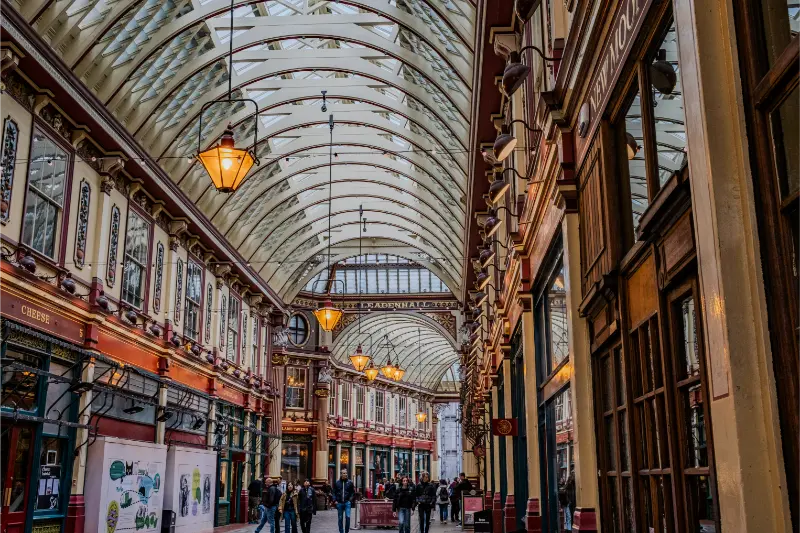
Eating in London is not about proving whether British food deserves an old stereotype. The city is shaped by regional British cooking and generations of global migration, so a convincing food trip might include a pie, South Asian dishes, a bakery breakfast, West African flavours and a proper Sunday roast.
This guide focuses on experiences rather than a list of fashionable restaurants that will date quickly. Reservations, menus and service charges change, so verify details directly and never travel across London for a viral dish unless the neighbourhood itself interests you.
London trip at a glance
| Experience | What to try | Planning tip |
|---|---|---|
| Traditional pub | Pie, fish and chips, roast, local ale | Check kitchen hours and family policy |
| Food market | Small plates and global street food | Arrive before peak lunch |
| Afternoon tea | Sandwiches, scones and pastries | Reserve; compare formality and price |
| Bakery / café | Pastries, breakfast, coffee | Useful for an early start |
| Neighbourhood meal | Regional and diaspora cuisines | Choose the area as part of the experience |
Start with British classics, but choose carefully
Fish and chips is best when cooked to order, not kept under a heat lamp beside a landmark. Pies range from pub comfort food to specialist creations. Sausages and mash, a full English breakfast, sticky toffee pudding and regional cheeses provide other accessible introductions.
Quality and price vary enormously. Read the current menu, recent reviews and serving times. A pub with history and atmosphere is not automatically a food destination, and an excellent kitchen may sit inside a modern room with no old-London décor.
Understand the London pub
A pub can be a place for a drink, a meal or both. Ordering may happen at the bar, through an app or at the table. Look for a table number before approaching the bar, and do not assume every historic pub serves food all day.
Sunday roast is a specific ritual and popular kitchens can sell out. Reserve when possible and check the final order time. Families are often welcome earlier in the day, but policies differ. Pubs are not theme parks; respect regular customers and avoid blocking narrow entrances for photographs.
Use markets as neighbourhood gateways
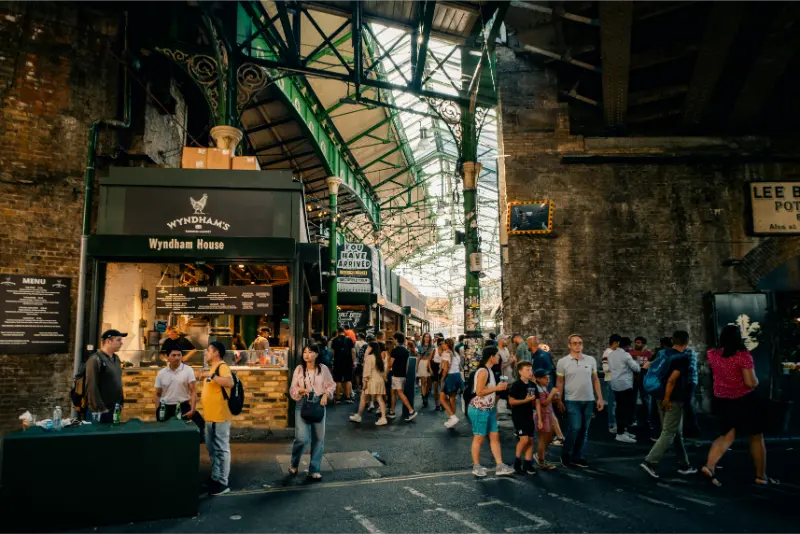
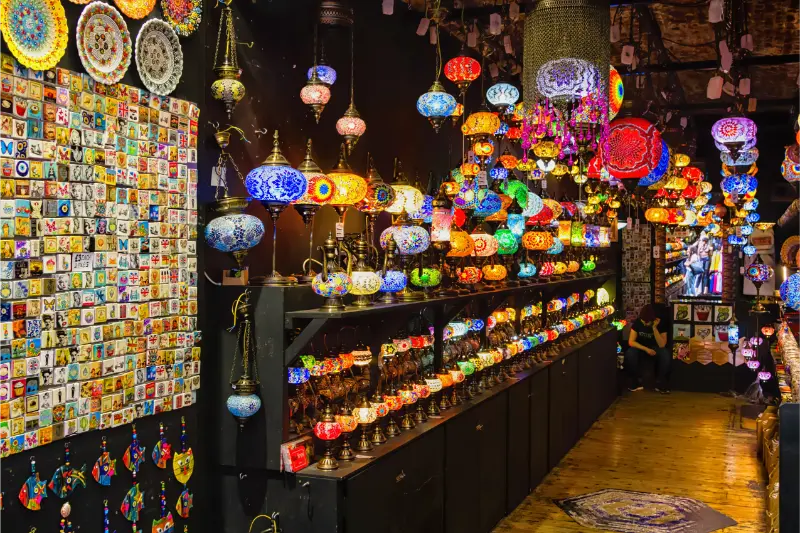
Borough Market is the most famous food market for visitors and fits naturally into a Thames or City day. Camden offers a vast casual selection; Spitalfields and Brick Lane connect food with east-London history; Greenwich adds a market stop to a broader day out.
Markets are busiest around lunch, when queues hide the stalls you might actually prefer. Arrive earlier, browse before choosing and share dishes if you want variety. Check opening days and remember that not every stall operates every day. Our free things guide explains how to pair markets with walks and parks.
Experience London’s global food culture
Southall is known for South Asian food, Brixton for a broad Caribbean and international scene, Chinatown for regional Chinese choices, and neighbourhoods across east and north London contain outstanding Turkish, Vietnamese, West African and Middle Eastern cooking. These labels simplify areas that are far more diverse, so explore with curiosity rather than treating them as themed districts.
Choose one neighbourhood that fits the itinerary and read menus in advance if dietary needs matter. A good meal outside the tourist core can be a highlight, but factor in travel time. Do not make a distant reservation immediately after a timed attraction.
Afternoon tea: experience or expensive snack?
Afternoon tea can be ceremonial, playful or relatively simple. The classic structure includes sandwiches, scones with accompaniments, pastries and tea. Hotel versions emphasise service and setting; museums, department stores and independent tearooms may offer different value.
Book only if you want the ritual. Compare duration, dress guidance, cancellation policy and whether service is included. Arrive hungry: a full afternoon tea can replace lunch. Tell the venue about allergies when booking, not after the tiered stand arrives.
Breakfast and quick lunches
A full English breakfast is substantial and best saved for a day with a later lunch. Bakeries, cafés and supermarket meal deals help on early sightseeing mornings. In business districts, weekday lunch options can be excellent; on weekends, the same streets may be quiet.
Avoid eating every meal beside the attraction entrance. Walking five or ten minutes often improves choice and price. Save two options near each day’s cluster, including one that does not require a reservation.
Dietary needs and allergens
London offers broad vegetarian, vegan, halal and gluten-aware choices, but labels and kitchen practices vary. Check directly with the restaurant, especially for allergies or cross-contamination risk. Chains often publish allergen information, while independent venues can explain dishes in person.
Do not rely solely on an old review. Menus and suppliers change. Keep a translated or clearly written description of a serious allergy if English is not your first language, and carry prescribed medication.
Service charges, tipping and payment
Many restaurants add a discretionary service charge, commonly shown on the bill. Read before adding another tip. If service was poor, you can ask about removing a discretionary charge, though staff distribution policies vary.
Cards and contactless payments are widespread, and some venues are cashless. When a terminal offers currency conversion, understand the rate before accepting. Keep one backup card. Split-bill policies vary, especially for large groups.
A simple food plan for three days
On day one, combine a central pub lunch with a lighter evening meal. On day two, use a market within the sightseeing route and reserve one special dinner. On day three, explore a neighbourhood cuisine or book afternoon tea. This creates variety without allowing meals to control every day.
Leave room for spontaneity, but not at 8 p.m. on a Saturday with a tired group. The three-day itinerary shows where markets and dining districts fit geographically.
How to recognise better value
Price alone does not define value. Consider ingredient quality, portion, setting, service and how naturally the meal fits the day. An expensive lunch in a memorable room may replace a separate attraction, while a cheap meal requiring a long detour can cost time and transport.
Menus displayed outside should show prices clearly. Look for whether sides are included and whether a service charge is added. In markets, compare portion size before buying several items. In pubs, check that the kitchen is open and whether ordering happens at the bar.
Recent reviews are most useful when they describe specific dishes, waiting times and service patterns. A single dramatic rating tells you less than repeated comments. Remember that popular places change chefs and menus, so prioritise information from the last few months.
Finally, leave space for appetite. London sightseeing can disrupt normal meal times, but constant snacking removes the chance to enjoy a proper dinner. A loose food plan—two nearby options and one reservation—provides security without making every day revolve around the table.
Common mistakes to avoid
- Choosing a famous pub for food without checking its current kitchen menu.
- Arriving at Borough Market at peak lunch with no patience for crowds.
- Adding a tip without noticing the service charge already included.
- Booking afternoon tea immediately after a large lunch.
- Travelling far for one viral item while ignoring the surrounding neighbourhood.
The food mistake is saving every meal until you are standing beside a major attraction with everyone hungry. London rewards a little geographical planning: know which neighbourhood you will be in at lunch, save one sit-down option and one fast alternative, then decide on the day. Markets are excellent when choice matters, but they are not automatically calmer or cheaper at peak lunchtime.
Practical planning checklist
- Confirm opening days and last admission on official websites.
- Save bookings and the accommodation address for offline access.
- Check the live TfL journey planner before leaving each morning.
- Keep one indoor and one outdoor option in the same area.
- Use the same contactless card or device consistently for eligible journeys.
- Allow time for security, meals, station corridors and unplanned discoveries.
Book only the meals where timing is part of the experience: a sought-after Sunday roast, a particular tasting menu, afternoon tea or a restaurant tied to a special evening. Leave ordinary lunches flexible. Check service-charge wording on the bill, ask about allergens directly and do not assume every historic-looking pub serves food all day.
Continue planning your London trip
Food tours for travellers who want context
A good food tour should explain neighbourhood history and migration as well as provide tastings. compare London food tours on GetYourGuide, then check the number of stops, dietary policy and walking distance.
Frequently asked questions
What food is London famous for?
Pub dishes, pies, fish and chips, afternoon tea and Sunday roast are classic answers, but London’s global cuisines are equally central to how the city eats.
Do I need restaurant reservations?
For popular places, Friday and Saturday evenings, Sunday roasts and afternoon tea, yes. Keep some daytime meals flexible.
Are pubs suitable for children?
Many are during food-serving hours, but individual rules vary and some become adult-focused later. Check directly.
How can I eat cheaply?
Use bakeries, markets selectively, supermarket meal deals and lunch offers, and balance one special meal with simpler food rather than sacrificing every meal.
Final thoughts
Eating well in London is less about chasing one definitive dish than understanding the city’s range. Have a pub meal, try food shaped by London’s migrant communities, buy something from a bakery or market and leave room for the neighbourhood you did not plan to eat in. Food is one of the easiest ways to make the trip feel personal.
Menus, service hours and booking policies change frequently; confirm directly with the business when a particular meal is important to your itinerary.
Make afternoon tea an intentional experience
For traditional hotels, themed buses and Thames options, use our London afternoon tea guide before booking.
Explore London food in more depth
Build a deeper food itinerary with our guides to Sunday roast, fish and chips, full English breakfast and the best areas for foodies.
More London food guides: brunch, coffee, bakeries and dietary needs
These newer guides go deeper into the practical choices that shape a food-focused London trip, from breakfast and coffee to traditional pie and mash, food halls and dietary requirements.
- Best Brunch in London
- Best Coffee Shops in London
- Best Bakeries in London
- Pie and Mash in London
- Best Desserts in London
- Vegan and Vegetarian Food in London
- Halal Food in London
- Eating in London with Food Allergies
- Best Food Halls in London
- 3-Day London Food Itinerary