
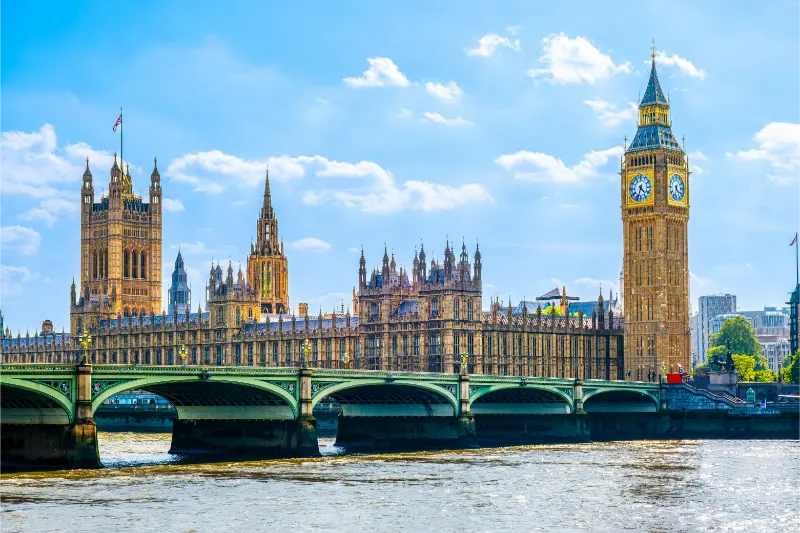
Westminster Abbey is one of those London landmarks that can look deceptively simple on an itinerary: arrive, see the coronation church, take a few photographs, move on. In reality, it is one of the densest historical spaces in the city. Kings and queens, scientists, writers, soldiers and statesmen are commemorated within a building whose story stretches across more than a millennium. The challenge is not finding things to see; it is deciding what deserves your attention before the names, tombs and chapels start to blur together.
This guide is designed for travellers who want to understand the Abbey rather than simply say they have been inside. If you are planning the wider area, start with our Westminster walking guide; if London is new to you, our first-time London guide explains how to build days around compact areas instead of criss-crossing the city.
| Best for | British history, architecture, royal history, literature and first-time visits |
|---|---|
| Realistic visit | About 90 minutes to 2 hours for most visitors; longer if you like to read deeply |
| Closest stations | Westminster and St James’s Park |
| Planning principle | Book the Abbey as the anchor of your Westminster day, not as a quick stop between other tickets |
Why Westminster Abbey is different from a normal museum
The Abbey is not a museum that happens to occupy an old church. It is a working church whose religious life continues alongside tourism, national ceremonies and commemoration. That distinction matters. Sightseeing hours can change for services and special events, photography rules deserve respect, and some spaces feel very different when you approach them as places of worship rather than as exhibits.
The Abbey’s official visitor information recommends advance booking and explains that Sunday is principally for services. Before leaving your hotel, check the current timetable on the official Westminster Abbey website. This is especially important if your trip coincides with a major state, church or ceremonial event.
The smartest order inside
There is no single perfect route, but there is a better mental strategy: divide the Abbey into themes. Start by noticing the architecture and the broad shape of the nave rather than immediately reading every memorial. Then give focused attention to the Coronation Chair and the royal story, the medieval chapels around the sanctuary, Poets’ Corner, and the scientists and public figures commemorated elsewhere. This prevents the visit turning into a long sequence of plaques.
If you care most about monarchy, spend more time around the royal tombs and Lady Chapel. If literature is the draw, protect time for Poets’ Corner. If science interests you, look for figures such as Isaac Newton and Charles Darwin. Families can choose a small number of stories before arrival and turn the visit into a search rather than asking children to absorb every monument. Our London with kids guide has more advice on pacing major attractions with younger travellers.
Do not miss the Chapter House and Cloisters
Visitors sometimes focus so intensely on the central church that they rush the quieter spaces. The Chapter House and Cloisters change the rhythm of the visit. The Chapter House connects to the institutional history of medieval England, while the Cloisters create a calmer transition between the most crowded parts of the Abbey. They also help you understand that this was a functioning religious community, not just a ceremonial shell.

The Pyx Chamber is another space worth noticing when accessible. You do not need to memorise dates or architectural labels to appreciate it. The value is in seeing how many layers of English political, religious and financial history occupy a surprisingly small footprint.
Are the Queen’s Diamond Jubilee Galleries worth adding?
The Galleries occupy the Abbey’s medieval triforium above the main floor and display objects connected with the building’s long history. They require a separate timed element in addition to Abbey admission, and they are not the right choice for everyone. If you have only an hour and a half, the main Abbey should remain the priority. If you enjoy original objects, manuscripts and the story of the building itself, the Galleries can turn a good visit into a much richer one.
They also offer a different perspective on the Abbey’s interior. Treat them as an extension, not as something you must squeeze in because it appears on a list. Check current opening arrangements before booking because access can vary.
When should you visit?
The first available sightseeing period is usually the easiest option for travellers who dislike crowds. Arriving early also leaves the afternoon free for Whitehall, St James’s Park and Buckingham Palace. Later admission can work well if you use the morning for outdoor Westminster, but do not book the Abbey so late that a transport delay or long lunch creates stress.
Wednesday has historically offered extended visiting on some dates, but do not build an itinerary around that assumption without checking the current calendar. The same applies to Saturdays, bank holidays and periods around major ceremonies. London rewards flexible planning: know your anchor, then keep the outdoor elements adjustable.
How to combine the Abbey with the rest of Westminster
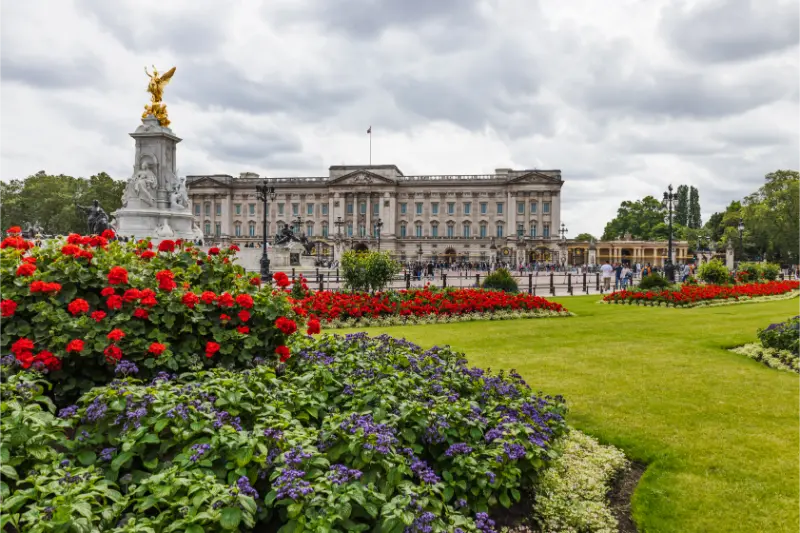
A logical route begins around Parliament Square and the Thames, moves into Westminster Abbey, then continues north along Whitehall or west through St James’s Park. This sequence avoids unnecessary Tube journeys. If you want to visit Buckingham Palace, use our Buckingham Palace guide to decide whether you are mainly interested in the exterior, Changing the Guard or a seasonal interior visit.
For a first trip, resist combining Westminster Abbey, the Tower of London and a major museum on the same day. They are all high-information attractions. Two deep interiors plus a long cross-city transfer is usually less satisfying than one major interior followed by streets, parks and views.
What to pair with the Abbey if the weather changes
Westminster is unusually resilient in bad weather. Churchill War Rooms provides another indoor historical anchor nearby, while the National Gallery is farther north near Trafalgar Square. If rain becomes heavy, shorten the park section and save it for another day. Our rainy-day London itinerary explains how to redesign a day without feeling that the weather has ruined it.
In light rain, however, keep walking. Westminster’s architecture, wet pavements and river views can be atmospheric, and the distances between Parliament Square, Whitehall and St James’s Park are manageable with a waterproof layer.
Tickets: official or guided?
The official Abbey ticket is the simplest choice for independent visitors, and the multimedia guide is useful if you want context without joining a group. A guided experience can make sense when the history is your main reason for visiting or when you want the Abbey connected to the wider Westminster story. Compare cancellation terms, meeting points and whether actual Abbey admission is included rather than assuming every “Westminster tour” enters the building.
This is an affiliate link. If you book through it, Dreaming London may receive a commission at no extra cost to you.
Details that make the visit better
- Use comfortable shoes: the Abbey is only one part of a day that is best explored on foot.
- Keep your phone away for stretches of the visit. Looking up at vaulting, monuments and spatial relationships is more rewarding than collecting dozens of near-identical images.
- Do not arrive with a large bag if you can avoid it; security procedures are easier with minimal luggage.
- If mobility or step-free access matters, read the Abbey’s accessibility information before booking, especially for elevated or historic areas.
- Allow time outside in Dean’s Yard and around Parliament Square rather than immediately entering the Tube after you leave.
Westminster Abbey with children
The Abbey can work well with school-age children if adults reduce the amount of explanation. Pick three stories: a coronation, a famous writer and one surprising historical figure. Let children locate them and then move on. A two-hour adult-style audio marathon is rarely the best family strategy. Afterwards, St James’s Park provides the release that makes the whole morning feel balanced.
Standard visitor hours in 2026
The Abbey’s current standard sightseeing schedule is generally 09:30–15:30 Monday to Friday and 09:30–15:00 on Saturday, with Sunday reserved for services rather than ordinary tourist admission. As a working church it can close or alter access for special services, so always check the date-specific calendar before travelling.
Frequently asked questions
Is Westminster Abbey free?
Ordinary sightseeing requires a ticket, while attendance at religious services is different. Current arrangements and any special concessions should be checked on the official site.
Can you visit on Sunday?
Sunday is primarily a day of worship rather than normal tourist sightseeing. Visitors may attend services, but should not treat worship as a substitute sightseeing session.
How long do you need?
Most first-time visitors should allow roughly 90 minutes to two hours. History enthusiasts can easily spend longer, especially if adding the Galleries.
Is it worth visiting if you have already seen the exterior?
Yes if British history, monarchy, architecture or literature matters to you. The exterior alone does not communicate the density of stories inside.
A better way to think about the Abbey
Westminster Abbey is most rewarding when it is the intellectual centre of a day rather than another landmark squeezed between photographs. Give it enough time to become a place rather than a list of famous names, then let Westminster unfold around it on foot. From Parliament to Whitehall, St James’s Park and Buckingham Palace, the surrounding streets make far more sense once you have spent time inside the building that has witnessed so much of the country’s ceremonial history.