

There is almost no truly secret place in a city visited by millions of people. A better goal is finding places that are less obvious, easy to combine with famous sights and genuinely rewarding. The following stops are not presented as undiscovered. They are useful because they add texture to a day you may already be planning.
St Dunstan in the East
The ruins of this former church, damaged during the Second World War and later turned into a public garden, sit between the Monument and Tower Hill. It is one of the easiest atmospheric detours in central London because it requires only a few minutes from major routes.
Postman’s Park
Near St Paul’s, this small park contains the Watts Memorial to Heroic Self-Sacrifice, commemorating ordinary people who died while saving others. It is a reflective stop and a useful contrast to the monumental City around it.
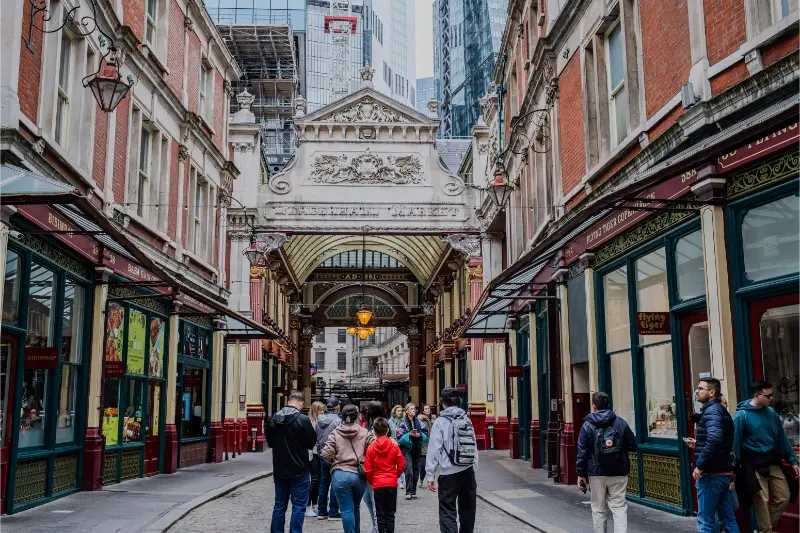
Leadenhall Market early in the day
Leadenhall Market is not unknown, but timing changes the experience. Go early on a weekday or during a quiet weekend window to appreciate the Victorian roof and surrounding City lanes before lunch crowds build.
Ely Court and the lanes around Hatton Garden
The tiny passage leading toward Ye Olde Mitre is a reminder of how London’s older street pattern survives behind modern roads. Combine it with Holborn, legal London and Clerkenwell rather than making a special cross-city trip.
Little Venice outside peak weekend hours
The canal junction near Paddington is most enjoyable as the start of a walk rather than a standalone attraction. Follow the water toward Regent’s Park or Camden and the city changes gradually around you.
Rotherhithe riverfront
Rotherhithe offers old riverside pubs, narrow streets and views toward Canary Wharf. It works particularly well for visitors interested in maritime London who have already done Greenwich. The Mayflower pub and nearby river path provide an anchor.
Wapping High Street and river stairs
Wapping’s warehouses, converted dock buildings and occasional river access points tell a story very different from Westminster. Walk in daylight, respect private property and remember that historic stairs can be slippery at low tide.
St Bartholomew the Great and Smithfield lanes
Around Smithfield, medieval and Victorian layers sit close together. The church of St Bartholomew the Great is one of the strongest historic anchors. Check visitor arrangements before entering because it is an active church with services and events.
Kyoto Garden in Holland Park
The Japanese-style Kyoto Garden is a peaceful feature inside Holland Park. It is especially useful as part of a Notting Hill–Kensington walk. Go early if you want calm; its reputation means it is no longer a hidden gem at peak times.
One Tree Hill in Greenwich Park
Most visitors cluster near the Royal Observatory viewpoint. The Royal Parks specifically notes that One Tree Hill offers another skyline view with a quieter feel. It is a good example of how walking ten minutes beyond the obvious stop can change a famous destination.
The legal lanes around Temple
The Inns of Court area can feel almost collegiate, with courtyards and gardens tucked between the Strand and the Thames. Access varies because these are working legal institutions, and gates can close outside business periods. Treat them as living workplaces, not unrestricted tourist attractions.
Brompton Cemetery
Managed by The Royal Parks, Brompton Cemetery combines landscape, architecture and social history. It can be paired with Chelsea, Earl’s Court or South Kensington and offers a quieter perspective on Victorian London.
Why “hidden London” works best in small doses
Do not spend two hours crossing the city for a five-minute curiosity. The best lesser-known stops are within 10–20 minutes of something you already want to see. Use this article as a layer over our best things to do in London guide, not as a replacement for the major sights on a first visit.
- City day: St Dunstan + Postman’s Park + Leadenhall.
- Greenwich day: One Tree Hill + riverside back streets.
- West London day: Kyoto Garden + Notting Hill residential streets.
- River history day: Wapping + Rotherhithe.
13. Crossbones Garden of Remembrance in Southwark
Close to Borough Market and London Bridge, Crossbones is a small memorial space connected with the history of people buried in the former unconsecrated graveyard here, including many poor and marginalised Londoners. It is emotionally very different from the major attractions nearby and should be visited with respect rather than treated as a quirky photo stop.
The garden has volunteer involvement and access arrangements can vary, so check current information before making it the sole purpose of a journey. Its real strength is location: it adds social history to a Southwark day that might otherwise be dominated by food, Shakespeare and riverside sightseeing.
14. St John’s Gate and the Clerkenwell lanes
Clerkenwell is one of the best districts for seeing how fragments of old London survive between offices, restaurants and modern streets. St John’s Gate is an unmistakable historic anchor, while nearby Clerkenwell Green, Smithfield and narrow lanes create a walk with layers of monastic, industrial and legal history.
Do not expect every historic interior to be freely accessible whenever you arrive. Treat the neighbourhood itself as the attraction, then check specific museums or churches if you want to go inside. Clerkenwell works especially well as a bridge between the City, Farringdon and Bloomsbury.
15. Red Cross Garden near Borough
Red Cross Garden is a small historic garden created through the social-reform work associated with Octavia Hill. It is not spectacular in the way a royal park is, and that is exactly why it belongs in this article. It offers a quiet, human-scale pause only a short walk from some of south London’s busiest visitor routes.
Combine it with Borough Market, the George Inn, Southwark streets or Crossbones rather than travelling across the city specifically for the garden. Hidden London works when the detour deepens the day without dominating it.
How to verify whether a “secret” place is actually open
The internet is full of London lists containing private courtyards, church interiors, roof gardens and institutional spaces that are not guaranteed to be open. Before travelling, check the official website or the organisation that manages the site. Gates around the Inns of Court, churches and gardens can close for services, events, maintenance or security reasons.
A useful warning sign is an article that gives precise access instructions but no date and no official source. London changes too quickly for that. For example, Brompton Cemetery is managed by The Royal Parks and remains a working cemetery, so visiting information should come from the current Royal Parks page rather than an old travel list.
Build “hidden” stops into the clusters you already have
The most efficient combinations are simple: St Dunstan + Leadenhall while exploring the City of London; Postman’s Park + Smithfield while moving between St Paul’s and Farringdon; Kyoto Garden during a Kensington or Notting Hill day; One Tree Hill during Greenwich; and Rotherhithe or Wapping as part of a Thames-history route.
This is also the best protection against disappointment. A tiny garden or historic lane is charming as a 15-minute discovery and frustrating as the centrepiece of a 50-minute cross-city journey.
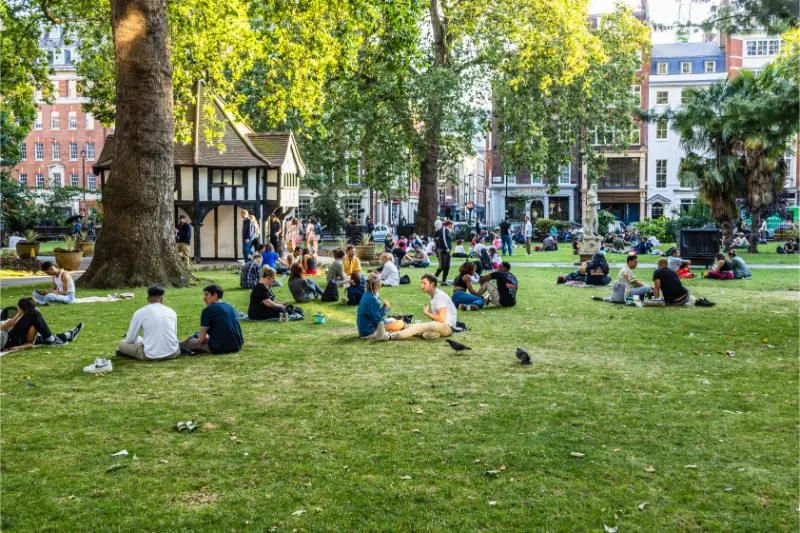
Quiet does not mean empty—and “local” does not mean permissionless
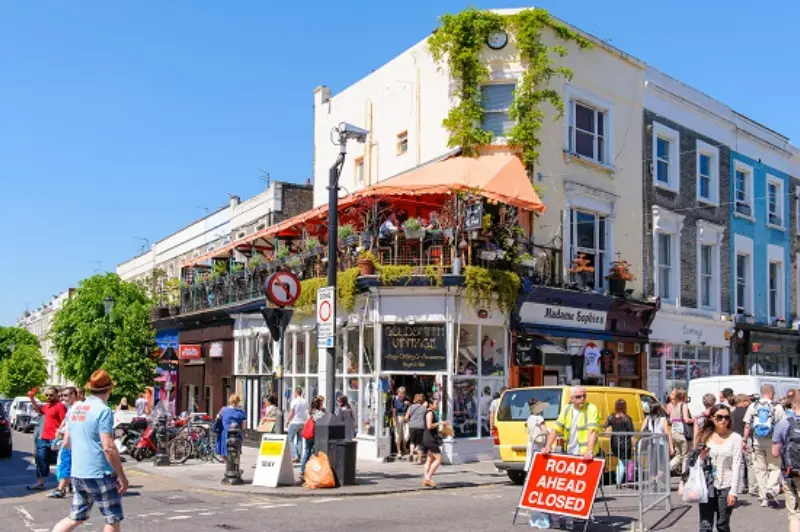
Several places in this list are residential, religious, commemorative or working spaces. A hidden courtyard may be someone’s workplace; a cemetery is still a place of burial; a colourful mews is a street where people live. Keep voices low, do not photograph through windows and never block doors for portraits.
This matters particularly around Wapping, Rotherhithe, Notting Hill and the Inns of Court, where the appeal often comes from small-scale streets rather than formal visitor attractions. The best way to keep these places enjoyable is to behave as though you are a guest in someone else’s neighbourhood—because you are.
When a hidden place is not worth the detour
If reaching a minor stop requires two Tube changes and forty minutes each way, ask what you are giving up. On a first visit, St Dunstan in the East is worthwhile because it sits naturally between City sights; the same ruin would be a poor use of time if it were isolated in an outer borough. Context is what turns a small place into a good recommendation.
Repeat visitors can be more adventurous. Once you have seen the main clusters, a half-day in Clerkenwell, Rotherhithe or around Brompton Cemetery can be more rewarding than another headline attraction. That is when “hidden London” becomes a genuine theme rather than an Instagram scavenger hunt.
Use opening hours as a filter, not an afterthought
Small churches, gardens and institutional spaces often have narrower or less predictable access than major attractions. Before adding one to the route, check whether it is open at the time you will actually pass it. If the timing is uncertain, label it as an optional detour rather than a fixed appointment.
This simple habit prevents the most common hidden-London disappointment: arriving at a locked gate after travelling specifically for a place that would have been delightful only as a nearby bonus.
Access to churches, courtyards, gardens and small historic sites can be restricted for services, events or private use; verify any place that is central to your route.
Specialist walks for less obvious London
Some hidden-London themes are much stronger with expert context. compare specialist London walks on GetYourGuide, especially for architecture, underground history or small-group neighbourhood routes.