

A full week in London should not feel like seven copies of the same sightseeing day. The advantage of seven days is contrast: royal London, the medieval City, major museums, Greenwich, neighbourhoods, parks and one carefully chosen excursion can all fit without using every evening as overflow. The itinerary below is designed around that contrast rather than around the maximum number of famous names.
This plan assumes seven usable days in or around London. If your first or last day is mostly travel, keep the structure but drop the day trip. The first-time guide covers airports and practical preparation; the London budget guide helps estimate transport, accommodation and ticket spending before you start booking.
ROUTE MAP
London in 7 Days – route map
Use the map as a planning overview. The numbered markers follow the order suggested in this guide; exact walking and transport choices can change with closures, weather and your bookings.
- Westminster
- Tower of London
- South Kensington Museums
- Greenwich
- Little Venice
- Camden Market
- British Museum
- Hampstead Heath
| Day | Focus |
|---|---|
| 1 | Westminster + West End |
| 2 | Tower + Bankside + City edge |
| 3 | South Kensington + Kensington Gardens |
| 4 | Greenwich |
| 5 | Canal + Camden + Regent’s Park |
| 6 | Choose a neighbourhood or specialist London day |
| 7 | Day trip or final London priorities |
Day 1: royal London and a West End evening
Begin with Westminster because it gives a first-time visitor the densest concentration of nationally important landmarks. See Parliament Square and Big Ben, then choose one interior: Westminster Abbey, Churchill War Rooms or, when seasonal access aligns with your dates, Buckingham Palace State Rooms. Trying to visit all three creates a security-line marathon and leaves little time to understand any of them.
Walk through St James’s Park and the royal quarter toward Trafalgar Square. In the afternoon, either make a selective National Gallery visit or continue directly to Covent Garden. Spend the evening around Soho, Chinatown or a West End show. By ending near where the afternoon naturally finishes, you avoid wasting the first evening on transport.
Day 2: Tower of London, Tower Bridge and Bankside
Give the Tower of London the first slot of the morning if it is on your list. Afterward, Tower Bridge and the south bank create a route with almost no transport. Cross the bridge, pass through the Borough Market area and continue toward Shakespeare’s Globe and Tate Modern. This route also makes it easy to stop early if museum fatigue or jet lag appears.
If you want St Paul’s Cathedral, cross the Millennium Bridge from Bankside rather than making a separate trip. If the day is already full, leave St Paul’s for Day 6 when you can combine it with the City of London. A week gives you permission to postpone instead of squeezing.
Day 3: one museum, one park, one optional palace
South Kensington contains too much to treat as a single attraction. Choose the Natural History Museum, Science Museum or V&A as the main morning visit. Then move outdoors through Kensington Gardens and Hyde Park. Kensington Palace can become an optional afternoon ticket, but do not treat it as mandatory simply because you are nearby.
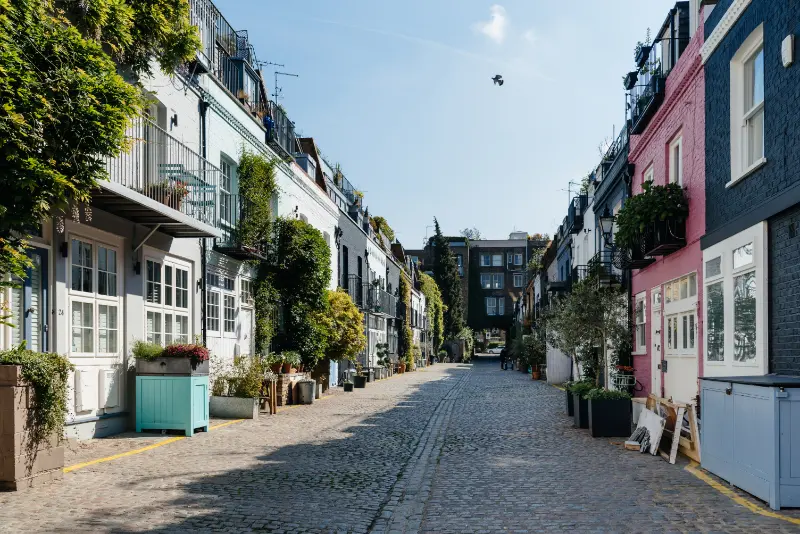
This day is also where you can place Knightsbridge shopping if Harrods or major department stores matter to you. If shopping is not a priority, give the extra time to the park or a slower dinner in Kensington or Chelsea. A seven-day itinerary improves when not every free hour is filled.
Day 4: Greenwich as a complete district
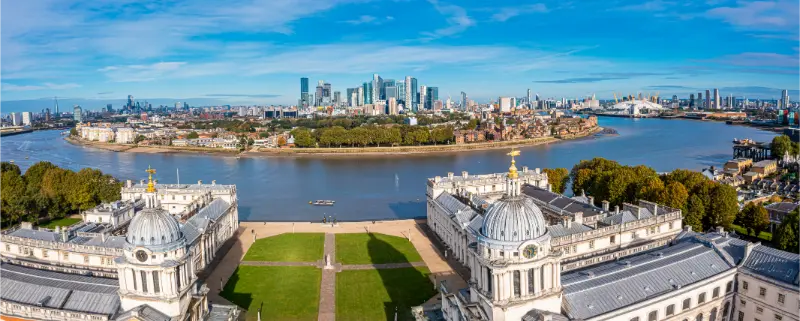
Travel to Greenwich by river if conditions and schedule make sense. The journey itself shows how London changes along the Thames and creates a stronger arrival than treating Greenwich as an Underground-style commute. Once there, combine the maritime museums, Cutty Sark, market, park and Observatory area according to your interests.
Check current access before making the Royal Observatory your fixed anchor. The First Light redevelopment affects visiting arrangements from November 2026 onward, so use our Royal Observatory guide and the official site for your exact date. Even without an Observatory ticket, the park, skyline and maritime museums justify the journey.
Day 5: Little Venice, Camden and Regent’s Park
After four landmark-heavy days, start somewhere that does not require a security queue. The Regent’s Canal route from Little Venice toward Camden introduces residential waterways, boats and a different scale of London. Have lunch around Camden, then continue through Regent’s Park or toward Primrose Hill if the weather is clear.
This is deliberately a lower-pressure day. If you booked a major evening show or restaurant, Day 5 is an excellent place to put it because the daytime schedule can be shortened without sacrificing an essential attraction. If crowds are exhausting, replace Camden with Hampstead and Hampstead Heath for a quieter version of north London.
Day 6: choose the London that matches your interests
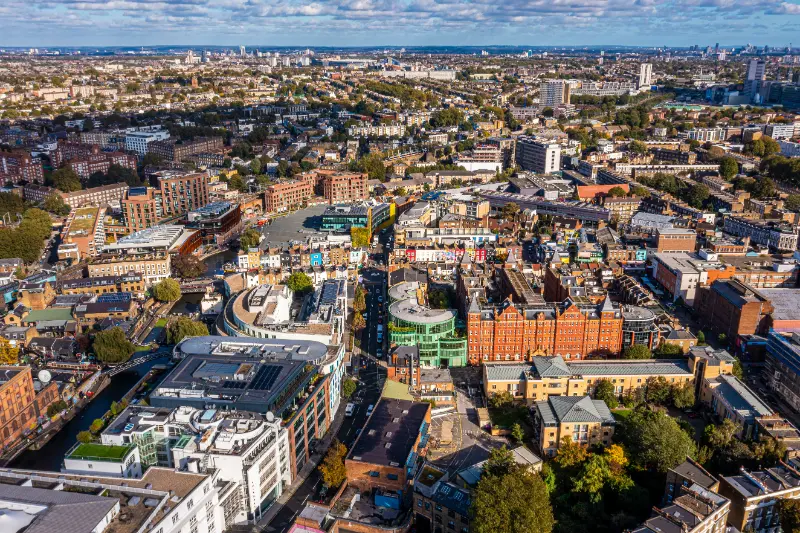
The sixth day is where a week becomes personal rather than generic. Architecture and history fans can explore the City of London, St Paul’s, Leadenhall Market and Sky Garden. Food-focused travellers can build the day around markets, Chinatown and a neighbourhood restaurant. Football fans may prefer a stadium tour or match-day plan using our football in London guide. Families might choose SEA LIFE, Madame Tussauds or London Zoo depending on ages and interests.
Another strong option is Richmond or Kew. After several central days, the river, Richmond Park or Kew Gardens can feel like a holiday inside the holiday. Choose this if green space matters more than another gallery. The point is to use Day 6 for something you would regret missing, not for the next item on a universal ranking.
Day 7: take one day trip—or stay in London
A seven-day visit is long enough for a day trip, but it still does not require one. Windsor works well for royal history; Oxford and Cambridge suit university architecture and walking; Brighton changes the mood with the coast; Bath is a longer but rewarding independent rail trip. Use the day trips from London guide to compare travel time before choosing.
If London still contains unfinished priorities, stay in the city. The British Museum, Tate Britain, Hampstead, Brixton, Canary Wharf, Richmond and neighbourhood shopping can easily fill another day. Do not take a train out of London simply because an itinerary says Day 7 should be an excursion.
Which day trip makes sense for which traveller?
Windsor is the easiest fit for royal history and a compact historic centre. Oxford and Cambridge are strongest for colleges, architecture and academic history. Brighton gives you the sea and independent culture. Bath gives you Roman and Georgian history but requires a longer rail journey.
How to distribute paid attractions across a week
A common mistake is buying almost everything before arrival. Instead, protect the bookings that truly need fixed times, then leave free museums, parks and neighbourhoods movable. One expensive attraction each day is already a substantial budget. Some of London’s best days—Greenwich park and museums, Regent’s Canal, Hampstead, the Thames paths—can be built with little or no admission spending.
If you are considering a sightseeing pass, calculate it after choosing the seven-day route. The London attraction pass guide explains the current Explorer and All-Inclusive structures. A pass is useful when it discounts attractions you already wanted, not when it persuades you to add attractions to justify the pass.
Affiliate link. Dreaming London may earn a commission from qualifying bookings at no extra cost to you.
Where to stay for a week
For seven nights, room comfort and neighbourhood quality matter more than on a weekend. You will probably eat several meals near the hotel, return at different times and use multiple transport lines. Bloomsbury, Marylebone, Paddington, South Bank, Kensington and parts of the City can all be sensible depending on airport and evening priorities. Read recent hotel reviews for noise, room size and lift access rather than judging only by map distance.
Build a recovery margin into the middle of the week
Do not wait until everyone is exhausted to slow down. Day 5 is intentionally flexible, and Day 6 can become a park or neighbourhood day if needed. This matters even more with children, older travellers or anyone who is not used to walking ten or more kilometres in a city. The accessible London guide and family guide provide alternatives that reduce stairs, long station interchanges and unnecessary walking.
Weather strategy for seven days
A week almost guarantees varied weather. That is an advantage if you keep the modules movable. Put South Kensington, the British Museum or galleries into the wettest day; protect Greenwich, Hampstead, Richmond and long river walks for better conditions. Check booked attractions first, then reorder the flexible days around them.
One-week mistakes that add cost without adding much value
- Booking a different paid viewpoint every second day.
- Using a day trip to escape fatigue instead of simply scheduling a quiet London day.
- Choosing a distant hotel because the weekly room price is lower without pricing the commute.
- Visiting multiple giant museums back-to-back.
- Eating every meal in the busiest tourist districts.
- Leaving no unscheduled half-day for weather, shopping or a place you discover after arrival.
Frequently asked questions
Is seven days too much for London?
No. A week allows you to include neighbourhoods and slower days that a short first visit misses. You can still leave with a long list for another trip.
Should I spend all seven days in London?
You can. A day trip is optional. If you have already visited London or one nearby destination is a major priority, use Day 7 for the excursion; otherwise keep exploring the capital.
How many attractions should I pre-book?
Book the experiences with limited capacity, seasonal access or fixed performance times. Avoid turning every day into a chain of reservations.
Bottom line
A week in London is most rewarding when the days do not all look alike. Start with the famous core, build in museums and Greenwich, slow down in north London, personalise one day and decide whether a day trip truly adds something. The best seven-day itinerary uses the extra time to create contrast, not simply to create a longer checklist.