
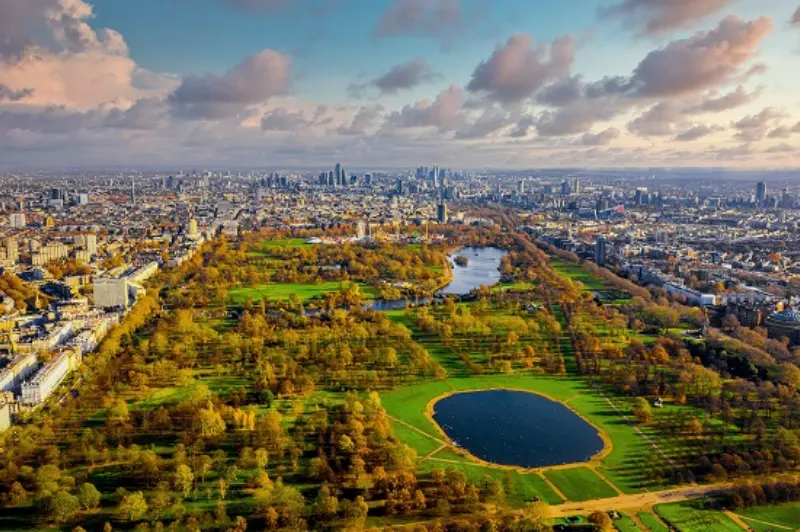
Kensington is one of the easiest London areas to over-plan. A map shows the Natural History Museum, V&A, Science Museum, Royal Albert Hall, Kensington Gardens and Kensington Palace within a compact zone, so visitors assume they can “do Kensington” in one day. Physically, yes. Mentally, not if you try to treat every museum as a full visit.
The better strategy is to choose one major museum, add one shorter cultural stop, then use the gardens to reset your attention. That creates a day with variety rather than six hours of galleries followed by a sprint through a park. Kensington is particularly strong for families and rainy-weather flexibility, and it connects naturally with our London museums guide and London with kids guide.
| Best for | Museums, families, parks, architecture and royal history |
|---|---|
| Main station | South Kensington for the museums; High Street Kensington or Queensway for other approaches |
| Best day structure | One major museum + gardens + one optional secondary attraction |
| Budget advantage | Core collections at major national museums are free |
Start at South Kensington, but do not try to conquer every museum
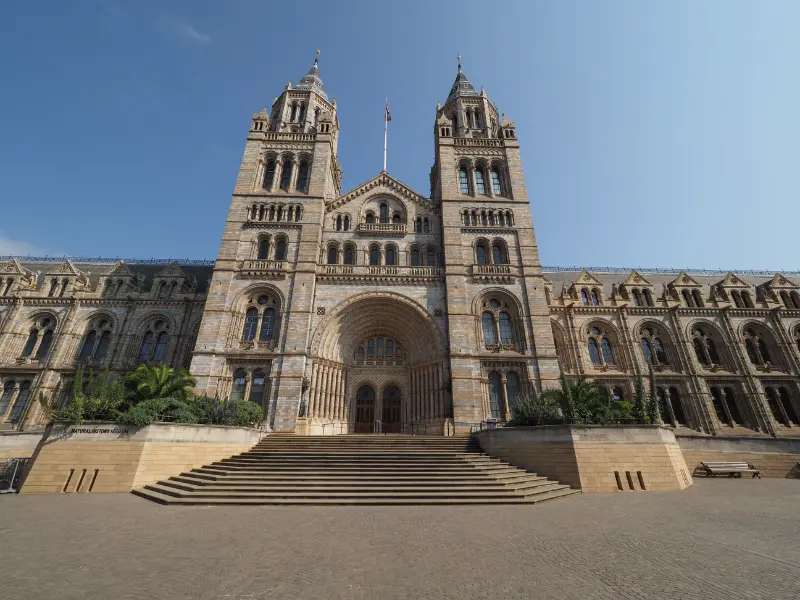
The Natural History Museum, V&A and Science Museum form one of London’s great cultural clusters. Their proximity is a gift only if you use it intelligently. Pick the museum that best matches your group and give it a focused two or three hours. Then leave while you are still interested.
The Natural History Museum is especially strong for families and anyone interested in the natural world; its main galleries are free, and the museum recommends advance free tickets at busy times to help guarantee entry. Check current information at the Natural History Museum visitor page.
The V&A rewards selective visiting
The Victoria and Albert Museum covers art, design and performance across an enormous range of periods and media. Trying to “see the V&A” in one session is a recipe for fatigue. Choose two or three collections that genuinely interest you, then allow the building itself to surprise you between them.
General admission is free and no entry ticket is normally required, although temporary exhibitions can be ticketed. Friday evening opening can be useful for travellers who prefer to spend daylight in the park. Check the V&A South Kensington visit page for current gallery closures and hours.
Exhibition Road is part of the experience
Exhibition Road links the museums with the Royal Albert Hall and the edge of Kensington Gardens. It is not simply a corridor. Notice how academic institutions, museum façades, cafés and performance venues create a cultural district that feels different from Westminster or the City.
If you are visiting with children, this is a good point for a food break before entering the park. A snack now prevents the predictable late-afternoon collapse after one more museum room.
Royal Albert Hall and the Albert Memorial
The Royal Albert Hall is one of London’s most recognisable performance venues, and the Albert Memorial across the road creates a deliberately grand Victorian composition. Even without a concert ticket, walking this section helps make sense of South Kensington’s nineteenth-century cultural ambition.
Check the Hall’s programme if live music matters to your trip, but do not force an interior tour into an already full museum day. The exterior and memorial fit naturally into the transition toward Kensington Gardens.
Kensington Gardens is the reset button
Once you enter Kensington Gardens, slow down. The park is not dead space between museums and palace. It contains the Albert Memorial, Round Pond, Italian Gardens, Peter Pan statue, flower walks and wide lawns, with Kensington Palace at its western edge. The Royal Parks describes a 6-kilometre suggested highlights route, but you do not need to complete it to benefit from the landscape.
Current opening times vary seasonally because the park closes at dusk. Check Kensington Gardens official information if your visit falls late in the day.
Families: use the park strategically
The Diana, Princess of Wales Memorial Playground is a major family feature near Kensington Palace, while the wider gardens offer space that children rarely get during central sightseeing. Availability, maintenance closures and group arrangements can change, so check current notices before promising a specific playground visit.
The most important family tip is sequence: museum first, park second. Asking children to return to three more hours of galleries after running outside usually creates conflict. If a second museum is essential, make it short and specific.
Kensington Palace: add it only if royal history is a priority
Kensington Palace is a separate ticketed attraction and deserves more than a rushed final hour. It connects with centuries of royal residence and works well for visitors already interested in the monarchy. If Buckingham Palace is also on your plan, consider whether two palace interiors improve your trip or simply duplicate your royal-history quota.
Our Buckingham Palace guide helps you compare the experience. Kensington Palace has the advantage of being embedded in a park and a residential neighbourhood, making the surroundings easier to enjoy before or after entry.
How to avoid museum fatigue
- Choose one museum as the day’s intellectual anchor.
- Set a small list of must-see galleries before entering.
- Eat before you are exhausted, not after.
- Use the gardens for at least 45 minutes between indoor stops.
- Do not feel guilty about skipping a museum because admission is free; free entry is valuable precisely because you can return another day.
Where Kensington fits in a London itinerary
Kensington works especially well on day two or three, after the historic core. It gives you museums and green space without forcing long transfers between attractions. If your hotel is in the west, it can also be an excellent arrival or departure-day district because you can scale the visit up or down depending on energy.
For rainy days, keep the museum component flexible and move the gardens into the driest window. Our rainy-day London guide shows how to make those swaps without redesigning the entire trip.
Where to stay in or near Kensington
Kensington suits travellers who prefer elegant residential streets, museum access and western central London over the late-night energy of Soho or Shoreditch. Prices can be high, and “Kensington” listings cover a broad area, so always check the actual walking distance to the station you expect to use.
Compare the district with other London bases in our where to stay in London guide.
Affiliate link. Dreaming London may earn a commission from qualifying reservations at no extra cost to you.
Which museum should you choose?
Choose the Natural History Museum if dinosaurs, geology, biodiversity or family learning are the strongest interests. Choose the V&A if design, fashion, decorative arts, architecture or performance appeal more. Choose the Science Museum for technology, engineering and hands-on family interest. The decision is less about which museum is “best” and more about which one your group will still care about after two hours.
If two adults have completely different interests, split for ninety minutes and meet on Exhibition Road. London does not require every travelling companion to spend every minute together. If you prefer design shops, residential streets and the river to a second museum, continue south toward Chelsea instead.
A good late-afternoon Kensington finish
After the museums, walk through Kensington Gardens toward the Italian Gardens or Round Pond rather than immediately taking the Tube. The change in light and scale is restorative. If the park is closing early in winter, reverse the day: use daylight for the gardens first and the V&A’s later Friday hours when relevant. This small seasonal adjustment can make the same neighbourhood feel far less rushed.
Food and breaks in South Kensington
Museum cafés are convenient, but they are not your only option. Exhibition Road and surrounding streets provide cafés and restaurants, while Kensington Gardens is suitable for a simple picnic when weather cooperates. The important point is to schedule the break before everyone is tired and hungry.
If you are visiting a free museum with children, leaving for lunch does not mean the day failed. A shorter, enthusiastic museum session followed by food and the park is usually more valuable than forcing another hour because there is no admission price to justify.
Frequently asked questions
Are the Kensington museums free?
The main permanent collections at the Natural History Museum and V&A are free; some temporary exhibitions and events charge separately. Other institutions have their own arrangements.
Can you visit the Natural History Museum and V&A in one day?
Yes, but do not try to see both comprehensively. Choose one as your main museum and treat the second as a focused one-hour or 90-minute visit.
Is Kensington good with kids?
Very. The combination of museums and gardens makes it one of the easiest central London districts for alternating learning with movement.
How long do you need?
A full day is easy to fill. Half a day works if you choose one museum and a short garden walk.
The best version of Kensington
The strongest Kensington day is not the one with the most museum entrances. It is the one that uses proximity to create contrast: fossils or design in the morning, Victorian architecture outside, trees and water in the afternoon, perhaps a palace or concert if that genuinely fits your interests. Kensington becomes memorable when you stop treating free admission as an obligation to see everything.
Two major cultural additions to a Kensington day are the Royal Albert Hall and Design Museum.