
London is a major international city, and most tourist days are routine: museums, public transport, restaurants, theatres and busy streets. The useful safety conversation is therefore practical rather than dramatic. Visitors should understand the types of opportunistic crime that the Metropolitan Police specifically warns about—pickpocketing, phone snatching, distraction theft and scams—and know what to do if something goes wrong.
The Metropolitan Police describes London as one of the world’s safest cities while still advising visitors to protect belongings. That balance matters. You do not need to move through the city anxiously, but you should change a few habits that make sense in crowded transport and tourist areas. Check the Met Police visitor safety advice for current guidance.
Phone snatching is the risk visitors underestimate
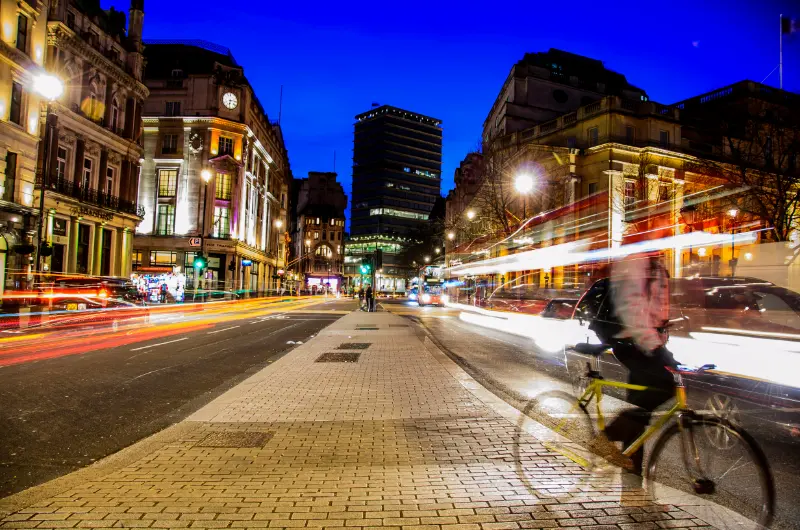
Police specifically warn that offenders may use bikes, mopeds or e-scooters to snatch phones and valuables. The simplest response is behavioural: do not stand at the edge of the pavement holding a phone loosely toward the road; step away from the kerb when checking directions; keep the device in a secure pocket or zipped bag when you are not using it. Navigation is necessary, but you do not need to advertise the phone continuously.
Pickpockets rely on distraction and crowds
Stations, escalators, markets, shopping streets and major attractions create moments when people stop paying attention to bags. Keep wallets and phones in places you can control, close zips and be suspicious of unnecessary physical distraction. If someone bumps you, blocks your path or creates a commotion, check your belongings once you are in a safe place.
Do not leave luggage unattended
The Met advises against leaving luggage unattended even briefly, including in hotel lobbies. On travel days, use staffed storage or a reputable luggage service rather than hiding bags in a public corner. Keep passports and essential medication with you unless you have a secure alternative.
Bogus officials and ATM scams
A visitor can be vulnerable because they do not know what normal police or payment behaviour looks like. The Met warns about people impersonating police officers and says you should never give anyone your PIN. At cash machines, shield the keypad, stay aware of people nearby and stop if the machine looks tampered with. London is highly card-friendly, so many travellers can minimise the amount of cash they carry.
Street tickets, games and pedicabs
The police advises tourists to buy theatre and concert tickets from reliable sources rather than street touts. It also warns about street “cups” games designed to separate people from their money and about pedicab/rickshaw situations where very high fees may be demanded for short rides. If the price or rules are not clear before you agree, walk away.
Night travel: planning beats guessing
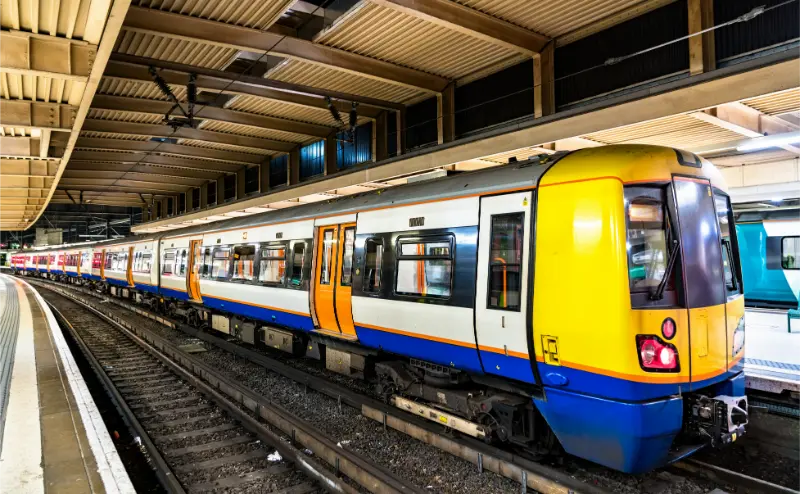
Use TfL journey planning and check the route before leaving a venue. Busy central areas remain active late, but the final walk from a station can feel very different from the theatre district you left. If you are staying outside the centre, know whether your route uses Night Tube, night bus, National Rail or a taxi/private-hire service. The London transport guide covers the system basics.
Emergency and non-emergency numbers
For police, ambulance or fire in an emergency, call 999 or 112. For non-urgent police matters, the Met lists 101. Save important numbers and your accommodation address somewhere you can access even if your phone is lost.
If your phone is stolen
- Move somewhere safe before trying to track or remotely lock the device.
- Contact your mobile provider and financial institutions if the phone contains payment access.
- Use device security tools to mark it lost and protect accounts.
- Report theft to police when appropriate and keep the reference for insurance.
- Do not personally confront someone you believe has the device.
If your passport is lost or stolen
Contact your country’s embassy or consulate and follow its replacement or emergency-document procedure. Keep a secure digital copy of the identification page and travel bookings, but remember that a copy is not a travel document. The Met recommends keeping copies/details of important documents and key contact information.
Hotel and accommodation safety
Choose accommodation with strong recent reviews and clear access procedures. When you arrive, note fire exits and evacuation information. Do not leave valuables visible in a ground-floor room or unattended in public hotel areas. If you use a room or hotel safe, keep a separate record of essential document numbers.
Crowded places that require more attention
Westminster, Oxford Street, Leicester Square, Covent Garden, Camden, major railway stations and busy markets are not “no-go” areas; they are simply places where crowds make opportunistic theft easier. The London markets guide and neighbourhood guides help you choose quieter times so you can improve both comfort and security.
Solo travellers
Solo travel does not require a different city, but it does remove the second person who might hold a bag, notice a wrong turn or carry a backup card. Use the solo London guide to build redundancy into payment, navigation and evening plans.
Common myths to avoid
- “Central London is dangerous after dark.” Risk varies by situation; a blanket statement about the whole centre is not useful.
- “If an area is crowded, it is safer.” Crowds can also create ideal conditions for pickpocketing.
- “Contactless means I never need a backup.” A lost or blocked card is much more disruptive without a second payment option.
- “I need to carry my passport every day.” Requirements depend on your circumstances; many travellers prefer to secure the original and carry other identification, but make your own document decision carefully.
Frequently asked questions
Is London safe for tourists?
Most visits are trouble-free, and the Metropolitan Police describes London as one of the world’s safest cities. Visitors should nevertheless take normal big-city precautions, particularly against theft and phone snatching.
What number do I call in an emergency?
Call 999 or 112 for police, ambulance or fire in an emergency. For non-urgent police matters, call 101.
Are tourist areas unsafe?
Tourist areas are usually busy rather than inherently unsafe. The main practical issue is protecting phones, wallets and bags in crowds and near roads.
The useful mindset
Good safety planning should make the trip feel freer, not more frightening. Secure the phone, separate backup payment, know how to reach your accommodation and understand the common scams. After that, spend your attention on London rather than on imagined danger.
Transport safety without overcomplicating it
On escalators, keep luggage close and avoid blocking the flow; on platforms, stay behind marked lines and pay attention to announcements. At night, wait in well-lit areas and board where other passengers are present if that makes you more comfortable. Use licensed transport and official booking channels rather than accepting unsolicited rides.
Travel insurance and documentation
Insurance does not prevent theft, but it can reduce the financial consequence of stolen devices, cancelled travel or medical problems, depending on the policy. Read the exclusions before you travel and know what documentation the insurer requires after an incident. Keep booking receipts and device details somewhere you can reach without the stolen phone.
Phone theft deserves specific attention
One of the most practical tourist risks in London is having a phone snatched while it is held loosely near a road or station entrance. Keep the device away from the curb, avoid standing with it extended in front of you and use headphones or a smartwatch for simple navigation when that lets you keep the phone out of sight.
In crowded areas, store the phone in a zipped internal pocket rather than an open coat or back pocket. These habits matter more than being anxious about entire neighbourhoods.
Card and cash safety
London is highly card-based, which reduces the need to carry large amounts of cash. Use bank ATMs or clearly branded machines, shield your PIN and decline suspicious offers of “help” at ticket machines or cashpoints. If a card is lost, freeze it immediately through your banking app if possible.
Keep one backup payment method separate from your main wallet. That small redundancy can turn a theft or card block from a crisis into an inconvenience.
Night travel: visibility beats shortcuts
After dark, prefer well-lit streets, busy transport routes and licensed taxis or established ride-hailing services when you are tired or unsure of the area. A shorter route through an empty park is not automatically the better route. Check TfL live information before leaving a venue so you are not stranded by an unexpected closure.
Scams are usually simpler than tourists expect
Be cautious with anyone pressuring you to sign something, donate immediately, handle an unsolicited object or use a particular cash machine. Most visitors will never encounter a serious scam, but the useful response is the same: do not engage under pressure, keep moving and ask uniformed staff or police for help if needed.
For emergencies, follow official Metropolitan Police and NHS guidance rather than advice from social media.
Most London visits are uneventful. The goal of these precautions is not fear; it is reducing the few predictable opportunities that make tourists easier targets.
Medical help is a separate system
For illness or injury, use our medical help for London visitors guide covering NHS 111, 999, pharmacies, urgent treatment and overseas-visitor charges.