

London is one of the easiest large European cities to structure as a solo trip because you can move around without a car, many museums are free, eating alone is normal and there is always something to do that does not depend on a group. The challenge is not finding activities; it is building enough social contact and evening confidence that the trip does not become a sequence of anonymous attractions.
This guide is about practical solo travel rather than pretending one style fits everyone. A first solo city break, a week of independent travel and a work trip with free evenings all need different levels of planning. Start with our first-time London guide for the city basics, then use the strategies below to make the trip work when every decision is yours.
Where to stay when travelling alone
Prioritise an area you will be comfortable returning to after dark and that reduces late transfers. That does not mean you must stay in the most expensive central postcode. It means checking the walk from station to accommodation, evening activity on the street and the number of changes required from the places you expect to visit. Our where to stay guide compares areas by trip style.
Affiliate link. Dreaming London may earn a commission from qualifying bookings at no extra cost to you.
The best solo days have one anchor and lots of optionality
Book one major attraction or tour, then leave space around it. Alone, you can move faster when you want and stay longer when something unexpectedly interests you. A rigid hourly itinerary throws away that advantage. The four-day itinerary works well as a skeleton, but treat optional stops as genuine options.
Museums are ideal, but do not spend every day indoors
The British Museum, National Gallery, Tate Modern, V&A and other major collections are naturally solo-friendly because you set the pace. Use our museum guide to choose one by interest, then combine it with a walk or neighbourhood. Solo travel becomes monotonous when every day is “enter building, read labels, leave building”.
Walking routes give the city a narrative
The best London walks are particularly useful when you are alone because the route itself replaces the need for a fixed schedule. South Bank, the City, Regent’s Canal and Hampstead all let you stop for coffee, photography or a museum without coordinating with anyone. Download the route before leaving if mobile data or battery is a concern.
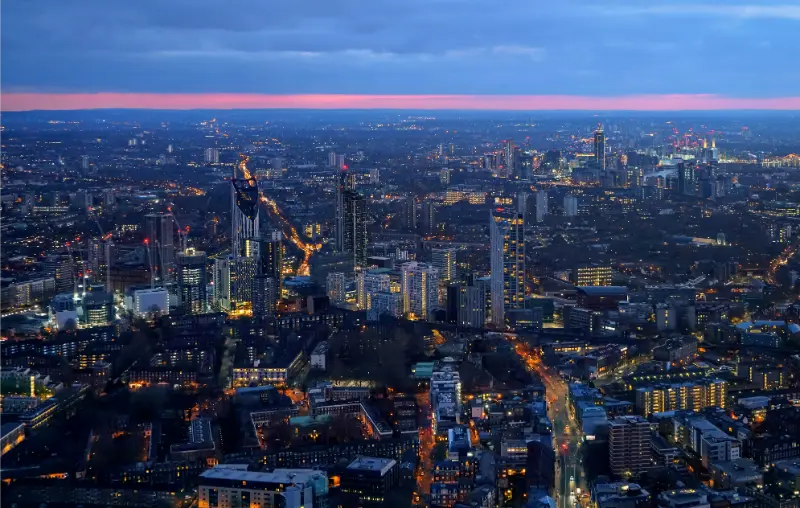
Eating alone in London is easy
Counter seating, pubs, cafés, food halls and pre-theatre dining make solo meals straightforward. If a formal restaurant feels awkward, choose places where the experience naturally focuses on the food or surroundings rather than a long table service ritual. Our London food guide gives you categories rather than a fixed restaurant list that will age quickly.
How to make the trip more social without giving up independence
Use a walking tour, small-group food tour, class or day trip as a social anchor, then keep the rest of the trip independent. This works better than forcing conversation in every pub or hostel. A guided experience gives people a shared topic immediately and has a clear beginning and end.
Evenings: decide your return plan before the event
Theatre is one of the easiest solo evenings because nobody cares whether you arrived with company. Soho and Covent Garden are busy after performances, while the South Bank offers a simple riverside walk. Before going out, check the last practical route back to your accommodation and keep enough battery for navigation and contactless payment.
Solo safety: focus on theft prevention, not fear
The Metropolitan Police advises visitors to keep phones and valuables close, be alert to pickpockets and avoid leaving luggage unattended. Phone snatching can involve riders on bikes or mopeds, especially near roads. These are practical urban risks, not a reason to avoid the city. Our London safety and scams guide goes into more detail and links directly to police advice.
What to carry
- One primary payment method and a backup stored separately.
- A charged phone plus a compact power bank for long sightseeing days.
- Digital and offline copies of key booking details.
- A small zipped bag that is easy to control in crowds.
- A lightweight layer or compact rain protection depending on season.
- The address of your accommodation written somewhere outside your phone.
Day trips when you are alone
Windsor and Oxford are straightforward because the destination has a clear centre and good independent transport. Organised tours can be useful for places with awkward connections, such as a combined Stonehenge day. Compare day trips by train with the dedicated Stonehenge and Bath guide before deciding.
A solo-specific money advantage
You can change plans instantly, eat at off-peak times and take the last remaining single theatre seat, but accommodation has no one to split the room cost with. Budget the hotel first. The London cost guide is especially useful for solo travellers because it separates fixed room costs from flexible daily spending.
Common solo-travel mistakes
- Staying far outside the centre only because the room looks cheaper.
- Overplanning every hour because there is no travel companion to slow you down.
- Keeping your passport, cards and phone together in one bag.
- Avoiding evenings entirely even when theatre or a well-planned central walk would be comfortable.
- Booking large group tours every day and losing the flexibility that makes solo travel enjoyable.
Frequently asked questions
Is London good for a first solo trip?
For many travellers, yes: public transport is extensive, English is widely understood, attractions are easy to visit independently and there are many activities where being alone feels completely normal.
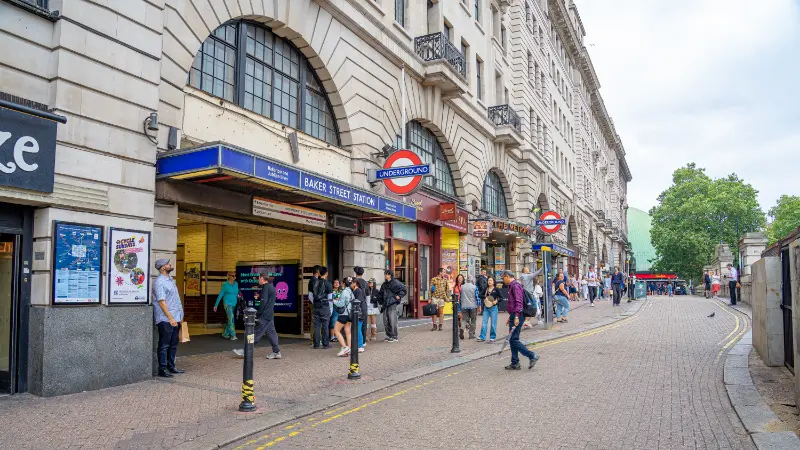
Is it strange to eat alone in London?
No. Cafés, pubs, counters, markets and restaurants regularly serve solo diners, especially in central areas and before theatre performances.
What should I do at night alone?
Choose an activity with a clear setting—West End theatre, a concert, a busy central dinner or an early evening river walk—and know your route back before you start.
The solo-travel advantage
The best part of London alone is the ability to follow curiosity. Stay an extra hour in a gallery, abandon a queue, change neighbourhood because the weather improves or buy one last theatre seat. Plan the safety and logistics carefully, then leave the experience itself flexible.
Photography and phone use when alone
When nobody else is watching your bag, create a simple routine: stop away from the kerb, secure the bag, take the photo, then put the phone away before moving again. Ask another visitor for a photo only when you are comfortable handing over the device, and avoid leaving a phone on café tables near doors or pavements.
A solo rainy-day backup
Keep one flexible museum or gallery near the area you are already visiting. The rainy day London itinerary is useful because it avoids crossing the city only to escape weather. Solo travellers can change plans quickly, which is one of the biggest advantages when showers arrive.
Solo travel is easiest when the neighbourhood does some of the work
Choose areas where you can walk to food, transport and evening activity without repeatedly crossing the city. Bloomsbury, South Bank, Covent Garden, Marylebone and parts of Kensington can all work for different budgets and interests. The best base is not necessarily the busiest one; it is the one that lets you return comfortably after dinner or a show.
Our where to stay guide compares the trade-offs by area rather than assuming every solo traveller wants nightlife.
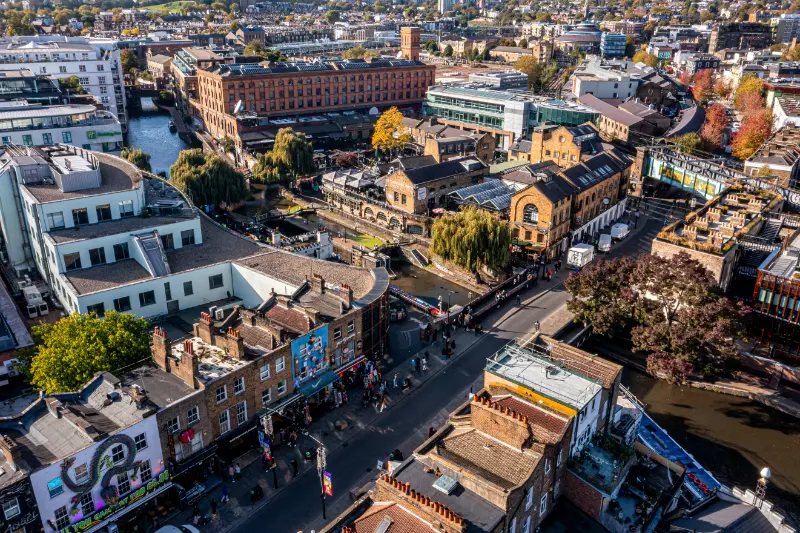
Eating alone is normal—use that freedom
London is one of the easiest cities for solo dining because counter seats, pubs, markets, cafes and pre-theatre restaurants make one-person tables unremarkable. Use the advantage: eat earlier or later than the main rush, sit at the bar where appropriate, or choose a market when you want variety without a formal meal.
Do not force every dinner into a “special” restaurant simply because you are travelling alone. A neighbourhood pub, food hall or casual counter can be more social and less tiring after a long sightseeing day.
Plan evenings around a clear destination
A theatre ticket, concert, guided walk or specific pub gives a solo evening structure. Wandering busy nightlife streets without a plan can feel less comfortable, especially after midnight. Save the route home before you go out, keep your phone secure in crowded areas and avoid walking while staring at navigation.
If you want nightlife, the London nightlife guide compares Soho, Shoreditch, Camden and Brixton.
Solo days can be more ambitious—but protect your energy
You can move faster alone because there is no group negotiation, but that does not mean every day should become a ten-attraction marathon. Use solo flexibility for spontaneous museum detours, long walks and last-minute tickets, then leave one evening deliberately light.
Keep a copy of your accommodation address offline as well; it is useful when battery, signal or concentration fails late in the day.