
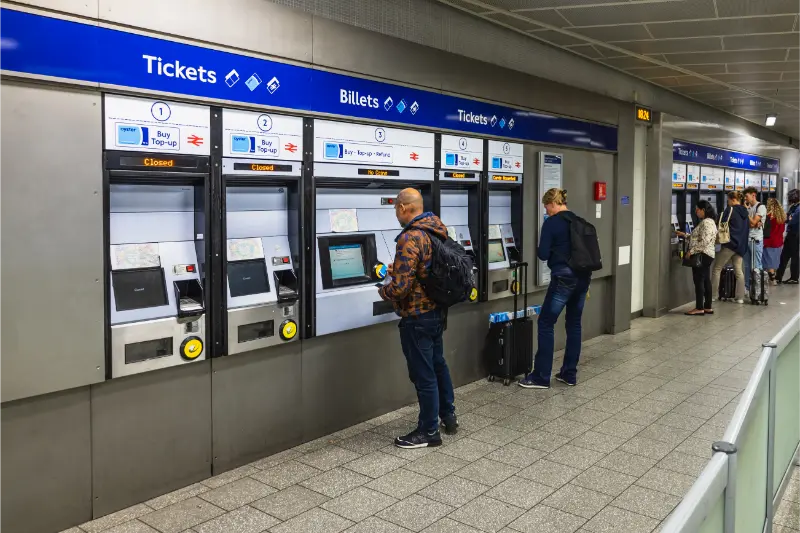
London’s transport map looks complicated because the network is extensive, not because visitors need to master every line. In practice, most trips involve choosing a sensible route, using one payment method consistently and allowing more time than the app’s perfect connection suggests.
This guide focuses on decisions a visitor actually has to make: contactless or Oyster, Tube or bus, when zones matter, how fare capping works and what to do when lifts, lines or stations are disrupted. Always check live service information and current fares on Transport for London before relying on a detail.
London trip at a glance
| Mode | Best use | Remember |
|---|---|---|
| Tube | Fast cross-city journeys | Touch in and out |
| Elizabeth line | Fast east-west travel and Heathrow | Looks like rail; same touch rules |
| Bus | Views, short trips, step-free boarding | Touch in only |
| DLR | Docklands, Greenwich links, London City Airport | Touch in and out |
| London Overground | Useful orbital connections | Touch in and out |
| Walking | Central clusters and river routes | Often faster than one short stop |
Contactless or Oyster?
A contactless bank card or compatible device is usually simplest for an adult visitor. Use the same physical card or the same device throughout the day; a phone wallet and the plastic card linked to it may be treated as different payment tokens. Each passenger needs a separate card or Oyster.
Oyster is useful when your foreign card charges fees, does not work reliably, or when a concession or visitor product makes it appropriate. It requires a balance and may involve an initial card cost. Do not buy it automatically because an old guide says every tourist needs one. Review the current options on TfL fares and payment guidance.
How daily and weekly capping works
Pay-as-you-go travel is capped when eligible journeys using the same payment method reach the relevant limit. The amount depends on zones and services used. This makes spontaneous extra journeys less intimidating, but it does not mean every transport product is included.
Weekly contactless capping normally follows a fixed Monday-to-Sunday period, which may not suit a stay beginning later in the week. For reference, TfL’s current 2026 adult pay-as-you-go cap for Zones 1–2 is £8.90 per day and £44.70 Monday to Sunday; those caps are stated as frozen until 2027. The adult bus/tram pay-as-you-go fare is currently £1.75, with the one-hour Hopper fare using the same payment method. Recheck these figures before travel because fare policy can change.
Touching in and out correctly
At Tube, DLR, Elizabeth line, Overground and most rail stations, touch the yellow reader at the start and end. An open gate does not mean you should skip the reader. Missing a touch can create an incomplete journey and a maximum fare. At interchange readers, follow signage and touch where instructed.
On buses and trams, the procedure differs; on London buses, touch when boarding and do not touch out. Keep the payment method available until you have completed the journey. If an inspector checks, you must present the same card or device used to travel.
When the Tube is best—and when it is not
The Tube is excellent for long central journeys and predictable connections, but it is not automatically fastest for one stop. Station corridors, escalators and waiting time can make a ten-minute walk quicker. In central areas, compare the walking option before descending underground.
Some stations have many stairs or complicated changes. Travellers with luggage, pushchairs or mobility needs should use TfL’s step-free maps and journey planner. ‘Step-free to platform’ and ‘step-free to train’ are not always identical, and a small gap or step may remain.
Why visitors should use buses
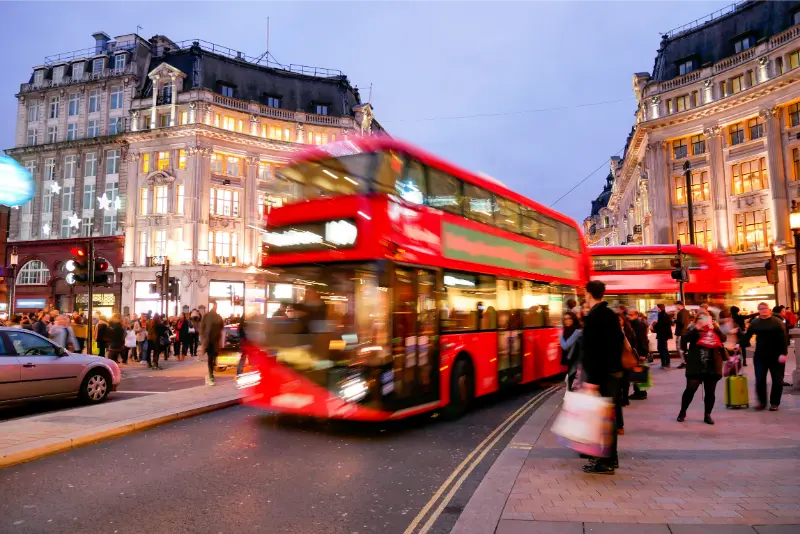
Buses offer street views, frequent stops and step-free boarding. They are useful along routes where the Tube requires an awkward change, and they provide a rest from walking without losing the sense of place. The Hopper fare allows additional eligible bus or tram journeys within the specified time window; confirm current rules on TfL.
Traffic makes buses slower at peak times, so do not use a long bus journey before a timed entry. Signal your stop in advance and watch the route display. Night buses are valuable after late events, but check the stop location because road works can move it.
Zones without the confusion
Most first-time sightseeing happens in Zones 1 and 2, while Heathrow lies farther out and several interesting districts sit beyond the core. Zones mainly affect fares; they are not a measure of neighbourhood quality or walking distance. A Zone 2 hotel near a fast line can be more convenient than a Zone 1 hotel with poor connections.
You do not need to memorise boundaries. Enter your journey in the official planner and use one payment method. Be careful with routes that combine National Rail and TfL services, and check whether a special airport product follows normal capping rules.
Walking, cycling and river services
Walking is part of London transport. Westminster, Covent Garden, Soho and the South Bank contain clusters that are easier on foot than by repeated Tube journeys. Save offline map areas and keep a rough sense of the river, which helps orientation.
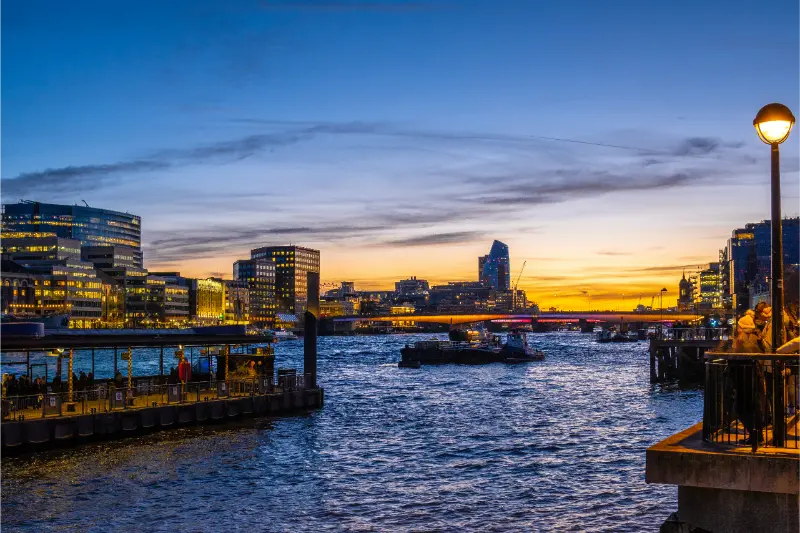
Santander Cycles can be useful for confident urban cyclists, but central traffic is not a beginner lesson. River boats provide views and practical connections on selected routes, yet their fares and caps differ from the Tube. Treat the boat as a chosen experience rather than assuming it is included.
Plan for disruptions
Check the live TfL status before leaving, particularly at weekends when engineering work is common. A route planner may update, but knowing one alternative station makes changes less stressful. If a lift is essential, verify its status too.
Build ten or fifteen minutes around timed attractions and more around airport travel. Download or screenshot the confirmation address; venue names can have several entrances. Our first-time London guide explains how to group days so one disrupted line does not ruin the itinerary. For arrival journeys use the airport transfer guide, and travellers who need step-free routes should keep the Accessible London guide alongside TfL’s live tools.
Station etiquette and easier journeys
Stand on the right of escalators and walk on the left where signs indicate. Move away from ticket gates before stopping to check a phone, and let passengers leave trains before boarding. These habits are not merely local etiquette; they reduce stress and keep a group together in busy stations.
During peak periods, allow one train to go if the carriage is uncomfortably crowded. The next service is often close behind. Keep backpacks controlled, remove them if necessary and prepare to exit before the doors open. If your group becomes separated, agree in advance to meet on the platform at the next station rather than making impulsive moves.
Use the correct station exit when the app supplies one. Large stations can release you several streets from the intended route, and some exits are closed at certain times. Look for wayfinding signs before relying on GPS underground, where the location can drift.
For accessible travel, the TfL planner can filter routes, but live lift status still matters. Ask staff when unsure; they are accustomed to helping visitors. A bus may provide a simpler alternative to a nominally faster journey with multiple deep-level changes.
Common mistakes to avoid
- Switching between phone, watch and physical card during the same travel day.
- Forgetting to touch out when gates are open.
- Using one contactless card for multiple adults.
- Taking the Tube for a journey that is a short, pleasant walk.
- Assuming river services and airport expresses follow the same cap as normal Tube travel.
The transport mistake that creates the most avoidable cost is switching payment media during the same day. If you start with a contactless card, keep using that same physical card—or the same phone/watch token—so TfL can apply the correct capping. A bank card and the same card loaded into a phone are treated as different payment methods. Also remember that rail journeys usually require both touch-in and touch-out even when the gates are open.
Practical planning checklist
- Confirm opening days and last admission on official websites.
- Save bookings and the accommodation address for offline access.
- Check the live TfL journey planner before leaving each morning.
- Keep one indoor and one outdoor option in the same area.
- Use the same contactless card or device consistently for eligible journeys.
- Allow time for security, meals, station corridors and unplanned discoveries.
For a normal sightseeing day, decide on the route rather than buying a transport product out of habit. Most adult visitors can simply use pay as you go. Check whether your bank charges foreign transaction fees, keep a backup payment method and download TfL Go for live status and step-free routing. Travelcards and Oyster still have use cases, but they should solve a specific need.
Frequently asked questions
Can two people share one Oyster card?
Not for simultaneous travel. Each person needs their own valid payment method.
Do children travel free?
Rules depend on age, service and whether they travel with an adult. Some concessions require an Oyster photocard. Check TfL for the child’s exact age before travel.
Is the Tube safe at night?
It is widely used, but apply normal city awareness, stay in populated areas and check the final service. Night Tube operation is limited to specified lines and nights.
What if I am charged a maximum fare?
Use your contactless or Oyster account, or TfL support, to review incomplete journeys. Keep the exact card or device details available.
Final thoughts
London transport becomes simple after the first two journeys: use one payment method, read the signs, allow time for interchanges and do not treat the Tube as the only option. Buses reveal the streets, the DLR changes the view of east London, and walking is often fastest inside compact clusters such as Westminster or Soho.
TfL fares and caps are periodically revised; use TfL’s fare pages and Single Fare Finder for the exact prices that apply on your travel date.
Transport planning for budget and accessibility
For the spending side of TfL capping, see our London budget guide. If step-free access, lifts, platform gaps or lower-stress routes matter to your trip, use the dedicated Accessible London guide.
Thinking about driving instead?
If part of your trip needs a rental car, read our driving in London guide before collecting it. Congestion Charge, ULEZ, parking and tunnel charges can matter more than the rental price.
Night services and disruption planning
For late journeys and service problems, use our guides to London night transport and strikes, closures and disruptions.