

The best things to do in London are not all attractions. Some require a ticket and a security queue; others happen while you walk between two places and notice a hidden courtyard, an old pub or a sudden view of the river. A good London trip mixes both kinds.
This selection is organised by experience rather than popularity ranking. It helps first-time visitors choose the icons that deserve time while also making space for museums, neighbourhoods and slower moments. Opening arrangements and prices change, so use the linked official websites before reserving a fixed slot.
London trip at a glance
| Experience | Why it belongs | Typical time |
|---|---|---|
| Westminster walk | The classic royal and political skyline | 2–4 hours |
| Tower of London | Layered history and Crown Jewels | 2–3 hours |
| Thames walk | Free views and flexible stops | 1–4 hours |
| Major museum | World-class collections, often free | 2–3 hours |
| Neighbourhood market | Food and local atmosphere | 1–2 hours |
| Royal park | Space, gardens and a slower pace | 1–3 hours |
See Westminster on foot
Begin around Green Park or Victoria and connect Buckingham Palace, St James’s Park, Parliament Square and the Thames. Walking reveals how close the ceremonial core actually is. Check official schedules if you hope to see a guard ceremony; arriving at random can mean waiting in a crowd for an event that is not taking place.
Westminster Abbey is the major interior visit in this cluster. If its history and architecture are priorities, reserve enough time instead of squeezing it between photographs. Parliament tours and access vary by date. The exterior route remains rewarding and costs nothing, especially early in the morning or when evening light reaches the river.
Enter the Tower of London and cross Tower Bridge
The Tower is one of the paid sights that can justify both its cost and a large part of a morning. Go near opening, see the Crown Jewels before queues peak, then explore the walls, towers and stories that interest you most. The official Historic Royal Palaces site publishes tickets, access information and planned closures.
Tower Bridge is often confused with London Bridge. Walking across Tower Bridge at road level is free; the exhibition and glass walkways require a ticket. From the south bank, continue towards Shad Thames or west towards Borough Market. This area combines naturally with the City rather than with far-west attractions such as Kensington.
Walk the Thames instead of only riding under it
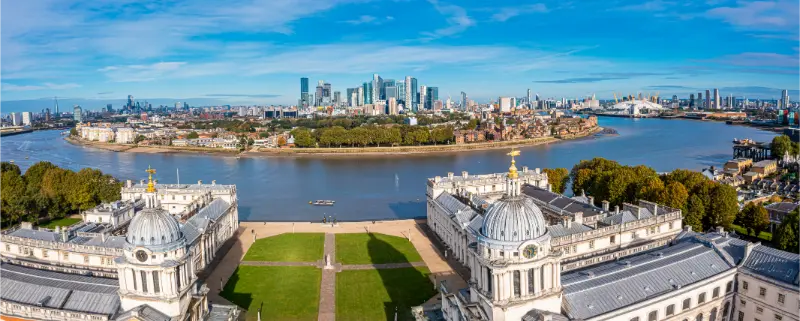
The Thames provides London’s clearest orientation line. The South Bank between Westminster and Tower Bridge offers theatre buildings, Tate Modern, views of St Paul’s, historic wharves and several pedestrian bridges. You can walk a short section or make it the spine of an entire day.
A river boat changes the perspective and can also serve as transport, but check whether the fare is included in any product you plan to use. If your budget is tight, crossing bridges and walking the embankments delivers many of the same skyline moments for free. Our free London guide includes several river-based routes.
Choose a museum with intention
The British Museum, National Gallery, Natural History Museum, Science Museum, Tate Modern and V&A could each occupy most of a day. General collections at the major national museums are normally free, while temporary exhibitions may charge. Choose one according to curiosity, not obligation, and identify a few rooms before arrival.
Families often enjoy the Natural History Museum and Science Museum, but busy galleries can be intense. Adults interested in design may prefer the V&A, while art lovers can pair the National Gallery with Trafalgar Square. Always check the official site for recommended booking, bag rules and gallery closures.
Experience at least one market
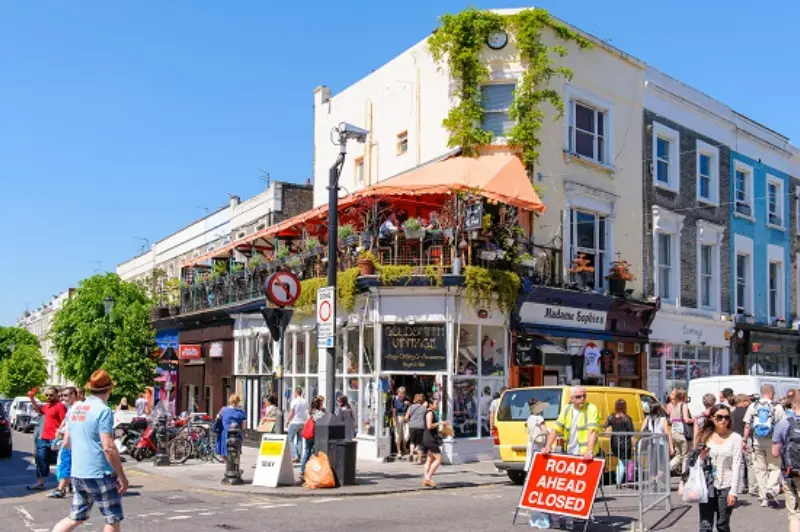
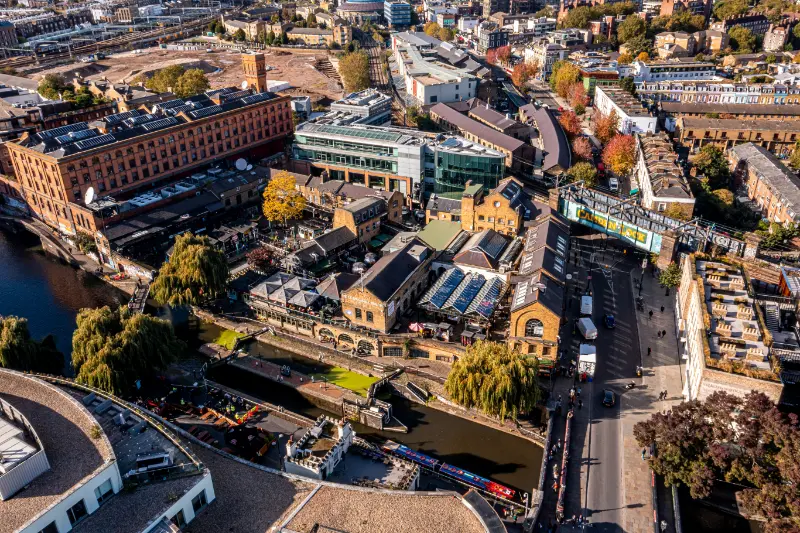
Borough Market is convenient for a food-focused stop near the Thames, but it becomes crowded around lunch. Camden offers a larger, more commercial mix beside the canal. Portobello Road changes character according to the day, while Greenwich combines stalls with maritime sights and a park. Spitalfields works well with the East End and City.
A market is best treated as part of its neighbourhood, not an isolated attraction. Arrive before the busiest meal period, browse first and then choose food. Check trading days because a market name can refer to a district that remains lively even when not every stall is present.
Spend time in a park
St James’s Park fits naturally into a Westminster day. Hyde Park and Kensington Gardens suit a longer west-London pause. Regent’s Park combines formal gardens with routes towards Primrose Hill, while Greenwich Park rewards the climb with a famous city view. Richmond Park is a destination of its own and requires more travel.
Parks are useful itinerary buffers: they do not punish late arrival, and you can shorten or lengthen the visit. They are also where a packed sightseeing plan begins to feel like a holiday. Respect wildlife, keep distance from deer and confirm park notices through The Royal Parks.
Explore one neighbourhood beyond the monuments
Notting Hill, Hampstead, Greenwich, Shoreditch, Richmond and Brixton offer very different versions of London. Pick one that matches your interests. A neighbourhood visit should include ordinary streets and local businesses, not only the most photographed corner.
Allow time to wander but use a loose route so that you do not finish far from a useful station. Early morning suits residential streets; late afternoon and evening are better for food districts. Our area guide also explains which neighbourhoods make practical bases.
Add a London evening
A West End performance is the obvious choice, but it is not the only one. Consider live music, a small theatre, an evening museum opening, a riverside walk or a historic pub. Book a specific production if it matters; otherwise, keep one night open for weather and energy.
After dark, use well-lit routes and plan the journey back before the last part of the evening. Night buses cover the city, and some rail services run later on selected lines and nights, but never assume your daytime route operates identically overnight. Check TfL on the day.
How to choose between similar experiences
London offers several versions of the same broad experience: historic church interiors, skyline viewpoints, food markets, royal sites and modern art spaces. Paying for every version rarely adds proportionate value. Choose one lead experience in each category, then enjoy the others from outside or save them for a future visit.
For a view, decide whether you want height, history or atmosphere. For a market, decide whether food, antiques or neighbourhood character is the priority. For royal London, decide whether an interior visit matters or the ceremonial streets are enough. These small questions turn a long attraction list into a trip that reflects your interests.
Also consider the emotional rhythm of the day. Two security-heavy attractions in succession can feel tiring even when both are excellent. Follow an intense historic site with a park, market or river walk. Alternate looking at exhibits with moving through the city; this is how London remains vivid instead of becoming a sequence of queues.
If you are travelling with other people, give each person one protected choice. Combine those choices geographically, but do not let the loudest traveller design every day. Shared trips work better when everyone knows that at least one experience belongs to them.
Common mistakes to avoid
- Selecting attractions from a generic top-ten list without matching them to personal interests.
- Paying for several skyline viewpoints when one carefully chosen view is enough.
- Visiting markets at peak lunch time with luggage or a large group.
- Trying to complete an entire national museum in one visit.
- Forgetting that many rewarding London experiences are free and outdoors.
Do not turn a ‘best things to do’ list into a shopping basket. Choose experiences from different categories: one major historic interior, one museum, one river or skyline experience, one park and one neighbourhood where you can simply walk. That produces contrast. Five paid attractions back-to-back can cost more, involve more queues and tell you less about London than a day that mixes one ticketed anchor with streets, markets and public spaces.
Practical planning checklist
- Confirm opening days and last admission on official websites.
- Save bookings and the accommodation address for offline access.
- Check the live TfL journey planner before leaving each morning.
- Keep one indoor and one outdoor option in the same area.
- Use the same contactless card or device consistently for eligible journeys.
- Allow time for security, meals, station corridors and unplanned discoveries.
When comparing tickets, ask what the experience adds that you cannot get from the pavement. Tower of London history, a dome climb at St Paul’s or a timed exhibition can justify advance booking; a neighbourhood does not need an entry slot. Book the scarce experience and leave the surrounding hours open enough to follow the city.
Tours and tickets worth comparing
For ticketed attractions or specialist experiences, browse London attraction experiences on GetYourGuide. Use it as a comparison tool after deciding what you actually want to see.
Frequently asked questions
What is the one attraction I should book?
For many first-time visitors, the Tower of London is the strongest all-round historic choice. Your answer may be different if royal history, art, theatre or Harry Potter is the main reason for the trip.
Are London museums really free?
Many national museums offer free general admission, though donations are welcomed and special exhibitions often require paid tickets. Entry arrangements can change.
What can I do on a rainy day?
Use a major museum, covered market, gallery, cathedral or theatre. Avoid travelling across the city solely to escape a shower; London weather can change quickly.
Do I need a sightseeing bus?
It can help visitors who want commentary or need to reduce walking, but regular buses and well-planned neighbourhood routes are cheaper. Compare the experience, not only the route map.
Final thoughts
The best London experiences are not all famous for the same reason. Some give you history, others scale, food, music, art or simple atmosphere. Build a trip around those differences and the city feels much richer than a ranking of attractions from one to twenty.
Opening arrangements and ticket rules vary by venue, so use official attraction pages for time-sensitive details even when the broader recommendations in this guide remain valid.
If you are visiting without companions, the practical questions are slightly different: dining alone, evening planning and hotel location matter more. Our solo travel in London guide covers those details separately.
London for couples
If you are planning a weekend as a couple, do not build the trip only around expensive “romantic” attractions. Our Romantic London guide combines walks, views, food and neighbourhoods with a slower pace that works better than a checklist.
Should you buy a sightseeing pass?
Before bundling several paid attractions, compare their individual prices and your real route in our London attraction passes guide. The pass should fit the attractions you already want, not decide your itinerary for you.
For deeper planning beyond the headline icons, see our new guides to Palace of Westminster Royal Albert Hall Design Museum Wallace Collection Courtauld Gallery Royal Academy of Arts HMS Belfast Somerset House Barbican Centre Royal Mews.
For deeper local exploration beyond the central icons, use our London neighbourhoods guide and the new district guides for Hackney and Dalston, Peckham and Nunhead, Clapham London, Hammersmith London, Chiswick London, Ealing London, Stratford London, Fulham and Parsons Green, Walthamstow London, Whitechapel and Aldgate.
More detailed London guides
- Stonehenge Day Trip from London: Independent Train Route, Tours and a Realistic Plan
- White Cliffs of Dover Day Trip from London: Train, Walks, Castle and a Realistic Plan
- Houses of Parliament London: Tours, Big Ben and How to Visit the Palace of Westminster
- Design Museum London: Free Collection, Exhibitions and Visitor Guide
- Wallace Collection London: Free Art, Armour and a Smarter Visit
- Royal Academy of Arts London: Exhibitions, Summer Show and Visitor Tips
- HMS Belfast London: Tickets, Decks and How to Visit the Warship
- Barbican Centre London: Architecture, Conservatory and What to See
- Royal Mews Buckingham Palace: Gold State Coach, Tickets and Visitor Guide