
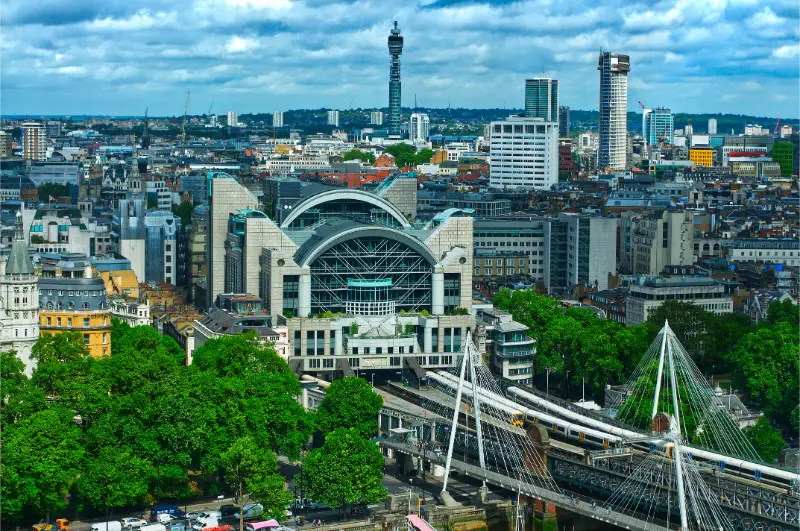
London makes more sense when you stop treating it as one enormous centre and start seeing it as a collection of neighbourhoods. Westminster feels ceremonial, Soho compact and restless, Bloomsbury bookish, Shoreditch creative, Greenwich maritime, Hampstead almost village-like. For a first visit, this approach also saves time: instead of crossing the city repeatedly, group sights, meals and walks into one area at a time. If you are still planning the basics, start with our first-time London guide and transport guide.
Westminster and St James’s: the ceremonial core
This is the London of Parliament, Westminster Abbey, Buckingham Palace, Whitehall and royal parks. The mistake is rushing between icons without walking the smaller connective spaces. From Parliament Square, walk through St James’s Park rather than taking the Tube for one stop; continue toward The Mall, St James’s and Piccadilly. Early morning is especially rewarding because the streets are calmer and the architecture is easier to appreciate.
Allow at least half a day if you want interiors rather than photographs from outside. Westminster Abbey, Churchill War Rooms and major royal attractions can absorb hours. Build around one paid attraction, then use parks and streets as the thread connecting it.
- Best for: first-time visitors, royal history and landmark photography.
- Good pairing: Westminster → St James’s Park → Piccadilly → Covent Garden on foot.
- Avoid: scheduling several timed attractions back-to-back with no walking buffer.
Soho, Covent Garden and Seven Dials: central London at street level
These areas are close on the map but have different personalities. Covent Garden is polished and performance-heavy, Seven Dials is a useful pedestrian crossroads, and Soho remains one of the best places to see how central London changes block by block. Walk rather than ride: the value is in side streets, old pubs, theatres, music history and small food businesses.
For dinner, book only when you have a specific destination in mind. Otherwise, keep some flexibility. A spontaneous meal in Chinatown, Soho or Fitzrovia can be more enjoyable than zig-zagging across London for a viral restaurant.
- Best for: evenings, theatre, food and people-watching.
- Useful stations: Leicester Square, Tottenham Court Road, Piccadilly Circus and Covent Garden.
- Quieter alternative: walk north into Bloomsbury after the West End crowds build.
Bloomsbury: museums, squares and a calmer central base
Bloomsbury is one of the most useful areas for travellers who want central access without spending every hour among the busiest tourist streets. The British Museum is the obvious anchor, but the neighbourhood’s squares, university buildings and bookshops reward slow exploration. Russell Square, Bedford Square and nearby streets make a pleasant contrast to Oxford Street.
It also works well as an accommodation base because several Tube lines and major rail terminals are accessible without being directly inside the West End nightlife zone. Compare it with the areas in our where to stay in London guide.
Shoreditch and Spitalfields: street art, markets and old East End layers
Shoreditch is often reduced to street art and nightlife, but the more interesting visit combines modern creative London with older East End streets. Start around Spitalfields, walk through Brick Lane, then drift toward Shoreditch High Street rather than following a rigid checklist. Look up: shopfronts, former warehouses and surviving historic buildings tell as much of the story as murals.
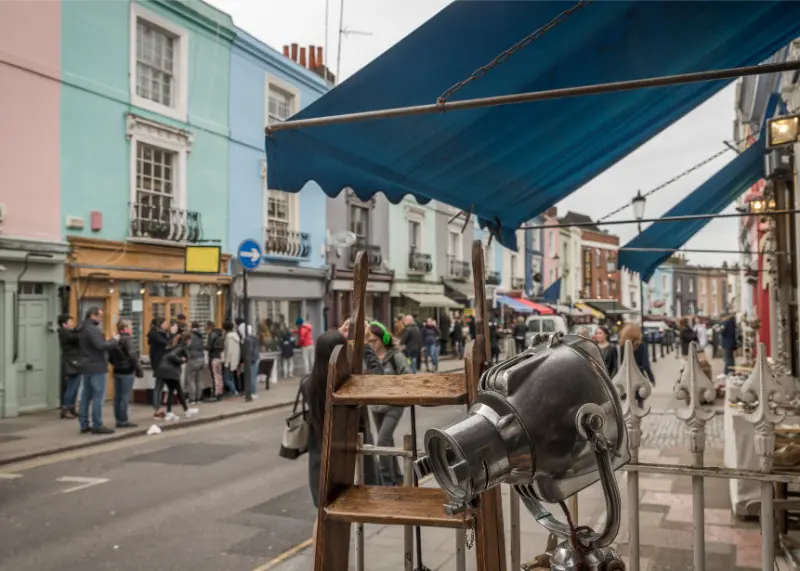
Weekends are livelier but also busier. If photography matters, a weekday morning is easier. Market schedules vary, so check the individual market before making a special journey.
- Best for: street photography, vintage shopping, casual food and nightlife.
- Pair with: the City of London or a walk toward Columbia Road when market days align.
- Do not assume every ‘street art’ work is permanent; walls change constantly.
Greenwich: a London day that feels like a separate town
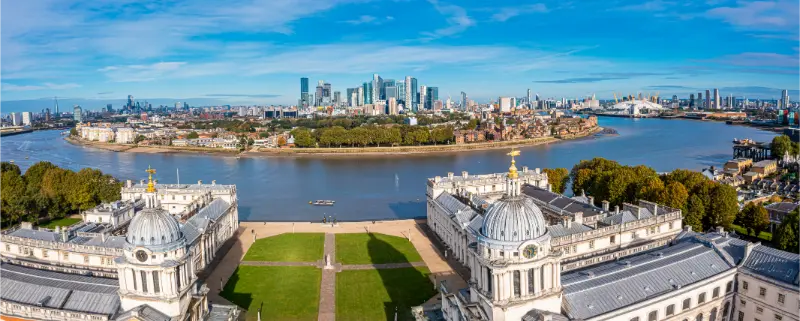
Greenwich is one of the easiest ways to make a London trip feel broader without leaving London. The maritime core, market, Cutty Sark area, Old Royal Naval College and Greenwich Park sit within a compact zone. The hill in Greenwich Park gives a famous skyline view; the Royal Parks notes that the park also has a quieter viewpoint at One Tree Hill.
The most satisfying arrival is often by river, because the changing skyline becomes part of the experience. Return by DLR to see a different side of east London. This creates a journey rather than a simple out-and-back attraction visit.
- Allow: half a day at minimum; a full day if entering museums and the Observatory.
- Good for: families, photography, maritime history and a slower pace.
- Official park information: Greenwich Park.
Hampstead and Richmond: when you need a break from central London
Hampstead and Richmond show why repeat visitors often fall in love with outer London. Hampstead combines village streets, historic houses and the Heath; Richmond combines a riverside centre with one of Europe’s most remarkable urban parks. Richmond Park covers about 2,500 acres and is a National Nature Reserve, so it is not a quick ornamental park stop.
These areas work best when you stop chasing landmarks. Give them several hours, wear comfortable shoes and let the day be about walking, lunch and landscape.
- Choose Hampstead for: north London atmosphere, viewpoints and literary associations.
- Choose Richmond for: river walks, deer habitat and a full green-space day.
- In Richmond Park, keep a respectful distance from deer and follow park guidance.
A simple rule for planning neighbourhood days
Pick one anchor attraction, one meal area and one long walk. That is usually enough. London rewards spare time because a mews, churchyard, market lane or riverside detour often becomes more memorable than the tenth scheduled stop. If you have only three days, use our realistic three-day itinerary as the backbone and add neighbourhood depth where your interests are strongest.
Marylebone and Fitzrovia: central without feeling constantly touristy
Marylebone is one of the most useful neighbourhoods for travellers who want to stay or spend time near the West End without living inside its busiest streets. Marylebone High Street, the streets around Manchester Square and the approach to Regent’s Park feel markedly calmer than Oxford Street only a short walk away. It is also a practical bridge between our Marylebone guide, the Wallace Collection, Regent’s Park and the shopping corridor around Oxford Circus.
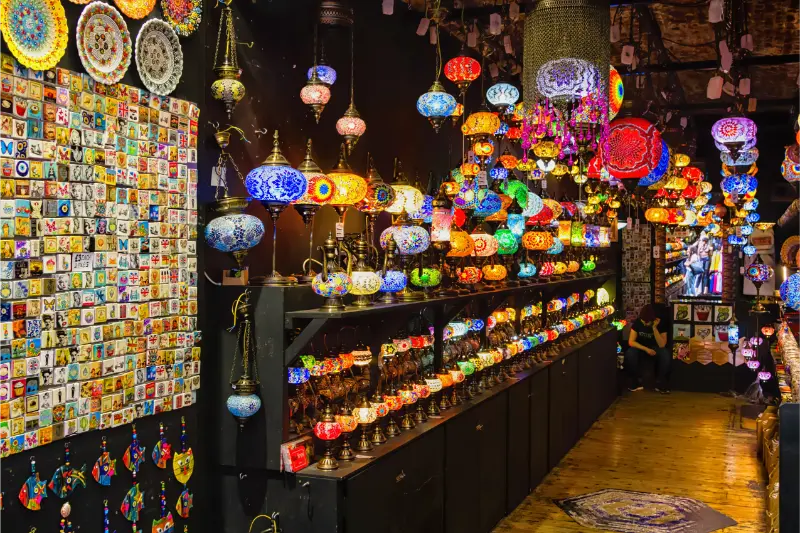
Fitzrovia, east of Marylebone, is less visually uniform but excellent for eating and for moving between Bloomsbury, Soho and Regent’s Park. The area works well when you have a museum or theatre booking later in the day and want a neighbourhood with cafes, small restaurants and streets that reward wandering without requiring a separate sightseeing mission.
- Choose Marylebone for: a polished but relatively calm central atmosphere.
- Choose Fitzrovia for: food, an easy walk to Soho and practical access to several central districts.
- Pair them with: Regent’s Park, the Wallace Collection or the northern West End.
Kensington and Chelsea: museums first, residential London second
South Kensington is an obvious museum hub, but the broader Kensington and Chelsea area is more interesting when you let the day expand beyond Exhibition Road. After the Natural History Museum, Science Museum or V&A, walk toward Kensington Gardens, Kensington High Street or the quieter residential streets to the south. Our Kensington guide and Chelsea guide show how to turn a museum visit into a full neighbourhood day.
Chelsea is better for a slower afternoon than for a checklist. King’s Road is the obvious spine, but side streets, garden squares and the Thames matter just as much. If your London trip is already heavy on Westminster and the City, west London gives you a different scale: fewer monumental sights, more architecture, shops, cafes and residential detail.
Camden, King’s Cross and the canal: three versions of north-central London
Camden is loud, commercial and crowded at peak times, but it becomes more rewarding when you connect it to Regent’s Canal, Primrose Hill or the walk toward King’s Cross. Our Camden guide is designed around exactly that approach. King’s Cross, meanwhile, has changed from a transport-only zone into a destination with Coal Drops Yard, Granary Square and canal-side public space. See our King’s Cross and St Pancras guide for a route that works even if you are not catching a train.
The canal is the useful connective tissue. A visitor who sees Camden only as a market and King’s Cross only as a station misses how walkable this part of London can be. If the weather is good, use the water as your route and save the Underground for the longer jump back to your hotel.
Brixton and south London: go for a distinct London story, not a checklist
Brixton is worth visiting because it adds music, market culture and Black British history to a London itinerary that can otherwise become very west-and-centre focused. It is not a neighbourhood to rush through for one photograph. Start around Brixton Market and the covered arcades, notice the music references and murals, and give yourself time to eat. Our Brixton guide explains the area in more depth.
For a first visit of only two or three days, Brixton may be a lower priority than Westminster or Greenwich. On a longer trip, however, it helps correct the false impression that London is mostly palaces, Georgian squares and museums. The city’s identity is also shaped by post-war migration, music scenes, markets and neighbourhoods far beyond Zone 1.
How to choose the right neighbourhood for the time of day
Some areas work best in the morning, others after dark. Westminster is easier before the main sightseeing crowds; markets often reward an earlier start; Soho, Chinatown and Covent Garden become more interesting from late afternoon into evening; Richmond and Hampstead are better when you have enough daylight for parks and walking. This matters more than trying to rank one neighbourhood above another.
A useful planning rule is to give each day a geographical identity. For example: Westminster + St James’s; South Kensington + Kensington Gardens; City + Tower Hill; Shoreditch + Brick Lane; Greenwich on its own; or Camden + Regent’s Canal. This reduces transport time and makes meals easier because you can choose places where you already are instead of crossing London for a single reservation.
Neighbourhood businesses, markets and transport patterns evolve quickly; use current venue and TfL information when a specific stop is essential to your route.
A guided neighbourhood walk can add context
For areas where social, music or migration history matters, compare neighbourhood walking tours on GetYourGuide. Choose a specialist route rather than a generic central-London highlights walk.
Shopping and nightlife by area
Two activities where neighbourhood choice matters most are shopping in London and London nightlife. Both guides explain which districts fit different styles.
Two more neighbourhoods worth understanding
Go south for markets, music and Black British history with our Brixton guide. In the West End, use our Chinatown and Leicester Square guide to connect food, Soho and theatreland.
More London neighbourhoods to explore
- Canary Wharf & Docklands
- Bloomsbury
- St James’s
- Battersea & Nine Elms
- St John’s Wood & Abbey Road
- Islington & Angel
- Clerkenwell & Smithfield
- Bermondsey
- Paddington
- Spitalfields & Liverpool Street
More London neighbourhood guides
Ten new in-depth neighbourhood guides cover areas that previously had accommodation advice but no full visitor itinerary: Hackney and Dalston Peckham and Nunhead Clapham London Hammersmith London Chiswick London Ealing London Stratford London Fulham and Parsons Green Walthamstow London Whitechapel and Aldgate. Each guide focuses on what to see, how to walk the area, transport, food, practical timing and how the district connects with the rest of London.
More detailed London guides
- St John's Wood and Abbey Road: Beatles, Lord's and a Quiet North London Walk
- Islington and Angel London: Upper Street, Camden Passage, Canal and Local Theatre
- Bermondsey London: Maltby Street, Galleries, Warehouses and a Better Riverside Route
- Peckham and Nunhead London: Rooftop Art, Rye Lane, Parks and a Local South London Day
- Clapham London: Common, Old Town, Venn Street and a Relaxed South London Day
- Ealing London: Pitzhanger Manor, Walpole Park, Film History and a Local West London Day
- Stratford London: Olympic Park, V&A East, Sport and a Modern East London Day
- Fulham and Parsons Green London: Palace, Parks, Football and Thames Walks
- Walthamstow London: Market, William Morris, Village and Wetlands
- Whitechapel and Aldgate London: Art, Brick Lane, Markets and East End History