
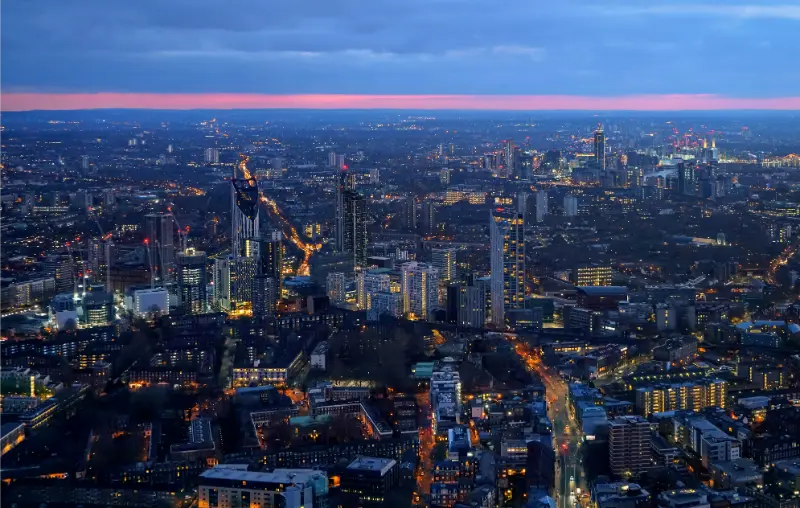
For a first London trip, the best area is not simply the neighbourhood with the highest hotel rating. It is the place that makes your specific itinerary easier. A cheap room can be expensive in time if every day starts with a 45-minute journey; a famous postcode can be frustrating if the nearest station is awkward for the places you actually want to see.
The general where to stay in London guide compares the city broadly. This article narrows the decision to one type of traveller, because the best base changes when your priorities change.
Quick comparison
| Area | Best for | Main strength | Trade-off |
| Westminster / Victoria | Best for a landmark-heavy first visit | Walkable to Buckingham Palace, Westminster and St James’s; strong airport and rail connections from Victoria. | Can feel businesslike at night and hotel prices rise quickly. |
| South Bank / Waterloo | Best for river atmosphere and family sightseeing | Easy for London Eye, South Bank, Borough Market and river walks. | Some streets become very busy around major attractions. |
| Covent Garden / Soho | Best for theatre, restaurants and evenings on foot | Excellent for West End, Chinatown, Trafalgar Square and central walks. | Noise and smaller rooms can be trade-offs. |
| Bloomsbury / Russell Square | Best value-to-location balance for many first-timers | Close to British Museum and convenient for King’s Cross, Covent Garden and multiple Tube lines. | Less postcard-London outside the squares. |
| South Kensington | Best for museums and a calmer base | Natural History Museum, Science Museum and V&A on the doorstep. | Less convenient for East London nightlife. |
Westminster / Victoria
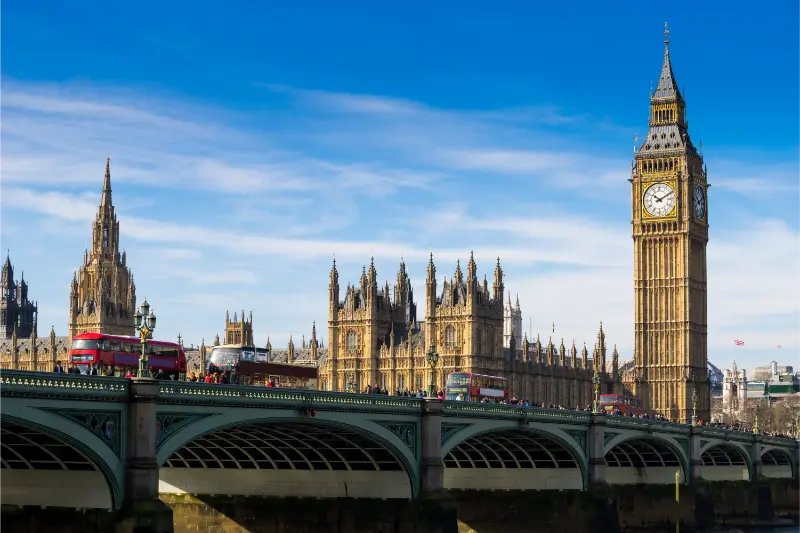
Westminster / Victoria works particularly well for best for a landmark-heavy first visit. Walkable to Buckingham Palace, Westminster and St James’s; strong airport and rail connections from Victoria. The main compromise is simple: can feel businesslike at night and hotel prices rise quickly. That trade-off is acceptable when it matches the way you plan to spend your days.
Do not choose by district name alone. Check the exact hotel pin, the nearest station entrance and whether your likely route involves lifts, stairs or a change. In London, five minutes on the wrong side of a large station can feel very different with luggage, a stroller or after a late show.
Hotels worth comparing: The Clermont London, Victoria (very convenient for Victoria Station and short city breaks); Riu Plaza London Victoria (modern option that works well for sightseeing and transport); and Rubens at the Palace (more traditional higher-end stay beside Buckingham Palace). Hotel prices and room types change by date, so compare the exact room, cancellation terms and recent reviews before booking.
South Bank / Waterloo
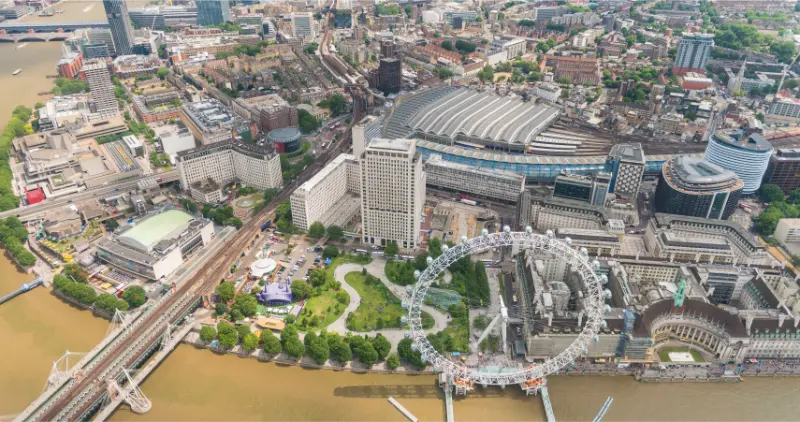
South Bank / Waterloo works particularly well for best for river atmosphere and family sightseeing. Easy for London Eye, South Bank, Borough Market and river walks. The main compromise is simple: some streets become very busy around major attractions. That trade-off is acceptable when it matches the way you plan to spend your days.
Do not choose by district name alone. Check the exact hotel pin, the nearest station entrance and whether your likely route involves lifts, stairs or a change. In London, five minutes on the wrong side of a large station can feel very different with luggage, a stroller or after a late show.
Hotels worth comparing: Park Plaza County Hall London (family-friendly base near the London Eye and Waterloo); London Marriott Hotel County Hall (higher-end choice for landmark views and a special stay); Novotel London Waterloo (practical mid-range option for families and sightseeing); and Ruby Lucy Hotel London (more design-led option close to Waterloo and the South Bank). Hotel prices and room types change by date, so compare the exact room, cancellation terms and recent reviews before booking.
Covent Garden / Soho
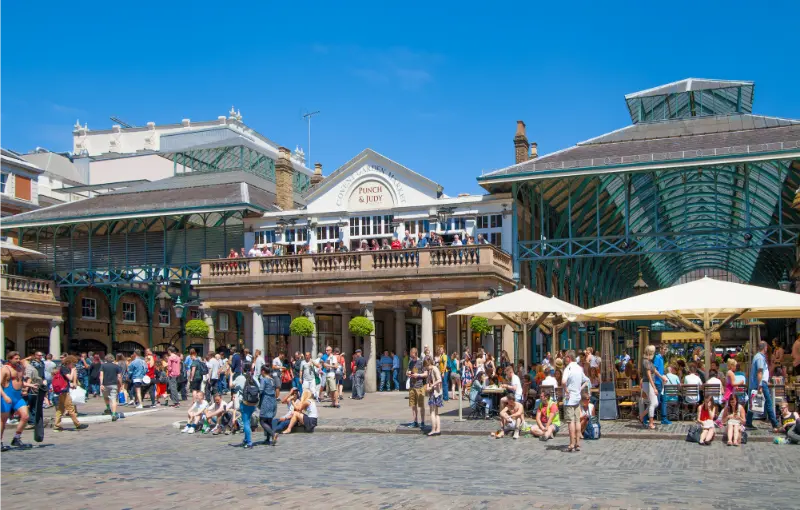
Covent Garden / Soho works particularly well for best for theatre, restaurants and evenings on foot. Excellent for West End, Chinatown, Trafalgar Square and central walks. The main compromise is simple: noise and smaller rooms can be trade-offs. That trade-off is acceptable when it matches the way you plan to spend your days.
Do not choose by district name alone. Check the exact hotel pin, the nearest station entrance and whether your likely route involves lifts, stairs or a change. In London, five minutes on the wrong side of a large station can feel very different with luggage, a stroller or after a late show.
Hotels worth comparing: The Resident Covent Garden (well-located boutique option for theatres and first visits); NoMad London (luxury design-led choice in the heart of Covent Garden); The Resident Soho (central boutique option that keeps most of the West End walkable); and Hazlitt's (characterful historic choice for couples and repeat visitors). Hotel prices and room types change by date, so compare the exact room, cancellation terms and recent reviews before booking.
Bloomsbury / Russell Square
Bloomsbury / Russell Square works particularly well for best value-to-location balance for many first-timers. Close to British Museum and convenient for King’s Cross, Covent Garden and multiple Tube lines. The main compromise is simple: less postcard-london outside the squares. That trade-off is acceptable when it matches the way you plan to spend your days.
Do not choose by district name alone. Check the exact hotel pin, the nearest station entrance and whether your likely route involves lifts, stairs or a change. In London, five minutes on the wrong side of a large station can feel very different with luggage, a stroller or after a late show.
Hotels worth comparing: The Bloomsbury Hotel (upscale central option close to the British Museum and West End); The Montague on the Gardens (boutique-style choice on a quieter garden-square setting); and Royal National Hotel (large practical option that can work for families and value-conscious stays). Hotel prices and room types change by date, so compare the exact room, cancellation terms and recent reviews before booking.
South Kensington
South Kensington works particularly well for best for museums and a calmer base. Natural History Museum, Science Museum and V&A on the doorstep. The main compromise is simple: less convenient for east london nightlife. That trade-off is acceptable when it matches the way you plan to spend your days.
Do not choose by district name alone. Check the exact hotel pin, the nearest station entrance and whether your likely route involves lifts, stairs or a change. In London, five minutes on the wrong side of a large station can feel very different with luggage, a stroller or after a late show.
Hotels worth comparing: The Ampersand Hotel (boutique choice close to South Kensington station and museums); The Milestone Hotel Kensington (luxury option near Kensington Gardens); The Bailey's Hotel London Kensington (classic higher-end stay close to Gloucester Road); and ibis Styles London Gloucester Road (more budget-conscious base with strong transport links). Hotel prices and room types change by date, so compare the exact room, cancellation terms and recent reviews before booking.
How close to a Tube station is close enough?
For most visitors, about five to ten minutes on foot from a useful station is a strong target. A hotel that looks central but requires a bus before every Tube journey can be less convenient than a property one Zone farther out on a direct line. Check the actual routes to your three most important sights before booking.
Hotel room size and London expectations
London rooms can be compact, especially in converted townhouses and historic central buildings. Read the room description rather than assuming that a ‘double’ has space for two large suitcases. Families should confirm the exact bed configuration; budget travellers should check whether the lowest rate is non-refundable or has a shared bathroom.
Breakfast, supermarkets and small daily savings
A hotel breakfast can be convenient, but it is not automatically good value. In many neighbourhoods you can combine a bakery, supermarket meal deal or cafe breakfast with a better room-only rate. What matters is having realistic food options within a short walk, especially on arrival night.
Night transport and the last journey home
Your daytime station may feel easy, but check the evening return as well. Theatre, football and nightlife trips can end after some lines become less frequent. If late nights matter, a central walkable base or Night Tube corridor may be worth more than a slightly cheaper room.
Booking strategy
London hotel prices are dynamic. Reserve a cancellable rate when the price is reasonable, then recheck rather than waiting for a mythical last-minute bargain. Compare the final price including taxes, breakfast and cancellation terms. You can compare London accommodation on Booking.com and then verify room details directly with the property if something is unclear.
Internal planning links
For this type of trip, combine your accommodation decision with first-time planning guide, 3-day itinerary, London neighbourhoods guide. The hotel choice is strongest when it reduces travel on the itinerary you will actually follow.
Mistakes to avoid
- Booking only by postcode without checking the nearest station.
- Assuming every hotel room in the same category has similar space.
- Ignoring late-night return routes.
- Paying a large premium to be beside one attraction you will visit once.
- Choosing a non-refundable rate before flights and entry documents are certain.
Final thoughts
A good London hotel does not need to become part of the sightseeing. It needs to make the sightseeing easier. Judge the property by door-to-door travel, evening convenience, room configuration and total price rather than by a vague promise of being ‘central’. That is the difference between a room that looks cheap online and a base that genuinely improves the trip.
Extra practical details worth knowing
First-time visitors often overvalue proximity to Oxford Street and undervalue a direct Tube line. A calmer base one or two stops away can improve sleep without sacrificing access. This is the kind of small planning detail that becomes important only when you are already in the city, so deciding it before departure removes friction and keeps the day focused on London rather than logistics.
If your arrival is late, choose a hotel with a straightforward airport route. Navigating several Underground changes with luggage after midnight is not a good introduction to the city. This is the kind of small planning detail that becomes important only when you are already in the city, so deciding it before departure removes friction and keeps the day focused on London rather than logistics.
A first trip usually includes Westminster, the West End, the Thames and at least one museum. Plot those four anchors before booking. This is the kind of small planning detail that becomes important only when you are already in the city, so deciding it before departure removes friction and keeps the day focused on London rather than logistics.
Hotel reviews should be filtered by recent date and room type; a review for a renovated suite may tell you little about the cheapest double. This is the kind of small planning detail that becomes important only when you are already in the city, so deciding it before departure removes friction and keeps the day focused on London rather than logistics.
If theatre is important, being able to walk home after a show can justify a higher nightly rate. This is the kind of small planning detail that becomes important only when you are already in the city, so deciding it before departure removes friction and keeps the day focused on London rather than logistics.
Affiliate widget. DreamingLondon may earn a commission from qualifying bookings at no extra cost to you.