
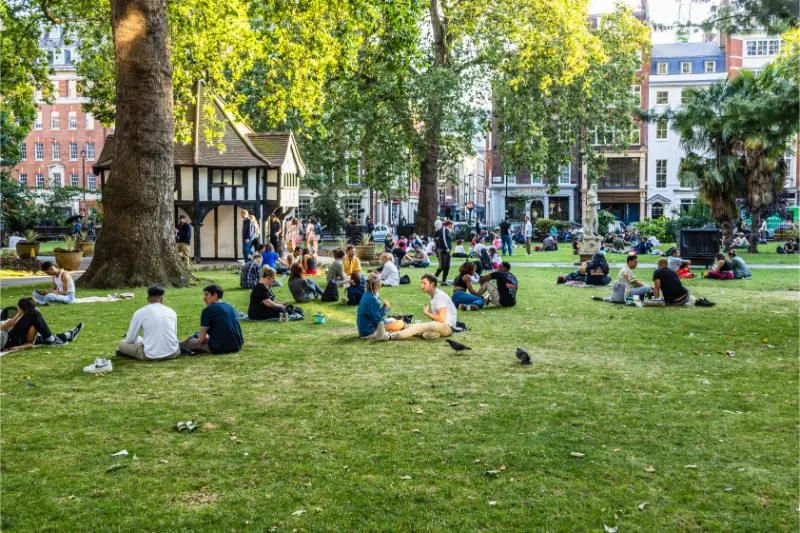
A family trip to London does not have to become a sequence of expensive tickets. Some of the city’s best child-friendly experiences are free: major museums, parks, skyline viewpoints and neighbourhood walks. The trick is to combine them into coherent days so the family does not spend the savings on unnecessary transport and snacks between distant attractions.
South Kensington museum day
Natural History Museum, Science Museum and V&A sit close together. Choose one as the main visit and use another only if energy remains.
Parks with real family value
Hyde Park, Kensington Gardens, Regent’s Park, Greenwich Park and St James’s Park provide open space, wildlife and easy picnic stops.
Free views
Primrose Hill and Parliament Hill give open-air panoramas; Sky Garden is free but normally requires advance booking.
Markets and neighbourhood walks
Borough Market, Portobello Road, Camden and Brick Lane can be explored without admission, although food and shopping can quickly turn a free day into an expensive one.
River walks
The South Bank gives children constant visual changes—boats, bridges, performers and landmarks—without paying for an attraction.
Tours and activities
Useful related guides
Continue planning with free London guide, Hyde Park and Kensington Gardens, best London views.
Family mistakes that are easy to avoid
- Booking consecutive timed attractions with no travel buffer.
- Choosing restaurants only after children are already hungry.
- Assuming every Underground station has lifts.
- Treating parks as wasted sightseeing time.
- Carrying a full adult itinerary into a family trip unchanged.
Extra practical details worth knowing
Free museums still benefit from advance planning because popular temporary exhibitions can be paid and timed. This is the kind of small planning detail that becomes important only when you are already in the city, so deciding it before departure removes friction and keeps the day focused on London rather than logistics.
A picnic is one of the easiest ways to keep a free day genuinely low-cost. This is the kind of small planning detail that becomes important only when you are already in the city, so deciding it before departure removes friction and keeps the day focused on London rather than logistics.
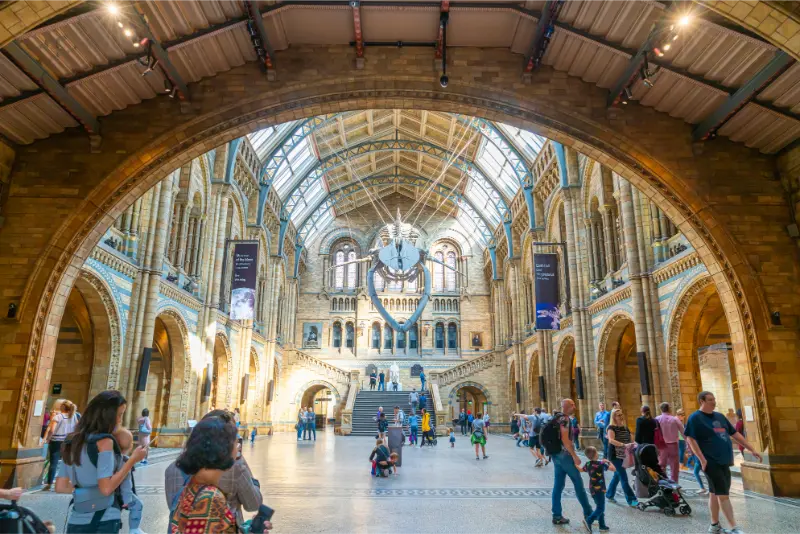
Free does not mean uncrowded: Natural History Museum and Sky Garden can require advance booking or careful timing. This is the kind of small planning detail that becomes important only when you are already in the city, so deciding it before departure removes friction and keeps the day focused on London rather than logistics.
Build one paid treat into an otherwise free day if it matters to the family; this prevents the budget plan from feeling punitive. This is the kind of small planning detail that becomes important only when you are already in the city, so deciding it before departure removes friction and keeps the day focused on London rather than logistics.
Children often remember playgrounds, squirrels, bridges and bus rides as clearly as paid attractions. This is the kind of small planning detail that becomes important only when you are already in the city, so deciding it before departure removes friction and keeps the day focused on London rather than logistics.
Free does not have to mean a filler day
London’s strongest free family experiences can form the backbone of a trip rather than merely filling gaps between paid attractions. National museums, major parks, neighbourhood walks, viewpoints from public spaces, markets and city farms can create full days when they are grouped geographically.
The key is to budget time as carefully as money. A free museum on the opposite side of London is not automatically a better choice than a nearby park if the journey consumes an hour and the children are already tired.
Museum plus park combinations
South Kensington makes an easy free-value cluster because the major museums sit close to open space in Kensington Gardens and Hyde Park. Bloomsbury can combine the British Museum with squares and a walk toward Covent Garden. Greenwich offers free outdoor space and several maritime experiences, although some individual attractions or exhibitions charge.
Choose one museum focus rather than attempting every gallery. General admission may be free while temporary exhibitions, special experiences or recommended timed bookings operate separately. Check the official museum site for the date of your visit.
Playgrounds and green space
A playground is not wasted sightseeing time when children need movement. It can be the part of the day that makes a later museum or dinner possible. Build the stop deliberately near another attraction instead of waiting until everyone is exhausted and then searching for a park on the phone.
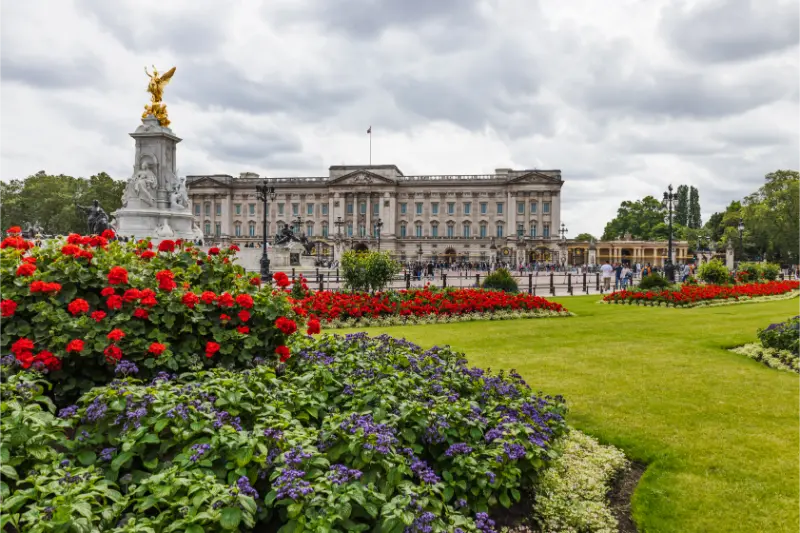
Large parks also give families room for a picnic, scooters where permitted, wildlife watching and a break from queues. Weather changes quickly, so keep a small indoor alternative nearby rather than cancelling the whole day when rain appears.
Markets, streets and neighbourhoods
Markets are free to enter even though food and shopping are not. Camden, Borough, Greenwich, Portobello Road and Spitalfields all work differently, so choose the one that fits the rest of the day. Give children a small spending allowance if you want browsing to remain enjoyable without turning every stall into a negotiation.
Neighbourhood walks can also be playful: spot colourful houses, boats, murals, unusual shop signs or famous film locations. The activity does not need a ticket to create a sense of discovery.
Keep the food budget under control
A genuinely low-cost day can stop being cheap if every snack is bought beside a landmark. Carry water, use supermarket or bakery options when they suit the family, and consider a picnic when weather allows. Save the restaurant budget for a meal you actually care about rather than spending it on emergency food because the children became hungry at the wrong time.
Free tap water and refill opportunities can help; our London drinking-water guide covers the practical side.
Two sample low-cost family days
A west-London day can start with a South Kensington museum, continue through Kensington Gardens with a picnic and finish with an evening walk toward Hyde Park or a bus ride through central London. An east/south day could use Greenwich Park and the riverside, then a market browse and a DLR journey that children often enjoy as part of the experience.
Neither day is literally cost-free once transport and food are included. The useful goal is to reduce paid attraction pressure, not pretend a family holiday has no expenses. One carefully chosen paid treat can sit inside an otherwise free day without undermining the budget.
Check booking even when admission is free
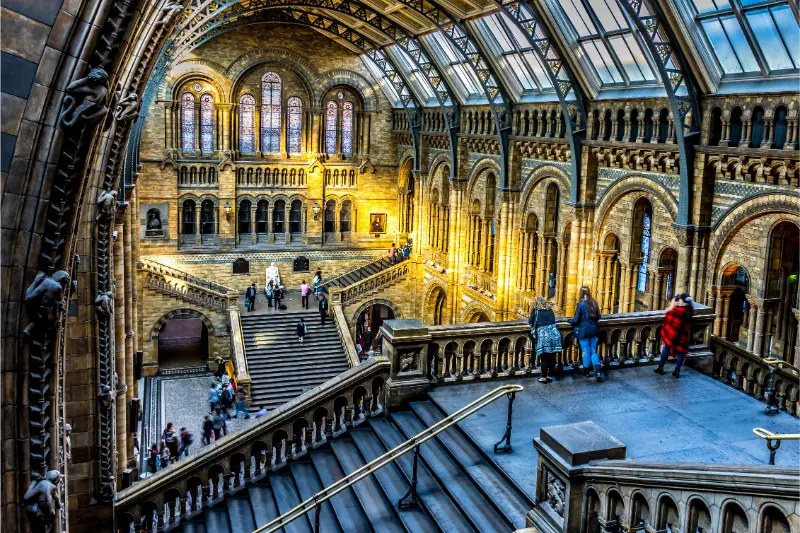
Popular free venues may recommend or require timed entry at busy periods, and special exhibitions can be ticketed. Check the official page shortly before the visit. A free attraction that needs a booking is still free, but arriving without the required reservation can turn a good budget plan into wasted travel.
Keep a second free option in the same area. Parks, riverside walks and neighbourhoods are useful because they can absorb a timetable change without another purchase.
Remember that transport can still be the main daily cost
Free attractions do not make the entire day free. A family crossing London several times can spend more on transport and impulse food than on sightseeing. Group free activities by area and walk between them when the distance is sensible. A South Kensington museum plus Hyde Park, or Greenwich Park plus the riverside, usually makes more budget sense than chasing three free attractions in distant boroughs.
Before making a long detour for a “free” activity, compare the time and transport cost with a nearby alternative. A free playground ten minutes away can be better value than a free museum that requires two changes and leaves the family buying an unplanned meal on the route.
Use free views and public spaces strategically
London offers memorable views without paying for a dedicated observation deck. Bridges, hilltops, riverside paths and large parks can create strong skyline moments as part of another activity. Greenwich Park, Primrose Hill and stretches of the Thames are examples where the setting itself can be the attraction. Access conditions and opening times for individual spaces can change, so check the specific place when a view is central to the plan.
Public spaces are also useful between fixed bookings because they do not penalise you for arriving twenty minutes later than planned. Families can stop for photos, snacks or a rest without feeling they are wasting an admission ticket.
Know when one paid experience is worth it
A budget trip does not have to reject every paid attraction. Choose one experience that is genuinely distinctive for your family—perhaps a theatre show, stadium tour, special exhibition or themed attraction—and surround it with free activities. This creates a highlight without turning every day into a sequence of expensive bookings.
Compare total family price rather than the single adult headline, and include booking fees, transport and food around the attraction. If a paid experience consumes most of the day’s budget, make the rest of that day geographically simple and low-cost. That is usually a better strategy than buying several mediocre discounts simply because they appear in a bundle.