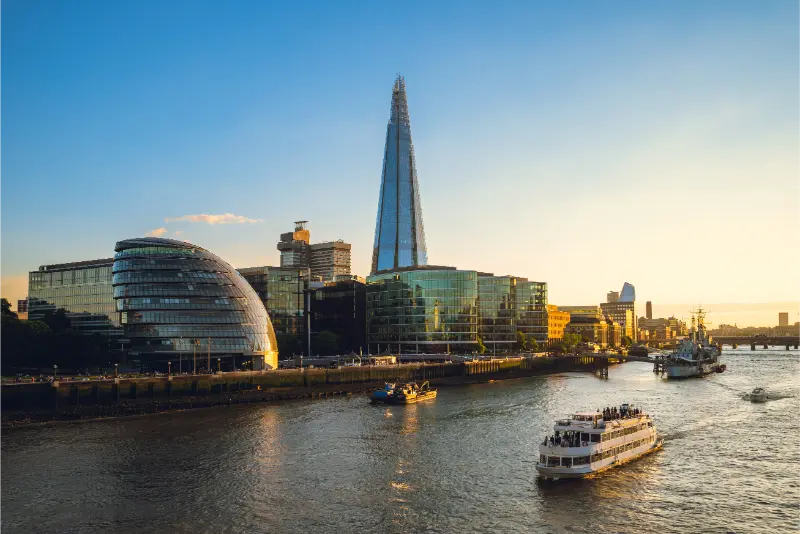
London has no single ‘best view’ because the skyline changes depending on where you stand. From Greenwich you see the city as a distant composition; from the City’s high-rise platforms you are inside the skyscraper cluster; from the South Bank the Thames becomes the foreground. A strong itinerary mixes one elevated platform with one natural viewpoint rather than paying for every high attraction.
Sky Garden: free, central and bookable
Sky Garden at 20 Fenchurch Street remains one of the most popular free elevated experiences. The official site states that public access is free during designated visiting hours and that free tickets are released for advance booking, with availability generally shown up to several weeks ahead. Walk-ins may be possible when capacity allows, but advance booking is the safer plan.
Its real advantage is location: you are inside the City, close to the Monument, Leadenhall Market and the Tower of London. Build it into a City walking day rather than travelling across London only for the view.
- Book through: official Sky Garden booking.
- Allow time for airport-style security and arrival procedures.
- Weather matters: cloud and haze can dramatically change visibility.
Greenwich Park: the classic skyline from a hill
The hill near the Royal Observatory gives one of London’s most recognisable panoramas: historic Greenwich in the foreground, Canary Wharf beyond and the central skyline farther west. The Royal Parks also highlights One Tree Hill as a quieter viewpoint inside the park.
This is not just a photo stop. Pair the view with the maritime centre and arrive or leave by river for a complete day.
- Cost: free park access.
- Best for: a broad city panorama with historic foreground.
- Official park page: Greenwich Park.
Primrose Hill: simple, free and best as part of a walk
Primrose Hill offers a wide view over central London without tickets or security queues. It is best combined with Regent’s Park, Camden or the canal. The hill is popular at sunset, so do not expect solitude on a clear evening.
Parliament Hill on Hampstead Heath: the landscape view
This is the option for travellers who want skyline and open space rather than skyscraper interiors. Hampstead Heath feels much farther from central London than it really is, and the panorama works especially well after a village-and-heath walk.
Paths can be muddy after rain, so this is one viewpoint where footwear matters.

The South Bank and bridges: views without going high
Some of London’s best compositions are at river level. Waterloo Bridge provides a long east-west view, Millennium Bridge aligns dramatically with St Paul’s, and the riverside between Westminster and Tower Bridge constantly changes perspective. This is why our London walking guide treats the Thames as a sightseeing route in its own right.
Paid icons: when they are worth it
The London Eye and The View from The Shard offer very different experiences. The Eye is about a slow moving panorama over Westminster and the Thames; The Shard gives a much higher perspective from the south side of the river. They can be memorable, but you do not need both on a short trip.
Choose a paid viewpoint when the experience itself matters to you, not because you think London requires a skyline ticket. Free alternatives can provide equally strong photographs from different angles.
A viewpoint strategy that avoids disappointment
Never schedule a non-refundable high viewpoint solely for a perfect sunset. London weather is too changeable. Instead, place free viewpoints on flexible days and use timed attractions when they fit the broader itinerary. If the sky is grey, consider using your time for museums or neighbourhoods and return to an outdoor hill later.
- Check sunset time, but arrive well before it.
- Bring a lens cloth: rain and condensation are common photography annoyances.
- For more free ideas, see free things to do in London.
Horizon 22: another major free high-level view
Horizon 22 has changed the free-viewpoint equation in the City. The viewing platform is on Level 58 and offers a broad 300-degree panorama across London. Standard visits are free but ticketed, so it competes directly with Sky Garden for travellers who want height without paying London Eye or Shard prices. The official site currently lists timed opening hours that vary between weekdays and weekends, so check your exact date rather than copying a schedule from an old article.
The visual experience is different from Sky Garden. Horizon 22 places the emphasis on height and a clean viewing platform; Sky Garden combines the view with planted terraces and a more recognisable indoor-garden setting. If you can book only one, choose based on the rest of your City route rather than trying to rank them universally.
- Official information: Horizon 22.
- Best pairing: Bishopsgate, Leadenhall Market, the City and Tower Hill.
- Cost: standard public viewing is free, but advance tickets are the safest plan.
Sky Garden versus Horizon 22 versus a paid viewpoint
If your priority is simply to see London from high above, the two free City platforms can remove the need to buy another skyline ticket. If you want the experience of riding the London Eye or being inside the Shard itself, then the paid attraction can still be worth it. The key is to decide whether you are paying for the view or for the attraction.
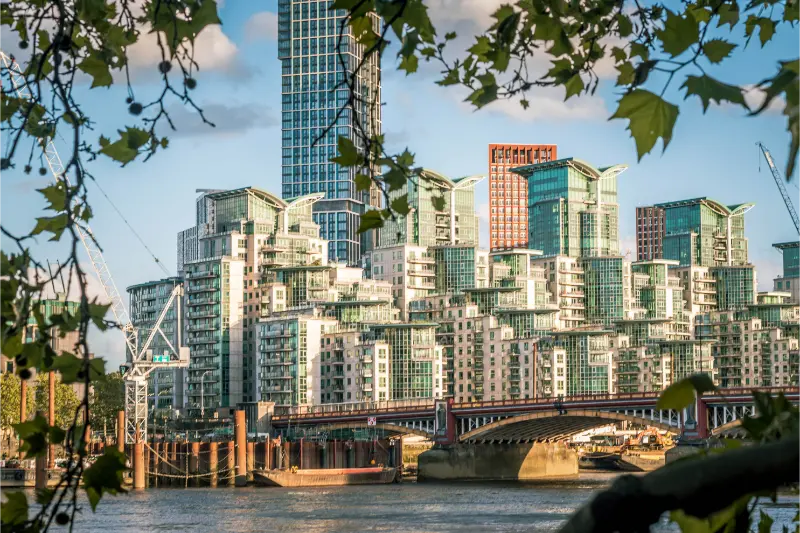
Our detailed Sky Garden guide, View from The Shard guide and London Eye guide compare the practical trade-offs. On a short visit, one high platform plus one outdoor hill is usually enough variety.
The best views for photographers are not always the highest
Height can flatten a city. From very high viewpoints, London becomes a map of roofs and towers; from bridges and hills, landmarks overlap in more recognisable ways. Millennium Bridge gives St Paul’s a strong foreground axis, Greenwich Park layers historic Greenwich beneath Canary Wharf, and Primrose Hill creates a broad skyline with parkland in front.
If photography matters, think about direction as well as height. Morning light, afternoon backlighting and reflections on glass can completely change a shot. Indoor platforms are convenient in cold weather but introduce window reflections; outdoor hills give cleaner photographs but depend more on wind and rain.
Views with children, older travellers and limited mobility
Not every viewpoint requires a climb. The London Eye, Sky Garden, Horizon 22 and The Shard use lifts as part of the visitor experience, though each venue has its own access and security arrangements. Natural viewpoints such as Primrose Hill and Greenwich Park involve slopes; Hampstead Heath can include uneven paths. Check the official accessibility page if gradients or long standing periods are a concern.
For families, the best viewpoint is often the one attached to a broader day. Greenwich works because museums, river travel and park space surround the view. The London Eye works because the experience itself is contained and predictable. Primrose Hill works well after Camden when children still have energy but no one wants another indoor ticket.
My practical rule: one free height, one landscape view
For a first London visit, I would usually choose one elevated platform in the City and one landscape view such as Greenwich Park, Primrose Hill or Parliament Hill. That combination shows both sides of London: the dense modern skyline from within it, and the city as a distant composition. Add a river-level walk and you have three perspectives without buying multiple near-duplicate experiences.
Weather, visibility and when not to use your booking
London visibility can change within an hour. Low cloud is the biggest problem because it can hide the skyline even when street level is merely grey. Haze matters too, especially for long-distance photography. Before leaving for a free viewpoint, check the live weather and decide whether the booking is still worth the travel time.
For paid viewpoints, read the ticket conditions before purchase. Some products are flexible, others are tied to a date or time, and weather guarantees vary. Never assume poor visibility automatically produces a refund. If the skyline is the entire reason you are buying the ticket, flexibility has real value.
How early should you book free viewpoints?
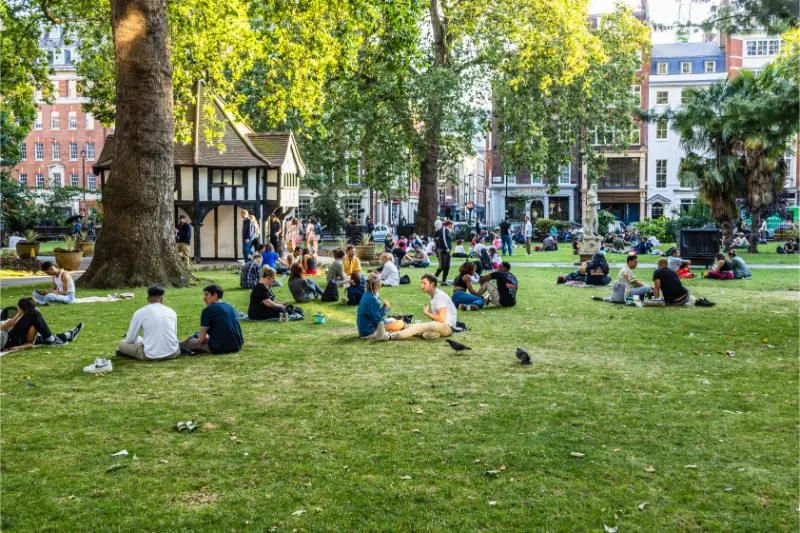
Popular free platforms release tickets in batches and high-demand periods can disappear quickly. The exact release pattern can change, so use the official booking page rather than advice copied from an old forum. If you miss your preferred slot, keep the rest of the itinerary intact: Primrose Hill, Parliament Hill, Greenwich Park and bridge views require no skyline reservation.
This is one reason I prefer to place free outdoor hills on flexible days and booked high-rise platforms inside a City day. If the weather is poor, you still have museums, markets, churches and historic streets around you instead of a journey made solely for one view.
A note on sunrise and sunset expectations
Many high-rise viewing platforms do not operate through every sunrise or late-night period, and ticket availability can make the exact golden-hour slot difficult to secure. Treat sunset as a bonus rather than the only acceptable time. Clear mid-morning conditions can produce better long-distance visibility than a hazy evening, while winter afternoons can deliver dramatic low light much earlier than visitors expect.
If you specifically want sunset, arrive before the light changes so security and lift queues do not consume the best minutes. Outdoor hills give you more timing freedom, but bring an extra layer: elevated parks can feel much colder and windier than surrounding streets.
Viewpoint booking systems, opening hours and access rules change. Confirm the official page before making a skyline stop the fixed anchor of your day.
Paid viewpoints and skyline experiences
If weather is good and a high-level view matters to you, compare London skyline experiences on GetYourGuide. Compare refund or rescheduling rules before booking a weather-dependent slot.
Two dedicated skyline guides
For a free high-level City view, use our Sky Garden guide. If maximum height matters more than price, compare it with our View from The Shard guide.