
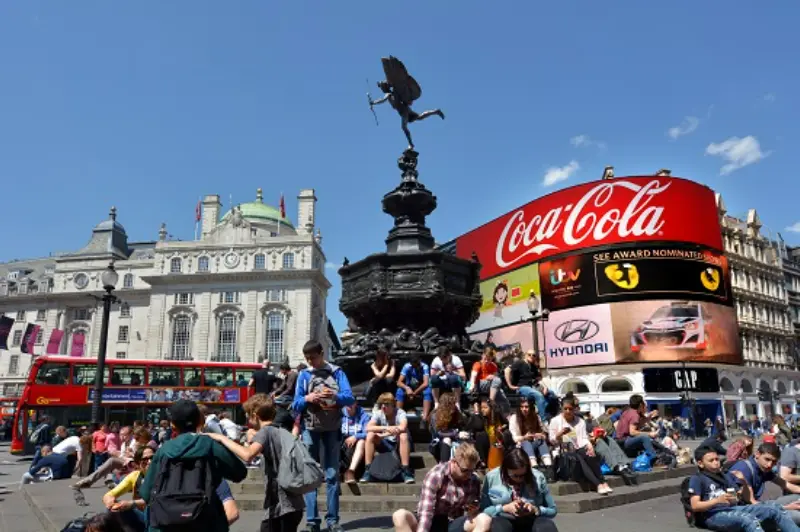
Teenagers rarely need a special ‘kids’ version of London. They need agency, variety and enough space in the schedule to care about what they are seeing. A day that mixes one major cultural sight with street food, music, football, shopping or a skyline view usually works better than a long chain of monuments chosen by adults.
Give them one daily choice
Let the teenager choose one neighbourhood, food stop or paid attraction each day. Ownership changes the mood of the whole itinerary.
Street culture over endless museums
Shoreditch, Camden and Brick Lane can add visual energy and shopping between more traditional sights.
Views create an easy shared win
Sky Garden is free with advance booking; The Shard and London Eye are paid alternatives with different experiences.
Football and music can be the trip highlight
A stadium tour, match, record shop or live-music area may create more lasting interest than another palace.
Do not over-schedule evenings
Older children can handle later days, but constant early starts plus late theatre or nightlife-style plans still leads to burnout.
Tours and activities
Useful related guides
Continue planning with Camden, Shoreditch, football in London.
Family mistakes that are easy to avoid
- Booking consecutive timed attractions with no travel buffer.
- Choosing restaurants only after children are already hungry.
- Assuming every Underground station has lifts.
- Treating parks as wasted sightseeing time.
- Carrying a full adult itinerary into a family trip unchanged.
Extra practical details worth knowing
Teenagers often respond better to a neighbourhood challenge—find a record shop, street-art piece or food stall—than to passive sightseeing. This is the kind of small planning detail that becomes important only when you are already in the city, so deciding it before departure removes friction and keeps the day focused on London rather than logistics.
Give older children their own Oyster/contactless plan so everyone understands how to move through gates safely. This is the kind of small planning detail that becomes important only when you are already in the city, so deciding it before departure removes friction and keeps the day focused on London rather than logistics.
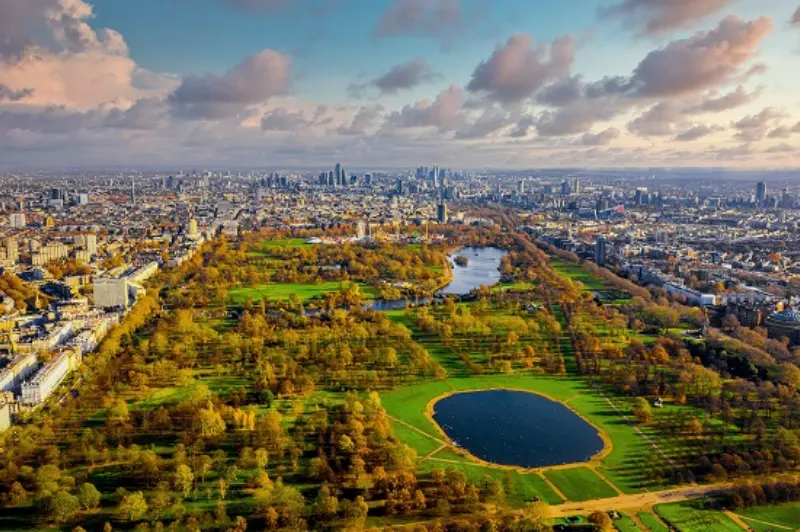
Shopping time should be budgeted explicitly; Camden, Carnaby, Brick Lane and Oxford Street can consume hours. This is the kind of small planning detail that becomes important only when you are already in the city, so deciding it before departure removes friction and keeps the day focused on London rather than logistics.
For social-media photos, viewpoints and colourful neighbourhoods often generate more enthusiasm than formal interiors where photography is restricted. This is the kind of small planning detail that becomes important only when you are already in the city, so deciding it before departure removes friction and keeps the day focused on London rather than logistics.
A theatre show can work brilliantly with teenagers when they help choose the production rather than being told that West End theatre is compulsory. This is the kind of small planning detail that becomes important only when you are already in the city, so deciding it before departure removes friction and keeps the day focused on London rather than logistics.
Give teenagers ownership of part of the itinerary
Teenagers are more likely to engage when at least one part of each day reflects an interest they chose. That could mean football, fashion, music, street art, film locations, technology, photography, theatre or food. Ask for a shortlist before the trip and protect those choices instead of filling every hour with adult priorities.
Ownership also helps with compromises. A morning at a historic site is easier to accept when the afternoon includes a neighbourhood, shop or experience they specifically requested. London has enough variety that a family rarely needs to choose between education and enjoyment all day.
Use neighbourhoods as experiences
Camden, Shoreditch, Soho, Covent Garden and Brick Lane can work well because teenagers can browse, eat and make choices rather than simply follow a guide through rooms. Set a meeting point and a realistic spending limit if older teens are allowed some independence. Crowded markets still require normal big-city awareness around phones and bags.
A neighbourhood challenge can turn passive walking into something active: find a record shop, choose a food stall, photograph an architectural detail or compare two street-art areas. Keep the task light; the aim is curiosity, not turning the holiday into schoolwork.
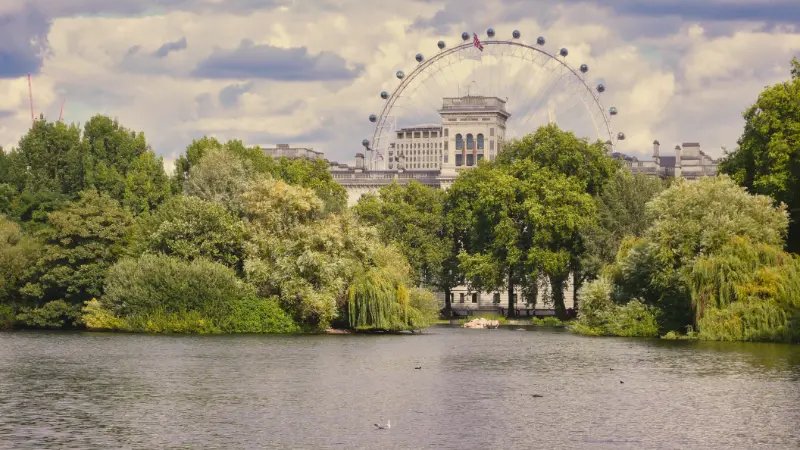
Views, sport and live entertainment
A skyline viewpoint, stadium tour or West End show can become the paid highlight of the trip, but let the teenager help choose which one deserves the budget. Some prefer a football ground to a royal palace; others care more about a musical or a concert. London rewards that personal approach because almost every interest has a strong option.
Book the experience that would genuinely disappoint the family if it sold out, then leave the surrounding hours flexible. Teenagers often value unplanned time for shopping, food and photos more than another timed museum.
Plan later starts when they improve the day
Not every family needs to leave the hotel at 08:00. If your teenager is happier with a slower breakfast and the day’s main activity opens later, use the morning intelligently rather than creating conflict before sightseeing starts. A later start can pair well with an evening show, illuminated river walk or dinner in a lively neighbourhood.
The exception is an attraction where early arrival materially reduces queues. Explain the trade-off instead of issuing a schedule: one early morning can buy a calmer visit and a freer afternoon.
Money, phones and independence
Agree spending boundaries before entering shopping districts and markets. If a teenager uses their own contactless card or device for transport, make sure they understand that it must be used consistently for touch-in and touch-out where required. Keep a backup plan for a dead battery or lost phone.
Older teenagers may be capable of short periods on their own, but the decision depends on maturity and family rules. Choose simple, well-connected areas, set a meeting time and make sure everyone can reach the accommodation without relying on one person’s phone.
A balanced teen day
One workable pattern is a landmark or museum in the late morning, lunch in a food-focused area, two hours in a neighbourhood chosen by the teenager, then a break before an evening activity. The day contains structure without making the teenager feel escorted from compulsory sight to compulsory sight.
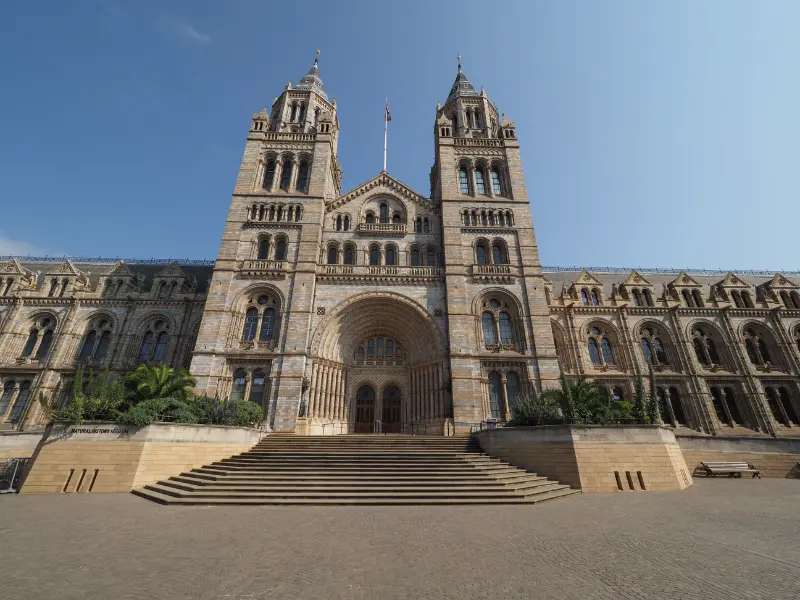
The best result is not constant enthusiasm. It is enough that each person gets moments that feel like their London rather than somebody else’s itinerary.
Let interests decide which museums deserve time
Teenagers do not need to visit a museum simply because it is famous. A design-focused teenager may prefer the Design Museum or V&A; a science-focused visitor may enjoy the Science Museum; an art student may want Tate Modern or the National Gallery; a history enthusiast may choose the British Museum, Churchill War Rooms or a specialist site. Pick one or two that match the person rather than building a compulsory museum marathon.
Before visiting, look at the current exhibition programme together and identify one room, object or temporary show worth seeking out. That gives the visit a purpose and makes it easier to leave when attention drops instead of wandering until everybody is bored.
Build independence without losing the plan
Older teenagers may enjoy choosing lunch, navigating one transport leg or spending a short period browsing a shop or market independently. Agree the meeting point, time and backup contact method in advance. A screenshot of the hotel address and a saved Tube map are useful if mobile data fails.
London is a large city, so independence should match the teenager’s maturity and experience rather than their age alone. Busy transport hubs, late-night travel and crowded events require more structure than a daytime browse on a familiar high street. The aim is confidence, not forcing independence for its own sake.
Evenings can be the highlight
London works especially well for teenagers after the daytime sightseeing crowds begin to thin. A West End show, football match, concert, illuminated river walk, Chinatown meal or skyline view can give the trip a sense of occasion. Check age restrictions and finish times before buying tickets, particularly for music venues and comedy shows.
If an evening event ends late, plan the route back before leaving the hotel. Our London at night transport guide helps with Night Tube, buses and fallback options. A smooth return matters more when everyone is tired.
Give teenagers a role in the practical decisions
Let an older teenager handle one real piece of trip planning: choosing the lunch area, checking the route to a stadium, comparing two show times or building a short shopping stop around the day’s geography. A useful task creates ownership without handing over the entire itinerary. It also teaches them how a large city works—travel time, opening hours, reservation windows and budgets become part of the experience. Review the choice together, then allow it to stand unless there is a genuine safety or logistics problem.