

London with a toddler is less about squeezing in attractions and more about controlling transitions. One excellent museum hour, a playground and a river ride can produce a better family day than four famous sights linked by crowded Underground changes. The city is very manageable with small children when you plan around naps, toilets, lifts and places where a child can move freely.
Build the day around one anchor
Choose one timed attraction or museum area as the fixed point. Everything else should be optional and nearby.
Use buses when stairs are the problem
Buses can be slower than the Tube but remove many staircases and let children watch the city rather than disappear underground.
Best toddler-friendly museums
Natural History Museum, Science Museum and London Transport Museum all offer strong visual experiences; keep visits short and leave before everyone is exhausted.
Parks are not filler
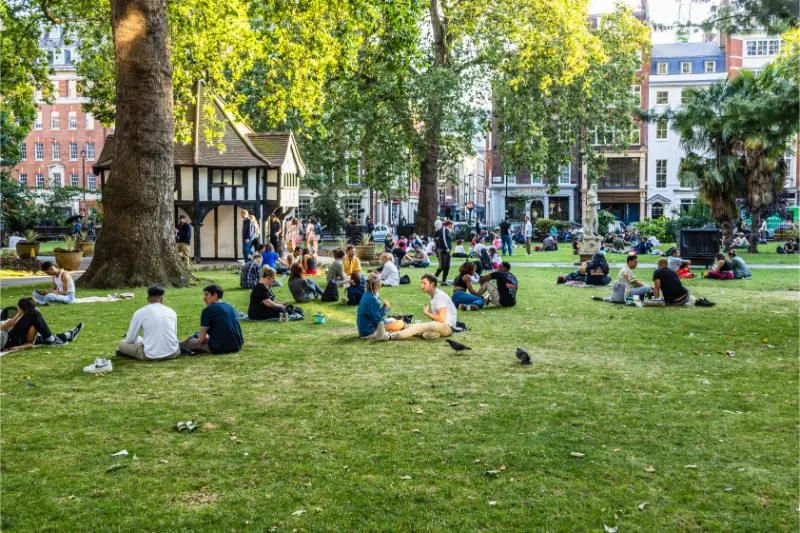
Kensington Gardens, Regent’s Park, Greenwich Park and St James’s Park give children a real break from queues and adult-paced sightseeing.
Plan food before hunger
Toddlers rarely wait happily while adults compare restaurant reviews. Know the nearest cafe, supermarket or casual restaurant before the next activity.
Tours and activities
Useful related guides
Continue planning with London with kids, Natural History Museum, London Transport Museum.
Family mistakes that are easy to avoid
- Booking consecutive timed attractions with no travel buffer.
- Choosing restaurants only after children are already hungry.
- Assuming every Underground station has lifts.
- Treating parks as wasted sightseeing time.
- Carrying a full adult itinerary into a family trip unchanged.
Extra practical details worth knowing
Toddlers often enjoy the bus more than the Underground because there is something to watch. Use that as part of the sightseeing rather than seeing every slower journey as wasted time. This is the kind of small planning detail that becomes important only when you are already in the city, so deciding it before departure removes friction and keeps the day focused on London rather than logistics.

A stroller that folds quickly is easier on crowded transport, but do not assume you must carry it on every staircase; route around inaccessible stations when practical. This is the kind of small planning detail that becomes important only when you are already in the city, so deciding it before departure removes friction and keeps the day focused on London rather than logistics.
Museum sensory overload is real. Thirty engaged minutes can be more valuable than two exhausted hours. This is the kind of small planning detail that becomes important only when you are already in the city, so deciding it before departure removes friction and keeps the day focused on London rather than logistics.
Schedule a hotel reset on longer trips. A midday nap in the room can preserve the evening for the whole family. This is the kind of small planning detail that becomes important only when you are already in the city, so deciding it before departure removes friction and keeps the day focused on London rather than logistics.
Bring layers and a rain cover because London weather can change within one park visit. This is the kind of small planning detail that becomes important only when you are already in the city, so deciding it before departure removes friction and keeps the day focused on London rather than logistics.
Build the day around the toddler clock
The best toddler itinerary starts with sleep, food and movement rather than landmarks. Put the activity that matters most in the child’s best morning window, then keep the afternoon geographically close to the hotel or to a park where you can shorten the plan without losing money. A toddler who has already spent an hour in a queue is unlikely to care that the next room contains a famous painting.
If your child still naps, decide before the trip whether naps work in the stroller, on a carrier or only in a quiet room. That one answer should influence the neighbourhood you stay in and how far you travel after lunch. A central hotel can be worth more to a family than an upgraded room farther out when it makes a midday reset realistic.
Choose transport for the child you have
Buses can be entertaining and avoid some station stairs, but they are affected by traffic and stroller space is not unlimited. The Underground is often faster, yet step-free routes can involve longer journeys. Use TfL’s live journey tools each day and choose the route that reduces lifting, changes and platform walks rather than the route with the shortest theoretical time.
Keep one adult’s hands as free as possible in stations. Tickets, phone, bags and stroller should not all require attention at the gate. If two adults are travelling, agree who manages the child and who manages navigation before entering a busy interchange.
Pair one indoor attraction with one outdoor release
A museum works better when it is followed by a playground, park or open riverside stretch. At the Natural History Museum, Science Museum or Transport Museum, decide in advance which galleries are the priority and leave before everybody is exhausted. Toddlers often get more from ten minutes watching buses or pigeons than from another hour of adult-led exhibits.
St James’s Park, Kensington Gardens, Regent’s Park and many local playgrounds can become deliberate parts of the itinerary rather than emergency breaks. The aim is rhythm: concentrated indoor time, movement, food, then a lower-pressure activity.
Pack for small problems, not every possible disaster
- One change of clothes in an easy-to-reach bag.
- A compact rain cover or waterproof layer.
- Familiar snacks and a refillable drink bottle.
- Wipes, nappies or toilet supplies for longer than the planned outing.
- A lightweight layer for sudden temperature changes.
- Offline hotel address and a simple route back.
The useful bag is organised, not enormous. If every item is buried under spare toys, the bag stops helping. Repack it each evening so the next day starts with the essentials accessible.
A realistic toddler day
A strong day might begin with one museum or landmark at opening time, move to an early lunch before the busiest period, then use a nearby park or playground while energy is still good. After a nap or hotel break, choose a short evening activity such as a bus ride, river view or casual meal close to the accommodation.
That may look less ambitious than an adult itinerary, but it often produces more actual enjoyment. London will still be there for another trip; the goal is not to prove that a three-year-old can complete a checklist.

Accommodation details matter more with toddlers
A toddler-friendly room is not just a room that allows children. Check whether there is space to open a stroller, whether a cot blocks the only route to the bathroom, whether breakfast starts early enough for your routine and whether a lift reaches the actual room floor. In older London buildings, a property can advertise a lift but still have a few entrance or corridor steps. Ask when that detail matters to you.
A small fridge, kettle and nearby supermarket can be more useful than decorative hotel facilities because they make milk, snacks and an early breakfast easier. If naps usually happen in the room, a quieter rear-facing room can be worth requesting. Use our where to stay in London guide to compare areas before choosing a property.
Queues, tickets and toddler attention spans
Book timed attractions only when the timing genuinely helps. A fixed entry can reduce uncertainty, but too many fixed entries turn a family day into a race. For a toddler, one reserved attraction plus flexible parks, buses or neighbourhood time is usually easier than three prepaid experiences with penalties for being late.
At popular venues, use toilets before joining a queue and keep one simple distraction accessible without unpacking the whole bag. If the child has reached the end of their patience, leaving early is often the better decision even when the adult feels they have not “finished” the attraction. The ticket has already done its job if the family enjoyed the useful part.
Weather changes the logistics
Rain is manageable when the stroller has a cover and adults have hands-free waterproof layers. Hot weather creates the opposite problem: shade, water and slower pacing become priorities, especially in exposed queues and large parks. London weather can change within a day, so a compact layer system is more useful than dressing for one forecast at breakfast.
Keep a nearby indoor backup for outdoor plans and an outdoor release option for indoor plans. That simple pairing prevents a shower or an unexpectedly crowded museum from forcing a complete redesign of the day.
Keep the evening deliberately easy
Toddlers often cope well with an early dinner and one gentle evening experience, but a late cross-city return can undo a good day. Choose a restaurant close to the hotel, take a short bus ride for the view, or walk a small section of the river rather than adding another timed attraction. If bedtime needs to remain close to the home routine, protect it on most nights and choose one later evening only when the next morning can start slowly. This makes the trip feel flexible rather than permanently behind schedule.