
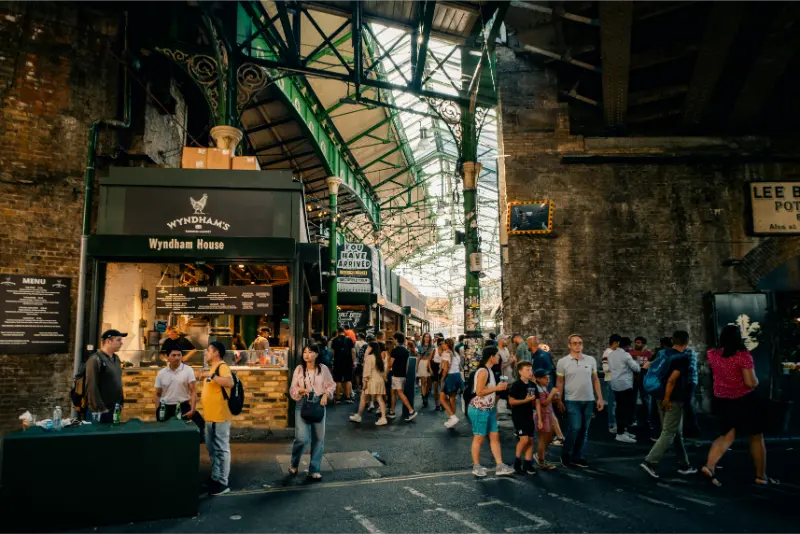
London markets are not interchangeable. Borough is food-led and intensely popular, Portobello changes character by day, Columbia Road is specifically about flowers on Sundays, and Greenwich mixes crafts, food and a wider day out. The best market is therefore the one that matches your interests and your schedule. Visit London’s official market guide lists dozens across the city, so this guide focuses on how to choose rather than pretending you need to see them all.
Borough Market: best for food, not for a quiet browse
Borough Market is the obvious choice for travellers who want an iconic food market next to major central sights. Its location near London Bridge, Southwark Cathedral and the Thames makes it easy to integrate into a sightseeing day. The trade-off is popularity: peak lunch periods can be extremely busy.
Go with a plan. Decide whether you want breakfast, lunch ingredients, a specific producer or simply atmosphere. Wandering hungry at the busiest hour often leads to queues rather than discovery.
- Combine with: Tate Modern, Bankside, Southwark Cathedral and Tower Bridge.
- Best strategy: arrive before the main lunch surge when possible.
- Do not treat surrounding streets as overflow dining rooms; keep entrances and pavements clear.
Maltby Street Market: a smaller food-focused alternative
Maltby Street sits in Bermondsey under railway arches and feels more compact than Borough. It can be an excellent choice for a food-led weekend stroll, especially when paired with Bermondsey Street and the Thames. Opening days are more limited than major seven-day markets, so check before travelling.
Portobello Road: antiques, neighbourhood and changing rhythms
Portobello Road is not one static experience. Different days emphasise different traders, and the surrounding Notting Hill streets are part of the appeal. If your goal is serious antiques browsing, verify the market schedule rather than assuming any weekday will look like Saturday.
Early arrival improves photography and browsing, while later hours bring denser crowds. Respect residents when photographing houses nearby.
Columbia Road Flower Market: one street, one specific reason to go
This Sunday market is visually memorable because the street becomes a dense corridor of plants and flowers. It is best for visitors who genuinely enjoy the atmosphere rather than those trying to squeeze in every famous market. Pair it with Shoreditch, Brick Lane or a walk toward Regent’s Canal to justify the journey.
The road becomes crowded. If you want photographs, arrive earlier; if you want to hear the market in full voice, later can be more theatrical.
Old Spitalfields and Brick Lane: two different East London experiences
Old Spitalfields is covered and organised, while Brick Lane’s market culture spreads through streets, halls and side spaces. Visiting both in one day gives a useful contrast between curated market shopping and the messier energy of the East End.
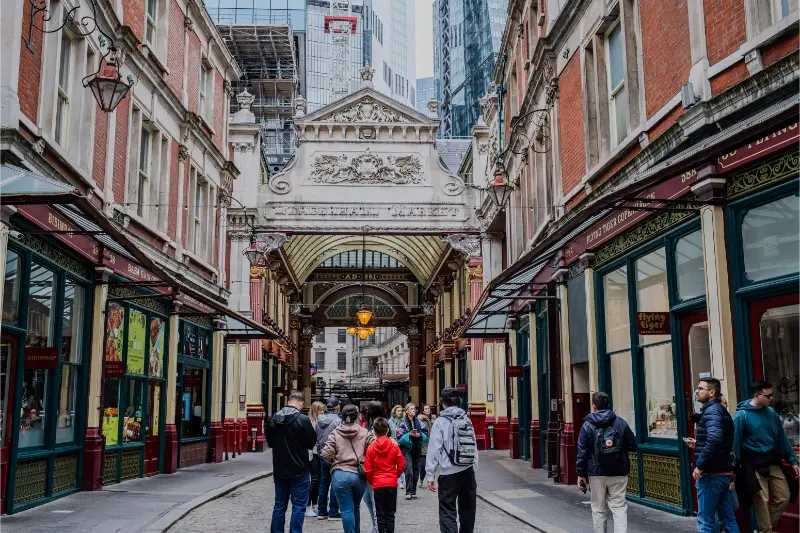
This is also a good place to focus on architecture, migration history and street life rather than shopping alone.
- Best for: design, vintage, food and street photography.
- Combine with: Shoreditch and the City fringe.
- Check individual market days because not every section operates identically every day.
Greenwich Market: easiest to turn into a complete day
Greenwich Market works particularly well for travellers because it sits inside a destination with museums, river transport and a major park. Even if the market itself takes only an hour, the overall trip can fill half a day or more. This makes it a stronger choice than a stand-alone market journey for first-time visitors.
Camden Market: huge variety, huge crowds
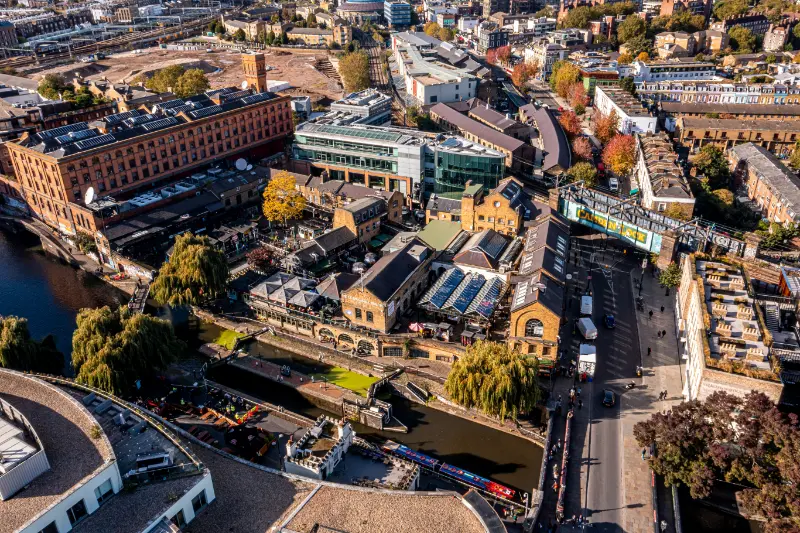
Camden remains one of London’s most recognisable market areas, with food, fashion, souvenirs and alternative culture spread over a large zone. It is convenient for first-time visitors but can be overwhelming. Instead of trying to inspect every stall, give yourself a fixed time window and then continue along Regent’s Canal or up to Primrose Hill.
Broadway Market: a neighbourhood market day
Broadway Market is most interesting when you treat it as part of Hackney rather than a tourist attraction in isolation. Combine market browsing with London Fields, Regent’s Canal and nearby independent shops. It is a good option for repeat visitors who already know central London.
How to choose the right London market
Food lovers should prioritise Borough or a smaller specialist food market; vintage and East London atmosphere point toward Brick Lane and Spitalfields; flowers mean Columbia Road; a broad sightseeing day points to Greenwich; and a first taste of alternative London points to Camden. Always verify opening days. Markets are living trading spaces, and schedules can change around holidays, events and seasons.
- Official overview: Visit London market guide.
- For classic British dishes and food context, see what to eat in London.
- If budget matters, remember that browsing is free; the expensive part is impulse eating and shopping.
Market days matter more than market names
A common London mistake is assuming that a famous market looks the same every day. Portobello Road is the clearest example: the mix of antiques, general goods and traders changes through the week, with Friday and Saturday particularly important for the main market experience. Columbia Road, by contrast, is fundamentally a Sunday flower market. Other places such as Borough, Camden and Old Spitalfields operate more frequently, but individual traders and the atmosphere still vary by day.
Always check the official market page shortly before travelling, especially around bank holidays and Christmas. A market is a working trading environment, not a museum with a fixed permanent display. The changing schedule is part of what makes it interesting.
Borough, Portobello and Brick Lane deserve their own strategy
Three of the most famous markets now have dedicated guides on Dreaming London because each rewards a different approach. For food planning, see our Borough Market guide. If antiques, vintage shopping and Notting Hill are the priority, use the Portobello Road Market guide. For Sunday energy, vintage stalls and East London food, the Brick Lane Market guide is more useful than treating Brick Lane as a quick add-on to Shoreditch.

The reason to separate them is simple: crowd patterns, opening rhythms and the surrounding neighbourhoods are completely different. A good market day is not just about stalls; it is about what you do before and after the market.
How to eat at a market without turning lunch into a queue marathon
At the busiest food markets, do one reconnaissance lap before buying. Look at portion size, queue movement and whether there is somewhere sensible to stand or sit. A long queue can mean a stall is excellent, but it can also mean service is slow or social media has concentrated demand on one item. London markets are strongest when you sample what genuinely appeals to you rather than trying to reproduce a viral checklist.
If two people are travelling together, sharing smaller dishes lets you try more without wasting food. Keep napkins or a small reusable cloth handy, and remember that eating while standing in a dense pedestrian flow makes the market less pleasant for everyone. Step to the side before stopping.
Buying antiques, vintage and souvenirs: a few practical rules
For antiques or higher-value vintage pieces, ask questions. Reputable traders are usually happy to explain what they know about an item, but provenance and age can be complicated. Do not assume every old-looking object is antique, and do not buy something fragile without thinking about airline baggage and customs rules for your return country.
For souvenirs, markets can be more interesting than generic gift shops, particularly at Greenwich, Spitalfields and smaller design-led markets. The best purchase is often something made or designed locally rather than a mass-produced London motif that you could buy anywhere.
A realistic two-market day
Two markets can work if they are geographically connected. Old Spitalfields + Brick Lane is the obvious East London combination. Borough Market + Maltby Street can work for serious food travellers, but it is food-heavy and better treated as a walk through Southwark and Bermondsey rather than two consecutive meals. Portobello Road + a central market is usually less efficient because west-to-east travel consumes the middle of the day.
On a first trip, one market plus its neighbourhood is enough. Pair Borough with the South Bank, Greenwich Market with Greenwich, Camden with the canal and Primrose Hill, and Brick Lane with Shoreditch. That is how markets become part of a London day instead of boxes to tick.
Market etiquette and crowd planning
Markets are public spaces but also workplaces. Do not stand directly in front of a stall while deciding where to go next, and avoid blocking narrow aisles for group photographs. At food markets, move away from the counter once you have collected your order. At antiques or vintage stalls, ask before handling fragile items.
Peak crowding is predictable: weekend late mornings and lunch periods are the hardest times at the famous markets. If you want atmosphere, that can be part of the fun; if you want to browse carefully, arrive earlier. Families with pushchairs and travellers who dislike dense crowds should prioritise wider, covered markets or quieter periods rather than assuming every market will feel comfortable.
Cards, cash and spending control
London is highly card-friendly, but payment methods are set by individual traders. Carrying a small backup amount of cash is sensible without making a special trip to exchange large sums. More important is setting a market budget before you arrive. Street food, drinks, vintage finds and small gifts can make a “free” market stop one of the most expensive hours of the day.
If you are buying food to take home, consider how long it will stay unrefrigerated and whether your accommodation has storage. Markets are wonderful for tasting London, but not every attractive product is practical for a traveller.
Market trading days and individual stall attendance vary. Check each market’s official information shortly before travelling, especially around bank holidays.
Market tours: useful when food or history is the point
Independent browsing is easy, but compare London market and food tours on GetYourGuide if you want tastings or a guide who can explain how a market fits its neighbourhood.
Two market guides for deeper planning
Antiques and west London are covered in our Portobello Road Market guide. For Sunday street trading, vintage, food and East End history, use our Brick Lane Market guide.
Markets specifically for food
If eating rather than shopping is the priority, compare the city’s strongest choices in our best food markets in London guide.