
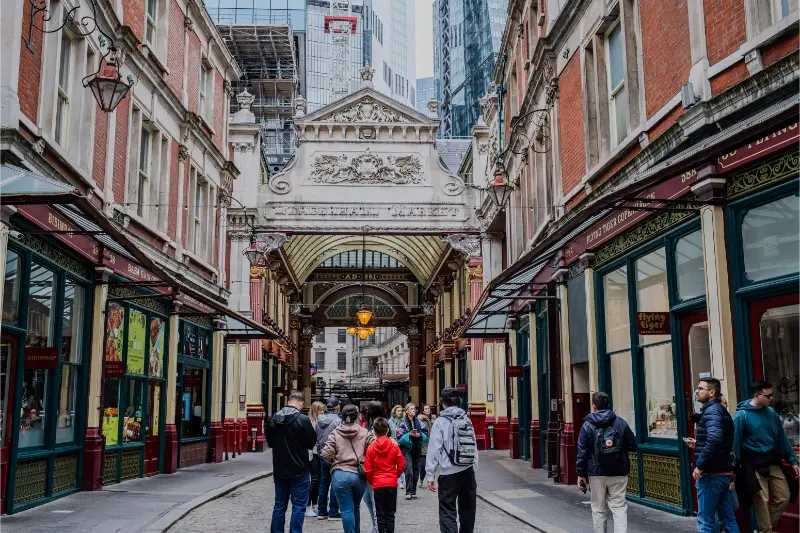
London street food is less about food carts on every pavement and more about markets, food halls, railway arches and rotating trader collectives. The strongest experiences are concentrated: Borough Market for a mix of produce and prepared food, Camden for huge international choice, Brick Lane and the East End for weekend energy, Greenwich for food plus sightseeing, and the South Bank for a convenient weekend stop beside the river.
Visit London’s 2026 street-food guide emphasises that trader line-ups change regularly. That is exactly why a useful guide should teach you where and when to look rather than promise that one viral vendor will still be operating in the same place next year.
Street food versus food markets
The terms overlap but are not identical. A food market may sell raw ingredients, cheese, bread and produce alongside ready-to-eat dishes. A street-food market or food hall focuses more heavily on prepared meals. Borough is both; Seven Dials is closer to a curated indoor food hall; Camden combines food with retail; Broadway Market is a neighbourhood street market with permanent businesses around it.
Best areas for street food
| Area | Why go |
| Borough / London Bridge | Huge choice plus market history and South Bank |
| Camden | Large selection, canal, shopping and alternative culture |
| Brick Lane / Spitalfields | Weekend markets, East End food and migration history |
| Greenwich | Covered market plus major attractions |
| South Bank | Convenient weekend food beside river sights |
| Brixton | Global food in covered arcades and local restaurants |
How to eat at a market without overspending
Walk one full circuit before ordering. Then share. Two people buying three smaller dishes usually experience more variety than each buying one oversized meal. Decide whether dessert is part of the market visit before everyone becomes full. Street food is not automatically cheap: premium ingredients, central rents and large portions can push prices toward restaurant levels.
Queues: useful signal or social-media trap?
A short queue can indicate fresh turnover. A forty-minute queue can indicate TikTok. Ask whether the dish is genuinely unique or whether another trader offers something equally appealing with no wait. On a short London trip, queue time has a real cost. The aim is to eat well, not collect proof that you stood in the city’s longest food line.
Borough Market for first-timers
If you only visit one food market, Borough is the easiest recommendation because it fits naturally between the City and South Bank. Use our Borough Market guide for timing and our food markets comparison if you are deciding between several markets.
Camden for mixed groups
Camden works when not everyone is equally food-focused. One person can eat while another shops, and the canal gives the area a different rhythm from central London. Peak weekend crowds can be exhausting, so arrive before lunch if food is the main objective. Our Camden guide explains the broader neighbourhood.
Brick Lane and the East End
Weekend Brick Lane connects street food with vintage markets, curry-house history and street art. It is one of the best areas for understanding how migration shapes London food, but avoid reducing the neighbourhood to a tasting checklist. Our Indian food in London guide and Brick Lane guide provide the deeper context.
Greenwich and South Bank: food as part of sightseeing
Greenwich Market and the Southbank Centre food market are most useful because they sit within strong sightseeing days. You are not sacrificing an hour of transport for lunch. In Greenwich, pair food with the Cutty Sark and park; on the South Bank, connect it with Tate Modern, river walking or the London Eye area.
Food halls when the weather is bad
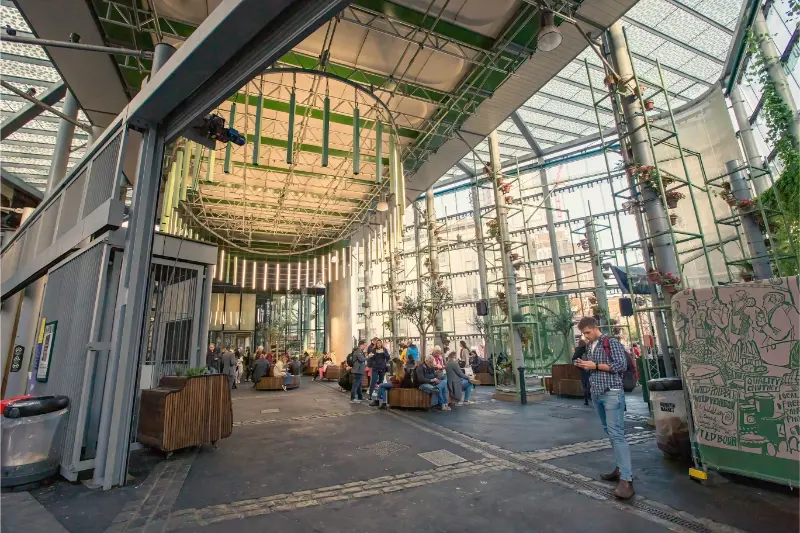
Indoor halls such as Seven Dials Market and covered arcades such as Brixton Village are useful in rain and for groups with different diets. The trade-off is that they can feel more like organised dining venues than open-air street markets. That can be an advantage with children because seating, toilets and shelter are more predictable.
Food hygiene and allergens
Legitimate market traders operate within food-hygiene rules, but visitors with severe allergies still need to ask about cross-contact, shared fryers and sauces. Busy stalls may have less space to manage complex requests than a full restaurant. If communication is unclear, choose another trader. Curiosity is not worth an allergy risk.
Cards, cash and tipping
Contactless is widespread and many traders are cashless. Counter-service street food does not normally require tipping. If a card terminal offers a gratuity screen, it is optional. Carry a backup payment method because a market stall’s card reader or network can fail.
Street food with children
Go before peak lunch, share familiar and adventurous dishes, and identify somewhere to sit before buying hot food. Children carrying open containers through a crowded market is stressful. Greenwich and Southbank are easy to combine with family attractions; Camden works better with older children and teenagers who enjoy the atmosphere.
A guided street-food tour: worth it?
A tour is worthwhile when the guide provides migration, market and neighbourhood history, not simply a list of stalls. East End and Borough tours can be particularly strong because the food story is inseparable from trade and immigration.
Affiliate link. Dreaming London may earn a commission from qualifying bookings at no extra cost to you.
Frequently asked questions
What is the best street food market in London?
For a first visit, Borough is the strongest all-round market; Camden has the broadest mixed-market atmosphere; Brick Lane is strongest on a weekend; Greenwich works best as part of a sightseeing day.
Is London street food cheap?
Sometimes, but not automatically. Compare portion size and final cost with casual restaurants. Sharing several dishes often gives better value.
Which day is best?
Weekends produce the widest market choice, but also the largest crowds. Borough has extensive weekday trading, while some other markets are heavily weekend-focused.
Bottom line
Treat London street food as a neighbourhood experience rather than a list of viral stalls. Pick one market that fits the day, browse before ordering, share dishes, skip absurd queues and use the food to understand the area around you. The trader may change next year; the strategy will still work.
Season and weather change the experience
A sunny Saturday can make an outdoor market feel festive and also create the longest queues. Rain can reduce crowds but make standing with open food awkward. In winter, hot dishes are appealing but daylight disappears early; in summer, shade and cold drinks matter more. Have one indoor backup such as Seven Dials or Brixton Village when the forecast is poor.
Markets are also affected by special events and holiday schedules. Check the market’s own channels before travelling, especially around Christmas, New Year and bank holidays.
Extra planning note
Keep your itinerary flexible enough to abandon a market that is uncomfortably crowded. London has alternatives. If Borough is overwhelming at noon, walk toward Bermondsey or find a sit-down meal; if Camden is packed, continue along the canal. A food experience should not become an endurance test simply because it was planned in advance.
Extra planning note 2
Keep your itinerary flexible enough to abandon a market that is uncomfortably crowded. London has alternatives. If Borough is overwhelming at noon, walk toward Bermondsey or find a sit-down meal; if Camden is packed, continue along the canal. A food experience should not become an endurance test simply because it was planned in advance.
Extra planning note 3
Keep your itinerary flexible enough to abandon a market that is uncomfortably crowded. London has alternatives. If Borough is overwhelming at noon, walk toward Bermondsey or find a sit-down meal; if Camden is packed, continue along the canal. A food experience should not become an endurance test simply because it was planned in advance.
Extra planning note 4
Keep your itinerary flexible enough to abandon a market that is uncomfortably crowded. London has alternatives. If Borough is overwhelming at noon, walk toward Bermondsey or find a sit-down meal; if Camden is packed, continue along the canal. A food experience should not become an endurance test simply because it was planned in advance.
Extra planning note 5
Keep your itinerary flexible enough to abandon a market that is uncomfortably crowded. London has alternatives. If Borough is overwhelming at noon, walk toward Bermondsey or find a sit-down meal; if Camden is packed, continue along the canal. A food experience should not become an endurance test simply because it was planned in advance.
Extra planning note 6
Keep your itinerary flexible enough to abandon a market that is uncomfortably crowded. London has alternatives. If Borough is overwhelming at noon, walk toward Bermondsey or find a sit-down meal; if Camden is packed, continue along the canal. A food experience should not become an endurance test simply because it was planned in advance.
Street-food timing and queue strategy
Keep your itinerary flexible enough to abandon a market that is uncomfortably crowded. London has alternatives. If Borough is overwhelming at noon, walk toward Bermondsey or find a sit-down meal; if Camden is packed, continue along the canal. A food experience should not become an endurance test simply because it was planned in advance.