
Eating cheaply in London does not require spending the whole trip on supermarket sandwiches. The city is expensive, but it also has bakeries, markets, cafés, takeaway counters, pub specials, immigrant-food neighbourhoods and lunch deals that let you eat interesting food without turning every meal into a major expense. The key is to decide which meal deserves money and which meals simply need to be good.
A budget food plan works best when it is connected to your route. Travelling forty minutes for a £3 saving is not economical once you count time and transport. This guide focuses on patterns that work across London and links them to the neighbourhood and market guides already on Dreaming London.
The budget rule: spend on one meal, simplify the others
Choose the food experience you care about most each day—Sunday roast, afternoon tea, Borough Market tasting, a good Indian dinner—then make breakfast and the remaining meal simpler. This produces a much better trip than trying to find the absolute cheapest option three times a day or, at the opposite extreme, booking three destination restaurants.
Breakfast: the easiest place to save
If your hotel includes breakfast at a reasonable rate, use it. If not, traditional cafés, bakeries and simple grab-and-go breakfasts can be far cheaper than fashionable brunch restaurants. A full English breakfast can be a filling late breakfast that reduces the need for an expensive lunch, but do not make every morning a heavy cooked meal.
Supermarket meal deals: useful, not a food strategy
Major supermarket and convenience chains sell packaged lunch combinations that can be excellent for train days, park picnics or moments when time matters more than culinary discovery. Use them strategically. A sandwich, snack and drink beside Hyde Park can free budget for dinner; eating the same meal in your hotel every day wastes one of London’s strongest cultural assets.
Markets: share and sample instead of buying three full meals
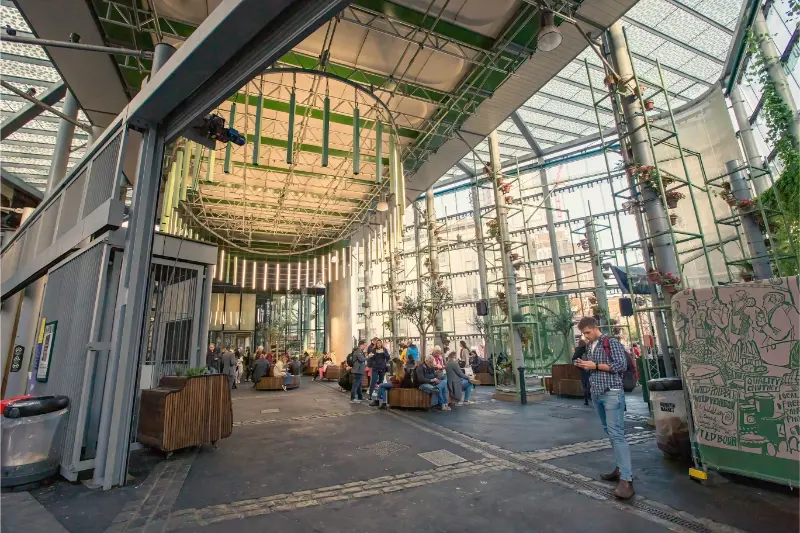
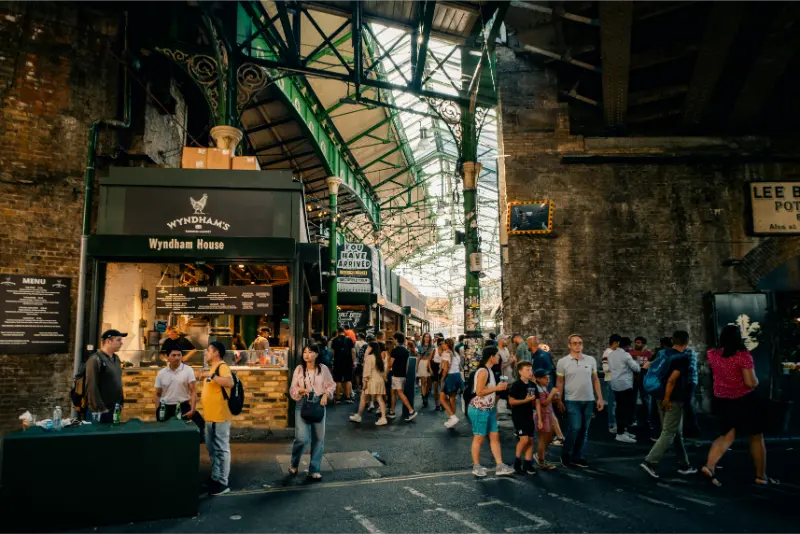
At markets, portion control matters. Two people can share two or three dishes and taste more cuisines for less than ordering a full serving each at every stall. Our London food markets guide compares Borough, Camden, Greenwich, Brixton and other options. Browse once before choosing so you do not spend half the budget at the first photogenic stall.
Look for lunch menus and early dining
Restaurants that are expensive at dinner can have better-value lunch menus, pre-theatre menus or weekday offers. This is especially useful around Soho, Covent Garden, Marylebone and the City. Check the restaurant’s own site rather than assuming an offer shown on an old list still exists. A fixed lunch followed by a lighter dinner can make a higher-quality restaurant affordable.
Use neighbourhoods with genuine everyday food
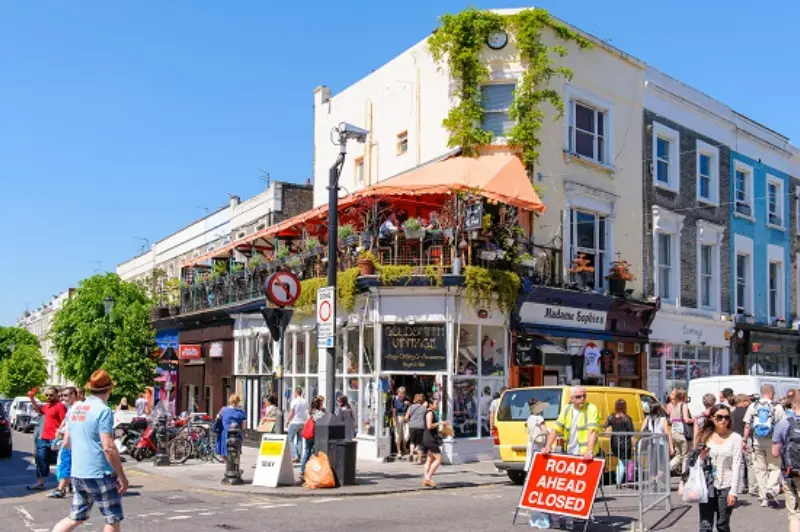
Chinatown, Brixton, parts of the East End, Southall and areas with large local communities can deliver better value and more variety than streets directly beside major monuments. Our Chinatown guide, Brixton guide and Indian food guide explain how to use those areas without treating them as “cheap food zones” detached from their history.
Pub food: value depends on the pub
A pub meal can be good value when portions are substantial and the menu is straightforward, but central gastropubs can be as expensive as restaurants. Fish and chips, pies, sausages and mash or a Sunday roast may replace both lunch and dinner for some travellers. Compare the total bill including drinks and service charge. Our British pub food guide covers the menu language.
Drink tap water instead of buying bottles everywhere
In restaurants, asking for tap water is normal. Carry a refillable bottle during the day. Repeated bottled drinks, specialty coffees and alcohol can quietly cost more than lunch. If you want pub atmosphere but not a large alcohol bill, one drink followed by water or a low/no-alcohol option is perfectly normal.
Service charge can change the real price
A £20 menu item may not mean a £20 final restaurant cost. Many sit-down restaurants add a discretionary service charge, often around 12.5%. Check the bill before adding another tip. Counter-service and takeaway food normally does not carry the same expectation. See our restaurant etiquette guide and money guide for the details.
Do not waste money on “views” when you only want the meal
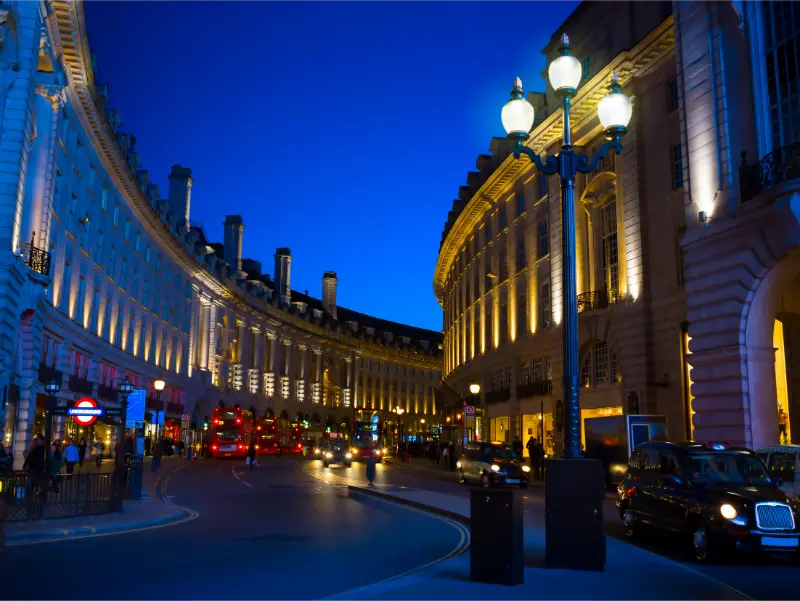
Restaurants near major attractions may charge partly for location. If the food matters more than the landmark, walk five to ten minutes into a side street or neighbourhood. Conversely, if a river or skyline view is the experience you want, accept the premium consciously rather than complaining that the plate was not cheap. Budgeting works when you know what you are paying for.
A realistic low-cost food day
| Meal | Strategy |
| Breakfast | Bakery/café or included hotel breakfast |
| Lunch | Market dish, café set meal or takeaway picnic |
| Snack | One planned coffee/pastry rather than constant impulse stops |
| Dinner | Neighbourhood restaurant, pub or early fixed-price menu |
| Drinks | Refillable water bottle; choose alcohol intentionally |
Families: where budget disappears fastest
Children often need snacks, drinks and flexible meal times, which can create constant small purchases. Carry water and one familiar snack, then use food halls or markets when everyone wants something different. Book restaurants only when the experience matters. Our family accommodation guide also explains why a room with breakfast or a simple kitchenette can reduce costs.
Common false economies
- Choosing a far-away restaurant to save a few pounds, then paying extra transport.
- Skipping breakfast and buying expensive snacks all morning.
- Buying individual bottled drinks all day.
- Ordering a second tip on top of service charge.
- Booking a hotel far outside central London solely for a low room rate, then losing time and money commuting.
- Avoiding every paid food experience and ending the trip without trying the dishes you cared about.
Frequently asked questions
How much should I budget for food in London?
There is no useful single number because a supermarket lunch and a West End restaurant are different products. Build a daily range from your actual style; our London trip cost guide provides a broader budgeting framework.
Is street food always cheaper?
No. Popular market dishes can approach restaurant prices, especially for large portions or premium ingredients. Markets are valuable for variety and sharing, not automatically for rock-bottom prices.
Can you eat cheaply in central London?
Yes, particularly through cafés, bakeries, Chinatown, supermarkets, food halls and lunch deals. Moving one or two streets away from a landmark often improves choice.
Bottom line
The best London food budget is selective rather than restrictive. Save on routine breakfasts, drinks and convenience meals; spend on the roast, market, curry or afternoon tea you genuinely want. Read service charges, eat near the neighbourhood you are visiting and judge value by the whole day rather than by the cheapest possible plate.
Use your accommodation strategically
A hotel room with a kettle can cover tea, instant breakfast oats or a simple evening snack; an aparthotel or room with a kitchenette can help families enormously. But do not pay a large nightly premium for a kitchen you will use once. Calculate the actual number of meals you expect to prepare. Sometimes a central room without a kitchen saves more money overall by reducing transport and letting you return for a short rest instead of buying extra café stops.
If breakfast costs extra, compare its daily price with nearby cafés before automatically adding it to the booking. Convenience has value on early tour days, but a seven-day breakfast package can be wasteful if half your mornings start elsewhere.
Extra planning note
Budget travellers should also price time. A one-hour detour to save £5 can be poor value on a short trip, while a slightly more expensive meal beside the next attraction may allow another museum room, park walk or early night. The cheapest meal and the best-value meal are not always the same thing.
Extra planning note 2
Budget travellers should also price time. A one-hour detour to save £5 can be poor value on a short trip, while a slightly more expensive meal beside the next attraction may allow another museum room, park walk or early night. The cheapest meal and the best-value meal are not always the same thing.
Extra planning note 3
Budget travellers should also price time. A one-hour detour to save £5 can be poor value on a short trip, while a slightly more expensive meal beside the next attraction may allow another museum room, park walk or early night. The cheapest meal and the best-value meal are not always the same thing.
Extra planning note 4
Budget travellers should also price time. A one-hour detour to save £5 can be poor value on a short trip, while a slightly more expensive meal beside the next attraction may allow another museum room, park walk or early night. The cheapest meal and the best-value meal are not always the same thing.
Extra planning note 5
Budget travellers should also price time. A one-hour detour to save £5 can be poor value on a short trip, while a slightly more expensive meal beside the next attraction may allow another museum room, park walk or early night. The cheapest meal and the best-value meal are not always the same thing.