

London in one day is not a miniature version of a week-long trip. It is a routing problem: you need a compact line through the city that delivers famous views, one or two meaningful interiors and enough street-level atmosphere to feel you were actually in London. The best one-day plan therefore rejects several excellent attractions. That is not a failure; it is the reason the day works.
If this is your first visit, keep our first-time London guide open beside this itinerary. It covers arrival strategy, neighbourhood choice and the practical decisions that do not belong inside a day-by-day plan. For transport, the London transport guide explains contactless, Oyster and why walking between nearby sights is often faster than changing Tube lines.
ROUTE MAP
London in One Day – route map
Use the map as a planning overview. The numbered markers follow the order suggested in this guide; exact walking and transport choices can change with closures, weather and your bookings.
- Buckingham Palace
- Westminster Abbey & Big Ben
- Trafalgar Square
- Covent Garden
- Soho
- South Bank & London Eye
| Best for | A first taste of central London |
|---|---|
| Paid interiors | Choose one: Westminster Abbey or another priority |
| Walking | High – wear comfortable shoes |
| Best evening | Soho/Covent Garden or South Bank |
| Rule | Do not cross the city for a single attraction |
The one-day route at a glance
Start at Westminster early, walk through St James’s Park to Buckingham Palace, continue to Trafalgar Square, Covent Garden and Soho, then use the late afternoon or evening for the Thames. If you have never seen Tower Bridge and the Tower of London, you can instead use the afternoon for the river and Tower area, but that requires a faster pace. The route below keeps the first half compact and gives you a choice later.
Westminster first: start with the London you came to see
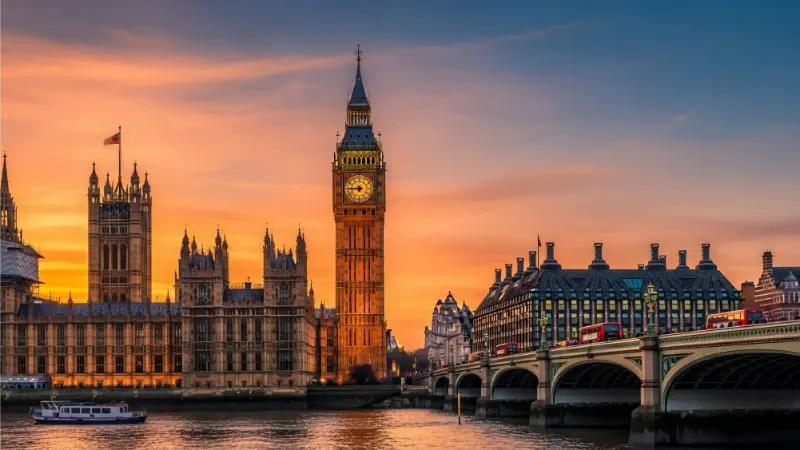
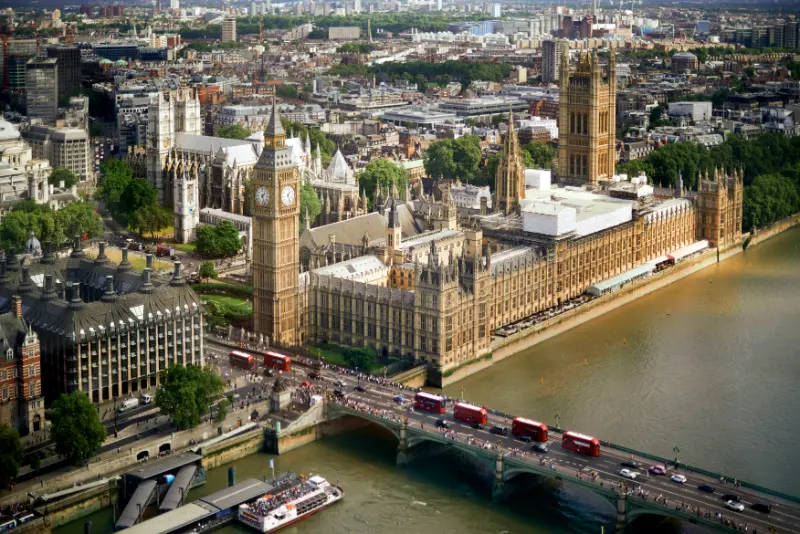
Begin around Westminster before the central streets become their busiest. Big Ben, the Houses of Parliament and Westminster Abbey sit within a few minutes of one another, which makes this the most efficient place to collect several headline views without repeatedly using the Tube. If the Abbey is a priority, treat it as the morning anchor rather than squeezing it between exterior photos. Our Westminster Abbey guide explains how long to allow and why a rushed visit misses most of the building’s story.
From Parliament Square, walk through St James’s Park toward Buckingham Palace instead of taking transport. The walk is part of the experience: the lake, Horse Guards area and changing sightlines make the royal quarter feel connected rather than a checklist of isolated landmarks. Buckingham Palace is highly seasonal inside, so do not build an itinerary around State Rooms access until you have checked your exact date. Even when the palace interior is unavailable, the area works well as a walking section.
The key time-saving move here is to choose one major interior, not three. Westminster Abbey, Churchill War Rooms and Buckingham Palace can each absorb a significant part of a day. Trying to do all of them before lunch creates queues, security checks and museum fatigue. For a short trip I would normally pick the one that best matches your interests, then use the rest of Westminster outdoors.
Trafalgar Square, Covent Garden and Soho: a compact afternoon
Continue toward Trafalgar Square. The National Gallery is free for its main collection, so it works unusually well as a selective stop: choose one wing or a handful of paintings rather than turning a short London day into a museum marathon. From there, Covent Garden is close enough to reach on foot, with Seven Dials and Soho forming a natural continuation rather than separate journeys.
The value of this area is choice. If the weather turns, you have galleries, shops, cafés and theatres. If the weather is good, the streets themselves are the attraction. Our Covent Garden guide and Soho guide go much deeper, but for an itinerary the important point is not to zigzag. Walk Trafalgar Square → Covent Garden → Seven Dials → Soho, then decide whether the evening is dinner, a pub or a West End show.
For theatre, book the performance around the rest of the day rather than the other way around. A 19:30 curtain usually leaves enough time for an early dinner nearby. Our West End theatre guide explains seating, ticket strategy and how to avoid paying for a premium location you may not need.
Late afternoon: choose the Thames, not another museum
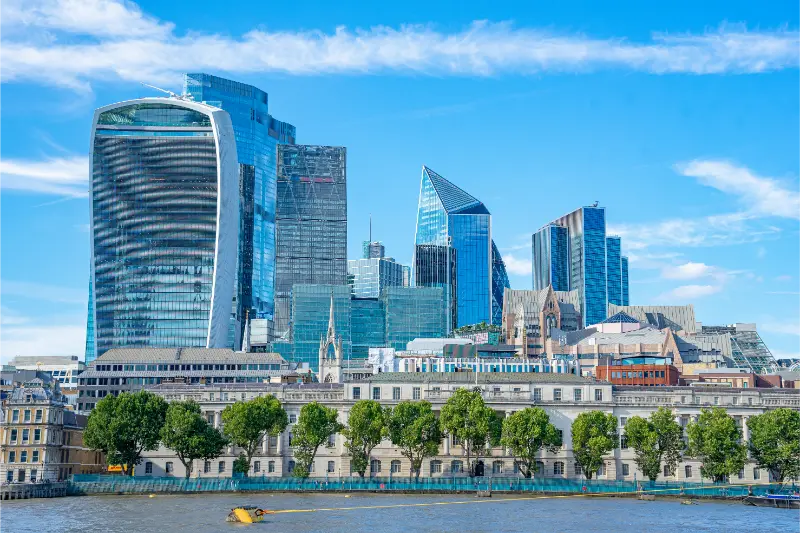
From the West End, walk back toward the river. Crossing at the Golden Jubilee Bridges gives a strong view toward Westminster and places you on the South Bank. Continue only as far as your energy allows. The South Bank guide can take you all the way toward Borough Market and Tower Bridge, but a one-day visitor does not need to finish the route. London rewards stopping.
If the Tower of London is non-negotiable, reverse the logic: visit the Tower first, see Tower Bridge, then use a river boat or Underground connection to Westminster for the afternoon. Do not attempt a full Tower visit, Westminster Abbey, Buckingham Palace interior and West End museum in the same day. Security and queues make that plan fragile.
How much should you pre-book?
Pre-book the attractions where capacity or seasonal access genuinely matters, then leave the rest of the day loose. Tower of London, Westminster Abbey, some royal sites, popular temporary exhibitions and major West End shows are the kinds of experiences where a fixed slot can protect the itinerary. Free museums often allow more flexibility, although advance free tickets can sometimes reduce entry friction.
If you want guided experiences, compare tours by starting point, duration and what is actually included rather than by the number of landmarks named in the title. A walking tour can be excellent on the first morning because it provides orientation; a coach tour is less useful if it simply repeats places you will already visit independently.
Affiliate link. Dreaming London may earn a commission from qualifying bookings at no extra cost to you.
Where to stay for this itinerary
For a short first trip, location usually matters more than saving a small amount on the room. Covent Garden, Westminster, South Bank, Bloomsbury, Paddington and areas around the Elizabeth line or strong Tube interchanges can all work, depending on airport and budget. Our where to stay in London guide compares the trade-offs instead of naming one “best” neighbourhood for everyone.
The transport rule that saves the most time
Walk when the next attraction is roughly fifteen to twenty minutes away and the route itself is interesting. Use the Tube or bus for genuine jumps between clusters. Constantly descending into stations for one or two stops often saves less time than expected, especially with bags, children or mobility constraints. Use TfL live information on the day and keep contactless/Oyster payment consistent so capping works correctly.
What to cut if you fall behind
Cut optional interiors before cutting meals, rest or the main attraction you cared about most. London itineraries fail when every delay creates a chain reaction. A café break, twenty minutes in a park or simply sitting by the Thames can restore the day more effectively than forcing one extra gallery because it appeared on a list.
Rain, heat and winter daylight
London weather rarely requires abandoning a day, but it often rewards reordering it. Put museums into the wettest period and use parks or long river walks when conditions improve. In winter, prioritise outdoor viewpoints and neighbourhood photography earlier because daylight disappears quickly. In warm weather, remember that long Underground journeys and crowded indoor attractions can be more tiring than expected. Our best time to visit London guide explains seasonal trade-offs in more detail.
Common itinerary mistakes
- Booking paid attractions on opposite sides of London back-to-back.
- Treating every free museum as a quick stop just because admission costs nothing.
- Planning lunch at the busiest market at exactly peak time without an alternative.
- Ignoring walking time inside large stations and major attractions.
- Scheduling every evening before knowing how tiring the daytime route will be.
- Keeping no flexibility for weather, transport disruption or simple fatigue.
Frequently asked questions
Is 1 day enough for London?
It is enough for a strong introduction, not a complete visit. Focus on one central route and accept that the Tower, major museums and outer neighbourhoods may need another trip.
Should I buy an attraction pass?
Only after you have a draft itinerary. A pass can save money when several included paid attractions fit naturally into the same days, but it can also encourage rushed sightseeing. Use our dedicated London attraction passes guide to calculate value from your actual plans.
Do I need an Oyster card?
Not necessarily. Contactless payment and Oyster both support pay as you go on TfL services. The right choice depends on your cards, age, concessions and trip circumstances; see the transport guide before buying anything.
Final planning principle
A successful London itinerary is not the one with the most attractions. It is the one where the important places receive enough time and the route between them feels like part of the trip. Use this schedule as a framework, then remove anything that does not match your interests. London will still be here for the next visit.