
Seeing a West End show can be one of the best evenings in London, but buying theatre tickets is more confusing than it should be. Prices vary dramatically by seat, date and production; famous shows can sell months ahead; last-minute discounts sometimes exist; and two seats in the same price band can offer very different views. The goal is not simply to find the cheapest ticket. It is to understand what you are buying and fit the performance into a day that does not leave you exhausted before curtain-up.
This guide focuses on the practical side of a London theatre night: choosing a show, reading seat descriptions, buying through reliable channels, planning food and transport, and connecting the evening with Covent Garden, Soho or our three-day London itinerary.
| Best for | Couples, families, solo travellers and evening culture |
|---|---|
| Where | Mainly West End theatres around Covent Garden, Soho, Leicester Square and nearby streets |
| Booking strategy | Book must-see productions early; stay flexible for last-minute value |
| Seat rule | Check restricted-view notes and theatre-specific seating plans |
| Transport | Most theatres are walkable from several central Tube stations |
Choose the show before chasing a discount
A 50% discount on a production you do not care about is not better value than paying more for the show you travelled to see. Start with preference: musical, play, family production, comedy or something experimental. Then decide whether the show is a must-do or simply an evening activity. That distinction determines how early you should book.
Reliable ticket sources
For a specific production, the theatre or official production website is a logical first check. For broader comparison and legitimate discount inventory, Official London Theatre is run by the Society of London Theatre. Its Leicester Square ticket booth and online service offer theatre tickets, and profits support the theatre industry. Check Official London Theatre’s ticket booth information rather than assuming every “half-price” kiosk around the West End is equivalent.
How to think about seat value
The cheapest seat can be excellent value or genuinely frustrating. Theatre architecture varies: a high balcony may feel distant in one venue but surprisingly good in another; a side seat may lose part of the stage; a column or safety rail can affect sightlines. Read the exact restriction and look at theatre-specific seating information before paying.
For musicals, central visual composition can matter; for dialogue-heavy plays, acoustics and proximity may matter more. If you are tall, have limited mobility or dislike steep balconies, comfort may be worth more than a small price saving.
Matinee or evening?
A matinee can solve several itinerary problems. It leaves the evening free for dinner and walking, may be easier for families and can fit a rainy afternoon. Evening performances create the classic West End atmosphere and pair naturally with Soho or Covent Garden. Check performance schedules carefully because matinee days vary by production.
Do not overfill the sightseeing day
Theatre nights are more enjoyable when you are not arriving after twelve hours of walking. On a show day, make the afternoon lighter: a museum, a neighbourhood walk or a long lunch. Westminster plus the Tower of London plus shopping plus a 19:30 musical is technically possible and often miserable.
A good pre-theatre plan
- Finish major sightseeing at least 90 minutes before you need to be at the theatre.
- Eat near the theatre rather than crossing London for a famous restaurant.
- Confirm the exact venue; some productions have similar names or multiple associated theatres.
- Arrive with enough time for security, toilets and finding your seat.
- Keep the post-show plan simple: a short walk, drink or direct transport back to the hotel.
Covent Garden, Soho or Leicester Square before the show?
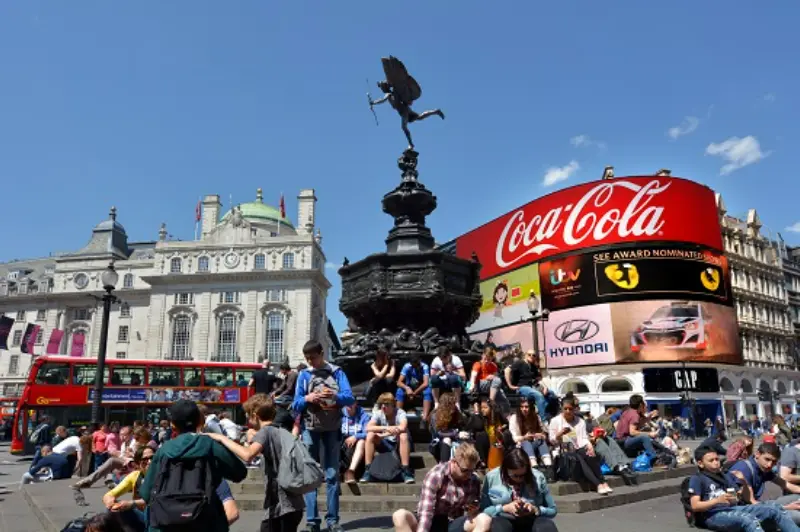
Covent Garden is strong for an atmospheric walk and early dinner; Soho offers the broadest food and nightlife choice; Leicester Square is convenient but can feel intensely touristy. Your theatre location should decide the neighbourhood. Our Covent Garden and Soho guides help you build the walk rather than bouncing between districts.
Theatre with children
Check the production’s age guidance and venue rules before promising a show. Running time matters as much as content, especially for an evening performance. A child who loves the story can still struggle with a late finish after a full sightseeing day. Matinees are often the safer family choice.
Dress code
Most West End theatres do not require formal dress for ordinary performances. Wear something comfortable enough to sit in for several hours and appropriate for the weather outside. A special outfit can be part of the fun, but do not let outdated dress-code myths make the evening less practical.
Intervals, late arrival and phones
Performance rules vary, but latecomers may have to wait for a suitable admission point, and some productions restrict re-entry. Switch phones off rather than merely dimming the screen. Photography and recording are generally restricted during performances. Follow the venue’s instructions rather than assuming rules from another theatre apply.
Last-minute tickets
Last-minute inventory can produce excellent value when you are flexible about the show, date and seat. It is a poor strategy for a must-see production on your only free night. Use official channels and compare the actual seat location, not just the discount percentage. Dynamic pricing also means the same production can look very different across dates.
Where to stay for theatre-heavy trips
Soho, Covent Garden, Bloomsbury, Mayfair edges and parts of Westminster can all make West End evenings easy, but hotel prices vary sharply. Staying directly beside a theatre is not necessary if you are within a simple Tube or bus journey. Compare the broader areas in our where to stay in London guide.
Affiliate link. Dreaming London may earn a commission from qualifying bookings at no extra cost to you.
Frequently asked questions
How early should I book a West End show?
Book early for a specific popular production, limited run, weekend or holiday date. Stay flexible if price matters more than the exact show.
Are TKTS tickets legitimate?
The Official London Theatre ticket booth in Leicester Square is run by the Society of London Theatre and is a recognised source for theatre tickets and deals.
What should I wear?
Smart casual is common, but formal wear is not generally required. Comfort and weather matter more.
Can I take children?
Often yes, but age limits, content guidance and running times vary by production and venue. Check before booking.
Why theatre can be more memorable than another attraction
A show gives the itinerary a different kind of anchor. Instead of collecting another view or historic room, you share a live event with an audience in a city where theatre is part of the cultural identity. Plan the practical details well, leave energy for the performance and the West End can become the evening you remember most clearly from the trip.
Cheap tickets: understand the difference between discounts, rush and lotteries
There is no single universal “cheap West End ticket” system. Some productions offer digital lotteries, day seats or rush tickets; others use official ticket booths, dynamic pricing or last-minute releases. Policies belong to the individual production and can change during a run, so use the show’s official website or an authorised seller for the current method.
A discount is only good value if the seat suits you. A heavily reduced restricted-view ticket can be perfect for a show you mainly want to hear, and frustrating for choreography or visual spectacle. Read the seat description before paying.
How to judge a seat without obsessing over the perfect row
West End theatres vary enormously in size and shape. “Stalls,” “dress circle” and “upper circle” do not guarantee the same experience in every building. Look at the theatre’s own seating plan and, where available, verified view information. Pay attention to pillars, overhangs, very steep upper levels and whether a child will be able to see over the person in front.
For many productions, a central seat slightly farther back is better than a much closer seat at an extreme side angle. For intimate plays, proximity can matter more. The show itself should influence the seat choice.
Accessibility should be arranged with the theatre, not guessed from the seating map
Historic theatres can have stairs, narrow corridors and layouts that are not obvious online. If step-free access, wheelchair space, hearing support, relaxed performances or companion seating matter, contact the theatre or official box office before purchase. Do not assume the cheapest online seat can be exchanged later for an accessible position.
Arrival times may also differ for access arrangements, so keep the confirmation and any instructions offline on your phone.
Dinner before the show: stay close
The classic mistake is booking a restaurant across central London because it has better reviews. Theatre evening logistics are much easier when dinner is within walking distance. Soho, Covent Garden, Chinatown and Seven Dials provide enough variety that you rarely need a Tube journey between meal and curtain.
Allow more time than the restaurant’s estimated service. If dinner becomes slow, paying the bill early and skipping dessert is better than arriving stressed after the doors close. Our Chinatown and Leicester Square guide and Soho guide help with the surrounding evening.
After the show: know the route home before the applause
Thousands of people can leave nearby theatres at similar times. Save the walking route to your station or hotel before the performance, especially if the show ends late or you are travelling with children. A ten-minute walk to a less crowded station can sometimes be more comfortable than joining the nearest entrance immediately.
Check service changes on the day. London theatre is a night-time experience, but the transport network does not operate identically every night on every line.