Tate Modern is one of London’s defining cultural spaces, but the building can make first-time visitors feel as though they are missing something. The former Bankside Power Station is enormous, the permanent collection is spread across more than one building and several levels, displays change, major exhibitions require separate tickets, and the Turbine Hall can absorb attention before you have seen a single collection room. The solution is not to memorise a perfect room-by-room route. It is to understand how Tate Modern works and decide what kind of visit you want.
For most travellers, two to three hours is enough for a strong first experience. General collection displays are free, while major temporary exhibitions are ticketed. Tate’s 2026 map shows collection displays across several levels of the Natalie Bell and Blavatnik buildings, connected by bridges, with the Turbine Hall at the heart of the complex. Check the official Tate Modern visitor information and current map before travelling because individual displays change frequently.
| Best for | Modern and contemporary art, architecture, rainy days |
|---|---|
| Permanent collection | Free |
| Good first-visit length | 2–3 hours |
| Location | Bankside, beside the Thames |
| Best pairing | South Bank, Shakespeare’s Globe, Borough Market, St Paul’s |
Start with the building
Before choosing artworks, give the building ten minutes. The power station’s scale explains the museum’s personality: vast industrial volume, long vertical routes, unexpected bridges and a central hall designed for work that would overwhelm a conventional gallery. The Turbine Hall is not simply a lobby. It has become one of the world’s best-known spaces for large-scale commissions and public art.
Stand at one end and look through the full length of the hall, then look upward. This gives you an orientation point that will be useful later. When you become disoriented between levels, return mentally to the Turbine Hall and the river side of the building.
Do not search for a single chronological route
Visitors often expect a museum to begin in 1900 and progress neatly decade by decade. Tate Modern has frequently organised collection displays around themes, media and ideas rather than a single timeline. That can be confusing if you expect a textbook sequence, but it becomes interesting once you start comparing works across countries and generations.
Choose two or three themes that genuinely interest you: abstraction, photography, political art, performance, material experimentation, post-war painting, installation, moving image. Spend time there, then use the rest of the museum as discovery. Displays evolve, so an article that promises “Room 4, then Room 7, then Room 9” becomes outdated quickly.
A realistic two-hour route
Begin in the Turbine Hall, then go directly to one major collection level rather than browsing shops and cafés first. Spend about forty-five minutes in your first cluster of galleries. Cross into the other building to understand the architecture and see a contrasting group of works. Take a short break, then spend another forty-five minutes on a second area. Finish with a final circuit through the Turbine Hall or the river side of the museum.
The important part is to leave one third of your time unassigned. Contemporary art often produces stronger reactions—positive or negative—than visitors expect. If a room makes you curious, stay. If it does nothing for you, move on. You do not receive a prize for completing the floor plan.
How to look at contemporary art when you “don’t get it”
You do not need to like every work, and you do not need specialist vocabulary. Start with physical questions. What is the object made from? How does its scale affect you? Does it require movement, sound or time? Why might the artist have chosen this material instead of paint or stone? What changes when an everyday object enters a museum? Only then read the label. This order makes the experience less like homework.
If a work still leaves you cold, that is a legitimate response. Spend energy on the next room. Tate Modern is large enough that forcing yourself to admire every canonical work is the fastest route to museum fatigue.
Should you pay for a temporary exhibition?
Ticketed exhibitions can be excellent, but do not assume they are necessary to “complete” Tate Modern. If a particular artist matters to you, book it and organise the free collection around that timed entry. If the exhibition is only vaguely interesting, the permanent collection can easily fill your visit for free. In 2026, Tate continues to run major ticketed exhibitions alongside free collection displays, so always check what is on for your exact date.
For a blockbuster exhibition, avoid stacking another major museum on the same day. A paid exhibition plus free collection rooms can already be a three- to four-hour art session.
The best way to connect Tate Modern with London
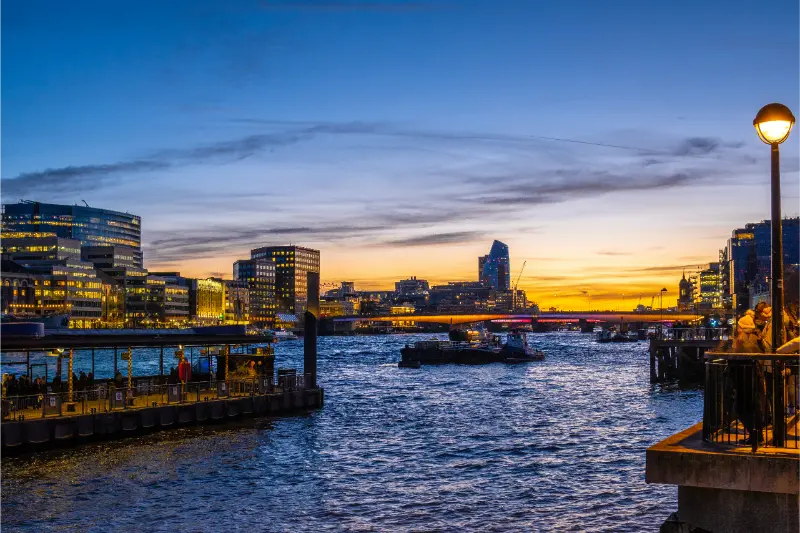
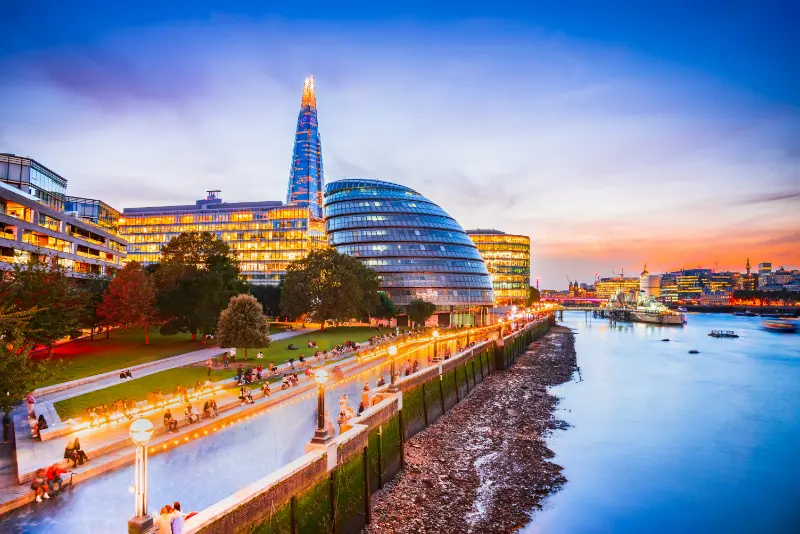
Tate Modern sits on one of London’s strongest walking corridors. Walk west along the river for the South Bank, visit Shakespeare’s Globe, or continue to Borough Market. Cross the Millennium Bridge for St Paul’s Cathedral and the City. Continue east for Borough Market and then toward Tower Bridge if you have the energy.
This is why I rarely recommend travelling to Tate Modern only for the museum and immediately taking the Tube away. The riverside setting is part of the visit. Even in poor weather, a short walk across the Millennium Bridge gives the building context. If you are comparing London’s two Tate museums rather than trying to visit both in one day, see our Tate Britain guide for a very different collection and atmosphere.
Tate Modern with children
Children often respond well to the building’s scale, the Turbine Hall and artworks that use unusual materials. Keep the visit short and let them choose between rooms. A simple challenge—find the largest work, the strangest material, the piece that looks hardest to make—works better than explaining movements in modern art. Combine the museum with a riverside walk rather than another long indoor attraction.
If you are planning a family itinerary, use our London with kids guide and the Science Museum guide to balance art with more interactive days.
Photography, bags and practical rhythm
Rules can vary by exhibition and artwork, so follow gallery signage rather than assuming photography is always permitted. Travel light. Large museums become noticeably less comfortable when you are carrying shopping or luggage. If you have a timed exhibition, arrive early enough to orient yourself before entry instead of crossing the building in a rush.
Take a break before you feel exhausted. A ten-minute coffee or river view after ninety minutes preserves attention for the final galleries. Waiting until everyone is tired usually means the last half hour becomes purposeless wandering.
Common first-time mistakes
- Trying to understand every artwork before moving on.
- Assuming the permanent collection requires a ticket.
- Planning an exact room sequence months in advance even though displays change.
- Spending so long inside that there is no time for Bankside and the Thames.
- Adding the National Gallery or British Museum immediately afterward simply because both are free.
Frequently asked questions
Is Tate Modern free?
General admission to the collection displays is free. Major temporary exhibitions and some events are ticketed.
How long should I spend there?
Two to three hours is ideal for many first-time visitors. Art enthusiasts can spend much longer, especially with a paid exhibition.
Is Tate Modern worth visiting if I do not know modern art?
Yes, particularly if you treat the museum as exploration rather than a test. The building, Turbine Hall and variety of media make it accessible even without art-history knowledge.
What should I do after Tate Modern?
Walk. The most natural options are Shakespeare’s Globe and Borough Market, the wider South Bank, or St Paul’s Cathedral across the Millennium Bridge. Our best London walks guide helps connect these areas.
A better way to judge the visit
Do not ask how many galleries you completed. Ask whether you found three or four works you are still thinking about after leaving. Tate Modern is most rewarding when you allow surprise, disagreement and curiosity. Build a loose route, respect your attention span, and let the riverside location complete the experience.
Tate Modern or Tate Britain?
These museums are related but not interchangeable. Tate Modern focuses on international modern and contemporary art in an industrial Bankside setting. Tate Britain, in Millbank, concentrates on British art across a much longer historical span. If Turner, Constable, the Pre-Raphaelites or the development of British art matter more to you, Tate Britain may be the better single choice. If you want installation, twentieth-century experimentation, global modernism and a dramatic building, Tate Modern is usually the stronger first visit.
Trying to do both in one day is possible, but not automatically wise. They are connected by the Thames corridor and public transport, yet the real limitation is attention. Two large art museums can consume six hours before travel, lunch and breaks. On a short trip, choose one and combine it with a neighbourhood. On a longer trip, separate them so each has room to register.
Where to pause and reset
If you feel saturated, leave the galleries for ten minutes rather than forcing another floor. Look across the Thames, walk through the Turbine Hall or have a coffee. Contemporary art often needs mental space because the media, scale and ideas change rapidly from room to room. A deliberate pause is not wasted museum time; it is what allows the next section to feel distinct.