INDEPENDENT LONDON TRAVEL GUIDES

Dreaming London

PLAN • EXPLORE • EXPERIENCE LONDON

Author: Sophie

  • London with Teenagers: Things They Will Actually Enjoy

    London with Teenagers: Things They Will Actually Enjoy

    Teenagers rarely need a special ‘kids’ version of London. They need agency, variety and enough space in the schedule to care about what they are seeing. A day that mixes one major cultural sight with street food, music, football, shopping or a skyline view usually works better than a long chain of monuments chosen by adults.

    Give them one daily choice

    Let the teenager choose one neighbourhood, food stop or paid attraction each day. Ownership changes the mood of the whole itinerary.

    Street culture over endless museums

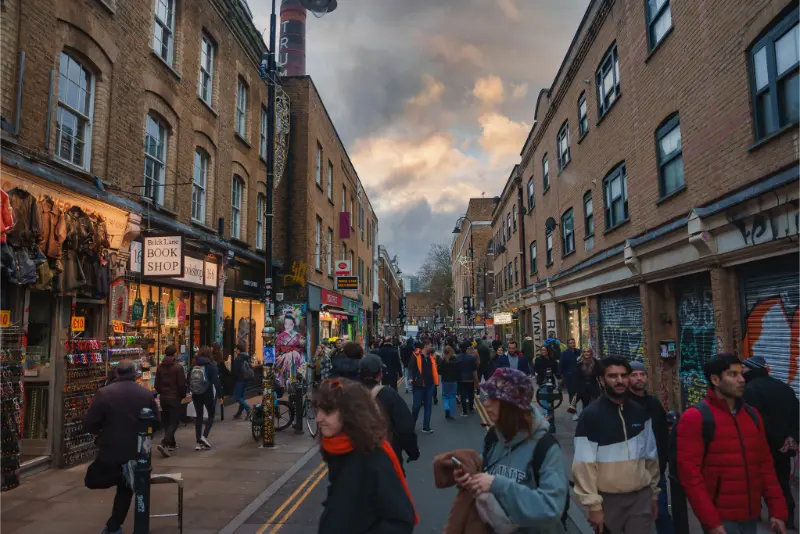
    Shoreditch, Camden and Brick Lane can add visual energy and shopping between more traditional sights.

    Views create an easy shared win

    Sky Garden is free with advance booking; The Shard and London Eye are paid alternatives with different experiences.

    Football and music can be the trip highlight

    A stadium tour, match, record shop or live-music area may create more lasting interest than another palace.

    Do not over-schedule evenings

    Older children can handle later days, but constant early starts plus late theatre or nightlife-style plans still leads to burnout.

    Tours and activities

    Useful related guides

    Continue planning with Camden, Shoreditch, football in London.

    Family mistakes that are easy to avoid

    • Booking consecutive timed attractions with no travel buffer.
    • Choosing restaurants only after children are already hungry.
    • Assuming every Underground station has lifts.
    • Treating parks as wasted sightseeing time.
    • Carrying a full adult itinerary into a family trip unchanged.

    Extra practical details worth knowing

    Teenagers often respond better to a neighbourhood challenge—find a record shop, street-art piece or food stall—than to passive sightseeing. This is the kind of small planning detail that becomes important only when you are already in the city, so deciding it before departure removes friction and keeps the day focused on London rather than logistics.
    Give older children their own Oyster/contactless plan so everyone understands how to move through gates safely. This is the kind of small planning detail that becomes important only when you are already in the city, so deciding it before departure removes friction and keeps the day focused on London rather than logistics.

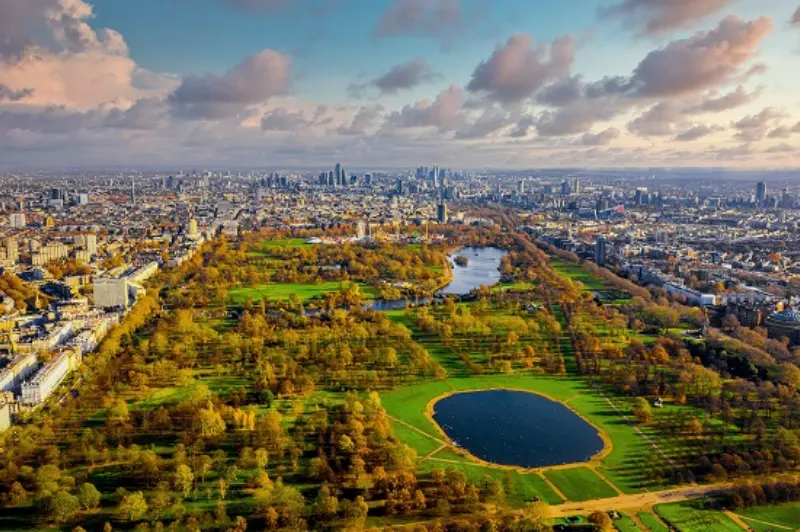
    Hyde Park Aerial View London

    Shopping time should be budgeted explicitly; Camden, Carnaby, Brick Lane and Oxford Street can consume hours. This is the kind of small planning detail that becomes important only when you are already in the city, so deciding it before departure removes friction and keeps the day focused on London rather than logistics.

    For social-media photos, viewpoints and colourful neighbourhoods often generate more enthusiasm than formal interiors where photography is restricted. This is the kind of small planning detail that becomes important only when you are already in the city, so deciding it before departure removes friction and keeps the day focused on London rather than logistics.

    A theatre show can work brilliantly with teenagers when they help choose the production rather than being told that West End theatre is compulsory. This is the kind of small planning detail that becomes important only when you are already in the city, so deciding it before departure removes friction and keeps the day focused on London rather than logistics.

    Give teenagers ownership of part of the itinerary

    Teenagers are more likely to engage when at least one part of each day reflects an interest they chose. That could mean football, fashion, music, street art, film locations, technology, photography, theatre or food. Ask for a shortlist before the trip and protect those choices instead of filling every hour with adult priorities.

    Ownership also helps with compromises. A morning at a historic site is easier to accept when the afternoon includes a neighbourhood, shop or experience they specifically requested. London has enough variety that a family rarely needs to choose between education and enjoyment all day.

    Use neighbourhoods as experiences

    Camden, Shoreditch, Soho, Covent Garden and Brick Lane can work well because teenagers can browse, eat and make choices rather than simply follow a guide through rooms. Set a meeting point and a realistic spending limit if older teens are allowed some independence. Crowded markets still require normal big-city awareness around phones and bags.

    A neighbourhood challenge can turn passive walking into something active: find a record shop, choose a food stall, photograph an architectural detail or compare two street-art areas. Keep the task light; the aim is curiosity, not turning the holiday into schoolwork.
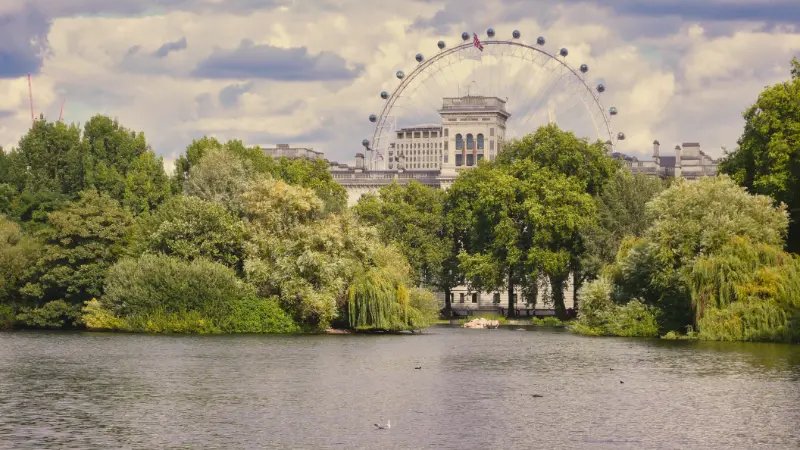
    London Eye from Park Across Lake

    Views, sport and live entertainment

    A skyline viewpoint, stadium tour or West End show can become the paid highlight of the trip, but let the teenager help choose which one deserves the budget. Some prefer a football ground to a royal palace; others care more about a musical or a concert. London rewards that personal approach because almost every interest has a strong option.

    Book the experience that would genuinely disappoint the family if it sold out, then leave the surrounding hours flexible. Teenagers often value unplanned time for shopping, food and photos more than another timed museum.

    Plan later starts when they improve the day

    Not every family needs to leave the hotel at 08:00. If your teenager is happier with a slower breakfast and the day’s main activity opens later, use the morning intelligently rather than creating conflict before sightseeing starts. A later start can pair well with an evening show, illuminated river walk or dinner in a lively neighbourhood.

    The exception is an attraction where early arrival materially reduces queues. Explain the trade-off instead of issuing a schedule: one early morning can buy a calmer visit and a freer afternoon.

    Money, phones and independence

    Agree spending boundaries before entering shopping districts and markets. If a teenager uses their own contactless card or device for transport, make sure they understand that it must be used consistently for touch-in and touch-out where required. Keep a backup plan for a dead battery or lost phone.

    Older teenagers may be capable of short periods on their own, but the decision depends on maturity and family rules. Choose simple, well-connected areas, set a meeting time and make sure everyone can reach the accommodation without relying on one person’s phone.

    A balanced teen day

    One workable pattern is a landmark or museum in the late morning, lunch in a food-focused area, two hours in a neighbourhood chosen by the teenager, then a break before an evening activity. The day contains structure without making the teenager feel escorted from compulsory sight to compulsory sight.
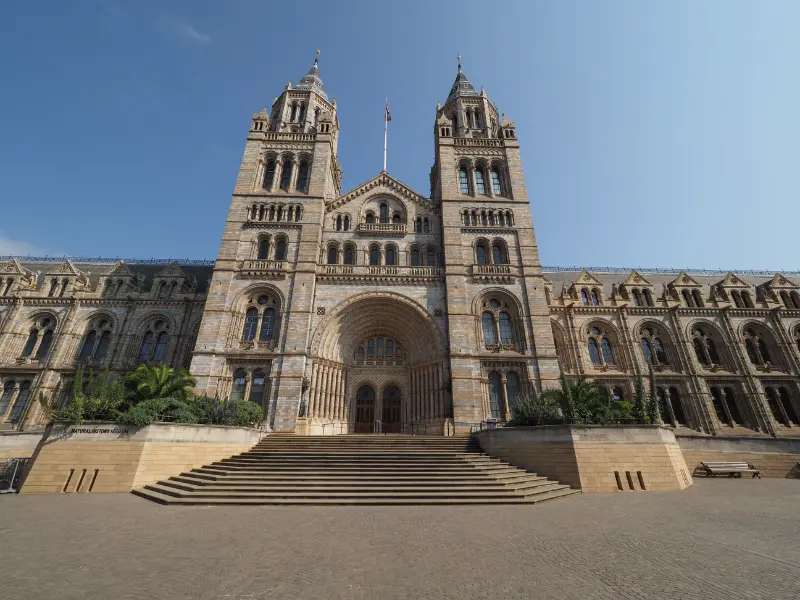
    Natural History Museum London

    The best result is not constant enthusiasm. It is enough that each person gets moments that feel like their London rather than somebody else’s itinerary.

    Let interests decide which museums deserve time

    Teenagers do not need to visit a museum simply because it is famous. A design-focused teenager may prefer the Design Museum or V&A; a science-focused visitor may enjoy the Science Museum; an art student may want Tate Modern or the National Gallery; a history enthusiast may choose the British Museum, Churchill War Rooms or a specialist site. Pick one or two that match the person rather than building a compulsory museum marathon.

    Before visiting, look at the current exhibition programme together and identify one room, object or temporary show worth seeking out. That gives the visit a purpose and makes it easier to leave when attention drops instead of wandering until everybody is bored.

    Build independence without losing the plan

    Older teenagers may enjoy choosing lunch, navigating one transport leg or spending a short period browsing a shop or market independently. Agree the meeting point, time and backup contact method in advance. A screenshot of the hotel address and a saved Tube map are useful if mobile data fails.

    London is a large city, so independence should match the teenager’s maturity and experience rather than their age alone. Busy transport hubs, late-night travel and crowded events require more structure than a daytime browse on a familiar high street. The aim is confidence, not forcing independence for its own sake.

    Evenings can be the highlight

    London works especially well for teenagers after the daytime sightseeing crowds begin to thin. A West End show, football match, concert, illuminated river walk, Chinatown meal or skyline view can give the trip a sense of occasion. Check age restrictions and finish times before buying tickets, particularly for music venues and comedy shows.

    If an evening event ends late, plan the route back before leaving the hotel. Our London at night transport guide helps with Night Tube, buses and fallback options. A smooth return matters more when everyone is tired.

    Give teenagers a role in the practical decisions

    Let an older teenager handle one real piece of trip planning: choosing the lunch area, checking the route to a stadium, comparing two show times or building a short shopping stop around the day’s geography. A useful task creates ownership without handing over the entire itinerary. It also teaches them how a large city works—travel time, opening hours, reservation windows and budgets become part of the experience. Review the choice together, then allow it to stand unless there is a genuine safety or logistics problem.

  • London with Toddlers: A Practical Guide for Babies and Under-5s

    London with Toddlers: A Practical Guide for Babies and Under-5s

    London with a toddler is less about squeezing in attractions and more about controlling transitions. One excellent museum hour, a playground and a river ride can produce a better family day than four famous sights linked by crowded Underground changes. The city is very manageable with small children when you plan around naps, toilets, lifts and places where a child can move freely.

    Build the day around one anchor

    Choose one timed attraction or museum area as the fixed point. Everything else should be optional and nearby.

    Use buses when stairs are the problem

    Buses can be slower than the Tube but remove many staircases and let children watch the city rather than disappear underground.

    Best toddler-friendly museums

    Natural History Museum, Science Museum and London Transport Museum all offer strong visual experiences; keep visits short and leave before everyone is exhausted.

    Parks are not filler

    Kensington Gardens, Regent’s Park, Greenwich Park and St James’s Park give children a real break from queues and adult-paced sightseeing.

    Plan food before hunger

    Toddlers rarely wait happily while adults compare restaurant reviews. Know the nearest cafe, supermarket or casual restaurant before the next activity.

    Tours and activities

    Useful related guides

    Continue planning with London with kids, Natural History Museum, London Transport Museum.

    Family mistakes that are easy to avoid

    • Booking consecutive timed attractions with no travel buffer.
    • Choosing restaurants only after children are already hungry.
    • Assuming every Underground station has lifts.
    • Treating parks as wasted sightseeing time.
    • Carrying a full adult itinerary into a family trip unchanged.

    Extra practical details worth knowing

    Toddlers often enjoy the bus more than the Underground because there is something to watch. Use that as part of the sightseeing rather than seeing every slower journey as wasted time. This is the kind of small planning detail that becomes important only when you are already in the city, so deciding it before departure removes friction and keeps the day focused on London rather than logistics.

    Giraffes at London Zoo

    A stroller that folds quickly is easier on crowded transport, but do not assume you must carry it on every staircase; route around inaccessible stations when practical. This is the kind of small planning detail that becomes important only when you are already in the city, so deciding it before departure removes friction and keeps the day focused on London rather than logistics.

    Museum sensory overload is real. Thirty engaged minutes can be more valuable than two exhausted hours. This is the kind of small planning detail that becomes important only when you are already in the city, so deciding it before departure removes friction and keeps the day focused on London rather than logistics.

    Schedule a hotel reset on longer trips. A midday nap in the room can preserve the evening for the whole family. This is the kind of small planning detail that becomes important only when you are already in the city, so deciding it before departure removes friction and keeps the day focused on London rather than logistics.

    Bring layers and a rain cover because London weather can change within one park visit. This is the kind of small planning detail that becomes important only when you are already in the city, so deciding it before departure removes friction and keeps the day focused on London rather than logistics.

    Build the day around the toddler clock

    The best toddler itinerary starts with sleep, food and movement rather than landmarks. Put the activity that matters most in the child’s best morning window, then keep the afternoon geographically close to the hotel or to a park where you can shorten the plan without losing money. A toddler who has already spent an hour in a queue is unlikely to care that the next room contains a famous painting.

    If your child still naps, decide before the trip whether naps work in the stroller, on a carrier or only in a quiet room. That one answer should influence the neighbourhood you stay in and how far you travel after lunch. A central hotel can be worth more to a family than an upgraded room farther out when it makes a midday reset realistic.

    Choose transport for the child you have

    Buses can be entertaining and avoid some station stairs, but they are affected by traffic and stroller space is not unlimited. The Underground is often faster, yet step-free routes can involve longer journeys. Use TfL’s live journey tools each day and choose the route that reduces lifting, changes and platform walks rather than the route with the shortest theoretical time.

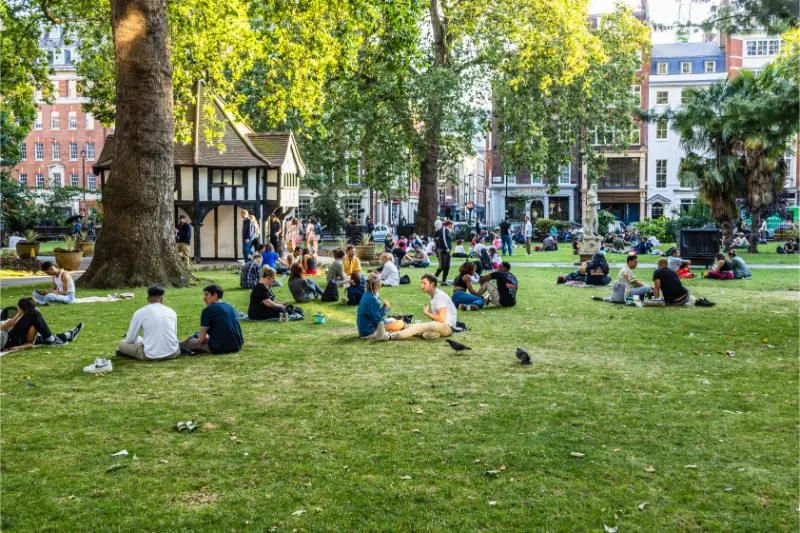
    People Relaxing in A London Park

    Keep one adult’s hands as free as possible in stations. Tickets, phone, bags and stroller should not all require attention at the gate. If two adults are travelling, agree who manages the child and who manages navigation before entering a busy interchange.

    Pair one indoor attraction with one outdoor release

    A museum works better when it is followed by a playground, park or open riverside stretch. At the Natural History Museum, Science Museum or Transport Museum, decide in advance which galleries are the priority and leave before everybody is exhausted. Toddlers often get more from ten minutes watching buses or pigeons than from another hour of adult-led exhibits.

    St James’s Park, Kensington Gardens, Regent’s Park and many local playgrounds can become deliberate parts of the itinerary rather than emergency breaks. The aim is rhythm: concentrated indoor time, movement, food, then a lower-pressure activity.

    Pack for small problems, not every possible disaster

    • One change of clothes in an easy-to-reach bag.
    • A compact rain cover or waterproof layer.
    • Familiar snacks and a refillable drink bottle.
    • Wipes, nappies or toilet supplies for longer than the planned outing.
    • A lightweight layer for sudden temperature changes.
    • Offline hotel address and a simple route back.

    The useful bag is organised, not enormous. If every item is buried under spare toys, the bag stops helping. Repack it each evening so the next day starts with the essentials accessible.

    A realistic toddler day

    A strong day might begin with one museum or landmark at opening time, move to an early lunch before the busiest period, then use a nearby park or playground while energy is still good. After a nap or hotel break, choose a short evening activity such as a bus ride, river view or casual meal close to the accommodation.

    That may look less ambitious than an adult itinerary, but it often produces more actual enjoyment. London will still be there for another trip; the goal is not to prove that a three-year-old can complete a checklist.

    Natural History Museum and Victoria and Albert Museum London

    Accommodation details matter more with toddlers

    A toddler-friendly room is not just a room that allows children. Check whether there is space to open a stroller, whether a cot blocks the only route to the bathroom, whether breakfast starts early enough for your routine and whether a lift reaches the actual room floor. In older London buildings, a property can advertise a lift but still have a few entrance or corridor steps. Ask when that detail matters to you.

    A small fridge, kettle and nearby supermarket can be more useful than decorative hotel facilities because they make milk, snacks and an early breakfast easier. If naps usually happen in the room, a quieter rear-facing room can be worth requesting. Use our where to stay in London guide to compare areas before choosing a property.

    Queues, tickets and toddler attention spans

    Book timed attractions only when the timing genuinely helps. A fixed entry can reduce uncertainty, but too many fixed entries turn a family day into a race. For a toddler, one reserved attraction plus flexible parks, buses or neighbourhood time is usually easier than three prepaid experiences with penalties for being late.

    At popular venues, use toilets before joining a queue and keep one simple distraction accessible without unpacking the whole bag. If the child has reached the end of their patience, leaving early is often the better decision even when the adult feels they have not “finished” the attraction. The ticket has already done its job if the family enjoyed the useful part.

    Weather changes the logistics

    Rain is manageable when the stroller has a cover and adults have hands-free waterproof layers. Hot weather creates the opposite problem: shade, water and slower pacing become priorities, especially in exposed queues and large parks. London weather can change within a day, so a compact layer system is more useful than dressing for one forecast at breakfast.

    Keep a nearby indoor backup for outdoor plans and an outdoor release option for indoor plans. That simple pairing prevents a shower or an unexpectedly crowded museum from forcing a complete redesign of the day.

    Keep the evening deliberately easy

    Toddlers often cope well with an early dinner and one gentle evening experience, but a late cross-city return can undo a good day. Choose a restaurant close to the hotel, take a short bus ride for the view, or walk a small section of the river rather than adding another timed attraction. If bedtime needs to remain close to the home routine, protect it on most nights and choose one later evening only when the next morning can start slowly. This makes the trip feel flexible rather than permanently behind schedule.

  • Where to Stay in London on a Budget: Areas That Save Money Without Wasting Time

    Where to Stay in London on a Budget: Areas That Save Money Without Wasting Time

    Budget accommodation in London is only a bargain if the location does not force you to spend the savings on slow transfers, late-night taxis or breakfast in an overpriced transport hub. The practical goal is not to find the cheapest postcode. It is to find a district where lower room rates, useful transport and inexpensive food overlap.

    The general where to stay in London guide compares the city broadly. This article narrows the decision to one type of traveller, because the best base changes when your priorities change.

    Quick comparison

    AreaBest forMain strengthTrade-off
    King’s Cross / St PancrasBest for transport-heavy itinerariesExcellent rail and Underground access, many budget chains and casual food options.Busy around the stations.
    Paddington / BayswaterBest for Heathrow access and hotel choiceElizabeth line nearby, many small hotels, Hyde Park within walking distance.Hotel quality varies sharply, so read recent reviews.
    Earl’s CourtBest for simple west-London valuePiccadilly and District line access, practical restaurants and supermarkets.Less atmospheric than central historic districts.
    Whitechapel / AldgateBest for East London valueElizabeth line, markets, City access and more affordable inventory than the West End.Street atmosphere changes block by block.
    GreenwichBest for longer stays and more spaceGood local atmosphere and often better value for apartments.Not ideal if every day revolves around Westminster and West End.

    King’s Cross / St Pancras

    King’s Cross / St Pancras works particularly well for best for transport-heavy itineraries. Excellent rail and Underground access, many budget chains and casual food options. The main compromise is simple: busy around the stations. That trade-off is acceptable when it matches the way you plan to spend your days.

    Do not choose by district name alone. Check the exact hotel pin, the nearest station entrance and whether your likely route involves lifts, stairs or a change. In London, five minutes on the wrong side of a large station can feel very different with luggage, a stroller or after a late show.

    Hotels worth comparing: St Pancras London, Autograph Collection (luxury landmark stay inside the historic station complex); Pullman London St Pancras (higher-end practical option for rail and Eurostar connections); The Megaro Hotel – Kings Cross St Pancras (boutique-style choice directly by the stations); and Point A Hotel London Kings Cross – St Pancras (compact value-focused option for short stays). Hotel prices and room types change by date, so compare the exact room, cancellation terms and recent reviews before booking.

    Paddington / Bayswater

    Paddington / Bayswater works particularly well for best for heathrow access and hotel choice. Elizabeth line nearby, many small hotels, Hyde Park within walking distance. The main compromise is simple: hotel quality varies sharply, so read recent reviews. That trade-off is acceptable when it matches the way you plan to spend your days.

    Do not choose by district name alone. Check the exact hotel pin, the nearest station entrance and whether your likely route involves lifts, stairs or a change. In London, five minutes on the wrong side of a large station can feel very different with luggage, a stroller or after a late show.

    Hotels worth comparing: Point A Hotel London Paddington (compact value-focused option near Paddington); The Westbourne Hyde Park (aparthotel-style option useful for longer or family stays); Hilton London Paddington (higher-end station-side choice for maximum transport convenience); and Blakemore Hyde Park (mid-range alternative between Bayswater and Hyde Park). Hotel prices and room types change by date, so compare the exact room, cancellation terms and recent reviews before booking.

    Earl’s Court

    Earl’s Court works particularly well for best for simple west-london value. Piccadilly and District line access, practical restaurants and supermarkets. The main compromise is simple: less atmospheric than central historic districts. That trade-off is acceptable when it matches the way you plan to spend your days.

    Do not choose by district name alone. Check the exact hotel pin, the nearest station entrance and whether your likely route involves lifts, stairs or a change. In London, five minutes on the wrong side of a large station can feel very different with luggage, a stroller or after a late show.

    Hotels worth comparing: ibis Styles London Gloucester Road (value-conscious choice with strong District and Piccadilly line access); Holiday Inn London Kensington High St. by IHG (larger mid-range option near High Street Kensington); and London Court Hotel (smaller budget-oriented option close to Earl’s Court station). Hotel prices and room types change by date, so compare the exact room, cancellation terms and recent reviews before booking.

    Whitechapel / Aldgate

    Whitechapel / Aldgate works particularly well for best for east london value. Elizabeth line, markets, City access and more affordable inventory than the West End. The main compromise is simple: street atmosphere changes block by block. That trade-off is acceptable when it matches the way you plan to spend your days.

    Do not choose by district name alone. Check the exact hotel pin, the nearest station entrance and whether your likely route involves lifts, stairs or a change. In London, five minutes on the wrong side of a large station can feel very different with luggage, a stroller or after a late show.

    Hotels worth comparing: ibis London City – Shoreditch (practical value choice near Aldgate East); The Corner London City (design-focused mid-range option close to Whitechapel); and Point A London Liverpool Street (compact value option with useful City and Elizabeth line access). Hotel prices and room types change by date, so compare the exact room, cancellation terms and recent reviews before booking.

    Greenwich

    Greenwich works particularly well for best for longer stays and more space. Good local atmosphere and often better value for apartments. The main compromise is simple: not ideal if every day revolves around westminster and west end. That trade-off is acceptable when it matches the way you plan to spend your days.

    Do not choose by district name alone. Check the exact hotel pin, the nearest station entrance and whether your likely route involves lifts, stairs or a change. In London, five minutes on the wrong side of a large station can feel very different with luggage, a stroller or after a late show.

    Hotels worth comparing: InterContinental London – The O2 by IHG (higher-end riverside option suited to events and a special stay); ibis London Greenwich (practical value choice near central Greenwich); and Holiday Inn Express London Greenwich by IHG (straightforward family-friendly option with predictable facilities). Hotel prices and room types change by date, so compare the exact room, cancellation terms and recent reviews before booking.

    How close to a Tube station is close enough?

    For most visitors, about five to ten minutes on foot from a useful station is a strong target. A hotel that looks central but requires a bus before every Tube journey can be less convenient than a property one Zone farther out on a direct line. Check the actual routes to your three most important sights before booking.

    King's Cross Station at Night London

    Hotel room size and London expectations

    London rooms can be compact, especially in converted townhouses and historic central buildings. Read the room description rather than assuming that a ‘double’ has space for two large suitcases. Families should confirm the exact bed configuration; budget travellers should check whether the lowest rate is non-refundable or has a shared bathroom.

    Breakfast, supermarkets and small daily savings

    A hotel breakfast can be convenient, but it is not automatically good value. In many neighbourhoods you can combine a bakery, supermarket meal deal or cafe breakfast with a better room-only rate. What matters is having realistic food options within a short walk, especially on arrival night.

    Night transport and the last journey home

    Your daytime station may feel easy, but check the evening return as well. Theatre, football and nightlife trips can end after some lines become less frequent. If late nights matter, a central walkable base or Night Tube corridor may be worth more than a slightly cheaper room.

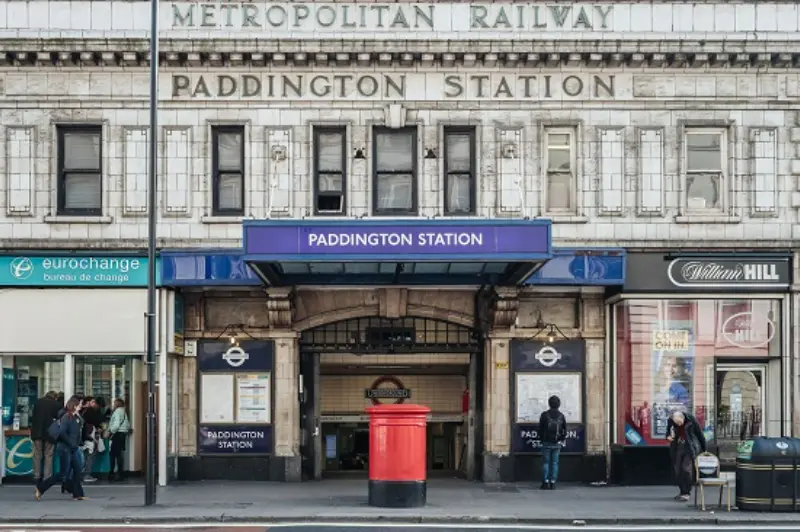
    Paddington Station London

    Booking strategy

    London hotel prices are dynamic. Reserve a cancellable rate when the price is reasonable, then recheck rather than waiting for a mythical last-minute bargain. Compare the final price including taxes, breakfast and cancellation terms. You can compare London accommodation on Booking.com and then verify room details directly with the property if something is unclear.

    Internal planning links

    For this type of trip, combine your accommodation decision with London budget guide, London transport guide, King’s Cross and St Pancras guide. The hotel choice is strongest when it reduces travel on the itinerary you will actually follow.

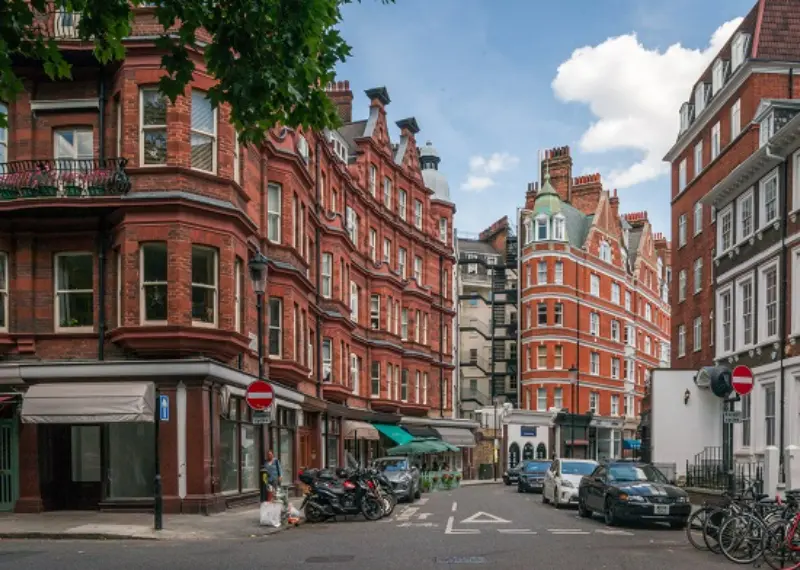
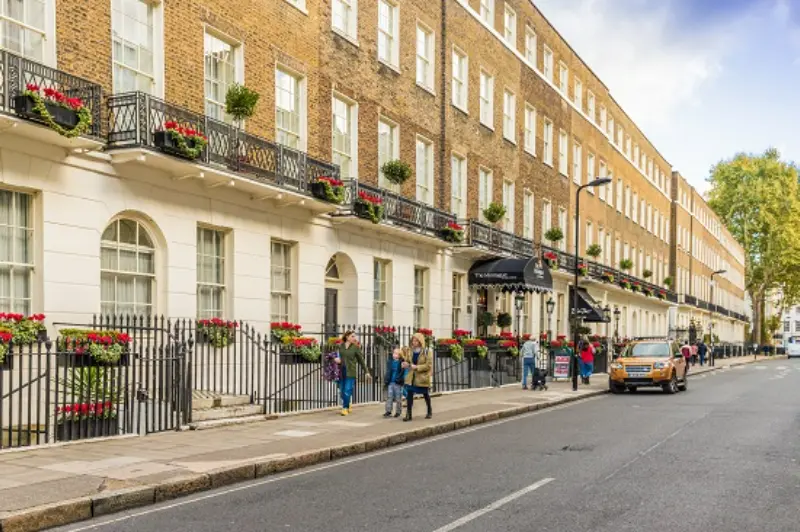
    Kensington Street London

    Mistakes to avoid

    • Booking only by postcode without checking the nearest station.
    • Assuming every hotel room in the same category has similar space.
    • Ignoring late-night return routes.
    • Paying a large premium to be beside one attraction you will visit once.
    • Choosing a non-refundable rate before flights and entry documents are certain.

    Final thoughts

    A good London hotel does not need to become part of the sightseeing. It needs to make the sightseeing easier. Judge the property by door-to-door travel, evening convenience, room configuration and total price rather than by a vague promise of being ‘central’. That is the difference between a room that looks cheap online and a base that genuinely improves the trip.

    Extra practical details worth knowing

    Budget hotels near major stations can fluctuate dramatically by weekday and event calendar. Compare several neighbourhoods for the same dates. This is the kind of small planning detail that becomes important only when you are already in the city, so deciding it before departure removes friction and keeps the day focused on London rather than logistics.

    A room with shared bathroom may save money but can be a poor choice for a short first trip if convenience matters more than the absolute nightly rate. This is the kind of small planning detail that becomes important only when you are already in the city, so deciding it before departure removes friction and keeps the day focused on London rather than logistics.

    London Street with Shops and Graffiti

    Check whether breakfast is included before comparing two similar prices. This is the kind of small planning detail that becomes important only when you are already in the city, so deciding it before departure removes friction and keeps the day focused on London rather than logistics.

    Outer-zone savings disappear if you repeatedly take late taxis because public transport feels inconvenient. This is the kind of small planning detail that becomes important only when you are already in the city, so deciding it before departure removes friction and keeps the day focused on London rather than logistics.

    Hostels can be excellent value for solo travellers, but private hostel rooms are not always cheaper than budget hotels. This is the kind of small planning detail that becomes important only when you are already in the city, so deciding it before departure removes friction and keeps the day focused on London rather than logistics.

    Budget hotels near major stations can fluctuate dramatically by weekday and event calendar. Compare several neighbourhoods for the same dates. This is the kind of small planning detail that becomes important only when you are already in the city, so deciding it before departure removes friction and keeps the day focused on London rather than logistics.

    Check real prices for your datesCompare location, room type, cancellation terms and recent guest reviews before you book.
    Compare London hotels on Booking.com →
    Compare more hotel options on Expedia Useful for checking alternative rates, flexible stays and flight + hotel combinations.

    Affiliate widget. DreamingLondon may earn a commission from qualifying bookings at no extra cost to you.

  • Where to Stay in London with Kids: Best Family Areas and Hotel Strategy

    Where to Stay in London with Kids: Best Family Areas and Hotel Strategy

    A family-friendly London base is not necessarily the quietest suburb or the hotel with the biggest lobby. With children, the winning location reduces transfers, keeps food and parks nearby and gives you an easy escape route when the day ends earlier than planned. A station with lifts can matter more than being one stop closer to an attraction.

    The general where to stay in London guide compares the city broadly. This article narrows the decision to one type of traveller, because the best base changes when your priorities change.

    Quick comparison

    AreaBest forMain strengthTrade-off
    South KensingtonBest for museum-heavy family tripsThree major museums, Hyde Park/Kensington Gardens nearby, many casual food options.Popular in school holidays and family rooms can sell early.
    South Bank / WaterlooBest for first-time family sightseeingLondon Eye, SEA LIFE, river walks and easy access across the Thames.Busy pavements and attraction crowds.
    Victoria / PimlicoBest for transport and practical convenienceVictoria connections, Buckingham Palace nearby, quieter residential streets in Pimlico.Less evening atmosphere than Covent Garden.
    BloomsburyBest for space between sights and good transportSquares, British Museum, access to King’s Cross and several bus routes.Fewer big-ticket family attractions immediately outside the hotel.
    GreenwichBest for families who value space over maximum centralityPark, maritime attractions and river transport.Longer journeys to West End sights.

    South Kensington

    South Kensington works particularly well for best for museum-heavy family trips. Three major museums, Hyde Park/Kensington Gardens nearby, many casual food options. The main compromise is simple: popular in school holidays and family rooms can sell early. That trade-off is acceptable when it matches the way you plan to spend your days.

    Do not choose by district name alone. Check the exact hotel pin, the nearest station entrance and whether your likely route involves lifts, stairs or a change. In London, five minutes on the wrong side of a large station can feel very different with luggage, a stroller or after a late show.

    Hotels worth comparing: The Ampersand Hotel (boutique choice close to South Kensington station and museums); The Milestone Hotel Kensington (luxury option near Kensington Gardens); The Bailey's Hotel London Kensington (classic higher-end stay close to Gloucester Road); and ibis Styles London Gloucester Road (more budget-conscious base with strong transport links). Hotel prices and room types change by date, so compare the exact room, cancellation terms and recent reviews before booking.

    South Bank / Waterloo

    South Bank / Waterloo works particularly well for best for first-time family sightseeing. London Eye, SEA LIFE, river walks and easy access across the Thames. The main compromise is simple: busy pavements and attraction crowds. That trade-off is acceptable when it matches the way you plan to spend your days.

    Do not choose by district name alone. Check the exact hotel pin, the nearest station entrance and whether your likely route involves lifts, stairs or a change. In London, five minutes on the wrong side of a large station can feel very different with luggage, a stroller or after a late show.

    Hotels worth comparing: Park Plaza County Hall London (family-friendly base near the London Eye and Waterloo); London Marriott Hotel County Hall (higher-end choice for landmark views and a special stay); Novotel London Waterloo (practical mid-range option for families and sightseeing); and Ruby Lucy Hotel London (more design-led option close to Waterloo and the South Bank). Hotel prices and room types change by date, so compare the exact room, cancellation terms and recent reviews before booking.

    Victoria / Pimlico

    Victoria / Pimlico works particularly well for best for transport and practical convenience. Victoria connections, Buckingham Palace nearby, quieter residential streets in Pimlico. The main compromise is simple: less evening atmosphere than covent garden. That trade-off is acceptable when it matches the way you plan to spend your days.

    Do not choose by district name alone. Check the exact hotel pin, the nearest station entrance and whether your likely route involves lifts, stairs or a change. In London, five minutes on the wrong side of a large station can feel very different with luggage, a stroller or after a late show.

    Hotels worth comparing: The Clermont London, Victoria (very convenient for Victoria Station and short city breaks); Riu Plaza London Victoria (modern option that works well for sightseeing and transport); and Rubens at the Palace (more traditional higher-end stay beside Buckingham Palace). Hotel prices and room types change by date, so compare the exact room, cancellation terms and recent reviews before booking.

    Bloomsbury

    Bloomsbury works particularly well for best for space between sights and good transport. Squares, British Museum, access to King’s Cross and several bus routes. The main compromise is simple: fewer big-ticket family attractions immediately outside the hotel. That trade-off is acceptable when it matches the way you plan to spend your days.

    Do not choose by district name alone. Check the exact hotel pin, the nearest station entrance and whether your likely route involves lifts, stairs or a change. In London, five minutes on the wrong side of a large station can feel very different with luggage, a stroller or after a late show.

    Hotels worth comparing: The Bloomsbury Hotel (upscale central option close to the British Museum and West End); The Montague on the Gardens (boutique-style choice on a quieter garden-square setting); and Royal National Hotel (large practical option that can work for families and value-conscious stays). Hotel prices and room types change by date, so compare the exact room, cancellation terms and recent reviews before booking.

    Greenwich

    Greenwich works particularly well for best for families who value space over maximum centrality. Park, maritime attractions and river transport. The main compromise is simple: longer journeys to west end sights. That trade-off is acceptable when it matches the way you plan to spend your days.

    Do not choose by district name alone. Check the exact hotel pin, the nearest station entrance and whether your likely route involves lifts, stairs or a change. In London, five minutes on the wrong side of a large station can feel very different with luggage, a stroller or after a late show.

    Hotels worth comparing: InterContinental London – The O2 by IHG (higher-end riverside option suited to events and a special stay); ibis London Greenwich (practical value choice near central Greenwich); and Holiday Inn Express London Greenwich by IHG (straightforward family-friendly option with predictable facilities). Hotel prices and room types change by date, so compare the exact room, cancellation terms and recent reviews before booking.

    How close to a Tube station is close enough?

    For most visitors, about five to ten minutes on foot from a useful station is a strong target. A hotel that looks central but requires a bus before every Tube journey can be less convenient than a property one Zone farther out on a direct line. Check the actual routes to your three most important sights before booking.

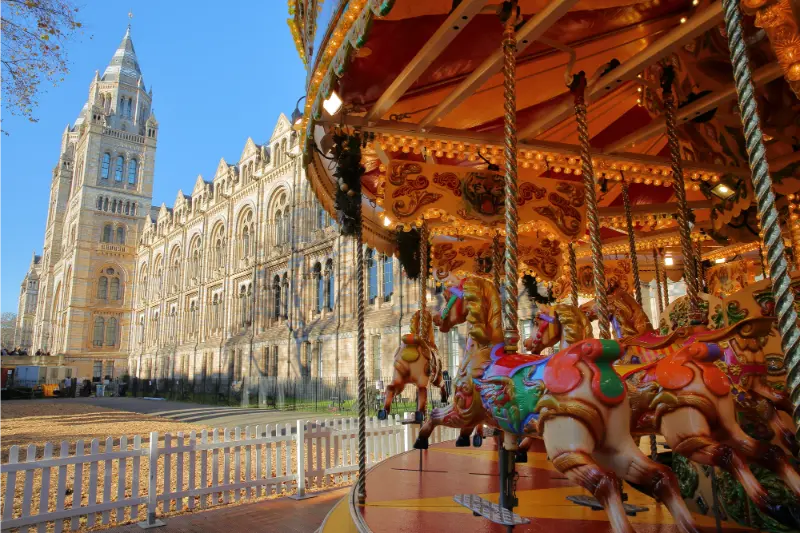
    Natural History Museum and Carousel London

    Hotel room size and London expectations

    London rooms can be compact, especially in converted townhouses and historic central buildings. Read the room description rather than assuming that a ‘double’ has space for two large suitcases. Families should confirm the exact bed configuration; budget travellers should check whether the lowest rate is non-refundable or has a shared bathroom.

    Breakfast, supermarkets and small daily savings

    A hotel breakfast can be convenient, but it is not automatically good value. In many neighbourhoods you can combine a bakery, supermarket meal deal or cafe breakfast with a better room-only rate. What matters is having realistic food options within a short walk, especially on arrival night.

    Night transport and the last journey home

    Your daytime station may feel easy, but check the evening return as well. Theatre, football and nightlife trips can end after some lines become less frequent. If late nights matter, a central walkable base or Night Tube corridor may be worth more than a slightly cheaper room.

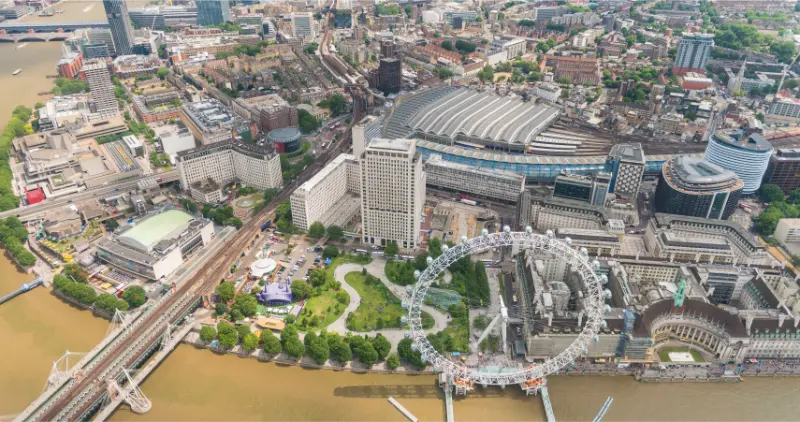
    London South Bank and Waterloo Aerial View

    Booking strategy

    London hotel prices are dynamic. Reserve a cancellable rate when the price is reasonable, then recheck rather than waiting for a mythical last-minute bargain. Compare the final price including taxes, breakfast and cancellation terms. You can compare London accommodation on Booking.com and then verify room details directly with the property if something is unclear.

    Internal planning links

    For this type of trip, combine your accommodation decision with London with kids guide, SEA LIFE London guide, Science Museum guide. The hotel choice is strongest when it reduces travel on the itinerary you will actually follow.

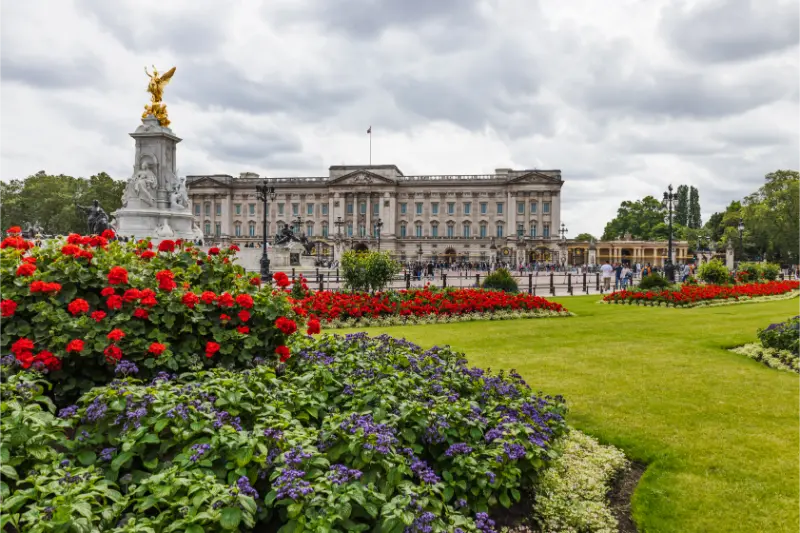
    Buckingham Palace Victoria Memorial and Gardens London

    Mistakes to avoid

    • Booking only by postcode without checking the nearest station.
    • Assuming every hotel room in the same category has similar space.
    • Ignoring late-night return routes.
    • Paying a large premium to be beside one attraction you will visit once.
    • Choosing a non-refundable rate before flights and entry documents are certain.

    Final thoughts

    A good London hotel does not need to become part of the sightseeing. It needs to make the sightseeing easier. Judge the property by door-to-door travel, evening convenience, room configuration and total price rather than by a vague promise of being ‘central’. That is the difference between a room that looks cheap online and a base that genuinely improves the trip.

    Extra practical details worth knowing

    Family rooms in London sell faster than standard doubles because inventory is limited. Book earlier when school-holiday dates are fixed. This is the kind of small planning detail that becomes important only when you are already in the city, so deciding it before departure removes friction and keeps the day focused on London rather than logistics.

    Check whether a ‘family room’ means one double plus sofa bed or genuinely separate sleeping spaces. This is the kind of small planning detail that becomes important only when you are already in the city, so deciding it before departure removes friction and keeps the day focused on London rather than logistics.

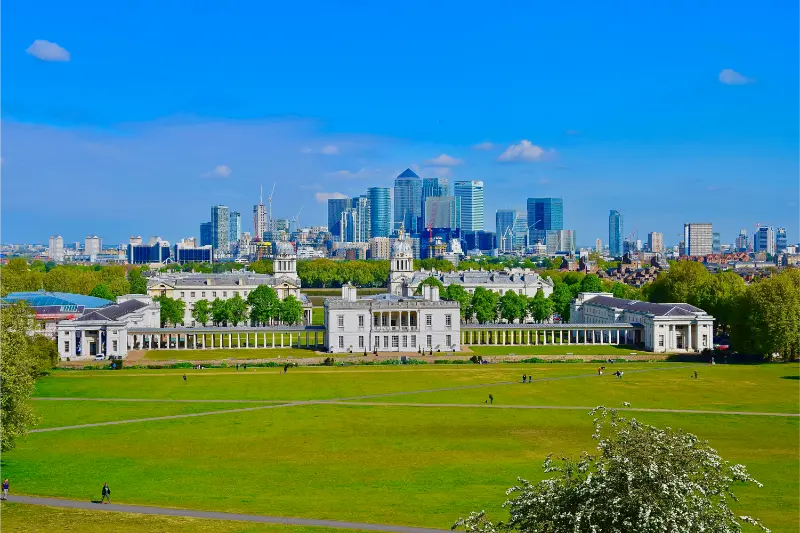
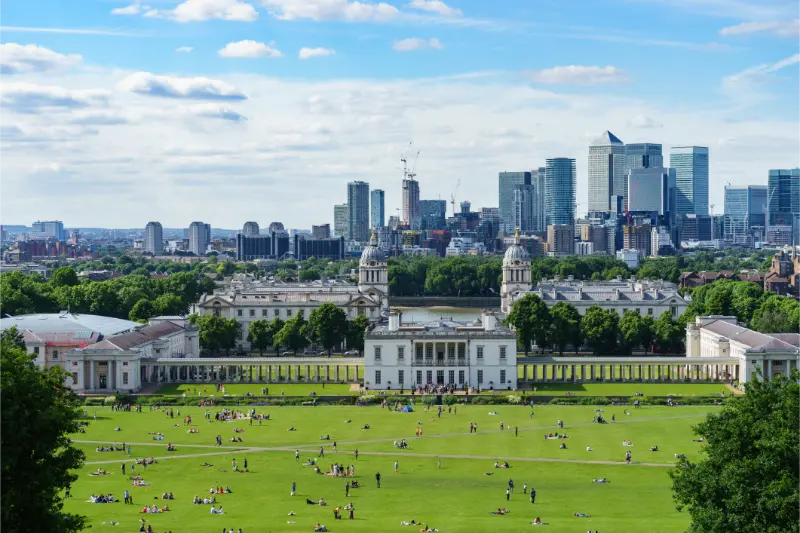
    Queen's House and Canary Wharf from Greenwich Park London

    A nearby supermarket is surprisingly valuable for breakfast supplies, fruit and emergency snacks. This is the kind of small planning detail that becomes important only when you are already in the city, so deciding it before departure removes friction and keeps the day focused on London rather than logistics.

    Families with strollers should inspect step-free routes, not just the distance to the station. This is the kind of small planning detail that becomes important only when you are already in the city, so deciding it before departure removes friction and keeps the day focused on London rather than logistics.

    An apartment can solve meal and laundry problems, but only if check-in, luggage storage and building access are practical. This is the kind of small planning detail that becomes important only when you are already in the city, so deciding it before departure removes friction and keeps the day focused on London rather than logistics.

    Family rooms in London sell faster than standard doubles because inventory is limited. Book earlier when school-holiday dates are fixed. This is the kind of small planning detail that becomes important only when you are already in the city, so deciding it before departure removes friction and keeps the day focused on London rather than logistics.

    Check real prices for your datesCompare location, room type, cancellation terms and recent guest reviews before you book.
    Compare London hotels on Booking.com →
    Compare more hotel options on Expedia Useful for checking alternative rates, flexible stays and flight + hotel combinations.

    Affiliate widget. DreamingLondon may earn a commission from qualifying bookings at no extra cost to you.

  • Where to Stay in London for First-Time Visitors: Best Areas by Itinerary

    Where to Stay in London for First-Time Visitors: Best Areas by Itinerary

    For a first London trip, the best area is not simply the neighbourhood with the highest hotel rating. It is the place that makes your specific itinerary easier. A cheap room can be expensive in time if every day starts with a 45-minute journey; a famous postcode can be frustrating if the nearest station is awkward for the places you actually want to see.

    The general where to stay in London guide compares the city broadly. This article narrows the decision to one type of traveller, because the best base changes when your priorities change.

    Quick comparison

    AreaBest forMain strengthTrade-off
    Westminster / VictoriaBest for a landmark-heavy first visitWalkable to Buckingham Palace, Westminster and St James’s; strong airport and rail connections from Victoria.Can feel businesslike at night and hotel prices rise quickly.
    South Bank / WaterlooBest for river atmosphere and family sightseeingEasy for London Eye, South Bank, Borough Market and river walks.Some streets become very busy around major attractions.
    Covent Garden / SohoBest for theatre, restaurants and evenings on footExcellent for West End, Chinatown, Trafalgar Square and central walks.Noise and smaller rooms can be trade-offs.
    Bloomsbury / Russell SquareBest value-to-location balance for many first-timersClose to British Museum and convenient for King’s Cross, Covent Garden and multiple Tube lines.Less postcard-London outside the squares.
    South KensingtonBest for museums and a calmer baseNatural History Museum, Science Museum and V&A on the doorstep.Less convenient for East London nightlife.

    Westminster / Victoria

    Westminster / Victoria works particularly well for best for a landmark-heavy first visit. Walkable to Buckingham Palace, Westminster and St James’s; strong airport and rail connections from Victoria. The main compromise is simple: can feel businesslike at night and hotel prices rise quickly. That trade-off is acceptable when it matches the way you plan to spend your days.

    Do not choose by district name alone. Check the exact hotel pin, the nearest station entrance and whether your likely route involves lifts, stairs or a change. In London, five minutes on the wrong side of a large station can feel very different with luggage, a stroller or after a late show.

    Hotels worth comparing: The Clermont London, Victoria (very convenient for Victoria Station and short city breaks); Riu Plaza London Victoria (modern option that works well for sightseeing and transport); and Rubens at the Palace (more traditional higher-end stay beside Buckingham Palace). Hotel prices and room types change by date, so compare the exact room, cancellation terms and recent reviews before booking.

    South Bank / Waterloo

    South Bank / Waterloo works particularly well for best for river atmosphere and family sightseeing. Easy for London Eye, South Bank, Borough Market and river walks. The main compromise is simple: some streets become very busy around major attractions. That trade-off is acceptable when it matches the way you plan to spend your days.

    Do not choose by district name alone. Check the exact hotel pin, the nearest station entrance and whether your likely route involves lifts, stairs or a change. In London, five minutes on the wrong side of a large station can feel very different with luggage, a stroller or after a late show.

    Hotels worth comparing: Park Plaza County Hall London (family-friendly base near the London Eye and Waterloo); London Marriott Hotel County Hall (higher-end choice for landmark views and a special stay); Novotel London Waterloo (practical mid-range option for families and sightseeing); and Ruby Lucy Hotel London (more design-led option close to Waterloo and the South Bank). Hotel prices and room types change by date, so compare the exact room, cancellation terms and recent reviews before booking.

    Covent Garden / Soho

    Covent Garden / Soho works particularly well for best for theatre, restaurants and evenings on foot. Excellent for West End, Chinatown, Trafalgar Square and central walks. The main compromise is simple: noise and smaller rooms can be trade-offs. That trade-off is acceptable when it matches the way you plan to spend your days.

    Do not choose by district name alone. Check the exact hotel pin, the nearest station entrance and whether your likely route involves lifts, stairs or a change. In London, five minutes on the wrong side of a large station can feel very different with luggage, a stroller or after a late show.

    Hotels worth comparing: The Resident Covent Garden (well-located boutique option for theatres and first visits); NoMad London (luxury design-led choice in the heart of Covent Garden); The Resident Soho (central boutique option that keeps most of the West End walkable); and Hazlitt's (characterful historic choice for couples and repeat visitors). Hotel prices and room types change by date, so compare the exact room, cancellation terms and recent reviews before booking.

    Bloomsbury / Russell Square

    Bloomsbury / Russell Square works particularly well for best value-to-location balance for many first-timers. Close to British Museum and convenient for King’s Cross, Covent Garden and multiple Tube lines. The main compromise is simple: less postcard-london outside the squares. That trade-off is acceptable when it matches the way you plan to spend your days.

    Do not choose by district name alone. Check the exact hotel pin, the nearest station entrance and whether your likely route involves lifts, stairs or a change. In London, five minutes on the wrong side of a large station can feel very different with luggage, a stroller or after a late show.

    Hotels worth comparing: The Bloomsbury Hotel (upscale central option close to the British Museum and West End); The Montague on the Gardens (boutique-style choice on a quieter garden-square setting); and Royal National Hotel (large practical option that can work for families and value-conscious stays). Hotel prices and room types change by date, so compare the exact room, cancellation terms and recent reviews before booking.

    South Kensington

    South Kensington works particularly well for best for museums and a calmer base. Natural History Museum, Science Museum and V&A on the doorstep. The main compromise is simple: less convenient for east london nightlife. That trade-off is acceptable when it matches the way you plan to spend your days.

    Do not choose by district name alone. Check the exact hotel pin, the nearest station entrance and whether your likely route involves lifts, stairs or a change. In London, five minutes on the wrong side of a large station can feel very different with luggage, a stroller or after a late show.

    Hotels worth comparing: The Ampersand Hotel (boutique choice close to South Kensington station and museums); The Milestone Hotel Kensington (luxury option near Kensington Gardens); The Bailey's Hotel London Kensington (classic higher-end stay close to Gloucester Road); and ibis Styles London Gloucester Road (more budget-conscious base with strong transport links). Hotel prices and room types change by date, so compare the exact room, cancellation terms and recent reviews before booking.

    How close to a Tube station is close enough?

    For most visitors, about five to ten minutes on foot from a useful station is a strong target. A hotel that looks central but requires a bus before every Tube journey can be less convenient than a property one Zone farther out on a direct line. Check the actual routes to your three most important sights before booking.

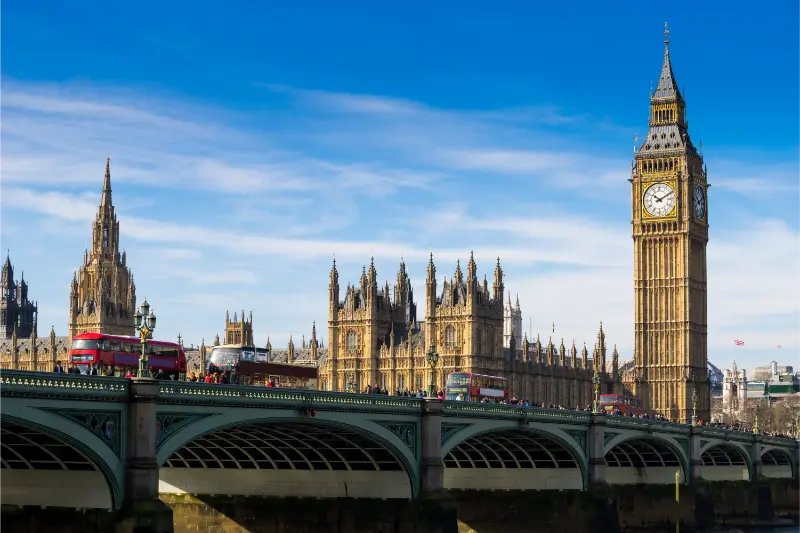
    Big Ben and Houses of Parliament London

    Hotel room size and London expectations

    London rooms can be compact, especially in converted townhouses and historic central buildings. Read the room description rather than assuming that a ‘double’ has space for two large suitcases. Families should confirm the exact bed configuration; budget travellers should check whether the lowest rate is non-refundable or has a shared bathroom.

    Breakfast, supermarkets and small daily savings

    A hotel breakfast can be convenient, but it is not automatically good value. In many neighbourhoods you can combine a bakery, supermarket meal deal or cafe breakfast with a better room-only rate. What matters is having realistic food options within a short walk, especially on arrival night.

    London South Bank and Waterloo Aerial View

    Night transport and the last journey home

    Your daytime station may feel easy, but check the evening return as well. Theatre, football and nightlife trips can end after some lines become less frequent. If late nights matter, a central walkable base or Night Tube corridor may be worth more than a slightly cheaper room.

    Booking strategy

    London hotel prices are dynamic. Reserve a cancellable rate when the price is reasonable, then recheck rather than waiting for a mythical last-minute bargain. Compare the final price including taxes, breakfast and cancellation terms. You can compare London accommodation on Booking.com and then verify room details directly with the property if something is unclear.

    Internal planning links

    For this type of trip, combine your accommodation decision with first-time planning guide, 3-day itinerary, London neighbourhoods guide. The hotel choice is strongest when it reduces travel on the itinerary you will actually follow.

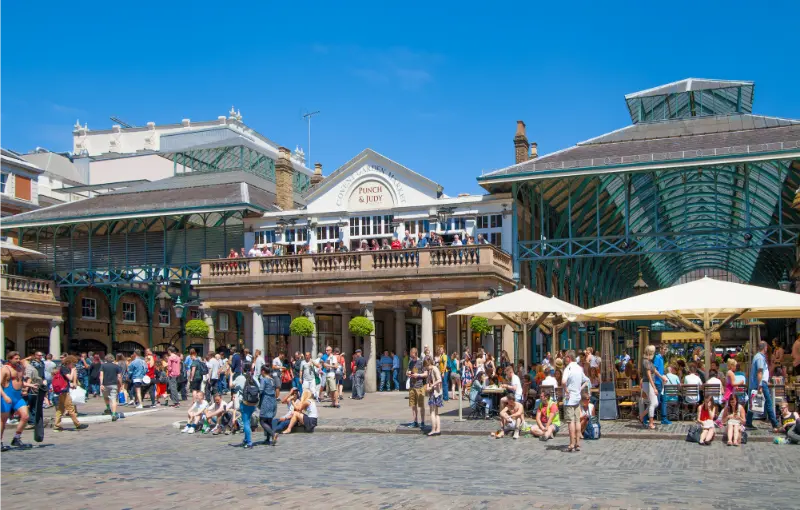
    Covent Garden London

    Mistakes to avoid

    • Booking only by postcode without checking the nearest station.
    • Assuming every hotel room in the same category has similar space.
    • Ignoring late-night return routes.
    • Paying a large premium to be beside one attraction you will visit once.
    • Choosing a non-refundable rate before flights and entry documents are certain.

    Final thoughts

    A good London hotel does not need to become part of the sightseeing. It needs to make the sightseeing easier. Judge the property by door-to-door travel, evening convenience, room configuration and total price rather than by a vague promise of being ‘central’. That is the difference between a room that looks cheap online and a base that genuinely improves the trip.

    Extra practical details worth knowing

    First-time visitors often overvalue proximity to Oxford Street and undervalue a direct Tube line. A calmer base one or two stops away can improve sleep without sacrificing access. This is the kind of small planning detail that becomes important only when you are already in the city, so deciding it before departure removes friction and keeps the day focused on London rather than logistics.

    Bloomsbury London

    If your arrival is late, choose a hotel with a straightforward airport route. Navigating several Underground changes with luggage after midnight is not a good introduction to the city. This is the kind of small planning detail that becomes important only when you are already in the city, so deciding it before departure removes friction and keeps the day focused on London rather than logistics.

    A first trip usually includes Westminster, the West End, the Thames and at least one museum. Plot those four anchors before booking. This is the kind of small planning detail that becomes important only when you are already in the city, so deciding it before departure removes friction and keeps the day focused on London rather than logistics.

    Hotel reviews should be filtered by recent date and room type; a review for a renovated suite may tell you little about the cheapest double. This is the kind of small planning detail that becomes important only when you are already in the city, so deciding it before departure removes friction and keeps the day focused on London rather than logistics.

    If theatre is important, being able to walk home after a show can justify a higher nightly rate. This is the kind of small planning detail that becomes important only when you are already in the city, so deciding it before departure removes friction and keeps the day focused on London rather than logistics.

    Check real prices for your datesCompare location, room type, cancellation terms and recent guest reviews before you book.
    Compare London hotels on Booking.com →
    Compare more hotel options on Expedia Useful for checking alternative rates, flexible stays and flight + hotel combinations.

    Affiliate widget. DreamingLondon may earn a commission from qualifying bookings at no extra cost to you.

  • Cambridge Day Trip from London: Colleges, Punting and a Realistic One-Day Route

    Cambridge Day Trip from London: Colleges, Punting and a Realistic One-Day Route

    Cambridge is one of the easiest high-quality day trips from London because the historic centre is compact, the university architecture is immediately distinctive and the experience does not depend on hiring a car. The mistake is assuming “Cambridge” means seeing as many colleges as possible. A better day mixes one or two interiors, the streets and Backs, a punt or riverside walk, and enough free time to notice the city beyond university gates.

    The official Visit Cambridge site highlights punting, King’s College Chapel, the Fitzwilliam Museum and the college landscape as core experiences. That is a useful framework, but opening arrangements for individual colleges vary with university life, services, exams and events. Build flexibility into the route rather than treating every gate as a guaranteed attraction.

    ROUTE MAP

    Cambridge day-trip map

    Use the map as a planning overview. The numbered markers follow the order suggested in this guide; exact walking and transport choices can change with closures, weather and your bookings.

    1. Cambridge Station
    2. Fitzwilliam Museum
    3. King’s College
    4. Market Square
    5. Trinity College
    6. Quayside / Punting

    Is Cambridge worth a day trip from London?

    Yes for travellers interested in architecture, universities, history, walking and a change of scale after several days in London. It is less suitable if your dream day trip is countryside villages or castles. Compare it with Oxford, Windsor and the Cotswolds before choosing.

    Getting from London to Cambridge

    Direct trains operate from London terminals including King’s Cross and Liverpool Street, with journey times and stopping patterns varying by service. Check National Rail or the train operator for your exact date and avoid building the itinerary around a timetable copied months earlier. Cambridge station is not directly on the historic Market Square, so include the walk or local connection in your day.

    A realistic one-day route

    Morning: arrive and walk toward the historic centre, using the streets around Pembroke, Corpus Christi and King’s Parade to understand the college pattern. Make King’s College Chapel your main paid or timed interior if it is open to visitors. Then continue along the Backs or nearby riverside paths instead of entering every available college.

    Lunch: use the market/central streets rather than travelling to a distant restaurant. Afternoon: choose either a chauffeured punt or the Fitzwilliam Museum, then fit the other only if time and energy remain. Finish with a slow walk through the centre before returning to the station.

    King’s College Chapel: check before you go

    King’s College Chapel is the most recognisable interior for many visitors, but it is part of a functioning college and worshipping community. Visitor access and service schedules can change. Check the official college page for your date. If access does not work, Cambridge still has enough architecture, museums and river scenery to justify the day.

    Punting: guided or self-hire?

    A chauffeured punt lets you look at the college Backs while someone else handles the boat and explains landmarks. Self-hire is more active and can be entertaining, but steering a punt is a skill and the river can be busy. Visit Cambridge specifically advises using licensed punting operators and notes that unlicensed sellers may approach visitors in central streets.

    St Pancras International Station London

    For a first day trip, I would choose a chauffeured punt if the river view is important. It is more predictable, gives context and avoids turning an hour into a lesson in how to escape the bank.

    Affiliate link. Dreaming London may earn a commission from qualifying bookings at no extra cost to you.

    The Fitzwilliam Museum: the best weather-proof option

    The Fitzwilliam Museum is free and gives the day a major cultural interior without another college admission. It is particularly valuable if rain makes punting less attractive. Do not assume “free” means a ten-minute stop: the collection is large enough to justify a focused hour or two.

    Cambridge versus Oxford

    Oxford and Cambridge overlap—historic universities, colleges, chapels, museums—but the feel differs. Cambridge’s river and Backs make punting a central part of the visitor experience, while Oxford’s city fabric, Bodleian complex and college streets create a different walking day. Choose one if your London trip is short; doing both on consecutive days can feel repetitive unless university history is a special interest.

    Where Cambridge fits in a longer London trip

    I would not use one of only three London days for Cambridge unless you have already visited the capital or university cities are a major priority. It fits far better into five days or a one-week London trip, where the change of pace feels refreshing rather than like missing London.

    What not to do

    • Trying to enter every famous college.
    • Assuming college opening hours are fixed tourist hours.
    • Buying a punt from an unlicensed street seller.
    • Ignoring the walk between the station and historic centre.
    • Booking the last possible train back before an important London evening.
    • Doing Oxford and Cambridge back-to-back only because both are famous.

    Should you stay overnight?

    An overnight stay makes sense if you want Evensong, a slower college programme, museums and evening atmosphere without watching the clock. It also allows you to explore when day-trip groups have left. For most first-time London visitors, however, one well-planned day is enough to understand why Cambridge is distinctive.

    Frequently asked questions

    Can you visit Cambridge without a tour?

    Yes. The centre is walkable and independent travel by train is straightforward. A tour becomes useful when you want guided university history or transport bundled from London.

    London Underground Station

    Is punting essential?

    No, but it is one of the most distinctive ways to see the college Backs. In poor weather, substitute the Fitzwilliam Museum or more college interiors.

    How many colleges should I visit?

    Usually one or two properly is enough for a day trip. The streets and Backs are part of the experience; you do not need an admission ticket at every gate.

    College access is part of a living university

    A Cambridge college is not a theme-park exhibit. Students live and work behind the gates, chapels host services and examination periods change access. That is why opening arrangements can feel inconsistent to tourists. Treat restrictions as part of visiting a living university rather than an inconvenience designed for visitors. Check the college you most care about, then let the rest of the architecture be discovered from public streets and river views.

    The station-to-centre walk can improve the day

    Instead of treating the walk from the railway station as dead time, route it through streets that gradually reveal the university city. You can also use a local bus or taxi if mobility, weather or time makes walking unattractive. The important point is to include this transfer in your schedule. A train arriving at 10:00 does not mean you are standing inside King’s College at 10:02.

    Cambridge is easiest when you choose one college priority

    College opening arrangements change around term, exams, services and university events. Instead of building the entire day around entering four famous colleges, choose the one that matters most and treat the others as architectural stops from the outside if necessary. This protects the itinerary from a gate closure or changed visitor period.

    The university is not a theme park. Students live and work behind those gates, and access restrictions are part of a functioning institution rather than a failure of tourist planning.

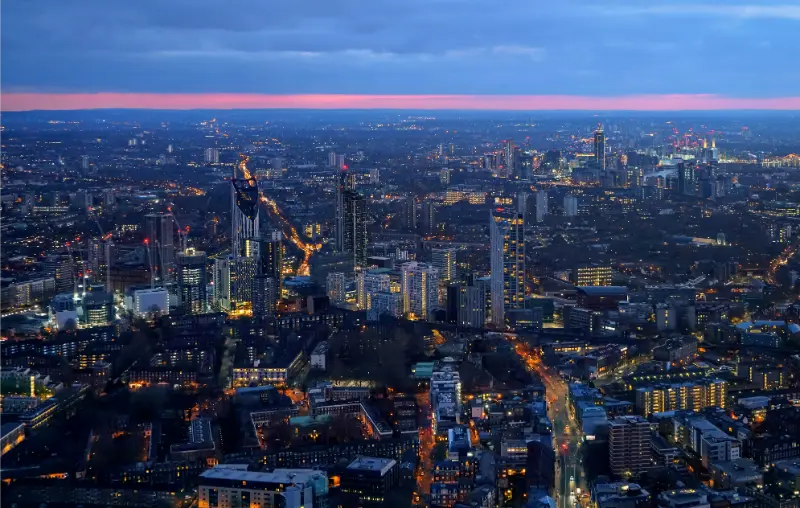
    London City Aerial View at Dusk

    Punting: decide whether it is transport, history or entertainment

    A chauffeured punt can provide stories and an easy view of the Backs; self-punting is more active and can be memorable for groups who genuinely want the challenge. Neither is essential. If the weather is poor or you would rather see interiors, skip it without feeling you missed Cambridge.

    Do not let a long punting queue consume the middle of the day. If it is a priority, book through a reputable operator or arrive with a clear plan. If it is optional, decide only after you see the weather and crowd levels.

    Food strategy: leave the most obvious central streets

    The area around the busiest colleges naturally concentrates visitor traffic. Walk ten minutes away before choosing lunch and you often gain more space and choice. A sit-down meal also creates a useful break between morning architecture and an afternoon museum, river walk or college visit.

    Return train flexibility can be worth paying for

    Cambridge is a day where you may finish earlier in bad weather or stay later if the evening atmosphere is good. When comparing rail fares, consider whether a cheaper ticket tied to one train is worth the loss of flexibility. Check the actual conditions before purchase rather than assuming every ticket works on every service.

    Do not overfill the final hour

    Cambridge is especially pleasant when you leave a little time to walk back toward the station without a last-minute sprint. Use the final hour for a cafe, bookshop or river view rather than squeezing in another college gate simply because it is nearby. The calmer finish usually improves the whole day.

    What to do if college access is limited

    If your preferred college is closed, do not spend the day waiting for access to change. Move to a museum, the river, a church interior or a longer walk through the historic centre, then check again later if the college reopens. Cambridge has enough public-space interest that a closed gate should alter the route, not ruin the trip.

    Bottom line

    Cambridge works because it is compact and different from London. Protect that advantage: keep the route simple, choose one signature interior and one signature outdoor experience, and leave enough unplanned time to walk.

  • Afternoon Tea in London: How to Choose the Right Experience Without Overpaying

    Afternoon Tea in London: How to Choose the Right Experience Without Overpaying

    Afternoon tea is one of the London experiences where paying more can buy atmosphere, service and setting—but not necessarily a more enjoyable afternoon. A famous hotel tea, a museum tea room, a Thames cruise and a sightseeing bus can all use the same label while delivering completely different experiences. The right choice depends on whether you care most about tradition, food, views, novelty or a special occasion.

    Visit London’s current 2026 guidance recommends booking ahead for popular traditional venues and checking dress codes. That sounds simple, but many visitors still choose the most famous name first and only later discover a long sitting time, formal clothing requirement or location that does not fit the day. This guide starts with the trip, not the brand.

    What a traditional afternoon tea usually includes

    A classic service normally centres on tea, finger sandwiches, scones with clotted cream and jam, and a selection of cakes or pastries. Premium hotels may add amuse-bouches, extensive tea menus, champagne options or highly elaborate presentation. The ritual matters as much as volume: it is designed as a slow social meal, not a five-minute snack between attractions.

    Five types of London afternoon tea

    Grand hotel teaBest for ceremony, service and a special occasion
    Classic tearoomBest for a more relaxed traditional experience
    Museum/gallery teaEasy to combine with culture and a shorter itinerary
    Thames cruise teaBest when sightseeing and food need to share the same time
    Bus/themed teaEntertainment-led; strong for families or first-time novelty

    The Ritz, Savoy and luxury hotel teas: what you are really paying for

    At the famous hotels, the room, service choreography, tableware, live music in some venues and sense of occasion are part of the price. If that is exactly what you want, choose the hotel deliberately and respect its booking and dress rules. If your priority is simply good tea and scones, you can spend much less elsewhere and perhaps enjoy a more relaxed afternoon.

    Luxury tea fits naturally into Mayfair or a West End day. Do not put a formal afternoon tea immediately after a muddy park walk or before an attraction with a strict entry slot on the other side of London.

    Afternoon tea on a sightseeing day

    For a first trip, the most efficient version is often one that sits inside an existing route. A National Gallery-area tea can follow the National Gallery and precede Covent Garden. A Thames cruise version can connect with our London by boat guide. A bus tea is more about entertainment and landmarks than culinary precision.

    How much time should you allow?

    Plan at least 90 minutes for a traditional seated tea, and often closer to two hours at a formal hotel. Add travel and check-in time. This is why afternoon tea can quietly consume most of an afternoon if you book it in a district unrelated to your sightseeing plan. Treat it as a major meal and experience, not a snack break.

    Marylebone Pedestrian Street London

    Dress codes: check the exact venue

    There is no London-wide afternoon tea dress code. Some luxury hotels specify smart clothing and restrictions on sportswear, while casual venues do not. Never rely on a generic blog statement. Read the venue’s own current policy before packing or booking, especially if the tea is the centrepiece of a celebration.

    Children, dietary requirements and allergies

    Many venues offer children’s menus, vegetarian options or adaptations for common dietary requirements, but capability varies. Contact the venue before booking when an allergy or strict dietary requirement matters. Do not assume that an attractive vegan or gluten-free menu shown in an old review is still offered in the same form.

    Is afternoon tea actually a good meal value?

    Evaluate it as an experience rather than comparing sandwich quantity with lunch. A premium tea may cost as much as a good dinner, so it makes sense only if the setting and ritual matter to you. Budget travellers can have a simpler cream tea or café stop and spend the difference on a unique attraction. Our London budget guide gives a useful framework for deciding what deserves the splurge.

    Where it fits in a London food itinerary

    Do not schedule a large afternoon tea on the same day as a major food market crawl or heavy pub dinner. Use our what to eat in London guide to vary the trip: perhaps Borough Market on one day, a pub meal on another and afternoon tea on the day you are already in the West End or Mayfair.

    Afternoon tea on the Thames

    A river tea solves two problems at once: you sit down for food while moving through the city. It is not the best option for someone whose priority is refined pastry or quiet service, but it can be excellent for a first-time visitor who wants views and a rest after walking. Check the boarding pier carefully; “London cruise” does not mean every service leaves beside your hotel.

    Affiliate link. Dreaming London may earn a commission from qualifying bookings at no extra cost to you.

    Common booking mistakes

    • Choosing only by Instagram photos rather than menu, location and duration.
    • Forgetting that a large tea may replace lunch or dinner.
    • Ignoring dress-code rules at formal hotels.
    • Booking too close to a theatre curtain or timed attraction.
    • Assuming every dietary requirement can be handled without notice.
    • Paying for champagne or upgrades that do not matter to you.

    A simple decision tree

    For tradition and occasion, choose a classic hotel. For sightseeing efficiency, choose a central museum/gallery tea, bus or cruise. For families, prioritise fun and flexibility over ceremony. For food-focused travellers, read the current menu in detail and choose the kitchen, not the postcode. For budget travellers, consider a simpler tea-and-scone stop and keep the money for another London experience.

    Covent Garden Christmas Decorations London

    Frequently asked questions

    Do I need to book afternoon tea in London?

    For famous hotels and popular themed experiences, yes—advance booking is sensible and often essential. Casual tearooms may be more flexible.

    What time is afternoon tea?

    Venues offer different sittings, commonly from early to late afternoon. Book the time that fits your day rather than chasing an imagined “correct” hour.

    Is afternoon tea touristy?

    It can be, but that does not make it meaningless. The tradition has a long British history; the question is whether the particular modern experience suits you.

    How to compare menus properly

    Look beyond the headline price. Check whether service charge is included, whether tea refills are included, what champagne upgrades cost, how many savoury courses appear and whether additional sandwiches or scones are offered. None of these makes one tea objectively better, but they explain why two similarly priced experiences can feel very different. Current menus matter because pastry themes and chef collaborations change more often than the hotel name.

    Afternoon tea for a celebration

    For a birthday, anniversary or proposal trip, tell the venue what you are celebrating but do not assume complimentary extras. The biggest upgrade is often choosing a room and service style that match the person, not adding every paid supplement. A window table, live pianist or historic dining room may matter more than champagne. If the occasion is the emotional centre of the trip, protect enough time before and after so it never feels rushed.

    Afternoon tea is a meal, not a snack stop

    A full afternoon tea can replace lunch or an early dinner for many people. Sandwiches, scones, pastries and repeated tea service add up, so booking it between two normal meals often leaves you paying for food you cannot enjoy. Plan the rest of the day around the experience rather than squeezing it into an already full food schedule.

    This also affects timing. A good afternoon tea should feel unhurried. Do not book a theatre curtain, train or timed attraction so close afterward that you spend the final thirty minutes watching the clock.

    London Skyline and River Thames at Sunset

    Hotel, department store or specialist tea room?

    Grand hotels offer ceremony, service and a sense of occasion; department stores can be easier to integrate into shopping; specialist tea rooms may feel less formal and sometimes less expensive. None is automatically more “authentic.” Choose the setting that matches why you are booking: celebration, tradition, family experience or simply curiosity.

    If price is the main concern, compare the full menu and service charge rather than the headline price alone. Our London food guide has cheaper ways to try British classics.

    Dietary requirements need advance confirmation

    Vegetarian, vegan, halal, gluten-free and allergy-sensitive menus are increasingly common, but the level of accommodation varies by venue and may require advance notice. If a dietary requirement is important, confirm it directly before booking rather than assuming the standard tiered menu can be adapted on arrival.

    Confirm children’s menus too if you are travelling as a family; the adult presentation does not always translate well to younger appetites.

    Bottom line

    Choose afternoon tea the same way you choose a hotel: atmosphere, location and service style matter as much as price. The best booking is the one that feels intentional inside your London day rather than an obligation from a checklist.

    Planning a couples weekend?

    Afternoon tea can be one strong anchor rather than the entire theme. See our romantic London guide for walks, views, theatre and lower-cost ideas around it.

  • Accessible London: Step-Free Transport, Attractions, Hotels and Practical Planning

    Accessible London: Step-Free Transport, Attractions, Hotels and Practical Planning

    Accessible travel in London is possible, but “step-free” does not always mean the same thing at every station, attraction or street. A route can be accessible from street to platform yet still involve a gap or step between platform and train; lifts can be temporarily unavailable; historic buildings may use alternative entrances. The best accessible London plan therefore checks the exact journey and venue rather than relying on a general statement that an area is accessible.

    TfL provides dedicated accessibility maps, guidance for avoiding stairs, information about mini ramps, door-to-door services and the TfL Go app. Start with the official TfL transport accessibility hub and use it again on the day for live disruption. Visit London also maintains an Accessible London hub covering attractions, hotels and neighbourhoods.

    Step-free stations: check the whole chain

    A step-free symbol is useful, but the journey has several stages: street to ticket hall, ticket hall to platform, platform to train and the same process at the destination. TfL publishes maps that distinguish step-free access and provides information on platform humps or level boarding points. For wheelchair users or anyone who cannot manage a significant gap, those details matter more than the colour of the Tube line.

    Use TfL Go and accessible journey planning

    Plan the trip with accessibility requirements switched on rather than taking a standard route and trying to adapt it later. On the day, recheck lift status. A single unavailable lift can make the recommended route unusable and require a different station. Build margin around timed attractions so a transport change does not create unnecessary pressure.

    Buses can be an important alternative

    Buses avoid deep stations and long interchange corridors, and they provide visible and audible stop information across the network. They can also be slower in traffic and busy at peak times. For some travellers, the best London transport plan is a mix: step-free rail for longer distances, buses for awkward central links and taxis/private hire when energy or weather makes public transport impractical.

    Do not underestimate walking surfaces and distance

    Central London contains kerbs, historic paving, crowded pavements, temporary roadworks and long internal distances inside stations and museums. A map that says two attractions are “ten minutes apart” may not describe the effort required. Our itineraries group sights geographically, which is useful for accessibility too: see London in two days or London in five days and remove any segment that requires more movement than is comfortable.

    Accessible attractions: check the venue, not just a list

    Visit London highlights accessible major attractions including the London Eye, Buckingham Palace, Kew Gardens, British Museum, National Gallery and Natural History Museum, but access arrangements can differ by entrance, gallery and temporary event. Use each attraction’s own access page before booking. Our London Eye, Natural History Museum and Kew Gardens guides help with the broader visit, while the official venue remains the authority for individual access needs.

    Historic buildings need extra planning

    Westminster Abbey, the Tower of London, churches and palaces were not designed for modern accessibility. Many provide lifts, ramps or alternative routes, but some historic spaces may remain difficult or inaccessible. Contact the venue before purchase if a particular room or experience is the main reason for your visit. Do not assume a general “accessible” label guarantees every part of the site.

    Victorian London Railway Station Platform

    Theatres and performances

    West End accessibility varies by theatre and seat location. Many venues offer access booking lines, wheelchair spaces, step-free routes, captioned or audio-described performances and companion arrangements, but these are venue-specific. Start with the West End theatre guide, then check the official theatre access page before choosing seats.

    Hotels: the word accessible is not specific enough

    Ask about the features you actually need: step-free entrance, lift dimensions, roll-in shower, grab rails, bed height, turning space, adjoining room, hearing assistance or proximity to an accessible station. A hotel can describe itself as accessible while only a small number of rooms meet particular requirements. Confirm the exact room in writing rather than relying on a filter icon.

    Build rest into the itinerary

    Accessibility is not only about wheelchairs. Chronic pain, fatigue, sensory overload, respiratory conditions and hidden disabilities can make a technically accessible route exhausting. Use cafés, parks and free museums as flexible rest points. TfL staff recognise the Hidden Disabilities Sunflower, and Visit London links to broader accessibility resources.

    Accessible toilets and practical stops

    TfL provides information about public toilets in and near stations, while many museums and large attractions have accessible facilities. Identify a few reliable stops before a long walking day rather than searching only when you need one. This is especially useful around parks, markets and older neighbourhoods where facilities may be less obvious.

    A lower-stress accessible sightseeing pattern

    • Book one major attraction per half day, not several fixed slots.
    • Choose a hotel near a step-free station that serves the areas you plan to visit.
    • Recheck lift status before leaving each morning.
    • Carry essential accessibility information or medication with you.
    • Use official venue access guides and contact staff when a specific feature is essential.
    • Keep a taxi/private-hire fallback for a route that becomes impractical.

    Families with buggies benefit from the same planning

    Parents with pushchairs often discover the same barriers: stairs, narrow gates, long interchanges and crowded platforms. The London with kids guide works well alongside TfL’s advice for travelling with buggies. A bus or slightly longer step-free route can be easier than carrying a buggy through an old Tube station.

    Frequently asked questions

    Is the London Underground wheelchair accessible?

    Parts of the network are step-free, but not every station or platform offers the same level of access. Use TfL’s current step-free maps and journey planner for the exact origin and destination.

    Are London buses accessible?

    London buses are an important accessible option and provide audio/visual stop information, but individual needs vary. Check current TfL guidance for wheelchair spaces, boarding and assistance.

    London Skyline by River Thames

    Can I visit historic attractions with limited mobility?

    Many provide adaptations and alternative routes, but some historic areas may remain inaccessible. Check the official access guide for the specific venue and room you want to see.

    The principle that makes accessible London easier

    Plan for the weakest link in the journey, not the headline attraction. If the station exit, platform gap, hotel entrance or final pavement is difficult, an otherwise accessible day can fail. When each link is checked in advance, London offers an enormous range of museums, parks, performances and landmarks that can be combined around individual needs.

    Sensory accessibility and quieter timing

    Crowds can be as limiting as steps. Major museums are often calmer near opening or later in the day than in the middle of a busy weekend. Noise-cancelling headphones, planned quiet stops and choosing one major indoor venue rather than three can transform the experience for travellers with sensory sensitivities.

    Ask for assistance before you are exhausted

    Station and venue staff can often help with directions, ramps or alternative routes, but assistance is most useful before a difficult transfer becomes a crisis. If a journey looks marginal, ask at the start of the route. Build enough time that accepting help does not feel like it will make you miss the next booking.

    Step-free does not mean zero walking

    A step-free Tube route can still involve long corridors, lifts and interchange distances. When mobility is limited, compare total walking time as well as the presence of lifts. Sometimes a direct bus or taxi is easier than a theoretically accessible interchange with several long passages.

    Use TfL’s live accessibility information because lift outages can temporarily change a route that looked perfect when you planned it.

    Historic London requires venue-by-venue planning

    Palaces, churches and historic houses can have narrow passages, old lifts, uneven floors or areas that are inaccessible to wheelchairs. That does not mean the whole attraction is unsuitable, but it does mean the official access page matters. Check which rooms are reachable, whether a companion ticket is offered and whether staff assistance should be arranged in advance.

    For a major visit, contact the venue directly rather than relying on a generic accessibility icon from a booking platform.

    Canary Wharf from Greenwich Park London

    Sensory access and quiet timing

    Accessibility is broader than steps. Museums and attractions increasingly provide sensory maps, quiet hours, captioning, BSL interpretation, audio description or relaxed events, but provision varies. If crowds, lighting or sound are difficult, ask when the building is typically quieter and whether a dedicated resource exists.

    A morning slot can be worth more than a nominally cheaper or more convenient time if it makes the visit genuinely usable.

    Plan rest points as part of the itinerary

    Benches, cafes and accessible toilets should be treated as route features, not afterthoughts. A geographically compact day—South Kensington museums, Westminster, South Bank or Greenwich—usually works better than a list of attractions spread across London.

    Accessibility improves when you reduce unnecessary transfers. One well-planned neighbourhood day can contain more enjoyable sightseeing than three “must-see” attractions connected by difficult journeys.

    If fatigue is variable, keep one optional stop near the main attraction so the day can expand or contract without a difficult cross-city transfer.

    Toilets and water during long days out

    Our public toilets and drinking water guide adds practical information on accessible facilities, refill points and everyday route planning.

    More specific accessibility and sensory guides

    For more detailed planning, see our guides to sensory-friendly London for neurodivergent travellers, London for Deaf and hard-of-hearing visitors, and London for blind and visually impaired visitors.

  • Is London Safe? Practical Tourist Safety, Scams and Phone-Theft Advice

    Is London Safe? Practical Tourist Safety, Scams and Phone-Theft Advice

    London is a major international city, and most tourist days are routine: museums, public transport, restaurants, theatres and busy streets. The useful safety conversation is therefore practical rather than dramatic. Visitors should understand the types of opportunistic crime that the Metropolitan Police specifically warns about—pickpocketing, phone snatching, distraction theft and scams—and know what to do if something goes wrong.

    The Metropolitan Police describes London as one of the world’s safest cities while still advising visitors to protect belongings. That balance matters. You do not need to move through the city anxiously, but you should change a few habits that make sense in crowded transport and tourist areas. Check the Met Police visitor safety advice for current guidance.

    Phone snatching is the risk visitors underestimate

    Police specifically warn that offenders may use bikes, mopeds or e-scooters to snatch phones and valuables. The simplest response is behavioural: do not stand at the edge of the pavement holding a phone loosely toward the road; step away from the kerb when checking directions; keep the device in a secure pocket or zipped bag when you are not using it. Navigation is necessary, but you do not need to advertise the phone continuously.

    Pickpockets rely on distraction and crowds

    Stations, escalators, markets, shopping streets and major attractions create moments when people stop paying attention to bags. Keep wallets and phones in places you can control, close zips and be suspicious of unnecessary physical distraction. If someone bumps you, blocks your path or creates a commotion, check your belongings once you are in a safe place.

    Do not leave luggage unattended

    The Met advises against leaving luggage unattended even briefly, including in hotel lobbies. On travel days, use staffed storage or a reputable luggage service rather than hiding bags in a public corner. Keep passports and essential medication with you unless you have a secure alternative.

    Bogus officials and ATM scams

    A visitor can be vulnerable because they do not know what normal police or payment behaviour looks like. The Met warns about people impersonating police officers and says you should never give anyone your PIN. At cash machines, shield the keypad, stay aware of people nearby and stop if the machine looks tampered with. London is highly card-friendly, so many travellers can minimise the amount of cash they carry.

    Street tickets, games and pedicabs

    The police advises tourists to buy theatre and concert tickets from reliable sources rather than street touts. It also warns about street “cups” games designed to separate people from their money and about pedicab/rickshaw situations where very high fees may be demanded for short rides. If the price or rules are not clear before you agree, walk away.

    Night travel: planning beats guessing

    Use TfL journey planning and check the route before leaving a venue. Busy central areas remain active late, but the final walk from a station can feel very different from the theatre district you left. If you are staying outside the centre, know whether your route uses Night Tube, night bus, National Rail or a taxi/private-hire service. The London transport guide covers the system basics.

    Central London Street at Night

    Emergency and non-emergency numbers

    For police, ambulance or fire in an emergency, call 999 or 112. For non-urgent police matters, the Met lists 101. Save important numbers and your accommodation address somewhere you can access even if your phone is lost.

    If your phone is stolen

    • Move somewhere safe before trying to track or remotely lock the device.
    • Contact your mobile provider and financial institutions if the phone contains payment access.
    • Use device security tools to mark it lost and protect accounts.
    • Report theft to police when appropriate and keep the reference for insurance.
    • Do not personally confront someone you believe has the device.

    If your passport is lost or stolen

    Contact your country’s embassy or consulate and follow its replacement or emergency-document procedure. Keep a secure digital copy of the identification page and travel bookings, but remember that a copy is not a travel document. The Met recommends keeping copies/details of important documents and key contact information.

    Hotel and accommodation safety

    Choose accommodation with strong recent reviews and clear access procedures. When you arrive, note fire exits and evacuation information. Do not leave valuables visible in a ground-floor room or unattended in public hotel areas. If you use a room or hotel safe, keep a separate record of essential document numbers.

    Crowded places that require more attention

    Westminster, Oxford Street, Leicester Square, Covent Garden, Camden, major railway stations and busy markets are not “no-go” areas; they are simply places where crowds make opportunistic theft easier. The London markets guide and neighbourhood guides help you choose quieter times so you can improve both comfort and security.

    Solo travellers

    Solo travel does not require a different city, but it does remove the second person who might hold a bag, notice a wrong turn or carry a backup card. Use the solo London guide to build redundancy into payment, navigation and evening plans.

    Common myths to avoid

    • “Central London is dangerous after dark.” Risk varies by situation; a blanket statement about the whole centre is not useful.
    • “If an area is crowded, it is safer.” Crowds can also create ideal conditions for pickpocketing.
    • “Contactless means I never need a backup.” A lost or blocked card is much more disruptive without a second payment option.
    • “I need to carry my passport every day.” Requirements depend on your circumstances; many travellers prefer to secure the original and carry other identification, but make your own document decision carefully.

    Frequently asked questions

    Is London safe for tourists?

    Most visits are trouble-free, and the Metropolitan Police describes London as one of the world’s safest cities. Visitors should nevertheless take normal big-city precautions, particularly against theft and phone snatching.

    What number do I call in an emergency?

    Call 999 or 112 for police, ambulance or fire in an emergency. For non-urgent police matters, call 101.

    London Euston Station Train

    Are tourist areas unsafe?

    Tourist areas are usually busy rather than inherently unsafe. The main practical issue is protecting phones, wallets and bags in crowds and near roads.

    The useful mindset

    Good safety planning should make the trip feel freer, not more frightening. Secure the phone, separate backup payment, know how to reach your accommodation and understand the common scams. After that, spend your attention on London rather than on imagined danger.

    Transport safety without overcomplicating it

    On escalators, keep luggage close and avoid blocking the flow; on platforms, stay behind marked lines and pay attention to announcements. At night, wait in well-lit areas and board where other passengers are present if that makes you more comfortable. Use licensed transport and official booking channels rather than accepting unsolicited rides.

    Travel insurance and documentation

    Insurance does not prevent theft, but it can reduce the financial consequence of stolen devices, cancelled travel or medical problems, depending on the policy. Read the exclusions before you travel and know what documentation the insurer requires after an incident. Keep booking receipts and device details somewhere you can reach without the stolen phone.

    Phone theft deserves specific attention

    One of the most practical tourist risks in London is having a phone snatched while it is held loosely near a road or station entrance. Keep the device away from the curb, avoid standing with it extended in front of you and use headphones or a smartwatch for simple navigation when that lets you keep the phone out of sight.

    In crowded areas, store the phone in a zipped internal pocket rather than an open coat or back pocket. These habits matter more than being anxious about entire neighbourhoods.

    London Landmarks Illustration with Double Decker Bus

    Card and cash safety

    London is highly card-based, which reduces the need to carry large amounts of cash. Use bank ATMs or clearly branded machines, shield your PIN and decline suspicious offers of “help” at ticket machines or cashpoints. If a card is lost, freeze it immediately through your banking app if possible.

    Keep one backup payment method separate from your main wallet. That small redundancy can turn a theft or card block from a crisis into an inconvenience.

    Night travel: visibility beats shortcuts

    After dark, prefer well-lit streets, busy transport routes and licensed taxis or established ride-hailing services when you are tired or unsure of the area. A shorter route through an empty park is not automatically the better route. Check TfL live information before leaving a venue so you are not stranded by an unexpected closure.

    Scams are usually simpler than tourists expect

    Be cautious with anyone pressuring you to sign something, donate immediately, handle an unsolicited object or use a particular cash machine. Most visitors will never encounter a serious scam, but the useful response is the same: do not engage under pressure, keep moving and ask uniformed staff or police for help if needed.

    For emergencies, follow official Metropolitan Police and NHS guidance rather than advice from social media.

    Most London visits are uneventful. The goal of these precautions is not fear; it is reducing the few predictable opportunities that make tourists easier targets.

    Medical help is a separate system

    For illness or injury, use our medical help for London visitors guide covering NHS 111, 999, pharmacies, urgent treatment and overseas-visitor charges.

  • Solo Travel in London: A Practical Guide to Staying, Eating and Exploring Alone

    Solo Travel in London: A Practical Guide to Staying, Eating and Exploring Alone

    London is one of the easiest large European cities to structure as a solo trip because you can move around without a car, many museums are free, eating alone is normal and there is always something to do that does not depend on a group. The challenge is not finding activities; it is building enough social contact and evening confidence that the trip does not become a sequence of anonymous attractions.

    This guide is about practical solo travel rather than pretending one style fits everyone. A first solo city break, a week of independent travel and a work trip with free evenings all need different levels of planning. Start with our first-time London guide for the city basics, then use the strategies below to make the trip work when every decision is yours.

    Where to stay when travelling alone

    Prioritise an area you will be comfortable returning to after dark and that reduces late transfers. That does not mean you must stay in the most expensive central postcode. It means checking the walk from station to accommodation, evening activity on the street and the number of changes required from the places you expect to visit. Our where to stay guide compares areas by trip style.

    Affiliate link. Dreaming London may earn a commission from qualifying bookings at no extra cost to you.

    The best solo days have one anchor and lots of optionality

    Book one major attraction or tour, then leave space around it. Alone, you can move faster when you want and stay longer when something unexpectedly interests you. A rigid hourly itinerary throws away that advantage. The four-day itinerary works well as a skeleton, but treat optional stops as genuine options.

    Museums are ideal, but do not spend every day indoors

    The British Museum, National Gallery, Tate Modern, V&A and other major collections are naturally solo-friendly because you set the pace. Use our museum guide to choose one by interest, then combine it with a walk or neighbourhood. Solo travel becomes monotonous when every day is “enter building, read labels, leave building”.

    Walking routes give the city a narrative

    The best London walks are particularly useful when you are alone because the route itself replaces the need for a fixed schedule. South Bank, the City, Regent’s Canal and Hampstead all let you stop for coffee, photography or a museum without coordinating with anyone. Download the route before leaving if mobile data or battery is a concern.

    London City Aerial View at Dusk

    Eating alone in London is easy

    Counter seating, pubs, cafés, food halls and pre-theatre dining make solo meals straightforward. If a formal restaurant feels awkward, choose places where the experience naturally focuses on the food or surroundings rather than a long table service ritual. Our London food guide gives you categories rather than a fixed restaurant list that will age quickly.

    How to make the trip more social without giving up independence

    Use a walking tour, small-group food tour, class or day trip as a social anchor, then keep the rest of the trip independent. This works better than forcing conversation in every pub or hostel. A guided experience gives people a shared topic immediately and has a clear beginning and end.

    Evenings: decide your return plan before the event

    Theatre is one of the easiest solo evenings because nobody cares whether you arrived with company. Soho and Covent Garden are busy after performances, while the South Bank offers a simple riverside walk. Before going out, check the last practical route back to your accommodation and keep enough battery for navigation and contactless payment.

    Solo safety: focus on theft prevention, not fear

    The Metropolitan Police advises visitors to keep phones and valuables close, be alert to pickpockets and avoid leaving luggage unattended. Phone snatching can involve riders on bikes or mopeds, especially near roads. These are practical urban risks, not a reason to avoid the city. Our London safety and scams guide goes into more detail and links directly to police advice.

    What to carry

    • One primary payment method and a backup stored separately.
    • A charged phone plus a compact power bank for long sightseeing days.
    • Digital and offline copies of key booking details.
    • A small zipped bag that is easy to control in crowds.
    • A lightweight layer or compact rain protection depending on season.
    • The address of your accommodation written somewhere outside your phone.

    Day trips when you are alone

    Windsor and Oxford are straightforward because the destination has a clear centre and good independent transport. Organised tours can be useful for places with awkward connections, such as a combined Stonehenge day. Compare day trips by train with the dedicated Stonehenge and Bath guide before deciding.

    A solo-specific money advantage

    You can change plans instantly, eat at off-peak times and take the last remaining single theatre seat, but accommodation has no one to split the room cost with. Budget the hotel first. The London cost guide is especially useful for solo travellers because it separates fixed room costs from flexible daily spending.

    Common solo-travel mistakes

    • Staying far outside the centre only because the room looks cheaper.
    • Overplanning every hour because there is no travel companion to slow you down.
    • Keeping your passport, cards and phone together in one bag.
    • Avoiding evenings entirely even when theatre or a well-planned central walk would be comfortable.
    • Booking large group tours every day and losing the flexibility that makes solo travel enjoyable.

    Frequently asked questions

    Is London good for a first solo trip?

    For many travellers, yes: public transport is extensive, English is widely understood, attractions are easy to visit independently and there are many activities where being alone feels completely normal.

    Busy London Underground Station

    Is it strange to eat alone in London?

    No. Cafés, pubs, counters, markets and restaurants regularly serve solo diners, especially in central areas and before theatre performances.

    What should I do at night alone?

    Choose an activity with a clear setting—West End theatre, a concert, a busy central dinner or an early evening river walk—and know your route back before you start.

    The solo-travel advantage

    The best part of London alone is the ability to follow curiosity. Stay an extra hour in a gallery, abandon a queue, change neighbourhood because the weather improves or buy one last theatre seat. Plan the safety and logistics carefully, then leave the experience itself flexible.

    Photography and phone use when alone

    When nobody else is watching your bag, create a simple routine: stop away from the kerb, secure the bag, take the photo, then put the phone away before moving again. Ask another visitor for a photo only when you are comfortable handing over the device, and avoid leaving a phone on café tables near doors or pavements.

    A solo rainy-day backup

    Keep one flexible museum or gallery near the area you are already visiting. The rainy day London itinerary is useful because it avoids crossing the city only to escape weather. Solo travellers can change plans quickly, which is one of the biggest advantages when showers arrive.

    Solo travel is easiest when the neighbourhood does some of the work

    Choose areas where you can walk to food, transport and evening activity without repeatedly crossing the city. Bloomsbury, South Bank, Covent Garden, Marylebone and parts of Kensington can all work for different budgets and interests. The best base is not necessarily the busiest one; it is the one that lets you return comfortably after dinner or a show.

    Our where to stay guide compares the trade-offs by area rather than assuming every solo traveller wants nightlife.

    Camden Lock Market Aerial View London

    Eating alone is normal—use that freedom

    London is one of the easiest cities for solo dining because counter seats, pubs, markets, cafes and pre-theatre restaurants make one-person tables unremarkable. Use the advantage: eat earlier or later than the main rush, sit at the bar where appropriate, or choose a market when you want variety without a formal meal.

    Do not force every dinner into a “special” restaurant simply because you are travelling alone. A neighbourhood pub, food hall or casual counter can be more social and less tiring after a long sightseeing day.

    Plan evenings around a clear destination

    A theatre ticket, concert, guided walk or specific pub gives a solo evening structure. Wandering busy nightlife streets without a plan can feel less comfortable, especially after midnight. Save the route home before you go out, keep your phone secure in crowded areas and avoid walking while staring at navigation.

    If you want nightlife, the London nightlife guide compares Soho, Shoreditch, Camden and Brixton.

    Solo days can be more ambitious—but protect your energy

    You can move faster alone because there is no group negotiation, but that does not mean every day should become a ten-attraction marathon. Use solo flexibility for spontaneous museum detours, long walks and last-minute tickets, then leave one evening deliberately light.

    Keep a copy of your accommodation address offline as well; it is useful when battery, signal or concentration fails late in the day.