
INDEPENDENT LONDON TRAVEL GUIDES

Dreaming London

PLAN • EXPLORE • EXPERIENCE LONDON

Author: Sophie

  • Gatwick Airport to Central London: Gatwick Express, Thameslink, Southern, Coach and Taxi

    Gatwick Airport to Central London: Gatwick Express, Thameslink, Southern, Coach and Taxi

    Gatwick is not in London, but its railway connection is good enough that many visitors reach central London more easily than they expect. The mistake is thinking there is only one ‘airport train’. Gatwick Express goes to Victoria, Thameslink runs through London Bridge, Blackfriars, City Thameslink, Farringdon and St Pancras, and Southern also serves Victoria via useful south-London stations. The right train depends on your hotel, not the brand name printed most prominently at the airport.

    For a comparison of all London airports, see our airport overview. If your flight is already booked to Gatwick, use this guide to choose the rail line or road transfer that creates the fewest changes with luggage.

    The station is at South Terminal

    Gatwick Airport railway station is directly connected to South Terminal. If you land at North Terminal, use the free inter-terminal shuttle; Gatwick describes the transfer as about two minutes. This is a small detail, but it matters when estimating the real time from baggage reclaim to the platform. Current airport guidance is on Gatwick’s transport page.

    Gatwick Express to Victoria

    Gatwick Express runs non-stop between the airport and London Victoria, with current journey times around 30–31 minutes. The airport currently lists two Gatwick Express trains per hour, while the operator advertises journeys in as little as 31 minutes. It is straightforward, luggage-friendly and particularly useful for Victoria, Westminster, Belgravia and parts of Chelsea. Check live service on Gatwick Express.

    Thameslink can be better than Gatwick Express

    If your hotel is near London Bridge, Blackfriars, Farringdon, St Pancras or a convenient interchange from those stations, Thameslink can remove an unnecessary cross-London journey. This is why blindly following signs for ‘the express’ can be inefficient. Farringdon is especially useful for an Elizabeth line interchange, while St Pancras works well for King’s Cross accommodation and onward Eurostar connections.

    Southern trains also reach Victoria

    Southern services can also connect Gatwick with Victoria, often stopping at East Croydon and Clapham Junction. Depending on your ticket and timetable, a stopping service can be perfectly sensible. Clapham Junction is useful for parts of south-west London; East Croydon can matter for outer-London accommodation.

    Contactless and tickets

    Gatwick is within the contactless payment network, so many adults can tap in and out rather than buying a paper ticket. That convenience does not automatically mean contactless is the cheapest option for every family, Railcard holder or advance journey. If you need child fares or rail discounts, compare tickets before tapping through the gate.

    London International Airport Illustration

    Which route fits your London area?

    DestinationRoute to check first
    Victoria / Westminster / BelgraviaGatwick Express or Southern to Victoria.
    London Bridge / BoroughThameslink direct.
    Blackfriars / South Bank eastThameslink direct to Blackfriars.
    Farringdon / ClerkenwellThameslink direct.
    King’s Cross / St PancrasThameslink direct to St Pancras.
    Canary WharfThameslink to Farringdon, then Elizabeth line is often efficient.
    PaddingtonThameslink to Farringdon, then Elizabeth line, or other route depending on disruptions.

    Coach, taxi and private transfer

    Coaches serve Victoria and other points, and can be cheaper when booked well, but road traffic makes journey times less predictable. A taxi or private transfer is most attractive for families, groups or accommodation poorly connected to the rail network. It can also be useful after a very late arrival when the rail timetable becomes sparse.

    Affiliate link. Dreaming London may earn a commission from qualifying bookings at no extra cost to you.

    Overnight travel has improved, but always check your exact date

    Gatwick expanded overnight public-transport options in 2026, including additional overnight rail services. That is good news for early flights, but airport travel is exactly where you should avoid relying on a generic ‘trains run all night’ claim. Engineering work, weekday patterns and special timetables can change the practical option. Check live rail information the evening before departure.

    North Terminal versus South Terminal

    The free terminal shuttle makes the difference manageable, but add the transfer to your schedule. On departure, do not arrive at the rail station with only enough time for South Terminal security if your airline departs from North Terminal. On arrival, follow signs to the shuttle before trying to navigate to London from North Terminal.

    Travelling with large luggage

    Gatwick’s rail station is built for airport traffic, but the London end of the journey may be harder. Victoria and London Bridge are large, busy stations; changing onto the Tube at rush hour with multiple cases can be tiring. If your hotel is flexible, our where to stay for a first London trip can help you choose an area that reduces airport and sightseeing transfers.
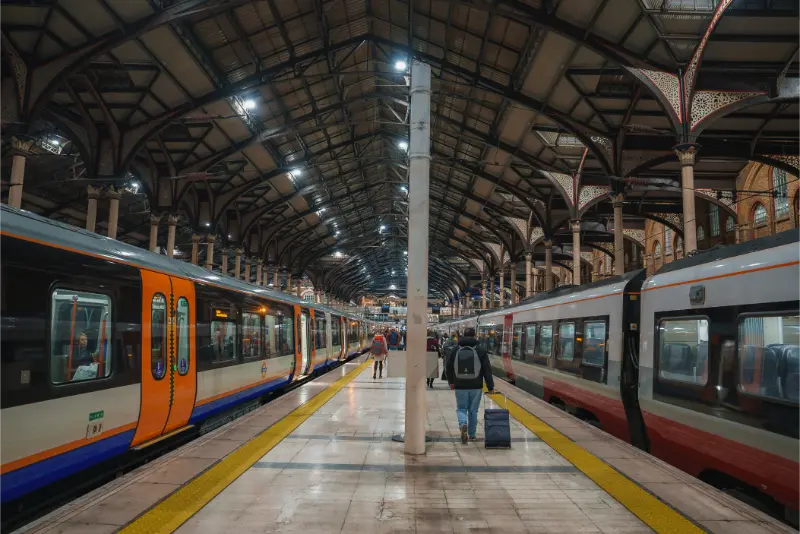
    Victorian London Railway Station Platform

    Common mistakes

    • Assuming Gatwick Express is always the only or best train.
    • Forgetting the North Terminal shuttle when estimating airport time.
    • Taking a train to Victoria and then crossing London when Thameslink goes closer to the hotel.
    • Tapping contactless without comparing family or Railcard ticket options.
    • Booking a road transfer during peak traffic without allowing a generous buffer.
    • Checking the timetable weeks ahead but not checking live engineering work before the flight.

    Frequently asked questions

    How long is Gatwick to central London by train?

    Gatwick Express reaches Victoria in around 30–31 minutes under normal conditions. Thameslink times vary by central station.

    Is Gatwick Express worth it?

    It is convenient for Victoria and nearby areas. For London Bridge, Farringdon or St Pancras, Thameslink is often more direct.

    Where is Gatwick train station?

    At South Terminal. A free shuttle links North Terminal to South Terminal.

    Can I use contactless at Gatwick Airport station?

    Yes, contactless travel is available, but compare ticket products if you have children or Railcard discounts.

    Gatwick tickets and the temptation to over-optimise

    Visitors sometimes spend too much effort chasing a tiny fare difference while ignoring where the train arrives. A cheaper ticket to Victoria is not a saving if it creates two paid onward journeys and a difficult luggage transfer. Likewise, a slightly higher fare can be worthwhile if it brings you directly to a station within walking distance of the hotel. Compare the full airport-to-door cost and effort. If using contactless, remember that each adult should use the same card or device to touch in and out, and that child or Railcard pricing may favour conventional tickets.
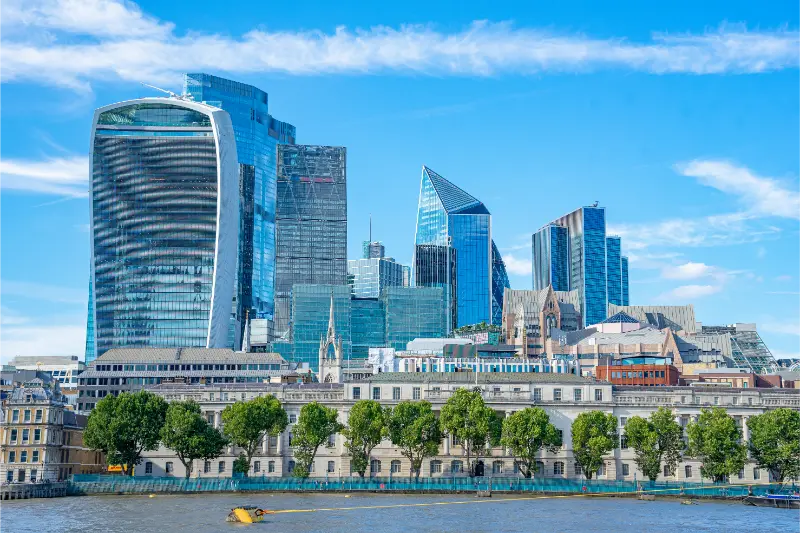
    London Skyline

    When a coach is genuinely better

    A coach is not only a budget fallback. It can be the most practical option when a late arrival misses convenient trains, when engineering work closes part of the railway, or when your hotel is close to a coach stop and far from a useful rail station. The weakness is road traffic. For an outbound flight, protect the schedule with more buffer than you would give a train. For an inbound trip, the cost of delay is lower, so a coach can be a relaxed choice if you are not rushing to a timed attraction.

    Victoria or Thameslink: decide before you board

    Arrivals can feel rushed because several trains may be shown on the departure boards at once. Before leaving the terminal, identify the London station that best matches your hotel and stick to that plan unless disruption changes it. A slightly later Thameslink train to Farringdon can be better than an immediate Victoria train if it avoids two Tube changes. Conversely, Victoria is excellent when the hotel is in Westminster, Belgravia or Pimlico. Choosing by final destination is more reliable than choosing the first train described as express.

    Gatwick on a rail-strike or engineering-work day

    Airport transfers are unusually sensitive to rail disruption because missing a flight has a much higher cost than reaching a museum late. If planned engineering work affects the Brighton Main Line, compare coach and road-transfer options before the morning of travel. Do not assume a replacement bus will preserve the normal train journey time. For an inbound arrival, keep the airport Wi-Fi available until you have confirmed the route.

    Why London Bridge can be underrated

    Travellers staying around Borough, Bermondsey, Tower Bridge or the eastern South Bank often save a cross-city trip by using Thameslink to London Bridge. It is also a useful interchange for the Jubilee line. The station is large, so allow time to navigate lifts and platforms, but it can be substantially more logical than Victoria for hotels east of the West End.

    Keep the terminal-to-hotel route on one screen

    After a flight, decision fatigue is real. Save the hotel address and the chosen London arrival station before travelling, then screenshot the final walking or Tube leg. At Gatwick, this prevents the common pattern of boarding the first central-London train and only later realising it arrives on the wrong side of the city. If disruption changes the plan, compare the new route against the saved one rather than starting the research from zero in the arrivals hall.

    Bottom line

    Gatwick is easiest when you choose the London station closest to your accommodation. Victoria is ideal for some travellers, but Thameslink often beats the famous express for the City, London Bridge, Farringdon and King’s Cross. Treat the terminal shuttle and the London-side transfer as part of the journey, not afterthoughts.

  • Heathrow Airport to Central London: Elizabeth Line, Express, Tube, Taxi and Transfer

    Heathrow Airport to Central London: Elizabeth Line, Express, Tube, Taxi and Transfer

    Heathrow is the easiest London airport to misunderstand because it has several good public-transport options, and the fastest one is not automatically the best one. Heathrow Express is extremely quick to Paddington, the Elizabeth line reaches a much wider set of central destinations without changing, and the Piccadilly line can be the cheapest straightforward choice for parts of the West End. A taxi or private transfer becomes attractive when several people, heavy luggage or a difficult hotel location are involved.

    If you are still choosing an airport rather than solving a Heathrow transfer, start with our London airports overview. This guide assumes your flight is already using Heathrow and helps you choose the route based on where you are actually staying.

    Heathrow transfer options at a glance

    OptionBest forTypical characteristicWho should consider it
    Heathrow ExpressPaddington15 min to Heathrow Central / Paddington routeFastest for Paddington and nearby west-central hotels.
    Elizabeth linePaddington, Bond Street, Tottenham Court Road, Farringdon, Liverpool Street, Canary WharfSlower than Express but direct to many useful areasBest balance for many visitors.
    Piccadilly lineSouth Kensington, Knightsbridge, Piccadilly Circus and moreSlower, many stopsGood value for parts of west/central London.
    CoachVictoria and selected routesTraffic-dependentUseful for some luggage-heavy journeys.
    Taxi/private transferDoor to doorTraffic-dependentBest for groups, late arrivals or awkward addresses.

    Heathrow Express: fastest to Paddington

    Heathrow Express advertises a 15-minute journey between Paddington and Heathrow Central, with additional time to Terminal 5. Trains run frequently and are designed for airport luggage. The key question is what happens after Paddington. If your hotel is beside the station, the speed advantage is real. If you then need two Underground changes with suitcases, the Elizabeth line may be simpler overall. Check current service and fares on Heathrow Express.

    Elizabeth line: the best all-round option for many hotels

    The Elizabeth line serves Heathrow Terminals 2 & 3, Terminal 4 and Terminal 5 and continues through central London. That means direct journeys to Paddington, Bond Street, Tottenham Court Road, Farringdon, Liverpool Street and Canary Wharf. Heathrow currently lists a Zone 1 journey at £12.80, but transport fares change, so confirm the live fare before travel on the official Heathrow Elizabeth line page.

    For first-time visitors, directness often matters more than shaving ten minutes off the train ride. Bond Street is convenient for Mayfair and Oxford Street; Tottenham Court Road for Soho and the eastern West End; Farringdon for parts of Clerkenwell and Thameslink connections; Liverpool Street for the City and Spitalfields; Canary Wharf for Docklands.

    Piccadilly line: slower but often practical

    The Piccadilly line is useful when your destination lies directly on it, particularly around South Kensington, Gloucester Road, Earl’s Court, Knightsbridge, Green Park, Piccadilly Circus or King’s Cross. It makes many stops and is slower than the Elizabeth line or Heathrow Express, but avoiding a transfer can matter with luggage.

    Peak-hour trains can be crowded, and older central stations may involve stairs or long corridors. If step-free access matters, plan the exact station route in advance rather than assuming that a direct train means an easy exit.

    Gatwick Airport Aerial View London

    Which terminal are you using?

    Heathrow is not one building. Terminals 2 and 3 share the Heathrow Central rail station, while Terminals 4 and 5 have their own rail connections. Read your airline booking before choosing a departure time. Returning to the wrong terminal can cost far more time than the difference between two train options.

    Contactless payment versus advance tickets

    The Elizabeth line and Tube accept contactless pay-as-you-go. Heathrow Express sells its own tickets and can offer advance pricing. Do not assume the cheapest method is the same for every traveller: children, railcards and groups can change the calculation. Our London money and cards guide explains how contactless works more generally.

    Taxi and private transfer: when the premium makes sense

    A car is rarely the fastest way through London traffic, but speed is not the only criterion. Four travellers with large suitcases, a baby, limited mobility or an apartment far from a step-free station may reasonably value door-to-door transport. Compare the total group price, not the taxi price against one individual rail fare.

    Affiliate link. Dreaming London may earn a commission from qualifying bookings at no extra cost to you.

    Late-night and very early flights

    Do not assume the normal daytime railway timetable covers a 04:00 check-in or a flight delayed past midnight. Check the actual date because engineering work and weekend timetables change options. Night buses and coaches can fill gaps, but a pre-booked transfer may be simpler when several travellers share the cost.

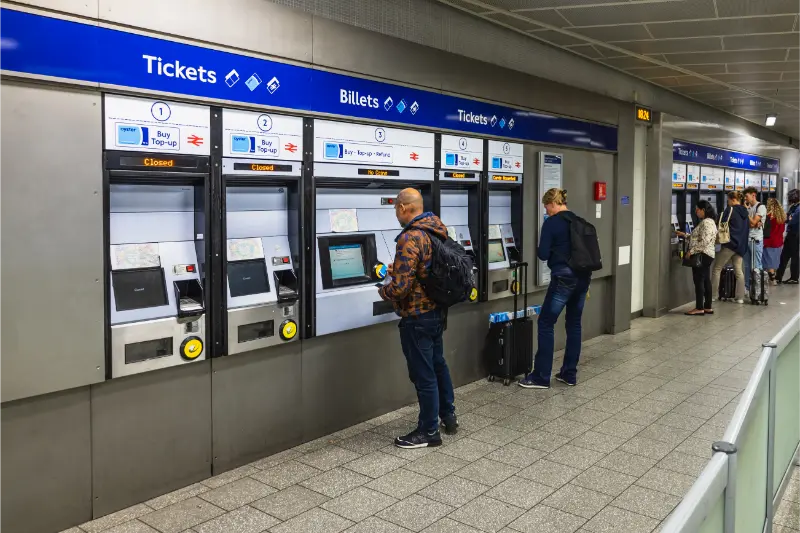
    Ticket Machines at London Underground Station

    Heathrow to common London areas

    DestinationUsually worth checking first
    PaddingtonHeathrow Express or Elizabeth line.
    Mayfair / Oxford StreetElizabeth line to Bond Street is often simplest.
    Soho / Covent Garden areaElizabeth line to Tottenham Court Road, then walk or short onward trip depending on hotel.
    South Kensington / Earl’s CourtPiccadilly line can be very convenient.
    City / Liverpool StreetElizabeth line direct.
    Canary WharfElizabeth line direct.
    King’s CrossPiccadilly line direct or Elizabeth line plus transfer depending on luggage and timing.

    Travelling with children

    With young children, the transfer is part of the first day, not a separate logistics exercise. Avoid unnecessary station changes, know where the pushchair and luggage will go and keep snacks accessible. Our London with toddlers guide and family accommodation guide can help you judge whether paying more for a direct route is worthwhile.

    Do not rent a car just to reach central London

    If London is the first stop of a wider UK road trip, consider collecting the car when you leave the city rather than at Heathrow on arrival. Parking and road charges can turn a cheap rental day into an expensive burden. See our driving in London guide before deciding.

    Common Heathrow transfer mistakes

    • Choosing Heathrow Express because it is fastest without checking the journey after Paddington.
    • Getting off at the wrong terminal rail station on the return trip.
    • Assuming every central Tube station has step-free access from train to street.
    • Using separate cards for contactless tap-in and tap-out.
    • Booking a taxi based on road distance while ignoring rush-hour traffic.
    • Leaving no buffer for weekend engineering work on an airport departure day.

    Frequently asked questions

    What is the fastest train from Heathrow to central London?

    Heathrow Express advertises 15 minutes between Heathrow Central and Paddington. The fastest door-to-door route depends on your final address.

    Is the Elizabeth line better than Heathrow Express?

    It often is for destinations beyond Paddington because it serves several central stations directly. Heathrow Express is strongest when Paddington is the destination.

    Can I use contactless from Heathrow?

    Yes on the Elizabeth line and London Underground. Ticketing for other services can differ.

    London Skyline Travel Illustration

    Should I take a taxi from Heathrow?

    It can make sense for groups, heavy luggage, limited mobility, small children or accommodation that is awkward by rail, but road traffic is unpredictable.

    Arrivals time is not the same as train time

    A flight landing at 10:00 does not put you on a train at 10:05. Immigration, baggage reclaim and the walk to the station can vary dramatically by terminal and time of day. If you are meeting someone or booking a fixed transfer, build the pickup around a realistic arrival window rather than the scheduled landing minute. On the way home, use the opposite approach: arrive earlier than the minimum because airline check-in and Heathrow security are outside the rail journey you have carefully optimised.

    Heathrow on the departure day

    For the flight home, reverse-planning is more important than the nominal train time. Start with the airline’s recommended airport arrival, add the correct terminal transfer, then add the rail journey and a disruption margin. A 15-minute Heathrow Express headline does not mean you can leave a Paddington hotel 45 minutes before check-in closes. Security queues, terminal walks and baggage drop still exist.

    Elizabeth line versus Piccadilly line with luggage

    The Elizabeth line generally offers newer trains and fewer stops between Heathrow and central London, while the Piccadilly line can be more direct to hotels around South Kensington and the West End. A family with four cases may prefer one slower direct train over a faster route plus a change. Check lift access at the destination station, because the hardest part of an airport transfer is often the final 200 metres from platform to street.

    If the Elizabeth line is disrupted

    Heathrow has enough alternatives that a single disruption should not ruin the transfer, but only if you know the fallback. Heathrow Express can still move passengers to Paddington, the Piccadilly line serves all airport terminals used by the Tube network, and coaches or road transfers can cover severe rail disruption. Before a departure flight, check live status before leaving the hotel. Switching routes early is much easier than reaching a closed platform with baggage and trying to rebuild the journey under time pressure.

    Bottom line

    Choose Heathrow transport by final destination, not by headline train speed. Heathrow Express wins for Paddington; the Elizabeth line is the best all-rounder for many central and east-London areas; the Piccadilly line remains useful for specific west-central districts. A transfer is worth paying for when door-to-door simplicity matters more than the fastest railway time.

  • Best Areas for Foodies in London: Where to Stay, Wander and Eat

    Best Areas for Foodies in London: Where to Stay, Wander and Eat

    Food-focused travellers often make a London planning mistake before they book a single restaurant: they treat the city as though every interesting meal sits in one central dining district. London’s food identity is distributed across neighbourhoods. Soho and Chinatown are dense and central; Borough is market-led; Shoreditch and the East End mix restaurants with migration history and nightlife; Brixton combines covered arcades with Caribbean and global food; Southall offers a South Asian high-street experience; Marylebone is calmer and more polished.

    You do not need to sleep in the “best” food district to eat well, but understanding the map helps you group meals with sightseeing and avoid crossing the city three times a day. This guide compares neighbourhoods by food style, timing and who they suit.

    Best London food areas at a glance

    AreaBest for
    SohoDense restaurant choice, late evenings, theatre proximity
    ChinatownEast Asian food and West End convenience
    Borough / London BridgeBorough Market, Thames, casual-to-serious dining
    Shoreditch / SpitalfieldsEast End food, markets, nightlife and modern restaurants
    BrixtonGlobal food, Caribbean influence, covered markets
    SouthallSouth Asian food and grocery culture
    MarylebonePolished neighbourhood dining and cafés
    CamdenStreet food and mixed-group choice

    Soho: the easiest food neighbourhood for a first trip

    Soho has extraordinary density. You can move from coffee to small plates, noodles, cocktails and late dinner within a few blocks, which is useful around West End theatre. It also means queues and hype. Reserve restaurants that matter and keep one spontaneous option. Our Soho guide covers the streets beyond eating.

    Chinatown: convenient and much broader than one cuisine

    London Chinatown sits beside Soho and Leicester Square, so it is exceptionally easy to add to a central day. Menus span Chinese regional styles and other East Asian cuisines, dessert cafés, bakeries and supermarkets. Avoid choosing purely by the busiest entrance queue. Our Chinatown and Leicester Square guide explains timing and restaurant strategy.

    Borough and London Bridge: best market-led food day

    Borough Market anchors the area, but the neighbourhood also works for restaurants and riverside walking. It is ideal when your itinerary already includes Tate Modern, Shakespeare’s Globe, Tower Bridge or the City. Use our Borough Market guide and resist treating the market as the only place worth eating nearby.

    Shoreditch and Spitalfields: food plus nightlife

    East London is useful if you want a day that evolves into an evening. Markets, bakeries, curry-house history, bars and newer restaurants sit within walking distance. The food scene reflects successive migrations and rapid neighbourhood change. Our Shoreditch guide and Brick Lane guide help keep the experience connected to place.

    Brixton: global food and a stronger local identity

    Brixton Village and Market Row make it easy to compare restaurants in a compact space, while the wider neighbourhood adds Caribbean and Black British cultural history. It is not a central-London food hall transplanted south. Read our Brixton guide before visiting so food sits within the area’s story.

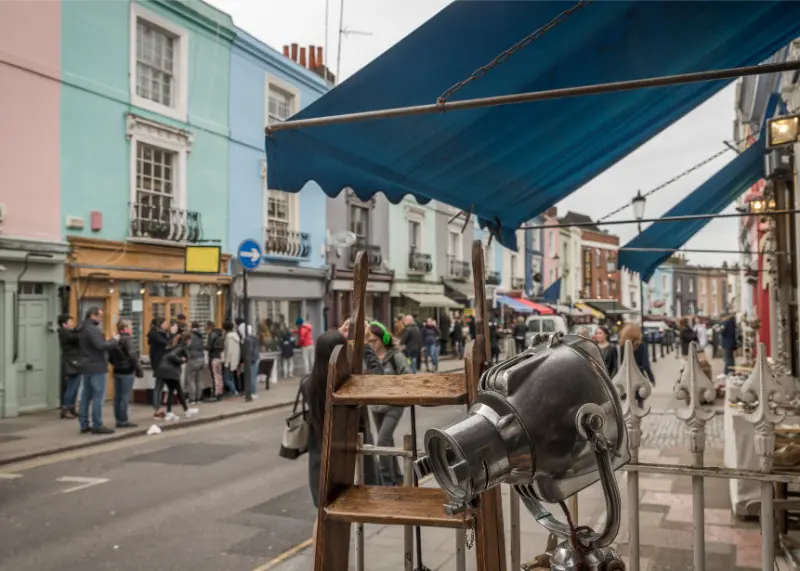
    Portobello Road Market London

    Southall: for travellers willing to leave central London

    Southall is not the most efficient choice on a two-day first trip, but it can be one of the most rewarding food outings on a longer visit. South Asian groceries, sweet shops, restaurants and bakeries dominate stretches of the high street. Use the Elizabeth line and allow a half-day rather than going for one hurried dinner. Our Indian food guide explains what makes it different from Brick Lane.

    Marylebone: calmer central eating

    Marylebone is useful for travellers who want central convenience without Soho intensity. Cafés, bakeries, pubs and restaurants sit around attractive streets and Marylebone High Street, with Regent’s Park and major museums nearby. It also works well as an accommodation base; see our Marylebone guide.

    Camden: best for groups with different tastes

    Camden’s food offer is huge, informal and heavily market-based. It suits teenagers, mixed groups and visitors who want lunch without coordinating a formal restaurant booking. Go early on weekends if crowds bother you. Our Camden guide adds canal walking and neighbourhood context.

    Should food lovers stay in Soho?

    Only if nightlife and central walking matter enough to justify higher prices and noise. Food lovers can stay in Bloomsbury, South Bank, Marylebone, King’s Cross or another well-connected area and reach several food districts easily. Use our where to stay for first-time visitors guide before allowing restaurants to dictate the entire hotel decision.

    How to build a food-focused London itinerary

    • Day 1: central London + Soho/Chinatown dinner.
    • Day 2: Borough Market lunch + South Bank or City sightseeing.
    • Day 3: East End / Shoreditch / Brick Lane with market or food tour.
    • Day 4: choose Brixton or Southall for a deeper neighbourhood food outing.
    • Keep one evening unbooked for spontaneous discovery.

    Reservations versus spontaneity

    Book the restaurant that would genuinely disappoint you to miss. Leave cafés, markets and secondary dinners flexible. London transport disruptions, museum fatigue and weather can all change the day. A food itinerary with every hour reserved becomes fragile and can prevent you from following a neighbourhood discovery.

    Food tours: best neighbourhoods for them

    Borough and the East End are the strongest areas for tours because trade, markets and migration give guides real material beyond tasting. A Soho or Chinatown tour can also be useful for orientation if you are overwhelmed by restaurant choice.

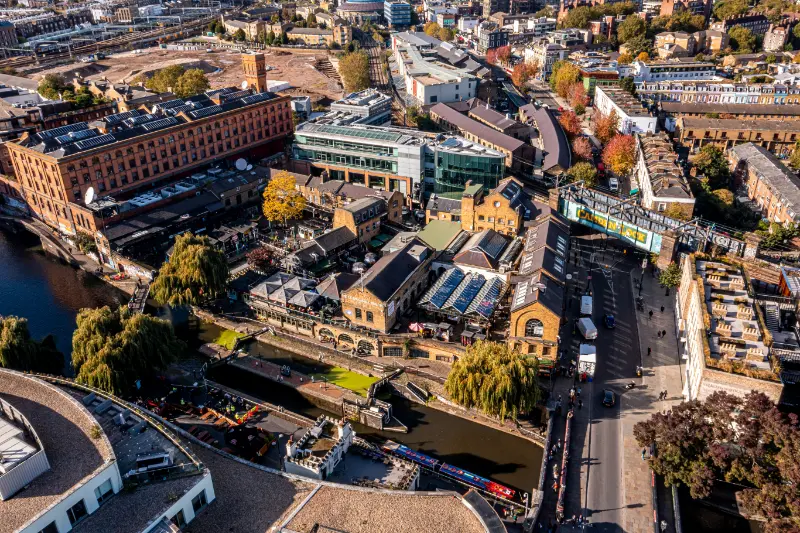
    Camden Lock Market Aerial View London

    Affiliate link. Dreaming London may earn a commission from qualifying bookings at no extra cost to you.

    Frequently asked questions

    What is the best area in London for restaurants?

    Soho offers the highest useful density for most first-time visitors, but “best” depends on cuisine and atmosphere. Borough is better for markets; Southall for a South Asian food outing; Brixton for a strong neighbourhood identity.

    Where should foodies stay?

    Central access usually matters more than sleeping directly above the restaurants. Soho, Covent Garden, Bloomsbury, Marylebone, South Bank and King’s Cross can all work depending on budget and evening priorities.

    Is Borough Market enough for a food trip?

    No. It is an excellent introduction, but London’s food story becomes richer when you add at least one neighbourhood shaped by migration, such as the East End, Brixton or Southall.

    Bottom line

    The best London food itinerary is geographic. Eat where you are exploring, then dedicate one or two meals to neighbourhoods that reveal a different side of the city. Soho, Borough, East London, Brixton and Southall are not substitutes for one another; together they show why London is a food city rather than simply a city with many restaurants.

    Do not confuse food density with food quality

    A street lined with restaurants is convenient, but density can also produce mediocre places surviving on passing traffic. In tourist-heavy zones, walk a block away from the main square, compare menus and notice where people seem to have chosen the restaurant deliberately rather than simply stopped. In residential food neighbourhoods, the strongest place may be modest and busy rather than visually dramatic.

    The most rewarding London food trips mix one high-density central area with one neighbourhood that requires intention. That contrast shows both the global visitor city and the everyday city where communities eat, shop and socialise.

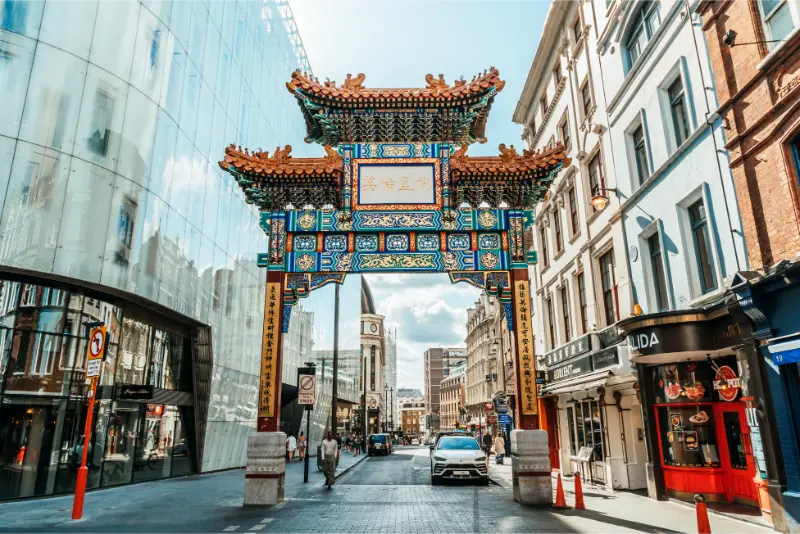
    Gerrard Street Chinatown London

    Extra planning note

    A food-focused hotel choice should still work for the rest of the trip. Being above Soho restaurants is convenient at midnight but may be noisy; Southall offers exceptional food but is less efficient for daily Westminster sightseeing. Choose accommodation by the whole itinerary, then use transport to reach one or two dedicated food neighbourhoods.

    Extra planning note 2

    A food-focused hotel choice should still work for the rest of the trip. Being above Soho restaurants is convenient at midnight but may be noisy; Southall offers exceptional food but is less efficient for daily Westminster sightseeing. Choose accommodation by the whole itinerary, then use transport to reach one or two dedicated food neighbourhoods.

    Extra planning note 3

    A food-focused hotel choice should still work for the rest of the trip. Being above Soho restaurants is convenient at midnight but may be noisy; Southall offers exceptional food but is less efficient for daily Westminster sightseeing. Choose accommodation by the whole itinerary, then use transport to reach one or two dedicated food neighbourhoods.

    Extra planning note 4

    A food-focused hotel choice should still work for the rest of the trip. Being above Soho restaurants is convenient at midnight but may be noisy; Southall offers exceptional food but is less efficient for daily Westminster sightseeing. Choose accommodation by the whole itinerary, then use transport to reach one or two dedicated food neighbourhoods.

    Extra planning note 5

    A food-focused hotel choice should still work for the rest of the trip. Being above Soho restaurants is convenient at midnight but may be noisy; Southall offers exceptional food but is less efficient for daily Westminster sightseeing. Choose accommodation by the whole itinerary, then use transport to reach one or two dedicated food neighbourhoods.

    Extra planning note 6

    A food-focused hotel choice should still work for the rest of the trip. Being above Soho restaurants is convenient at midnight but may be noisy; Southall offers exceptional food but is less efficient for daily Westminster sightseeing. Choose accommodation by the whole itinerary, then use transport to reach one or two dedicated food neighbourhoods.

  • London Street Food Guide: Where to Go and How to Eat Your Way Around the City

    London Street Food Guide: Where to Go and How to Eat Your Way Around the City

    London street food is less about food carts on every pavement and more about markets, food halls, railway arches and rotating trader collectives. The strongest experiences are concentrated: Borough Market for a mix of produce and prepared food, Camden for huge international choice, Brick Lane and the East End for weekend energy, Greenwich for food plus sightseeing, and the South Bank for a convenient weekend stop beside the river.

    Visit London’s 2026 street-food guide emphasises that trader line-ups change regularly. That is exactly why a useful guide should teach you where and when to look rather than promise that one viral vendor will still be operating in the same place next year.

    Street food versus food markets

    The terms overlap but are not identical. A food market may sell raw ingredients, cheese, bread and produce alongside ready-to-eat dishes. A street-food market or food hall focuses more heavily on prepared meals. Borough is both; Seven Dials is closer to a curated indoor food hall; Camden combines food with retail; Broadway Market is a neighbourhood street market with permanent businesses around it.

    Best areas for street food

    AreaWhy go
    Borough / London BridgeHuge choice plus market history and South Bank
    CamdenLarge selection, canal, shopping and alternative culture
    Brick Lane / SpitalfieldsWeekend markets, East End food and migration history
    GreenwichCovered market plus major attractions
    South BankConvenient weekend food beside river sights
    BrixtonGlobal food in covered arcades and local restaurants

    How to eat at a market without overspending

    Walk one full circuit before ordering. Then share. Two people buying three smaller dishes usually experience more variety than each buying one oversized meal. Decide whether dessert is part of the market visit before everyone becomes full. Street food is not automatically cheap: premium ingredients, central rents and large portions can push prices toward restaurant levels.

    Queues: useful signal or social-media trap?

    A short queue can indicate fresh turnover. A forty-minute queue can indicate TikTok. Ask whether the dish is genuinely unique or whether another trader offers something equally appealing with no wait. On a short London trip, queue time has a real cost. The aim is to eat well, not collect proof that you stood in the city’s longest food line.

    Borough Market for first-timers

    If you only visit one food market, Borough is the easiest recommendation because it fits naturally between the City and South Bank. Use our Borough Market guide for timing and our food markets comparison if you are deciding between several markets.

    Camden for mixed groups

    Camden works when not everyone is equally food-focused. One person can eat while another shops, and the canal gives the area a different rhythm from central London. Peak weekend crowds can be exhausting, so arrive before lunch if food is the main objective. Our Camden guide explains the broader neighbourhood.

    Brick Lane and the East End

    Weekend Brick Lane connects street food with vintage markets, curry-house history and street art. It is one of the best areas for understanding how migration shapes London food, but avoid reducing the neighbourhood to a tasting checklist. Our Indian food in London guide and Brick Lane guide provide the deeper context.

    Gerrard Street Chinatown London

    Greenwich and South Bank: food as part of sightseeing

    Greenwich Market and the Southbank Centre food market are most useful because they sit within strong sightseeing days. You are not sacrificing an hour of transport for lunch. In Greenwich, pair food with the Cutty Sark and park; on the South Bank, connect it with Tate Modern, river walking or the London Eye area.

    Food halls when the weather is bad

    Indoor halls such as Seven Dials Market and covered arcades such as Brixton Village are useful in rain and for groups with different diets. The trade-off is that they can feel more like organised dining venues than open-air street markets. That can be an advantage with children because seating, toilets and shelter are more predictable.

    Food hygiene and allergens

    Legitimate market traders operate within food-hygiene rules, but visitors with severe allergies still need to ask about cross-contact, shared fryers and sauces. Busy stalls may have less space to manage complex requests than a full restaurant. If communication is unclear, choose another trader. Curiosity is not worth an allergy risk.

    Cards, cash and tipping

    Contactless is widespread and many traders are cashless. Counter-service street food does not normally require tipping. If a card terminal offers a gratuity screen, it is optional. Carry a backup payment method because a market stall’s card reader or network can fail.

    Street food with children

    Go before peak lunch, share familiar and adventurous dishes, and identify somewhere to sit before buying hot food. Children carrying open containers through a crowded market is stressful. Greenwich and Southbank are easy to combine with family attractions; Camden works better with older children and teenagers who enjoy the atmosphere.

    A guided street-food tour: worth it?

    A tour is worthwhile when the guide provides migration, market and neighbourhood history, not simply a list of stalls. East End and Borough tours can be particularly strong because the food story is inseparable from trade and immigration.

    Affiliate link. Dreaming London may earn a commission from qualifying bookings at no extra cost to you.

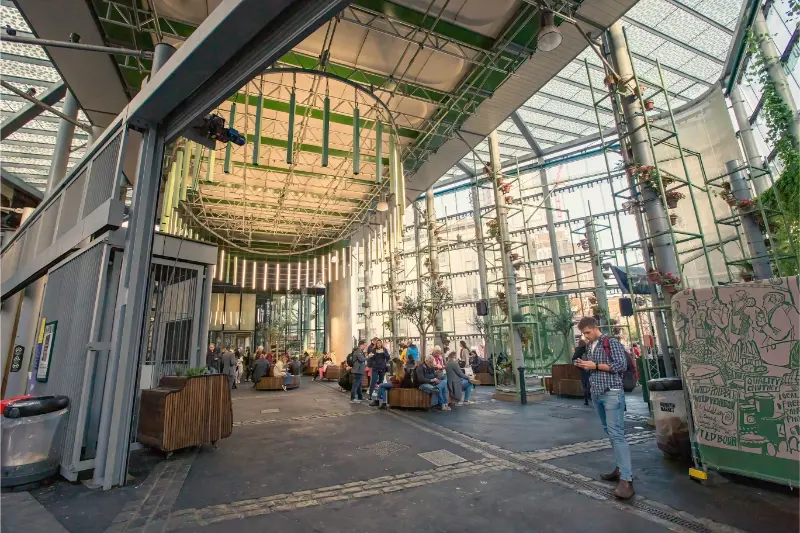
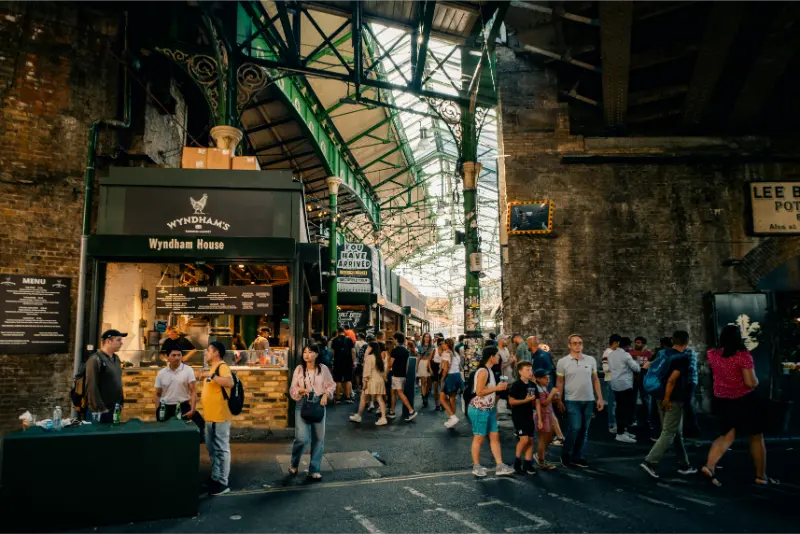
    Borough Market Glass Pavilion Southwark London

    Frequently asked questions

    What is the best street food market in London?

    For a first visit, Borough is the strongest all-round market; Camden has the broadest mixed-market atmosphere; Brick Lane is strongest on a weekend; Greenwich works best as part of a sightseeing day.

    Is London street food cheap?

    Sometimes, but not automatically. Compare portion size and final cost with casual restaurants. Sharing several dishes often gives better value.

    Which day is best?

    Weekends produce the widest market choice, but also the largest crowds. Borough has extensive weekday trading, while some other markets are heavily weekend-focused.

    Bottom line

    Treat London street food as a neighbourhood experience rather than a list of viral stalls. Pick one market that fits the day, browse before ordering, share dishes, skip absurd queues and use the food to understand the area around you. The trader may change next year; the strategy will still work.

    Season and weather change the experience

    A sunny Saturday can make an outdoor market feel festive and also create the longest queues. Rain can reduce crowds but make standing with open food awkward. In winter, hot dishes are appealing but daylight disappears early; in summer, shade and cold drinks matter more. Have one indoor backup such as Seven Dials or Brixton Village when the forecast is poor.

    Markets are also affected by special events and holiday schedules. Check the market’s own channels before travelling, especially around Christmas, New Year and bank holidays.

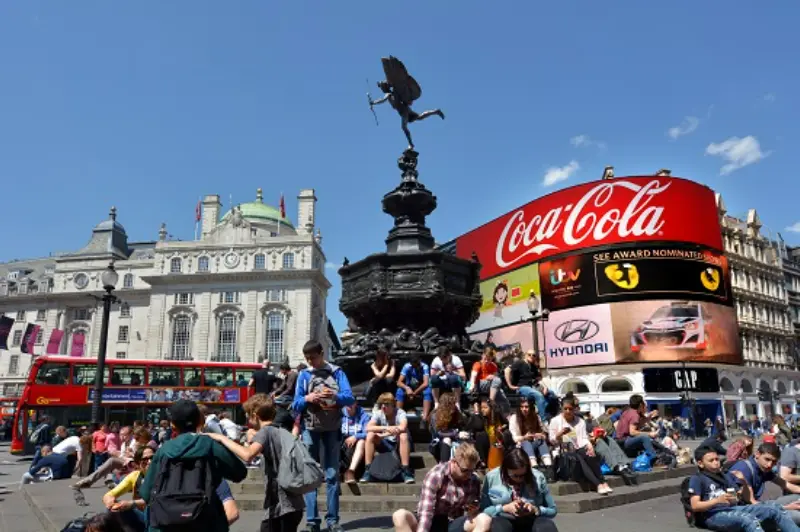
    Piccadilly Circus London

    Extra planning note

    Keep your itinerary flexible enough to abandon a market that is uncomfortably crowded. London has alternatives. If Borough is overwhelming at noon, walk toward Bermondsey or find a sit-down meal; if Camden is packed, continue along the canal. A food experience should not become an endurance test simply because it was planned in advance.

    Extra planning note 2

    Keep your itinerary flexible enough to abandon a market that is uncomfortably crowded. London has alternatives. If Borough is overwhelming at noon, walk toward Bermondsey or find a sit-down meal; if Camden is packed, continue along the canal. A food experience should not become an endurance test simply because it was planned in advance.

    Extra planning note 3

    Keep your itinerary flexible enough to abandon a market that is uncomfortably crowded. London has alternatives. If Borough is overwhelming at noon, walk toward Bermondsey or find a sit-down meal; if Camden is packed, continue along the canal. A food experience should not become an endurance test simply because it was planned in advance.

    Extra planning note 4

    Keep your itinerary flexible enough to abandon a market that is uncomfortably crowded. London has alternatives. If Borough is overwhelming at noon, walk toward Bermondsey or find a sit-down meal; if Camden is packed, continue along the canal. A food experience should not become an endurance test simply because it was planned in advance.

    Extra planning note 5

    Keep your itinerary flexible enough to abandon a market that is uncomfortably crowded. London has alternatives. If Borough is overwhelming at noon, walk toward Bermondsey or find a sit-down meal; if Camden is packed, continue along the canal. A food experience should not become an endurance test simply because it was planned in advance.

    Extra planning note 6

    Keep your itinerary flexible enough to abandon a market that is uncomfortably crowded. London has alternatives. If Borough is overwhelming at noon, walk toward Bermondsey or find a sit-down meal; if Camden is packed, continue along the canal. A food experience should not become an endurance test simply because it was planned in advance.

    Street-food timing and queue strategy

    Keep your itinerary flexible enough to abandon a market that is uncomfortably crowded. London has alternatives. If Borough is overwhelming at noon, walk toward Bermondsey or find a sit-down meal; if Camden is packed, continue along the canal. A food experience should not become an endurance test simply because it was planned in advance.

  • Eating in London on a Budget: How to Eat Well Without Living on Supermarket Sandwiches

    Eating in London on a Budget: How to Eat Well Without Living on Supermarket Sandwiches

    Eating cheaply in London does not require spending the whole trip on supermarket sandwiches. The city is expensive, but it also has bakeries, markets, cafés, takeaway counters, pub specials, immigrant-food neighbourhoods and lunch deals that let you eat interesting food without turning every meal into a major expense. The key is to decide which meal deserves money and which meals simply need to be good.

    A budget food plan works best when it is connected to your route. Travelling forty minutes for a £3 saving is not economical once you count time and transport. This guide focuses on patterns that work across London and links them to the neighbourhood and market guides already on Dreaming London.

    The budget rule: spend on one meal, simplify the others

    Choose the food experience you care about most each day—Sunday roast, afternoon tea, Borough Market tasting, a good Indian dinner—then make breakfast and the remaining meal simpler. This produces a much better trip than trying to find the absolute cheapest option three times a day or, at the opposite extreme, booking three destination restaurants.

    Breakfast: the easiest place to save

    If your hotel includes breakfast at a reasonable rate, use it. If not, traditional cafés, bakeries and simple grab-and-go breakfasts can be far cheaper than fashionable brunch restaurants. A full English breakfast can be a filling late breakfast that reduces the need for an expensive lunch, but do not make every morning a heavy cooked meal.

    Supermarket meal deals: useful, not a food strategy

    Major supermarket and convenience chains sell packaged lunch combinations that can be excellent for train days, park picnics or moments when time matters more than culinary discovery. Use them strategically. A sandwich, snack and drink beside Hyde Park can free budget for dinner; eating the same meal in your hotel every day wastes one of London’s strongest cultural assets.

    Markets: share and sample instead of buying three full meals

    At markets, portion control matters. Two people can share two or three dishes and taste more cuisines for less than ordering a full serving each at every stall. Our London food markets guide compares Borough, Camden, Greenwich, Brixton and other options. Browse once before choosing so you do not spend half the budget at the first photogenic stall.

    Look for lunch menus and early dining

    Restaurants that are expensive at dinner can have better-value lunch menus, pre-theatre menus or weekday offers. This is especially useful around Soho, Covent Garden, Marylebone and the City. Check the restaurant’s own site rather than assuming an offer shown on an old list still exists. A fixed lunch followed by a lighter dinner can make a higher-quality restaurant affordable.

    Borough Market Interior London

    Use neighbourhoods with genuine everyday food

    Chinatown, Brixton, parts of the East End, Southall and areas with large local communities can deliver better value and more variety than streets directly beside major monuments. Our Chinatown guide, Brixton guide and Indian food guide explain how to use those areas without treating them as “cheap food zones” detached from their history.

    Pub food: value depends on the pub

    A pub meal can be good value when portions are substantial and the menu is straightforward, but central gastropubs can be as expensive as restaurants. Fish and chips, pies, sausages and mash or a Sunday roast may replace both lunch and dinner for some travellers. Compare the total bill including drinks and service charge. Our British pub food guide covers the menu language.

    Drink tap water instead of buying bottles everywhere

    In restaurants, asking for tap water is normal. Carry a refillable bottle during the day. Repeated bottled drinks, specialty coffees and alcohol can quietly cost more than lunch. If you want pub atmosphere but not a large alcohol bill, one drink followed by water or a low/no-alcohol option is perfectly normal.

    Service charge can change the real price

    A £20 menu item may not mean a £20 final restaurant cost. Many sit-down restaurants add a discretionary service charge, often around 12.5%. Check the bill before adding another tip. Counter-service and takeaway food normally does not carry the same expectation. See our restaurant etiquette guide and money guide for the details.

    Do not waste money on “views” when you only want the meal

    Restaurants near major attractions may charge partly for location. If the food matters more than the landmark, walk five to ten minutes into a side street or neighbourhood. Conversely, if a river or skyline view is the experience you want, accept the premium consciously rather than complaining that the plate was not cheap. Budgeting works when you know what you are paying for.

    A realistic low-cost food day

    MealStrategy
    BreakfastBakery/café or included hotel breakfast
    LunchMarket dish, café set meal or takeaway picnic
    SnackOne planned coffee/pastry rather than constant impulse stops
    DinnerNeighbourhood restaurant, pub or early fixed-price menu
    DrinksRefillable water bottle; choose alcohol intentionally

    Families: where budget disappears fastest

    Children often need snacks, drinks and flexible meal times, which can create constant small purchases. Carry water and one familiar snack, then use food halls or markets when everyone wants something different. Book restaurants only when the experience matters. Our family accommodation guide also explains why a room with breakfast or a simple kitchenette can reduce costs.

    Portobello Road Market Notting Hill London

    Common false economies

    • Choosing a far-away restaurant to save a few pounds, then paying extra transport.
    • Skipping breakfast and buying expensive snacks all morning.
    • Buying individual bottled drinks all day.
    • Ordering a second tip on top of service charge.
    • Booking a hotel far outside central London solely for a low room rate, then losing time and money commuting.
    • Avoiding every paid food experience and ending the trip without trying the dishes you cared about.

    Frequently asked questions

    How much should I budget for food in London?

    There is no useful single number because a supermarket lunch and a West End restaurant are different products. Build a daily range from your actual style; our London trip cost guide provides a broader budgeting framework.

    Is street food always cheaper?

    No. Popular market dishes can approach restaurant prices, especially for large portions or premium ingredients. Markets are valuable for variety and sharing, not automatically for rock-bottom prices.

    Can you eat cheaply in central London?

    Yes, particularly through cafés, bakeries, Chinatown, supermarkets, food halls and lunch deals. Moving one or two streets away from a landmark often improves choice.

    Bottom line

    The best London food budget is selective rather than restrictive. Save on routine breakfasts, drinks and convenience meals; spend on the roast, market, curry or afternoon tea you genuinely want. Read service charges, eat near the neighbourhood you are visiting and judge value by the whole day rather than by the cheapest possible plate.

    Use your accommodation strategically

    A hotel room with a kettle can cover tea, instant breakfast oats or a simple evening snack; an aparthotel or room with a kitchenette can help families enormously. But do not pay a large nightly premium for a kitchen you will use once. Calculate the actual number of meals you expect to prepare. Sometimes a central room without a kitchen saves more money overall by reducing transport and letting you return for a short rest instead of buying extra café stops.

    Piccadilly Circus at Night London

    If breakfast costs extra, compare its daily price with nearby cafés before automatically adding it to the booking. Convenience has value on early tour days, but a seven-day breakfast package can be wasteful if half your mornings start elsewhere.

    Extra planning note

    Budget travellers should also price time. A one-hour detour to save £5 can be poor value on a short trip, while a slightly more expensive meal beside the next attraction may allow another museum room, park walk or early night. The cheapest meal and the best-value meal are not always the same thing.

    Extra planning note 2

    Budget travellers should also price time. A one-hour detour to save £5 can be poor value on a short trip, while a slightly more expensive meal beside the next attraction may allow another museum room, park walk or early night. The cheapest meal and the best-value meal are not always the same thing.

    Extra planning note 3

    Budget travellers should also price time. A one-hour detour to save £5 can be poor value on a short trip, while a slightly more expensive meal beside the next attraction may allow another museum room, park walk or early night. The cheapest meal and the best-value meal are not always the same thing.

    Extra planning note 4

    Budget travellers should also price time. A one-hour detour to save £5 can be poor value on a short trip, while a slightly more expensive meal beside the next attraction may allow another museum room, park walk or early night. The cheapest meal and the best-value meal are not always the same thing.

    Extra planning note 5

    Budget travellers should also price time. A one-hour detour to save £5 can be poor value on a short trip, while a slightly more expensive meal beside the next attraction may allow another museum room, park walk or early night. The cheapest meal and the best-value meal are not always the same thing.

  • Best Food Markets in London: Which One to Visit for What You Want to Eat

    Best Food Markets in London: Which One to Visit for What You Want to Eat

    London does not have one food market that is “best” for every visitor. Borough Market is the most famous and strongest all-round choice for produce, prepared food and history, but it can be the wrong answer if you want an East London Saturday, a compact indoor food hall near Covent Garden, a riverside weekend lunch or a less formal street-food atmosphere. Choosing by neighbourhood and day of the week is far more useful than ranking markets from one to ten.

    Visit London’s 2026 market guides continue to highlight Borough, Camden, Greenwich, Brick Lane, Broadway Market, Maltby Street, Seven Dials and other food-focused locations. The exact trader mix changes, so this article compares the character and logistics rather than promising that one specific stall will always be there.

    Which London food market should you choose?

    MarketBest for
    Borough MarketFirst-time food lovers, produce, British and international food
    Maltby Street MarketCompact weekend food crawl near Bermondsey
    Camden MarketLarge global street-food selection plus shopping
    Greenwich MarketFood plus crafts and a full Greenwich day
    Broadway MarketSaturday East London neighbourhood atmosphere
    Seven Dials MarketIndoor food hall near Covent Garden
    Brixton VillageRestaurants and global food under covered arcades
    Southbank Centre Food MarketWeekend food beside the Thames

    Borough Market: the first-timer’s food market

    Borough Market deserves its fame because it combines prepared food with serious produce traders and a location that fits naturally into a first London itinerary. The market’s own identity is broader than street food: bread, cheese, meat, fish, fruit, vegetables and specialist ingredients matter as much as lunch. Visit London’s current guide lists regular market trading across the week, with the busiest atmosphere toward Friday and Saturday.

    The mistake is arriving at peak Saturday lunch time, seeing a queue and concluding the whole market is a tourist trap. Go earlier, walk the full market before buying and use our dedicated Borough Market guide for the layout and quieter timing. Combine it with South Bank or Tate Modern rather than travelling there solely for one viral sandwich.

    Maltby Street Market: smaller and more concentrated

    Maltby Street’s appeal is scale. The railway arches and Ropewalk area create a compact weekend food experience where you can browse without the vast flow of Borough or Camden. It works well when Bermondsey is already part of the day. Because operating days and individual traders can change, verify the official market information before a special trip.

    Camden Market: best for maximum choice

    Camden is not a food-only market, which is exactly why it suits mixed groups. One person can browse vintage and alternative shops while another samples street food. The food offer is broad and international, but the area can be extremely crowded. Use our Camden guide to approach from the canal side and avoid spending the whole visit in the densest corridor.

    Greenwich Market: make food part of a destination day

    Greenwich Market works best when the market is one component of Greenwich rather than the only reason to travel east. Combine lunch with the Cutty Sark, riverside, park and—subject to its current operating status—the Royal Observatory. Our Greenwich guide explains the bigger route. The covered market is also useful in uncertain weather.

    Borough Market Interior London

    Broadway Market: a Saturday neighbourhood choice

    Broadway Market is strongest as part of a weekend in Hackney and London Fields. Visit London notes the Saturday street market alongside the permanent cafés, pubs and food businesses on the road. The value is the neighbourhood context: eat, walk along Regent’s Canal or continue into East London instead of treating it as a central-London attraction transplanted east.

    Seven Dials Market: the weather-proof central option

    Seven Dials Market is an indoor food hall close to Covent Garden, making it practical for groups who want different cuisines without separating. It is not a traditional produce market in the Borough sense. Think of it as a curated collection of food counters and communal seating in an extremely central location. It is useful before theatre, during rain or when individual restaurant reservations feel too restrictive.

    Brixton Village: best when you want restaurants, not just stalls

    Brixton’s covered arcades mix restaurants, cafés and shops rather than offering only temporary street-food stalls. That makes it stronger for a meal where everyone wants to sit down. It also connects food to Brixton’s music and Black British history. Use our Brixton guide rather than arriving, eating and leaving without understanding the area.

    Southbank Centre Food Market: easiest river add-on

    Visit London currently lists the Southbank Centre Food Market as a Friday-to-Sunday option. It is convenient if your day already includes the London Eye, National Theatre, Tate Modern direction or a Thames walk. It is not worth crossing London solely because “food market” appears in the itinerary; its strength is location and spontaneity.

    How to avoid market overload

    • Choose one major food market per day.
    • Walk once before buying so the first queue does not make the decision for you.
    • Share small dishes if your group wants to taste several traders.
    • Carry water and napkins; seating can be limited at busy times.
    • Check opening days because some markets are strongly weekend-focused.
    • Avoid planning an afternoon tea or huge dinner immediately afterwards.

    Food markets with children

    Markets can be excellent for families because everyone can choose different food, but crowds, hot containers and lack of seating can be tiring. Go earlier than peak lunch, identify toilets before ordering and pick a backup sit-down café. Greenwich and Camden work particularly well when paired with family attractions; Borough is easier with older children who enjoy tasting and browsing.

    Food-market tours: when they add value

    A guided tour makes most sense when you want history and curated tasting rather than simply lunch. Borough and the East End have enough history that a good guide can connect food to migration, trade and neighbourhood change. If you prefer to choose spontaneously, self-guided is cheaper and more flexible.

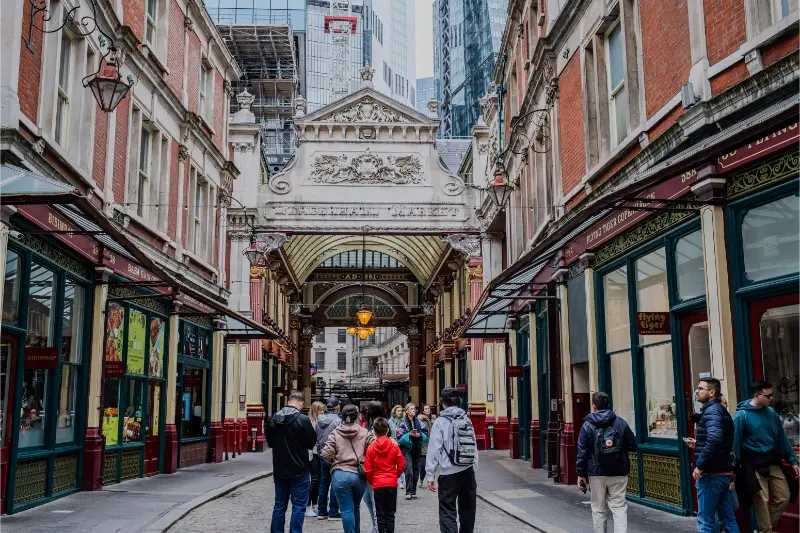
    Leadenhall Market City of London

    Affiliate link. Dreaming London may earn a commission from qualifying bookings at no extra cost to you.

    Frequently asked questions

    Which market is best for a first visit?

    Borough Market is the strongest all-round first choice, especially because it fits easily with South Bank and the City. Camden is better for mixed shopping and food; Greenwich is better for a full destination day.

    Which food markets are best on Sunday?

    Several major markets trade on Sundays, but opening patterns differ. Always confirm current days on the official market website because street-market schedules change more often than permanent food halls.

    Do London food markets take cards?

    Most traders accept cards or contactless, and many are cashless. Carry a backup payment method; see our London money guide.

    Bottom line

    Choose London food markets by geography, day and eating style. Borough for the strongest first-time food experience, Camden for huge variety, Greenwich for a destination day, Broadway for Saturday East London, Seven Dials for central indoor convenience and Brixton for sit-down global food. One well-chosen market is better than racing through three.

    Central London Street at Night

    Markets change by day, not just by season

    A market can feel completely different on Tuesday morning and Saturday lunch. Permanent traders may operate all week while outdoor stalls appear only on selected days. That is why “open” is not enough information: check whether the part you actually want is trading. For a specialist weekend market such as Broadway or Maltby Street, the day is part of the attraction.

    Seasonal events, Christmas trading and temporary closures can also change access. Use official market websites shortly before the visit and treat opening hours in any travel article—including this one—as planning guidance rather than a guarantee.

    Extra planning note

    Photography is part of modern market tourism, but traders are working. Do not block a queue or handle produce for a photo without permission. If you sample something offered by a trader, listen to the explanation and consider buying if you genuinely like it. Markets remain viable because people purchase, not because they function as free food museums.

    Extra planning note 2

    Photography is part of modern market tourism, but traders are working. Do not block a queue or handle produce for a photo without permission. If you sample something offered by a trader, listen to the explanation and consider buying if you genuinely like it. Markets remain viable because people purchase, not because they function as free food museums.

    Extra planning note 3

    Photography is part of modern market tourism, but traders are working. Do not block a queue or handle produce for a photo without permission. If you sample something offered by a trader, listen to the explanation and consider buying if you genuinely like it. Markets remain viable because people purchase, not because they function as free food museums.

    Extra planning note 4

    Photography is part of modern market tourism, but traders are working. Do not block a queue or handle produce for a photo without permission. If you sample something offered by a trader, listen to the explanation and consider buying if you genuinely like it. Markets remain viable because people purchase, not because they function as free food museums.

  • Full English Breakfast in London: What It Includes and How to Order It

    Full English Breakfast in London: What It Includes and How to Order It

    A full English breakfast is not one fixed recipe. It is a family of cooked breakfasts built from bacon, eggs, sausages, beans, mushrooms, tomatoes, toast or fried bread, with black pudding appearing on some plates and disappearing entirely from others. London adds another layer: you can eat a cheap “fry-up” in a traditional café, a polished hotel version, a vegetarian reinterpretation or an all-day breakfast in a modern brunch spot.

    The best choice depends on what you want from the meal. If you want cultural context and value, an old-fashioned café can be more memorable than a luxury dining room. If breakfast is included with your hotel, leaving the property to chase a famous fry-up may simply waste the best sightseeing hour of the day. This guide helps you decide rather than handing you a static ranking.

    What is normally on a full English?

    ComponentWhat to expect
    BaconBritish back bacon is common and meatier than American streaky bacon
    EggsFried is classic; scrambled or poached may be offered
    SausageUsually pork, quality varies widely
    BeansBaked beans in tomato sauce
    MushroomsGrilled or fried
    TomatoesGrilled or fried
    BreadToast or fried bread
    OptionalBlack pudding, hash browns or other additions depending on the café

    Back bacon is different from American bacon

    Visitors from North America often notice the bacon first. British back bacon includes more loin meat and is usually less uniformly crisp than thin streaky bacon. If your idea of “correct” bacon is brittle and crunchy, adjust expectations. A full English is built around savoury, soft and crisp textures together rather than making every component crispy.

    What is black pudding?

    Black pudding is a blood sausage traditionally made with blood, fat and oatmeal or another cereal. It has a rich, savoury flavour and a firm texture when sliced and fried. It is not compulsory. Some cafés include it, some charge extra and many omit it. If you are curious, try a small piece rather than ordering an additional portion before you know whether you like it.

    Traditional café versus hotel breakfast

    A classic London “caff” tends to be direct, affordable and practical: laminated menu, strong tea, quick service and combinations that can be customised. A hotel breakfast is usually more polished and may include a buffet, pastries, fruit and cooked-to-order eggs. Neither is automatically better. The café gives stronger everyday-London character; the hotel is efficient when it is already included in your room rate.

    If accommodation breakfast is part of the booking, calculate its value realistically. On a three-day visit, spending 45 minutes travelling to a breakfast destination before returning to the centre can cost more sightseeing time than the food is worth. Our where to stay for first-time visitors guide explains why location and morning logistics matter.

    What time do Londoners eat a fry-up?

    There is no single rule. Traditional cafés can open early for workers; brunch restaurants may become busiest from mid-morning through early afternoon; some pubs and casual restaurants serve cooked breakfast much later. For sightseeing, an early breakfast before 09:00 is strategically useful because major attractions begin opening soon afterwards.

    Portobello Road Market London

    How to order without getting a plate you do not want

    Ask what substitutions are allowed. Many cafés let you swap tomatoes for mushrooms, choose fried or scrambled eggs, add black pudding or replace meat with vegetarian items. Do not be embarrassed to remove two components if that makes the meal enjoyable. A full English is substantial; ordering every possible extra can make the rest of the morning feel heavy.

    Tea, coffee and the breakfast ritual

    Strong black tea with milk is the traditional companion, but coffee is normal everywhere. In an old-school café, tea may arrive in a mug or pot without ceremony. A modern brunch café may put as much effort into specialty coffee as into breakfast. The setting changes, but the meal remains a practical start to the day rather than a formal dining ritual.

    Vegetarian and vegan full English

    London does plant-based breakfasts extremely well. Vegetarian versions commonly use meat-free sausages plus beans, mushrooms, tomatoes, potatoes and eggs; vegan versions remove eggs and dairy and may add avocado, tofu or extra vegetables. If authenticity matters to you, focus less on whether every historical component is present and more on whether the plate keeps the hearty, savoury balance of the original.

    Is a full English a budget meal?

    It can be. Traditional cafés often offer set breakfasts that are far cheaper than a hotel brunch or tourist-area restaurant. The important distinction is between a basic fry-up and a destination brunch. Both can be enjoyable, but they serve different budgets. Our eating in London on a budget guide shows how breakfast can reduce the cost of the rest of the day.

    Where to fit it into a London itinerary

    A full English works best on a day with plenty of walking: markets, neighbourhood exploration, parks or an early museum. It works less well before an elaborate afternoon tea, a Borough Market tasting session or a Sunday roast. If food is one of the priorities of the trip, spread the heavy British classics across different days rather than attempting them as a checklist.

    Covent Garden Christmas Decorations London

    Breakfast etiquette and service charge

    Counter-service cafés generally do not expect a tip. Sit-down restaurants may add a discretionary service charge. Check the bill. In hotels, breakfast may be included, room-only, buffet-priced or charged à la carte. Clarify the rate before sitting down if the booking terms are unclear. Our London restaurant etiquette guide explains service and tipping in more detail.

    Common mistakes

    • Assuming every full English must contain black pudding.
    • Ordering the biggest plate before a morning of timed attractions.
    • Travelling across London when a good café is beside your hotel.
    • Expecting British back bacon to look like American streaky bacon.
    • Forgetting to check whether hotel breakfast is already included.
    • Pairing a huge breakfast with an early afternoon tea or Sunday roast.

    Frequently asked questions

    Is hash brown traditional?

    Hash browns are common on modern café plates, although they are not the oldest component of the tradition. Their presence does not make the breakfast “fake”.

    Can children share a full English?

    Often yes if the venue allows it. Many cafés also offer smaller breakfasts or individual components, which is usually easier for young children.

    Is a full English served all day?

    Some cafés and restaurants serve it all day, others stop after breakfast or brunch service. Check current hours before making a special journey.

    Bottom line

    Try a full English for the combination and the setting, not because every ingredient must appear. A straightforward café near your route can deliver more character and better value than a famous brunch queue. Order the components you actually enjoy, keep the rest of the food day lighter and use breakfast as fuel for London rather than the first item on a culinary endurance test.

    Piccadilly Circus London

    The café itself is part of the experience

    Traditional London cafés often survive through a mixture of local workers, residents and visitors. Their appeal is not polished nostalgia but efficiency and routine: orders called across the room, tea arriving quickly and regulars who already know what they want. Be respectful about photography in small rooms and do not occupy a four-person table for an hour after finishing if people are waiting.

    Modern brunch cafés offer a different London experience, often with better specialty coffee and more plant-based options. Neither setting needs to be declared more authentic. Choose the one that fits your morning and budget.

    Extra planning note

    If you have an early train or airport transfer, check café opening times rather than assuming breakfast service begins before dawn. Railway stations have plenty of food, but a full English may take longer than a pastry and coffee. On departure day, reliability matters more than culinary ambition; save the full breakfast for a morning when you can sit down properly.

    Extra planning note 2

    If you have an early train or airport transfer, check café opening times rather than assuming breakfast service begins before dawn. Railway stations have plenty of food, but a full English may take longer than a pastry and coffee. On departure day, reliability matters more than culinary ambition; save the full breakfast for a morning when you can sit down properly.

    Extra planning note 3

    If you have an early train or airport transfer, check café opening times rather than assuming breakfast service begins before dawn. Railway stations have plenty of food, but a full English may take longer than a pastry and coffee. On departure day, reliability matters more than culinary ambition; save the full breakfast for a morning when you can sit down properly.

    Extra planning note 4

    If you have an early train or airport transfer, check café opening times rather than assuming breakfast service begins before dawn. Railway stations have plenty of food, but a full English may take longer than a pastry and coffee. On departure day, reliability matters more than culinary ambition; save the full breakfast for a morning when you can sit down properly.

  • Fish and Chips in London: How to Find a Good One and What to Order

    Fish and Chips in London: How to Find a Good One and What to Order

    Fish and chips is simple food with nowhere to hide. If the batter is heavy, the oil tired or the chips pale and limp, a famous address cannot rescue the meal. London has excellent fish-and-chip shops, pubs that serve strong versions and plenty of mediocre plates sold mainly because visitors expect to eat the dish at least once. The useful skill is learning what to look for before you order.

    This guide explains cod versus haddock, chip-shop language, takeaway versus pub dining, classic accompaniments and the small details that separate a crisp, satisfying plate from an expensive tourist disappointment. It complements our broader what to eat in London guide and budget eating guide.

    Fish and chips at a glance

    ChoiceWhat it means
    CodMild, flaky and the most familiar option in London
    HaddockSlightly stronger flavour; common in good chippies
    ChipsThicker British-style chips, not skinny fries
    Classic extrasMushy peas, curry sauce, tartare sauce, pickled onion or gherkin
    SeasoningSalt and malt vinegar are traditional
    Best formatFresh from a busy fryer, eaten soon after cooking

    Cod or haddock?

    Cod is the default London order because its flavour is mild and the flakes are large. Haddock has a slightly more assertive taste and is equally traditional in Britain, especially farther north. Neither is inherently more authentic. If the shop lists the species clearly and cooks to order, choose by taste rather than by the idea that one is “correct”.

    Ask what fish is available that day if the menu is vague. Responsible shops increasingly provide origin or sustainability information, and some offer alternatives such as hake or plaice. A menu with several fish sizes can be useful if you want a lighter meal; the largest fillet plus a full portion of chips is often more food than a visitor needs at lunch.

    What good batter should be like

    Good batter is crisp, light enough to shatter and attached to moist fish rather than forming a thick greasy shell. It should not taste strongly of old oil. If a shop is busy and frying continuously, turnover can be an advantage because fish spends less time sitting under heat lamps. A made-to-order wait is usually a positive sign, not an inconvenience.

    British chips are not French fries

    Traditional chip-shop chips are thicker, softer inside and less uniformly crisp than skinny fries. That texture is intentional. The best ones have browned edges, fluffy centres and enough structure to carry vinegar without collapsing. If you want thin fries, a chippy may not be the right place; ordering “chips” in Britain usually means the thicker style.

    Malt vinegar, salt and sauces

    Salt and malt vinegar are the classic finish. Add vinegar gradually: once the chips are soaked there is no going back. Mushy peas are a northern British classic that has become widely available in London; curry sauce is another chip-shop favourite; tartare sauce is common with fish. None of these is compulsory, and ketchup does not invalidate the experience.

    Covent Garden Christmas Decorations London

    Takeaway shop or pub?

    A specialist fish-and-chip shop is usually best if the dish itself is the goal. Turnover, dedicated fryers and takeaway speed all work in its favour. A pub version can be more comfortable when you want a sit-down meal, a pint and a broader menu for a mixed group. The trade-off is that a pub may treat fish and chips as one item among many rather than the reason the kitchen exists.

    For pub etiquette, ordering and tipping, use our London pubs guide. If you are planning several traditional dishes rather than one, our British pub food guide explains pies, sausages and mash, ploughman-style lunches and other staples.

    Where in London should you look?

    Do not assume the best fish and chips must be beside the Thames. Strong shops are scattered across central and residential London. Areas with high local footfall and long-established takeaway culture can offer better value than streets dominated by souvenir businesses. If you are already visiting Greenwich, Camden, Notting Hill, Marylebone or the East End, search locally rather than crossing the city for a name you saw on a list.

    How to read reviews intelligently

    • Give more weight to recent comments than to an old overall score.
    • Look for repeated mentions of fresh fish, crisp batter and chips cooked properly.
    • Be wary when the most common complaint is oily batter or long holding times.
    • Check photos for consistency, not just the most photogenic plate.
    • Use the restaurant’s current menu to confirm portion sizes and prices.

    Eating fish and chips on a budget

    Sharing one large chips between two people can be perfectly sensible when each person has a fish portion, especially at lunch. Takeaway prices can be lower than a seated restaurant bill because there is no table service or service charge. Compare the final cost, not just the menu price: drinks and discretionary service can make a pub meal considerably more expensive than a takeaway.

    Food allergies and dietary questions

    Traditional batter contains wheat, and fryers may be shared with other foods. Some shops offer gluten-free sessions or dedicated fryers, but never assume. Ask specifically about cross-contact. Fish-and-chip shops may also fry items such as sausages, chicken or battered vegetables in the same oil. Vegetarian visitors should check whether chips share oil with fish if that matters to them.

    Can you take fish and chips to a park?

    Yes, and it can be one of the most enjoyable formats when the weather is good. But eat it quickly. Steam trapped in a closed box softens batter and chips, so a ten-minute walk is very different from carrying the meal across London. Choose a nearby bench, park or riverside spot and dispose of packaging responsibly. Avoid feeding chips to birds.

    Camden Market London

    The tourist-trap warning signs

    • A menu with dozens of unrelated cuisines but fish and chips promoted as “traditional London”.
    • Fish sitting pre-cooked for long periods in an almost empty shop.
    • Unclear pricing for fish versus chips versus dine-in extras.
    • Aggressive street touting near a major attraction.
    • Reviews that consistently mention reheated chips or oily batter.

    Food tours and East End context

    Fish and chips has a long working-class history and is often more interesting when placed beside other East End foods and migration stories. A guided food walk can add that context, especially around Spitalfields, Brick Lane and Borough Market.

    Affiliate link. Dreaming London may earn a commission from qualifying bookings at no extra cost to you.

    Frequently asked questions

    Is fish and chips a London dish?

    It is a British dish rather than uniquely London, but London has an important history of fried fish and chip shops and remains an excellent place to try it.

    Should I order cod or haddock?

    Choose the fish you prefer. Cod is milder; haddock is slightly stronger. Fresh cooking matters more than the species.

    Do I tip in a fish-and-chip shop?

    Not normally for counter takeaway service. In a sit-down restaurant or pub, check whether a discretionary service charge is already included.

    Gerrard Street Chinatown London

    Bottom line

    For good fish and chips, prioritise a busy specialist shop, fresh frying and a simple menu over fame. Order the fish you like, season the chips while they are hot, eat them quickly and do not travel an hour across London for a plate that should work best as part of the neighbourhood you are already exploring.

    Sustainability and fish choice

    Seafood availability and sustainability ratings can change by stock, fishing method and source. Responsible shops may identify the fishery or certification and may offer species beyond cod and haddock. If sustainability matters strongly to you, check current sourcing information rather than assuming a species is always a good or bad choice. Asking where the fish comes from is entirely reasonable.

    Portion size is another sustainability and budget issue. A smaller fish with shared chips can be enough at lunch and reduces waste. London food experiences are more enjoyable when you arrive at the next meal interested rather than still full from an oversized takeaway.

    Extra planning note

    The best moment to eat fish and chips is immediately after cooking. That sounds obvious, but delivery and long takeaway journeys are particularly damaging to batter. If you are staying in an apartment, resist carrying the box back across town. Find somewhere close, eat while the steam can escape and judge the dish under the conditions the fryer intended.

    Extra planning note 2

    The best moment to eat fish and chips is immediately after cooking. That sounds obvious, but delivery and long takeaway journeys are particularly damaging to batter. If you are staying in an apartment, resist carrying the box back across town. Find somewhere close, eat while the steam can escape and judge the dish under the conditions the fryer intended.

    Extra planning note 3

    The best moment to eat fish and chips is immediately after cooking. That sounds obvious, but delivery and long takeaway journeys are particularly damaging to batter. If you are staying in an apartment, resist carrying the box back across town. Find somewhere close, eat while the steam can escape and judge the dish under the conditions the fryer intended.

  • Sunday Roast in London: What to Order, When to Go and How to Choose a Good Pub

    Sunday Roast in London: What to Order, When to Go and How to Choose a Good Pub

    A Sunday roast is one of the easiest British food traditions to misunderstand in London. It is not simply roast meat served on a Sunday, and the best version is rarely the pub with the largest photograph of a Yorkshire pudding outside. A good roast is a timed ritual built around crisp potatoes, properly cooked meat or a serious vegetarian centrepiece, gravy with depth, vegetables that still taste like vegetables and a pub that understands how to serve a busy dining room without turning lunch into an assembly line.

    For a visitor, the practical challenge is knowing when to book, what the menu language means and how far you should travel for a meal. This guide focuses on those decisions rather than naming a single “best roast”, because chefs, menus and Sunday availability change far more quickly than the underlying rules of choosing well. If you are planning a broader food trip, start with our London food guide and our historic pubs and pub etiquette guide.

    Sunday roast at a glance

    QuestionPractical answer
    Best daySunday; some pubs serve from noon into late afternoon
    Book?Yes for popular pubs, especially 13:00–15:00
    Classic choicesBeef, chicken, pork, lamb or a vegetarian/vegan roast
    Typical sidesRoast potatoes, seasonal vegetables, gravy; Yorkshire pudding is common
    Best strategyChoose a good pub near the area you are already visiting

    What makes a Sunday roast different from an ordinary roast dinner?

    The identity comes from the complete plate and the context. Roast potatoes should be crisp outside and fluffy inside; gravy should connect the meat, vegetables and potatoes rather than drown them; and the vegetables should not feel like an afterthought. Yorkshire pudding is strongly associated with roast beef but is now served with many combinations. Horseradish often accompanies beef, apple sauce pork and mint sauce lamb, although modern pubs frequently interpret the tradition more freely.

    The pub matters as much as the plate. London Sunday lunch often stretches into a social afternoon, particularly in residential neighbourhoods. A dining room full of locals, families and groups lingering over a pint can be part of the experience. That is why a roast in a neighbourhood pub can feel more convincing than a rushed meal beside a major attraction, even if both plates look similar online.

    What should you order?

    Beef is the reference-point choice if you want the combination most visitors imagine: sliced roast beef, Yorkshire pudding, roast potatoes and gravy. But beef is not automatically the best option. Pork can be excellent when crackling is crisp; lamb benefits from slower cooking; chicken can be a safer choice for children; and modern vegetable roasts built around squash, mushroom, nut roasts or wellington-style fillings can be more interesting than an obligatory meat substitute.

    Read the whole menu before deciding. If several meats share the same sides, the kitchen may be running a traditional roast service efficiently. If the vegetarian dish has its own sauce and accompaniments, that is a good sign it has been designed rather than added as an afterthought. Ask about allergens early: gravy, stuffing and Yorkshire puddings can contain ingredients that are not obvious from the menu heading.

    Covent Garden Christmas Decorations London

    What time should you eat?

    The busiest window is generally early-to-mid afternoon. If you want atmosphere, 13:00–15:00 is excellent but often requires a reservation. An early noon booking can mean fresher-looking tables, easier seating with children and more flexibility afterwards. A later booking can work beautifully after museums or a long walk, but some pubs sell out of individual meats before the end of service. If a specific roast is important, do not assume every option will still be available at 16:30.

    How to choose a pub without chasing social-media hype

    • Look for a pub that treats food as a core part of its identity, not a token Sunday menu.
    • Read recent reviews for consistency, but focus on comments about potatoes, gravy, meat temperature and service rather than star ratings alone.
    • Check whether the pub takes reservations and whether the table has a time limit.
    • Prefer a location that fits your sightseeing route; a two-hour cross-city detour rarely improves lunch enough to justify it.
    • Check the current menu on the pub’s own website or booking page rather than relying on an old photo.

    Neighbourhoods that work especially well for a roast

    Hampstead, Richmond, Marylebone, Chelsea, Islington, Highgate and many parts of south London all have pubs where Sunday lunch feels connected to the neighbourhood. A roast after walking on Hampstead Heath or Richmond works particularly well because the meal becomes part of the day rather than a standalone reservation. Central London can also deliver an excellent roast, but you need to distinguish food-led pubs from places trading almost entirely on location.

    How much time should you allow?

    Treat Sunday lunch as a real meal, not a 35-minute refuelling stop. Ninety minutes is a comfortable minimum for a starter or drink, roast and coffee or dessert. If the pub uses two-hour table slots, arrive on time; late arrival can shorten the experience. This matters if you also have a timed attraction booking. A roast before a 15:00 museum ticket is usually a bad combination unless lunch begins very early.

    What should you drink with a roast?

    There is no mandatory pairing. Cask ale and bitter are culturally natural pub choices; stout works with richer beef dishes; cider can suit pork; and wine lists are now standard in food-focused pubs. Non-drinkers should not feel obliged to order alcohol: modern pubs usually have decent low/no-alcohol beer, soft drinks and sometimes alcohol-free cocktails. The point is to order something you actually want, not perform a stereotype of British pub culture.

    Service charge, tipping and ordering etiquette

    If you are seated at a table and receiving restaurant-style service, a discretionary service charge may already be on the bill. Visit London’s current tipping guidance says restaurant service charges are often around 12.5%, and no extra tip is needed when one is included. In traditional bar-service pubs, tipping per drink is not expected. Our London money and tipping guide explains the wider payment rules.

    Portobello Road Market London

    A Sunday roast with children

    Book earlier, check whether the pub has a children’s menu and avoid assuming a famous gastropub will welcome pushchairs at peak time. Many excellent neighbourhood pubs are family-friendly, but narrow historic interiors can make buggy parking awkward. Pairing lunch with a park is usually easier than pairing it with a formal attraction. Families can use our London with kids guide for realistic daily pacing.

    Vegetarian and vegan roasts

    London is one of the easiest places to find a meat-free Sunday lunch, but quality varies. The strongest versions use a distinct centrepiece—mushroom or squash wellington, nut roast, celeriac, pie or another vegetable-led dish—and a gravy designed for it. Check whether potatoes and vegetables are cooked in animal fat if that matters to you. A menu can call a dish vegetarian while individual shared sides are prepared traditionally.

    Common mistakes visitors make

    • Walking into a famous pub at 14:00 on Sunday with six people and no booking.
    • Choosing solely by the size of the Yorkshire pudding in a photo.
    • Travelling across London for lunch when an excellent neighbourhood pub is nearby.
    • Booking a major timed attraction immediately after the meal.
    • Adding a second tip without noticing the service charge.
    • Assuming every roast meat remains available until the end of service.

    Can a food tour replace a Sunday roast?

    Not really: a roast is a sit-down ritual, while food tours are designed around variety and storytelling. But a guided food walk can be useful on another day if you want to understand markets, British snacks and neighbourhood food history without choosing every stop yourself.

    Affiliate link. Dreaming London may earn a commission from qualifying bookings at no extra cost to you.

    Frequently asked questions

    Do London pubs serve Sunday roast every Sunday?

    Many do, but not all, and menus can be seasonal. Check the pub’s current Sunday menu before travelling.

    Street near Piccadilly Circus London

    Do I need to book?

    For well-known food pubs or groups, yes. The most popular early-afternoon slots can disappear days or weeks ahead.

    Is a Sunday roast expensive?

    Prices vary widely by neighbourhood and pub style. Judge value by the whole meal, not by comparing a central gastropub with a suburban local. Your overall London food budget is covered in our London trip cost guide.

    Bottom line

    A memorable London Sunday roast is less about finding one mythical “best” pub and more about choosing a food-led pub, reserving the right time and making the meal part of a neighbourhood day. Book early if the roast matters, check the current menu, read the bill before tipping and leave enough time to enjoy the meal rather than racing to the next attraction.

    How to build the rest of Sunday around lunch

    Sunday operating patterns can differ from weekdays. Some shops close earlier, some markets are busiest, and public transport can be affected by engineering work. Build the day around one compact area. A Hampstead walk followed by lunch, Richmond Park plus a riverside pub, or Westminster sightseeing followed by a central roast all work better than booking lunch in a neighbourhood unrelated to the morning. If you want a major museum after the meal, choose one with flexible or free admission rather than a hard timed slot.

    Also remember that a roast is often the largest meal of the day. If dinner is already booked, make it late and light. A common visitor mistake is Sunday roast at 14:00 followed by afternoon tea at 16:30 and a restaurant reservation at 19:30 simply because each activity appeared on a separate “must do” list.

  • Free Things to Do in London with Kids: Museums, Parks and Family Days

    Free Things to Do in London with Kids: Museums, Parks and Family Days

    A family trip to London does not have to become a sequence of expensive tickets. Some of the city’s best child-friendly experiences are free: major museums, parks, skyline viewpoints and neighbourhood walks. The trick is to combine them into coherent days so the family does not spend the savings on unnecessary transport and snacks between distant attractions.

    South Kensington museum day

    Natural History Museum, Science Museum and V&A sit close together. Choose one as the main visit and use another only if energy remains.

    Parks with real family value

    Hyde Park, Kensington Gardens, Regent’s Park, Greenwich Park and St James’s Park provide open space, wildlife and easy picnic stops.

    Free views

    Primrose Hill and Parliament Hill give open-air panoramas; Sky Garden is free but normally requires advance booking.

    Markets and neighbourhood walks

    Borough Market, Portobello Road, Camden and Brick Lane can be explored without admission, although food and shopping can quickly turn a free day into an expensive one.

    River walks

    The South Bank gives children constant visual changes—boats, bridges, performers and landmarks—without paying for an attraction.

    Tours and activities

    Useful related guides

    Continue planning with free London guide, Hyde Park and Kensington Gardens, best London views.

    Family mistakes that are easy to avoid

    • Booking consecutive timed attractions with no travel buffer.
    • Choosing restaurants only after children are already hungry.
    • Assuming every Underground station has lifts.
    • Treating parks as wasted sightseeing time.
    • Carrying a full adult itinerary into a family trip unchanged.

    Extra practical details worth knowing

    Free museums still benefit from advance planning because popular temporary exhibitions can be paid and timed. This is the kind of small planning detail that becomes important only when you are already in the city, so deciding it before departure removes friction and keeps the day focused on London rather than logistics.

    A picnic is one of the easiest ways to keep a free day genuinely low-cost. This is the kind of small planning detail that becomes important only when you are already in the city, so deciding it before departure removes friction and keeps the day focused on London rather than logistics.

    Natural History Museum London Visitors

    Free does not mean uncrowded: Natural History Museum and Sky Garden can require advance booking or careful timing. This is the kind of small planning detail that becomes important only when you are already in the city, so deciding it before departure removes friction and keeps the day focused on London rather than logistics.

    Build one paid treat into an otherwise free day if it matters to the family; this prevents the budget plan from feeling punitive. This is the kind of small planning detail that becomes important only when you are already in the city, so deciding it before departure removes friction and keeps the day focused on London rather than logistics.

    Children often remember playgrounds, squirrels, bridges and bus rides as clearly as paid attractions. This is the kind of small planning detail that becomes important only when you are already in the city, so deciding it before departure removes friction and keeps the day focused on London rather than logistics.

    Free does not have to mean a filler day

    London’s strongest free family experiences can form the backbone of a trip rather than merely filling gaps between paid attractions. National museums, major parks, neighbourhood walks, viewpoints from public spaces, markets and city farms can create full days when they are grouped geographically.

    The key is to budget time as carefully as money. A free museum on the opposite side of London is not automatically a better choice than a nearby park if the journey consumes an hour and the children are already tired.

    Museum plus park combinations

    South Kensington makes an easy free-value cluster because the major museums sit close to open space in Kensington Gardens and Hyde Park. Bloomsbury can combine the British Museum with squares and a walk toward Covent Garden. Greenwich offers free outdoor space and several maritime experiences, although some individual attractions or exhibitions charge.

    Choose one museum focus rather than attempting every gallery. General admission may be free while temporary exhibitions, special experiences or recommended timed bookings operate separately. Check the official museum site for the date of your visit.

    Playgrounds and green space

    A playground is not wasted sightseeing time when children need movement. It can be the part of the day that makes a later museum or dinner possible. Build the stop deliberately near another attraction instead of waiting until everyone is exhausted and then searching for a park on the phone.

    Buckingham Palace Victoria Memorial and Gardens London

    Large parks also give families room for a picnic, scooters where permitted, wildlife watching and a break from queues. Weather changes quickly, so keep a small indoor alternative nearby rather than cancelling the whole day when rain appears.

    Markets, streets and neighbourhoods

    Markets are free to enter even though food and shopping are not. Camden, Borough, Greenwich, Portobello Road and Spitalfields all work differently, so choose the one that fits the rest of the day. Give children a small spending allowance if you want browsing to remain enjoyable without turning every stall into a negotiation.

    Neighbourhood walks can also be playful: spot colourful houses, boats, murals, unusual shop signs or famous film locations. The activity does not need a ticket to create a sense of discovery.

    Keep the food budget under control

    A genuinely low-cost day can stop being cheap if every snack is bought beside a landmark. Carry water, use supermarket or bakery options when they suit the family, and consider a picnic when weather allows. Save the restaurant budget for a meal you actually care about rather than spending it on emergency food because the children became hungry at the wrong time.

    Free tap water and refill opportunities can help; our London drinking-water guide covers the practical side.

    Two sample low-cost family days

    A west-London day can start with a South Kensington museum, continue through Kensington Gardens with a picnic and finish with an evening walk toward Hyde Park or a bus ride through central London. An east/south day could use Greenwich Park and the riverside, then a market browse and a DLR journey that children often enjoy as part of the experience.

    Neither day is literally cost-free once transport and food are included. The useful goal is to reduce paid attraction pressure, not pretend a family holiday has no expenses. One carefully chosen paid treat can sit inside an otherwise free day without undermining the budget.

    Natural History Museum London

    Check booking even when admission is free

    Popular free venues may recommend or require timed entry at busy periods, and special exhibitions can be ticketed. Check the official page shortly before the visit. A free attraction that needs a booking is still free, but arriving without the required reservation can turn a good budget plan into wasted travel.

    Keep a second free option in the same area. Parks, riverside walks and neighbourhoods are useful because they can absorb a timetable change without another purchase.

    Remember that transport can still be the main daily cost

    Free attractions do not make the entire day free. A family crossing London several times can spend more on transport and impulse food than on sightseeing. Group free activities by area and walk between them when the distance is sensible. A South Kensington museum plus Hyde Park, or Greenwich Park plus the riverside, usually makes more budget sense than chasing three free attractions in distant boroughs.

    Before making a long detour for a “free” activity, compare the time and transport cost with a nearby alternative. A free playground ten minutes away can be better value than a free museum that requires two changes and leaves the family buying an unplanned meal on the route.

    Use free views and public spaces strategically

    London offers memorable views without paying for a dedicated observation deck. Bridges, hilltops, riverside paths and large parks can create strong skyline moments as part of another activity. Greenwich Park, Primrose Hill and stretches of the Thames are examples where the setting itself can be the attraction. Access conditions and opening times for individual spaces can change, so check the specific place when a view is central to the plan.

    Public spaces are also useful between fixed bookings because they do not penalise you for arriving twenty minutes later than planned. Families can stop for photos, snacks or a rest without feeling they are wasting an admission ticket.

    Know when one paid experience is worth it

    A budget trip does not have to reject every paid attraction. Choose one experience that is genuinely distinctive for your family—perhaps a theatre show, stadium tour, special exhibition or themed attraction—and surround it with free activities. This creates a highlight without turning every day into a sequence of expensive bookings.

    Compare total family price rather than the single adult headline, and include booking fees, transport and food around the attraction. If a paid experience consumes most of the day’s budget, make the rest of that day geographically simple and low-cost. That is usually a better strategy than buying several mediocre discounts simply because they appear in a bundle.