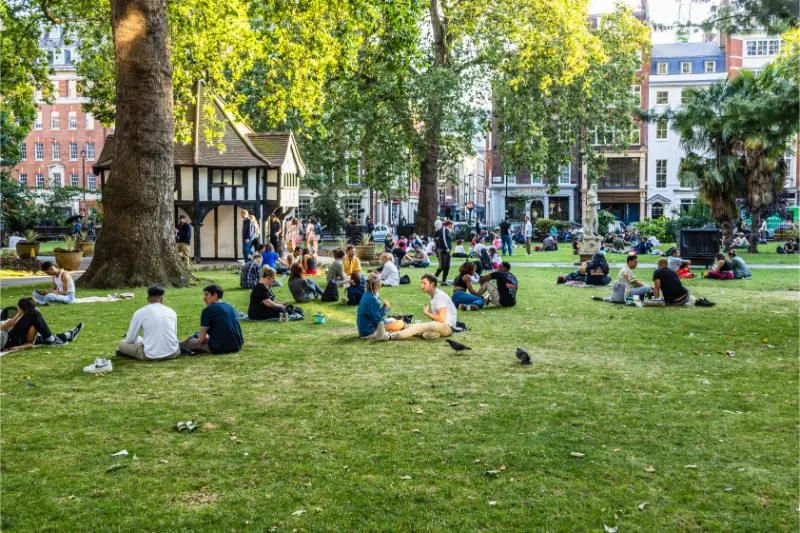
London’s parks are not gaps between attractions. For families, they are some of the attractions that make the city manageable. Children can run, adults can sit, everyone can eat something simple, and the day stops feeling like a sequence of queues and indoor rules.
The best park depends on where you already are. Kensington Gardens is ideal after South Kensington museums, Regent’s Park works with London Zoo, Greenwich Park supports a maritime day, and Queen Elizabeth Olympic Park gives families a much more contemporary east-London landscape.
Quick answer: who is this guide for?
For a first trip, use parks as part of sightseeing rather than dedicating every park to a separate journey. Kensington Gardens, St James’s Park and Regent’s Park are easiest to integrate centrally; Greenwich, Kew and the Olympic Park are stronger as half-day or full-day family destinations.
Before building the day, compare this guide with the best playgrounds in London, our Hyde Park and Kensington Gardens guide, Regent’s Park and Primrose Hill and our Greenwich day guide. These pages solve different parts of the same family-planning problem, so using them together usually produces a calmer itinerary.
Quick park comparison
| Park | Best for families who want | Strong nearby combination | Main consideration |
|---|---|---|---|
| Kensington Gardens + Hyde Park | playground + central green space | South Kensington museums | Very busy around famous areas |
| Regent’s Park | playgrounds, lawns, zoo connection | London Zoo + Primrose Hill | Large distances inside park |
| Greenwich Park | views + maritime day | Maritime Museum / Observatory | Steep hill in places |
| St James’s Park | short royal sightseeing break | Buckingham Palace + Westminster | More of a scenic park than adventure playground |
| Queen Elizabeth Olympic Park | modern play + space | Stratford + canals | East of the classic centre |
| Kew Gardens | nature-focused full day | Children’s Garden + glasshouses | Paid admission for most visitors |
Kensington Gardens and Hyde Park
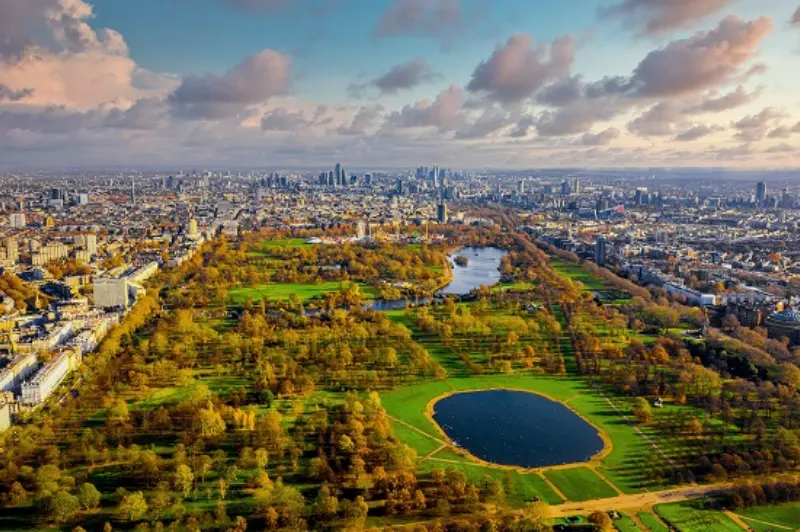
This is the strongest first-trip park combination because it sits beside so many family sights. The Natural History Museum, Science Museum and Kensington Palace are all nearby, while the Diana Memorial Playground gives younger children a substantial destination of their own.
Do not attempt to walk every corner with small children. Decide whether your priority is the playground, Serpentine, Italian Gardens, Peter Pan statue or simply a picnic. The parks are large enough that “we will just cross Hyde Park” can become a long final walk at the worst moment of the day.
Regent’s Park
Regent’s Park is particularly useful when London Zoo is already on the itinerary. It contains several play spaces and broad lawns, and Primrose Hill can add a skyline view for families with enough energy. The setting feels more spacious than many central areas even though you remain close to central London.

A zoo day is already demanding, so use the park as decompression rather than another task. If you are not visiting the zoo, combine Regent’s Park with Marylebone or Camden depending on the ages of your children.
Greenwich Park
Greenwich Park is part of a complete family district rather than an isolated park stop. The National Maritime Museum, Cutty Sark, Royal Observatory and river transport all sit close enough to build a varied day. The park itself provides views, open lawns and a playground.
The hill is the practical issue. Families with buggies or mobility needs should check routes in advance. If you are climbing toward the Observatory, let the park be the transition rather than racing directly uphill after a long museum visit.
St James’s Park
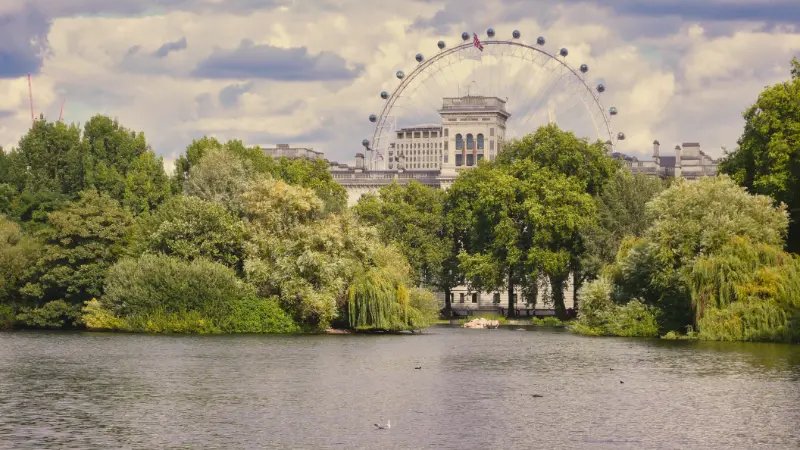
St James’s Park is excellent for a short break between Buckingham Palace and Westminster. It is not the place I would choose for an entire family afternoon, but that is precisely why it is useful: it can absorb 30–60 minutes without requiring tickets, a new Tube journey or a complicated decision.
Children often enjoy the lake, birds and open views more than another ceremonial building exterior. Use it to rebalance a landmark-heavy morning.
Queen Elizabeth Olympic Park
The Olympic Park gives families more room and more purpose-built play than many central parks. Tumbling Bay, other play areas, waterways and broad paths make it particularly good for energetic children. Stratford transport links mean the journey is straightforward from many parts of London.
This is a useful choice for repeat visitors or families staying in east London. It can also be combined with Westfield for food and practical shopping, although I would keep retail secondary to the outdoor day if children are enjoying the park.
Kew Gardens
Kew is a botanical garden rather than a public park, and admission changes the planning. Families get landscapes, glasshouses, the Children’s Garden, Treetop Walkway and nature-focused experiences within one large site. It works best as a deliberate day out rather than a short green break.
The Children’s Garden is designed for ages 2–12 and makes Kew much easier to recommend to families who worry that botanical collections will feel too adult. Build the day around alternating adult-interest and child-led sections.
What to pack for a park day
- Water bottles and one compact picnic blanket or sit-mat.
- Spare socks for children if water or wet grass is likely.
- Sun protection even on a day that begins cloudy.
- A lightweight waterproof layer rather than heavy umbrellas in active play areas.
- A small snack reserve so a queue at a café does not become the crisis of the afternoon.
Parks by season
Spring and early autumn are often the easiest family park seasons because temperatures are moderate and days are still usable. Summer brings longer evenings but also crowds and heat. Winter parks can be beautiful, but the value shifts from long play sessions to shorter walks between indoor attractions.
Always check daylight, weather and any temporary playground notices before making an outdoor feature the only plan for the day.
Check the official page before you go
Opening patterns, temporary closures, family sessions and ticket rules can change. For the latest visitor information, use The Royal Parks before travel. I prefer using official venue information for anything that can change, especially during school holidays.
My practical family strategy
Plan around family energy, not a sightseeing scorecard. Keep one element optional, protect time for food and toilets, and stop before the day becomes a forced march.
Related family guides
- best playgrounds
- 3-day family itinerary
- family budget guide
Picnics versus park cafés
A picnic is cheapest and gives children immediate food, but carrying a full family lunch all morning can be annoying. A hybrid works well: bring fruit, water and one substantial snack, then buy one hot or fresh item near the park. This keeps the bag lighter and still protects you from queues. In very busy parks, decide before children are hungry whether you are eating at a café, buying takeaway or using what you carried.
Parks for children who do not love playgrounds
Not every child wants climbing frames. Older children may prefer bikes, boats, photography, wildlife spotting, skyline views or simply space to talk and walk. Greenwich Park and Primrose Hill offer views; Kew turns nature into discovery; Hyde Park and the Serpentine provide long open routes. Think of parks as flexible landscapes rather than playground delivery systems, especially once children reach the pre-teen and teenage years.
One final planning detail
Parks are also where children can process the trip. A bench, a snack and a conversation about what they liked can reveal more than asking them at the end of a ten-hour day. Use the quieter minutes to let children choose between two afternoon options. Giving them small decisions increases cooperation because the itinerary becomes something they helped shape rather than something being done to them.
Before the trip, save the address, nearest useful station and official visitor page for Best Parks in London with Kids. This small preparation avoids searching on a crowded pavement with children waiting. Also decide which part of the day you are willing to drop if transport, weather or energy changes. Families who identify the optional element in advance adapt much more calmly than those who treat every line of the itinerary as fixed.
Choosing a park by the rest of the itinerary
Use the park to solve the practical problem created by the attraction before it. After South Kensington museums, choose Kensington Gardens because it requires almost no strategic detour. After London Zoo, stay in Regent’s Park rather than crossing the city for a more famous playground. After a Greenwich museum morning, use Greenwich Park because the hill, views and open grass provide the change of pace you need. This “nearest useful park” rule is more valuable than ranking London’s green spaces from one to ten. It also protects family energy: the park becomes a natural transition, not another destination that requires a new transport plan. On a longer trip, you can of course make Kew or the Olympic Park the main event, but on ordinary sightseeing days the best park is often the one already woven into the geography of where you are.
A final family decision checklist for Best Parks in London with Kids
Before committing to best parks in London with kids, check four things together: the age and interests of your children, the journey from your accommodation, the likely energy level at that point in the trip and the weather or opening conditions for the day. A plan that looks excellent in isolation can become poor value when it requires an awkward cross-city transfer after a busy morning. I would rather simplify the route and give children enough time to enjoy the main experience than add another famous stop simply because it is nearby on a map.
Also decide in advance what you will drop if best parks in london with kids takes longer than expected. This single decision prevents the rest of the day from becoming a chain of delays. Keep food, toilets and a short rest close to the main route, save the official page and nearest useful station on your phone, and tell older children what the plan is so they can help with choices. The best family days in London usually feel flexible even when they were carefully prepared.