INDEPENDENT LONDON TRAVEL GUIDES

Dreaming London

PLAN • EXPLORE • EXPERIENCE LONDON

Author: Sophie

  • Christmas in London 2026: Lights, Markets, Shows and What Changes on Christmas Day

    Christmas in London 2026: Lights, Markets, Shows and What Changes on Christmas Day

    London at Christmas is not one event. It is several overlapping versions of the city: West End lights, decorated department stores, seasonal theatre, markets, winter attractions, special meals and—in the final week—a transport system operating very differently from normal. A good festive trip therefore needs two plans: one for the atmosphere you want and one for the exact dates you are travelling.

    For 2026, Visit London is already listing seasonal events and its Christmas transport guidance confirms the single most important practical fact: public transport does not operate on Christmas Day, 25 December. Most major attractions and shops also close. If your trip includes 24–26 December, this changes hotel location and restaurant planning far more than any list of “best Christmas lights”.

    When does Christmas in London really begin?

    Major lights and seasonal programmes generally begin in November, but dates vary by location and year. By late November the West End is firmly festive; December adds peak atmosphere and peak crowds. The days immediately around Christmas bring closures and reduced transport, while the period toward New Year changes again. Check the current Visit London Christmas page for confirmed 2026 dates rather than assuming last year’s calendar repeats.

    The best Christmas lights route for a first visit

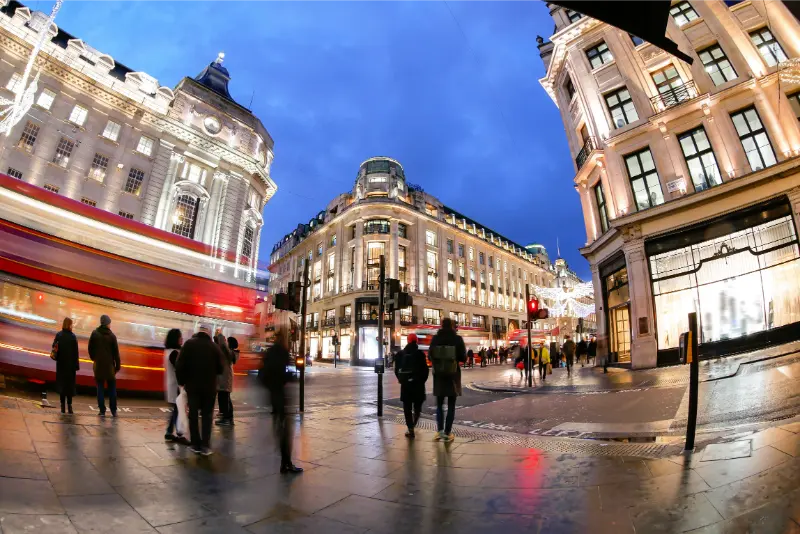
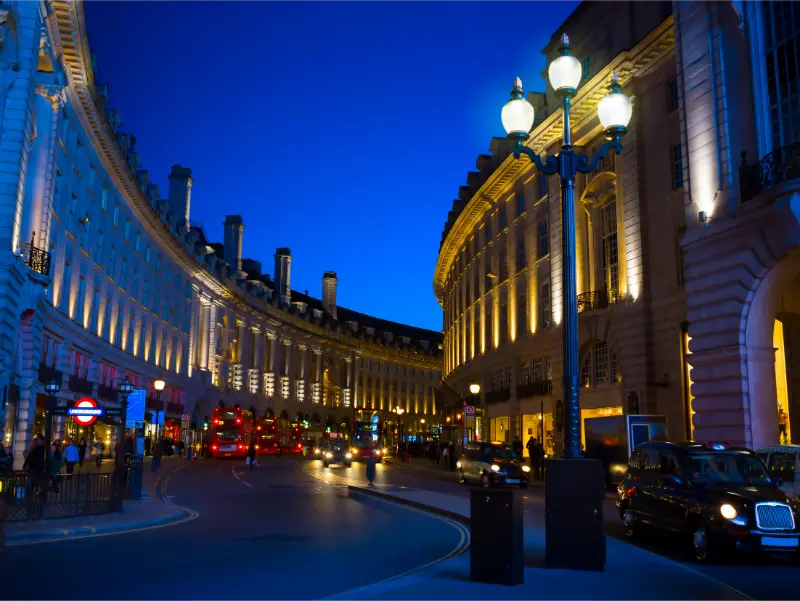
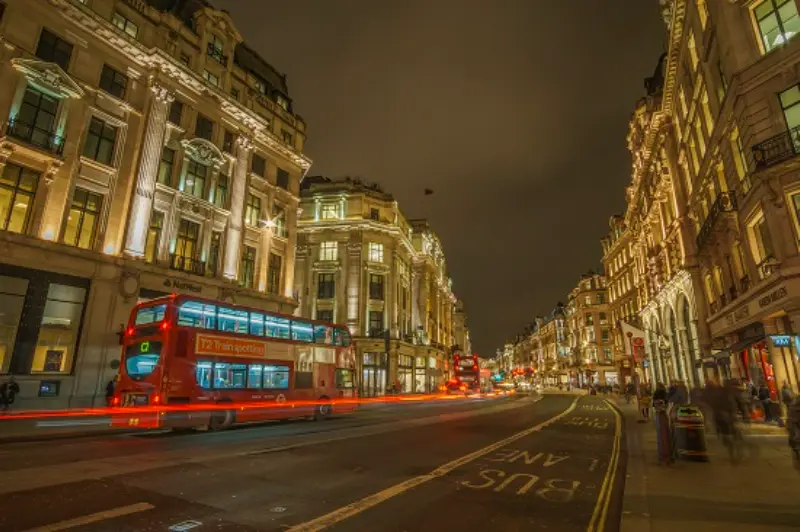
    A compact evening can begin around Oxford Circus, follow Regent Street toward Piccadilly, detour into Carnaby and Soho, then continue to Covent Garden. If energy is good, add Bond Street and Mayfair on another night rather than forcing every display into one walk. Our London shopping guide, Soho guide and Covent Garden guide give the daytime context.

    Christmas markets: choose atmosphere over “authenticity” debates

    London’s festive markets vary from large commercial events to smaller seasonal stalls. South Bank works well because the Thames, lights and nearby attractions already make the area worth visiting. Covent Garden is strongest as a decorated shopping and dining district rather than a traditional continental-style market. Use the London markets guide for markets that operate beyond Christmas.

    Winter Wonderland: who will enjoy it?

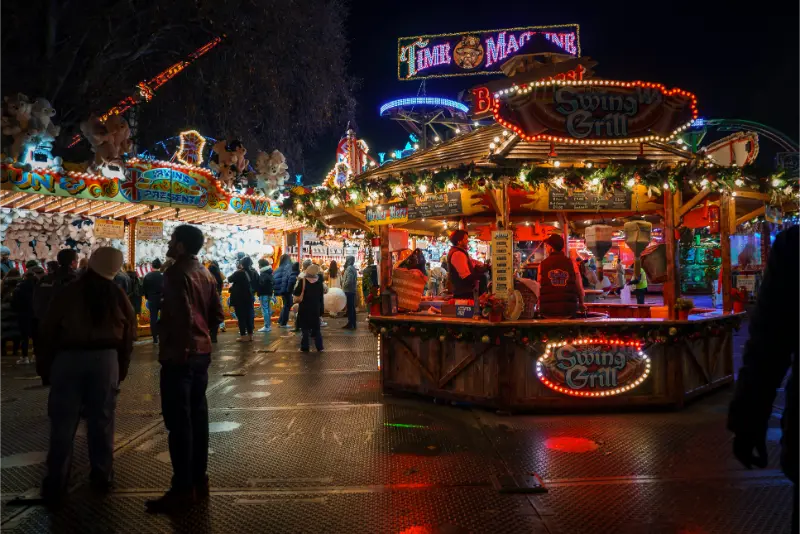
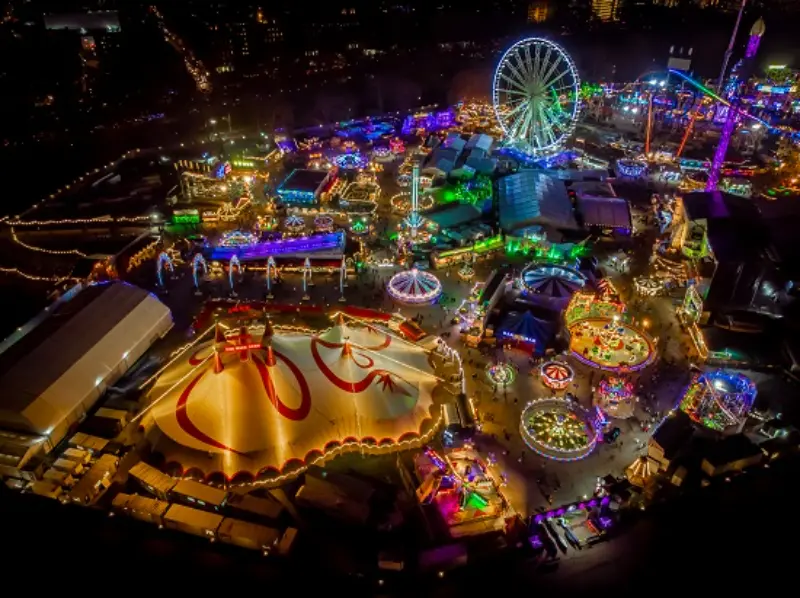
    Hyde Park’s large seasonal event suits visitors who want rides, food stalls, festive entertainment and a high-energy evening. It is less suitable if you imagine a quiet romantic market. Check current entry rules and ticket requirements for your date, and combine it with Hyde Park only if you are comfortable spending several hours in the area.

    Christmas theatre, ballet and concerts

    December is an excellent time to make an evening performance the anchor of a day. West End musicals continue alongside seasonal shows, while classical venues and churches run Christmas programmes. Book the performance first, then organise dinner and lights within walking distance. Our West End theatre guide explains seat and ticket strategy.

    Christmas afternoon tea and festive meals

    Hotels, restaurants, cruises and buses often create seasonal versions of afternoon tea. They can be memorable, but popular dates sell out and Christmas menus may cost more than normal service. Read our afternoon tea guide before paying for a themed package simply because it includes decorations.

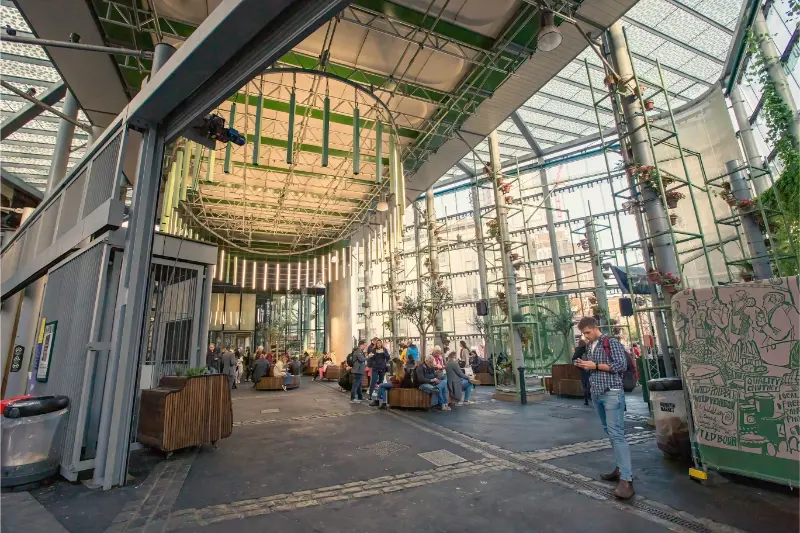
    Christmas Market Inside Hay's Galleria London

    Affiliate link. Dreaming London may earn a commission from qualifying bookings at no extra cost to you.

    Christmas Eve: do not plan a normal late night

    On 24 December, services begin winding down and night transport may not operate normally. Many attractions and businesses close earlier. If you have dinner, a concert or church service, verify the journey back to the hotel before you book. A central hotel becomes more valuable on this particular night than on an ordinary December date.

    Christmas Day: the rule that changes everything

    On 25 December 2026, London public transport is not scheduled to operate. Visit London also notes that most attractions, shops and many restaurants close. The city can be wonderfully quiet for walking, lights and church services, but you need a realistic radius around your accommodation or pre-arranged transport. Do not arrive expecting to use the Tube between a cheap outer-London hotel and Westminster.

    Some hotels and restaurants offer Christmas Day meals, usually requiring advance reservations. If Christmas Day is part of your trip, choosing accommodation by meal and walking access can be smarter than choosing solely by normal Tube convenience.

    Boxing Day and the days after Christmas

    26 December uses reduced transport patterns and many rail services are limited. Sales and central shopping can be extremely busy. Engineering works are also common across the holiday period. Recheck TfL and National Rail close to departure rather than relying on the timetable you saw when booking the hotel.

    New Year’s Eve is a separate planning problem

    London’s official New Year’s Eve fireworks are ticketed. Visit London’s current 2026 page says tickets are required for the controlled viewing areas and advises people without tickets not to travel to those zones hoping to watch. If your festive trip runs through 31 December, plan it as a separate event with transport and crowd controls, not as the final evening of a normal sightseeing schedule.

    What to pack for Christmas London

    • Water-resistant outer layer rather than relying only on a heavy coat.
    • Comfortable shoes that cope with wet pavements.
    • Warm layers you can remove inside shops, museums and theatres.
    • Small umbrella if you use one comfortably in crowds.
    • Portable battery because photos, maps and dark evenings increase phone use.
    • One smarter outfit only if your theatre, restaurant or afternoon tea requires it.

    A three-day festive framework

    Day 1: Westminster and St James’s by daylight, then Regent Street, Carnaby and Soho lights. Day 2: museum or market morning, Covent Garden afternoon and West End show. Day 3: South Bank, Borough Market and a festive river or evening experience. If one day is 25 December, replace this completely with a walkable local plan.
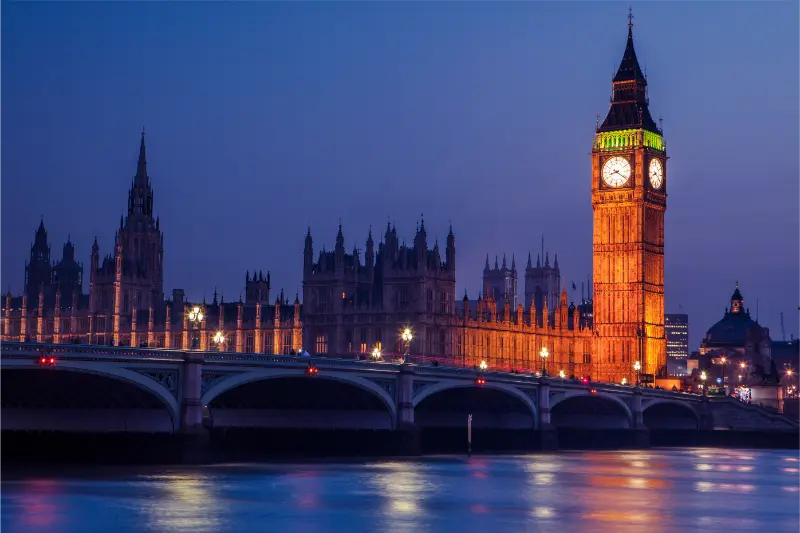
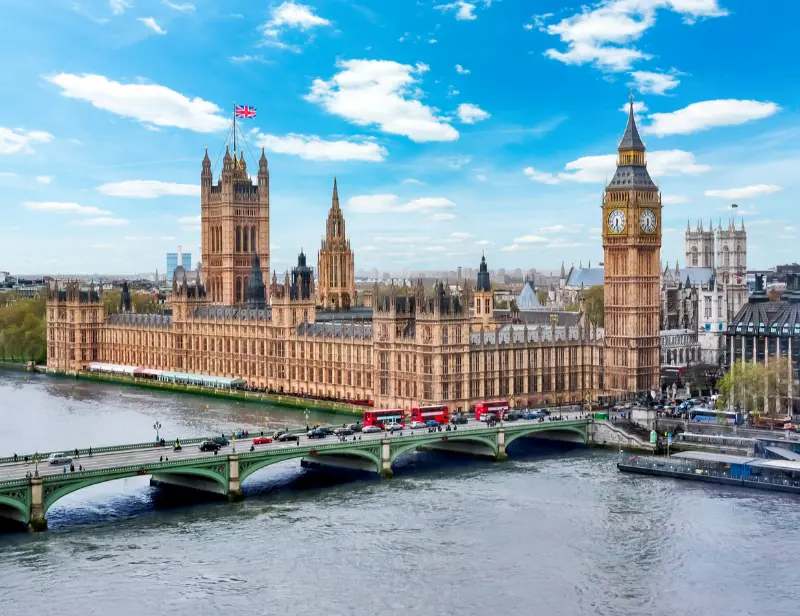
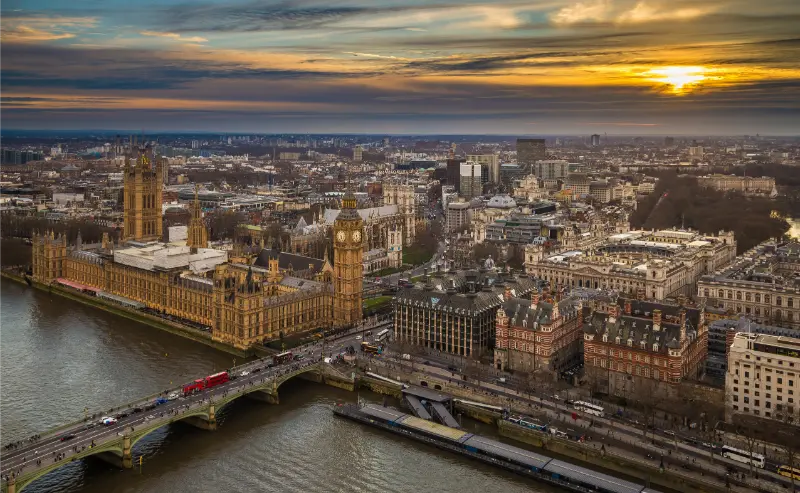
    Big Ben and Houses of Parliament at Night London

    Frequently asked questions

    Is London worth visiting at Christmas?

    Yes if you enjoy lights, theatre, shopping and seasonal atmosphere, but late December needs more logistical planning than a normal winter trip.

    Does the Tube run on Christmas Day?

    No. Current 2026 guidance states that London public transport does not operate on 25 December.

    Are Christmas markets free?

    Many market areas are free to enter, while large attractions or specific activities can require tickets. Always check the current event page.

    Where to stay during the Christmas period

    Normally I prioritise Tube connections. For 24–26 December I also prioritise walking. A hotel near Westminster, the West End, South Bank or another area you genuinely want to explore can reduce dependence on scarce taxis when transport shuts down. If you stay farther out, Christmas Day should become a local neighbourhood day unless you pre-arrange transport. This is one of the few dates when paying more for centrality can change the practical shape of the holiday.

    December daylight and weather

    December days are short, which is not entirely a disadvantage: Christmas lights become effective earlier, leaving plenty of evening for decorated streets. Use daylight for parks, viewpoints and exterior architecture, then move into markets, shops and lights after dark. Rain is common enough that a museum or gallery backup is essential. Our rainy-day London guide remains useful in December; Christmas atmosphere does not make wet shoes less tiring.

    Christmas Day is a transport-planning problem, not just a festive date

    On 25 December, normal London public transport does not operate. That changes everything: restaurant location, hotel choice, church services, river walks and any plan to visit friends across the city. Do not build Christmas Day from a normal TfL map and assume you will solve transport later.

    The easiest plan is local. Stay somewhere you are happy to explore on foot, reserve food well in advance if you want a specific meal and treat the quiet streets as part of the experience. Boxing Day has transport again, but services can be reduced and engineering work is common during the holiday period.

    Lights are free; the surrounding evening does not have to be expensive

    Regent Street, Oxford Street, Bond Street, Covent Garden and other central displays can be combined into a long evening walk without buying an attraction ticket. The cost usually comes from food, drinks, theatre or a winter event added around the lights.
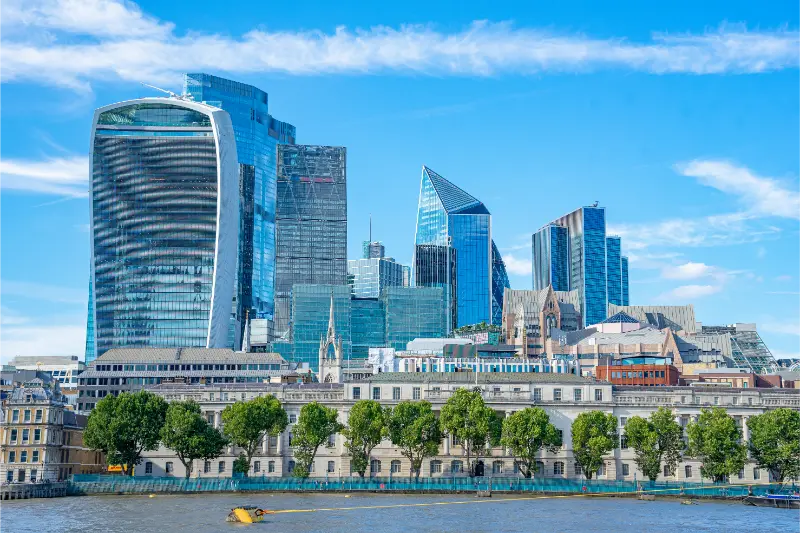
    London Skyline

    For a lower-cost Christmas evening, choose one festive route, one warm drink and a normal dinner rather than stacking several ticketed “Christmas experiences.”

    Book festive meals earlier than ordinary dinners

    Christmas-period restaurant demand is concentrated, and reduced opening on key dates removes much of the normal last-minute choice. If Christmas Eve, Christmas Day or Boxing Day lunch matters to you, reserve well ahead and confirm the holiday menu, deposit policy and service charge.

    For a first Christmas trip, staying within walking distance of the places you most want to see can be worth more than saving a modest amount on the hotel.

    If your festive trip continues through 31 December, use the separate New Year’s Eve in London 2026 guide; the ticket zones, crowd controls and transport planning are different from Christmas week.

    Bottom line

    The best Christmas trip is not the one with the most events. It is the one that respects the calendar. London is easy to explore in early December and dramatically less normal on 24–26 December; plan those dates as different versions of the city.

    Staying through 31 December?

    Christmas and New Year require different logistics. Continue with our New Year’s Eve London 2026 guide for the current fireworks ticket situation, crowd restrictions and transport strategy.

    For the wider December-to-February picture, see our London in winter guide.
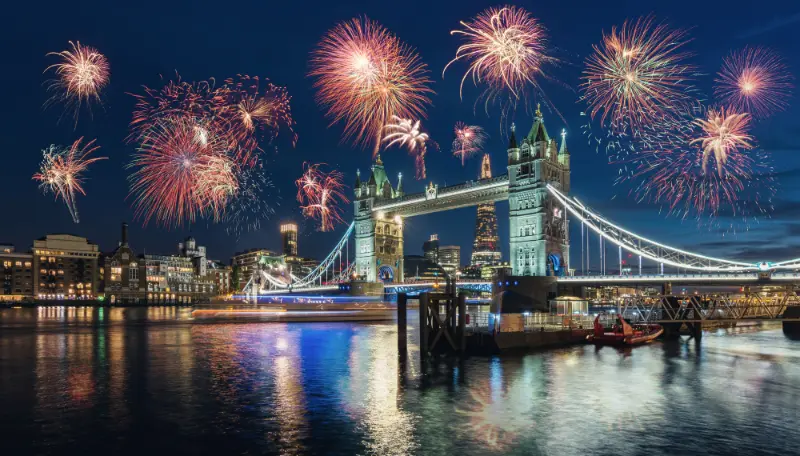
  • Bonfire Night in London: Best Fireworks, Tickets and Travel Tips

    Bonfire Night in London: Best Fireworks, Tickets and Travel Tips

    Bonfire Night is one of the most distinctively British autumn traditions a visitor can experience in London. Officially associated with 5 November and the failed Gunpowder Plot of 1605, the modern celebration is mostly about organised fireworks, funfairs, food, music and community events. The important detail is that London’s largest displays do not all happen on the night of 5 November itself: many are scheduled on the nearest weekend, often with advance ticketing and significant local transport changes.

    Quick practical answer

    • Bonfire Night falls on 5 November, but major London displays may be held on surrounding evenings or weekends.
    • Buy tickets in advance for large organised displays; popular events can sell out.
    • Use public transport rather than driving, but check station closures, road restrictions and event-specific travel advice.
    • Dress for a long outdoor evening: warm layers, water-resistant shoes and gloves matter more than formal sightseeing clothes.
    • Do not expect central-London fireworks over the London Eye; Bonfire Night is distributed across parks and neighbourhood venues.

    Why London celebrates Bonfire Night

    The tradition remembers the Gunpowder Plot of 1605, in which conspirators planned to blow up the Houses of Parliament. Guy Fawkes was discovered guarding explosives beneath the House of Lords, and 5 November became associated with bonfires and later fireworks. Modern events vary in how much history they explain, but the date remains deeply embedded in the British calendar.

    For a visitor, the historical connection is easiest to understand if you have already seen Westminster. Our Westminster guide gives context for Parliament, Whitehall and the ceremonial core of the city before you experience the modern celebration elsewhere.

    When Bonfire Night events take place

    Visit London’s current guidance notes that Bonfire Night is celebrated on or around 5 November. In 2026, the official city listings identify a range of fireworks events across north, south, east and west London, with exact dates varying by organiser. That pattern is normal: a 5 November midweek date does not mean every major display will run that night.

    The consequence is simple: choose your event first and build the evening around its published date. Do not book a hotel or train solely on the assumption that ‘the fireworks are on 5 November’ without checking the organiser.

    Alexandra Palace and other major displays

    Alexandra Palace is one of London’s best-known Bonfire Night locations because its elevated setting creates a dramatic skyline backdrop. Recent editions have combined fireworks with a drone display, food, drink and entertainment. It is a large event rather than a casual park gathering, so timed entry, ticketing and transport planning are essential.

    Other well-known London displays take place in different boroughs and parks, and the annual line-up can change. Some combine Guy Fawkes traditions with Diwali celebrations or local community programmes. Use the current Visit London roundup and then follow the event organiser’s own page for the final timetable.

    How to choose the right fireworks event

    Choose by travel time, crowd tolerance and the kind of evening you want. A spectacular large venue may justify a longer journey, while families with younger children may prefer a local event with earlier fireworks and simpler exits. Visitors staying in south London should not automatically cross the entire city for a north London display if a strong event is happening nearby.

    Check whether the ticket specifies an entry window, whether food is available inside, if bags are restricted and whether the event includes a funfair. These practical details can matter more than small differences in the fireworks themselves.

    Big Ben and Houses of Parliament at Night London

    Transport on Bonfire Night

    Large displays create concentrated crowds after the final fireworks. A station that is easy to enter at 6pm can be heavily controlled at 9pm. Organisers may recommend specific stations, walking routes or bus diversions. Follow those instructions rather than assuming the geographically nearest station is always the best.

    Allow time after the show. If thousands of people leave simultaneously, a 15-minute normal journey to a station can become much longer. TfL’s live status and the organiser’s travel page are more useful than a generic route saved days earlier. Our transport disruption guide explains how to build a backup.

    What to wear and bring

    Bonfire Night is an outdoor evening in early November. Even when the day is mild, standing still after dark can feel cold. Wear layers, a warm outer layer and shoes suitable for damp grass or muddy paths if the venue is in a park. Gloves can make a surprisingly large difference, especially for children.

    Avoid carrying unnecessary bags. Security checks are common at ticketed events, and a compact setup makes crowded exits easier. If rain is possible, a hooded waterproof is often easier than a large umbrella in a dense crowd.

    Bonfire Night with children

    Families should check start times, noise levels and age recommendations. Fireworks can be very loud, and younger children may benefit from suitable hearing protection. An earlier display can be a better choice than a larger 9pm finale if bedtime and transport home would otherwise become difficult.

    Plan the return journey before leaving the hotel. A child who has enjoyed the show may still find a long, compressed queue for the Tube overwhelming. Staying near the event or choosing a venue with multiple transport options can improve the whole experience.

    Food and atmosphere

    Bonfire Night food is part of the ritual: hot drinks, street food, burgers, sweets and seasonal snacks are common at larger events. Do not assume every venue accepts cash, and do not rely on being able to leave and re-enter if queues are long. Eat beforehand if you have dietary needs that might be difficult to satisfy from temporary stalls.

    If you want a pub after the fireworks, reserve where possible. Nearby venues can fill with people leaving the same event, and kitchens may close before the bar.

    Indoor Christmas Lights London

    Bonfire Night versus New Year’s Eve fireworks

    The two experiences are very different. New Year’s Eve focuses on a single huge central spectacle around the Thames with a ticketed viewing zone. Bonfire Night is spread across London and often feels more local. That can make it easier to fit into a neighbourhood-based trip, but it also means there is no single ‘official London fireworks’ location.

    If your goal is the famous London Eye skyline fireworks, read our New Year’s Eve guide instead.

    Where to stay

    Your normal sightseeing priorities should still determine the hotel. However, if Bonfire Night is the emotional centre of a short trip, check the late-evening route from the event before booking. A cheap room on the opposite side of London can become poor value when thousands of people are travelling at once.

    Use our London neighbourhood guide to compare bases and Booking.com for current rates and cancellation terms.

    Official sources for the current year

    Visit London maintains an annual Bonfire Night fireworks guide. Use it to identify events, then verify final dates, entry rules and transport information with the organiser. Treat old event pages as historical references, not current instructions.

    A practical Bonfire Night itinerary

    Keep the daytime local to the fireworks venue if possible. For Alexandra Palace, you could spend the afternoon in north London rather than beginning at Greenwich. For a south London display, use a nearby neighbourhood or museum and eat before entering the event. This reduces the risk that a delayed cross-city journey causes you to miss the fireworks.

    Arrive earlier than the headline display time because security, food queues and finding a viewing position all take time. Afterward, wait a little if necessary rather than forcing into the first wave toward the station.

    Houses of Parliament Westminster Bridge London

    Photography without ruining the experience

    Fireworks photography is difficult on a phone when crowds are moving, and large tripods may be restricted. If photographs matter, check the event’s equipment rules and choose a stable position before the display. Lowering screen brightness also helps you keep some night vision.

    Do not watch the entire show through a screen. A few photographs are enough; fireworks are one of the events where the sound, scale and atmosphere are much stronger in person.

    Accessibility and crowd planning

    Park-based displays can involve uneven ground, darkness and long distances from transport. Check whether the organiser offers accessible viewing areas, step-free routes or companion tickets. Book these provisions early when required.

    Visitors who find dense crowds difficult may prefer smaller borough events or a venue with reserved seating rather than a huge standing area. Leaving a few minutes before the final exit surge can also reduce stress, though you may miss the finale.

    If you miss 5 November

    Because large events are spread across surrounding dates, arriving on 6 or 7 November does not automatically mean the celebration is over. Conversely, arriving exactly on 5 November does not guarantee a major display nearby. Search the current year’s listings by your actual travel dates.

    If no suitable event aligns with your trip, London still offers excellent autumn evenings through theatre, illuminated streets and historic pubs. Do not force an inconvenient cross-city journey solely to say you attended Bonfire Night.

    Noise, pets and local considerations

    Fireworks are loud and can affect surrounding residential areas as well as event visitors. If you are staying immediately beside a major display, expect noise even if you do not attend. Travellers with noise sensitivity should ask hotels about room position or choose a base farther from the venue.

    Bonfire Night is a public celebration, but the most enjoyable version is organised and controlled. Avoid informal fireworks in crowded streets and follow local safety barriers rather than trying to find an unofficial viewpoint closer to the launch area.

  • Halloween in London: Spooky Things to Do, Family Events and Practical Tips

    Halloween in London: Spooky Things to Do, Family Events and Practical Tips

    Halloween in London works best when you decide whether you want history, theatrical scares, family activities or nightlife. The city does not have one central Halloween celebration. Instead, haunted-history tours, historic palaces, immersive attractions, museums, gardens, pubs and clubs build their own programmes around 31 October. That variety is a strength, but it means visitors should choose a style rather than simply arriving in central London expecting one obvious event.

    Quick practical answer

    • Halloween is 31 October; many London events run for days or weeks around it rather than on one night only.
    • Book popular evening attractions and family events early, especially during the October school half-term.
    • Separate genuinely frightening experiences from family-friendly seasonal programming before buying tickets.
    • Use London’s real history—Tower of London, old theatres, historic pubs and East End streets—as part of the experience.
    • Do not confuse Halloween with Bonfire Night: London’s major fireworks tradition is around 5 November.

    What Halloween in London is really like

    London’s Halloween atmosphere is distributed across the city. Visit London’s 2026 guide highlights ghost tours, the Tower of London, Hampton Court, haunted pubs, the London Dungeon and family programming at major attractions. You can therefore build a Halloween day that is almost entirely historical, almost entirely family-oriented or deliberately theatrical and scary.

    The city itself provides much of the backdrop. Medieval fortifications, Victorian streets, old cemeteries, theatres with long legends and pubs occupying centuries-old buildings give Halloween experiences more context than a temporary decoration alone.

    Historic places with a darker side

    The Tower of London is the obvious starting point. Its history includes imprisonment, execution, political conflict and stories that later became part of London’s ghost lore. A standard visit already contains enough material for visitors interested in the darker past; special Halloween programming, if offered, should be checked separately on the official site.

    Hampton Court Palace has its own stories, including the association of Catherine Howard’s ghost with the Haunted Gallery. Because Hampton Court sits outside central London, it works better as a half-day destination than as one stop in a frantic evening itinerary. The day trips content on DreamingLondon can help you judge whether a palace excursion fits the rest of your stay.

    Ghost walks and Jack the Ripper tours

    Ghost walks range from serious historical storytelling to deliberately theatrical entertainment. Read the operator description carefully. A Jack the Ripper walk is not automatically a ghost tour; the strongest versions focus on documented East End history, policing and the social conditions of 1888 rather than inventing supernatural claims.

    Whitechapel and Spitalfields can feel very different after dark from a daytime market visit, but they are active modern neighbourhoods, not museum sets. Choose a reputable guide, stay aware of traffic and residents, and avoid tours that treat real victims as props. Our Whitechapel and Aldgate guide can provide broader neighbourhood context once that cluster expands.

    Family Halloween

    Families should look for age guidance rather than trusting the word ‘Halloween’. Gardens, museums, zoos and historic attractions often run trails, storytelling, crafts or evening light experiences that use the season without trying to terrify younger children. In 2026, Visit London lists family-oriented Halloween options and Halloween at Kew running from 16 October to 1 November.

    The Warner Bros. Studio Tour can also be especially appealing in the darker months because Harry Potter seasonal displays and themed programming may overlap autumn dates. Check the current programme and use our Harry Potter Studio Tour guide for transport and ticket planning.

    Regent Street London at Dusk

    The London Dungeon and immersive scares

    The London Dungeon is built around staged performance, dark humour, jump scares and reconstructed episodes from London’s past. It is not a museum and should not be judged as one. Visitors who enjoy theatrical horror may find it ideal; those who dislike sudden scares or enclosed spaces should read accessibility and content information before booking.

    Other immersive attractions and theatre productions can add Halloween editions. These change much faster than permanent sights, so search current listings close to travel rather than relying on a previous year’s ‘best Halloween events’ list.

    Haunted pubs and evening atmosphere

    London has many pubs associated with ghost stories, but the appeal is often the building and history as much as the legend. The Spaniards Inn near Hampstead, The Grenadier in Belgravia and historic City pubs are commonly included in haunted-London discussions. Treat supernatural claims as folklore unless there is evidence for a historical event behind them.

    A pub can be a good final stop after a walking tour, but Halloween weekends can be crowded. If food matters, reserve a table instead of assuming you can walk in after an evening tour.

    October weather and what to wear

    Late October is cool, dark earlier and potentially wet. A costume designed for an indoor party may be impractical on a two-hour outdoor walk. Layers, comfortable shoes and a waterproof outer layer are more important than elaborate accessories if your Halloween plan involves streets, cemeteries or palace grounds.

    The clocks move back in late October, so darkness arrives noticeably earlier. That can improve atmosphere but reduce the amount of daylight available for ordinary sightseeing. Put parks and viewpoints in the morning and save Halloween activities for late afternoon and evening.

    Halloween nightlife

    Clubs, bars and themed parties advertise heavily for Halloween weekend. Age restrictions, dress codes and last-entry times vary, and some events are ticket-only. Night Tube availability depends on the line and day, so check your return route before you buy an event ticket in an unfamiliar district.

    London Christmas Market and Carousel at Night

    Our London night transport guide is useful for planning the journey home. A late-night taxi or ride-hail backup can be sensible, but event-night demand may increase prices and waiting times.

    Where to stay for Halloween

    Soho and Covent Garden suit nightlife and theatre; South Bank is convenient for the Dungeon and central river attractions; the City and Tower Hill work for historical sightseeing; Bloomsbury is calmer while remaining central. There is no need to stay beside a specific haunted attraction unless it anchors the whole trip.

    Compare noise as carefully as price if Halloween nightlife is not your priority. Use our London area guide and current rates on Booking.com.

    Check current events before booking

    Visit London’s Halloween guide is a useful official starting point. Then verify the attraction or organiser’s own website for exact dates, age guidance and prices. Seasonal events can change completely from one year to the next.

    A one-day Halloween itinerary

    Begin with ordinary sightseeing in the historic core: Tower of London or the City in daylight, then take a break before the evening. Around sunset, join a reputable historic or ghost-themed walk, eat somewhere close to the route and finish with theatre, a haunted-pub stop or a pre-booked immersive attraction. This is more coherent than crossing London repeatedly between unrelated seasonal events.

    Families can use the same structure with a museum or palace in the morning, a seasonal trail in the afternoon and an early dinner instead of a late scare attraction.

    Halloween and accessibility

    Darkness, sudden sound, actors, smoke effects and enclosed spaces can make some Halloween attractions difficult for visitors with sensory, hearing, visual or mobility needs. Read access information before booking and contact the venue when descriptions are vague. A historic walk or decorated garden can be a better fit than an attraction designed around jump scares.

    Houses of Parliament Aerial View at Sunset

    Visitors who need lower sensory load should avoid the busiest late-evening slots and consider weekday dates earlier in October when available.

    Costume etiquette and practicalities

    Costumes are common at parties but not required for sightseeing. Masks, replica weapons or large props can conflict with venue security policies, so check rules before carrying them to a museum, theatre or transport hub. An elaborate costume is also uncomfortable on the Tube and can become a problem in rain.

    If you plan to change for an evening event, returning to the hotel first is often easier than carrying costume pieces all day.

    Avoiding low-quality Halloween experiences

    Seasonal demand creates pop-up events of uneven quality. Look for a clear venue, named organiser, transparent refund policy, age guidance and recent independent reviews. Be cautious with listings that promise access to ‘secret haunted sites’ but provide little operational information.

    For historical tours, prefer guides who distinguish documented history from legend. London has enough real stories that exaggeration is unnecessary.

    Halloween and the rest of your London trip

    Do not let a seasonal evening force you into a poor daytime itinerary. If your Halloween booking is near London Bridge, spend the afternoon around Borough, Bankside or the Tower rather than crossing from Richmond at rush hour. If the event is in Kew or Hampton Court, make that area the focus of the day.

    This neighbourhood-based approach reduces late arrivals and makes the seasonal experience feel integrated into the trip rather than bolted onto an already exhausting schedule.

    Final Halloween checklist

    Confirm the exact venue, age guidance, last-entry time and route home on the morning of your event. Charge your phone, carry only a small secure bag and keep a warm layer even if your costume feels sufficient indoors. If the experience involves actors or intense scares, tell children and nervous companions what kind of attraction they are entering before arrival.

  • London in Autumn: Weather, Events, Fall Colour and Things to Do

    London in Autumn: Weather, Events, Fall Colour and Things to Do

    Autumn is one of London’s most underrated seasons. September often keeps much of summer’s usable daylight, October brings colourful parks and a dense cultural calendar, while November shifts toward darker evenings, Bonfire Night and the first major Christmas lights. The season can therefore feel completely different depending on when you visit. For many travellers, the sweet spot is the period after the summer crowds ease and before the festive rush fully begins.

    Quick practical answer

    • September is usually the easiest autumn month for long sightseeing days; November is better for evening atmosphere and indoor culture.
    • Expect mild conditions around 11°C to 15°C in much of spring and autumn, but prepare for wind, rain and noticeably cooler evenings.
    • Build park time around daylight and keep museums, markets and theatre as weather-proof options.
    • October half-term and Halloween can increase family demand at popular attractions.
    • Bonfire Night events often take place on the nearest weekend to 5 November and major displays can require advance tickets.

    September, October and November are three different trips

    September often feels like late summer rather than classic autumn. Days are still reasonably long, outdoor dining remains attractive and major parks are green. Visitor numbers usually soften after the first part of the month, which can create a useful window for travellers who want warm-ish weather without the school-holiday intensity of July and August.

    October is the visual centre of the season. Trees in Richmond Park, Greenwich Park, Hampstead Heath, Regent’s Park and the Royal Parks begin to turn, while museums and theatres become more appealing as evenings cool. The October school half-term brings a burst of family demand, especially at free museums and seasonal attractions.

    November is darker and more atmospheric. Bonfire Night arrives around 5 November, Christmas lights begin appearing across central shopping streets, pubs feel more inviting and outdoor sightseeing needs more attention to daylight. It is a strong month for a city-break built around museums, theatre and food with shorter outdoor sections.

    Where to see autumn colour

    Richmond Park gives the broadest sense of seasonal landscape, with woodland, open grassland and long views. Greenwich Park is easier to combine with major sightseeing because you can pair it with the National Maritime Museum, the Queen’s House, the Cutty Sark area and a Thames boat. Hampstead Heath works well for visitors who want a less formal, more local-feeling day.

    In central London, St James’s Park, Hyde Park, Kensington Gardens and Regent’s Park require less travel. They are not substitutes for a countryside escape, but they fit naturally between major sights. If you want a full slower day, our Richmond guide and Greenwich guide are particularly useful.

    Halloween in London

    Halloween is fixed on 31 October, but London celebrations spread across several weeks. Historic sites lean into ghost stories and darker history, family attractions run seasonal programming, theatres and immersive experiences add themed events, and some parks or gardens offer evening trails. In 2026, Visit London lists Halloween activity around 31 October and highlights attractions ranging from the Tower of London and Hampton Court to the London Dungeon and family museum events.

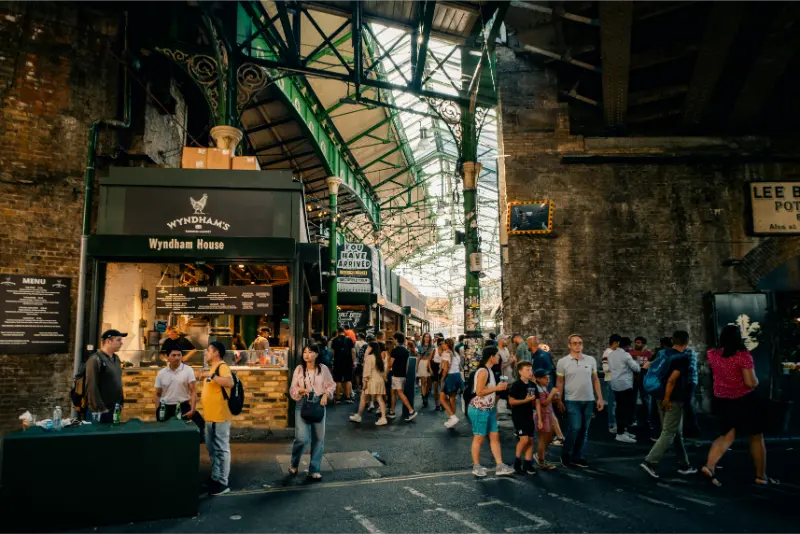
    Borough Market Interior London

    The best Halloween plan depends on your tolerance for staged scares. Families may prefer museums, gardens or Harry Potter-related seasonal programming, while adults can combine a historic ghost walk with a pub or theatre. Our dedicated Halloween in London guide separates family-friendly ideas from genuinely spooky evening options.

    Bonfire Night changes early November

    Bonfire Night, or Guy Fawkes Night, is associated with 5 November, but London’s biggest public displays are often scheduled on the closest practical evening or weekend. Major events can combine fireworks with funfairs, food, live entertainment and sometimes bonfires or drone displays. Because capacity is controlled at many large venues, this is not an event to leave until the afternoon.

    The tradition relates to the failed Gunpowder Plot of 1605. For visitors, the practical issue is transport and ticketing rather than history alone. Alexandra Palace and other large venues draw substantial crowds, while local events can affect buses and roads. Use our Bonfire Night guide and recheck the current year’s official event pages before travelling.

    Autumn weather strategy

    A successful autumn itinerary avoids long exposed walks after dark unless the walk itself is the point. Put parks and riverside areas earlier in the day and move museums, markets, theatre or food experiences later. If rain develops, South Kensington is especially forgiving because three major museums sit close together, while Covent Garden and the West End allow you to combine indoor attractions with short outdoor transfers.

    Footwear should handle wet pavements and leaves. You do not need hiking equipment for central London, but shoes with poor grip can become irritating on park paths. A waterproof outer layer is more useful than carrying several bulky sweaters, because indoor attractions and public transport can be warm.

    Food, theatre and indoor culture

    Autumn is excellent for London’s indoor strengths. Theatre schedules are busy, museums rotate exhibitions and food markets become more comfortable than during the hottest summer days. Borough Market remains crowded at peak lunch, but cooler weather makes a longer food-focused walk easier. Our West End theatre guide explains how to choose seats and avoid overpaying.

    Traditional pubs also make more sense in autumn. Rather than treating them as an attraction to tick off, use one as a practical break between sights. A Sunday roast can anchor a slower neighbourhood day, while afternoon tea works well when the weather makes a long park route less appealing.

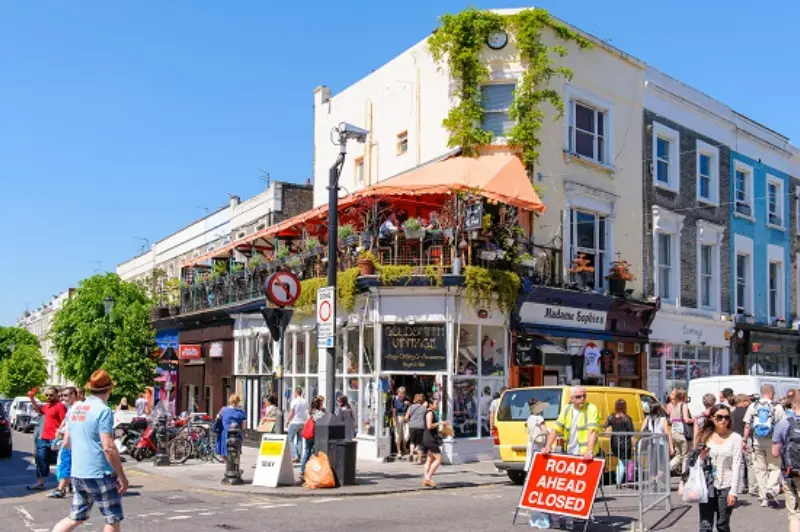
    Portobello Road Market Notting Hill London

    Crowds and value

    September after the first school weeks and parts of November can offer better accommodation value than peak summer or the Christmas period. October is more variable because weekends and half-term can be busy. Flight and hotel prices depend heavily on your origin and event calendar, so compare specific dates rather than assuming the entire season is inexpensive.

    If you are flexible, consider areas just outside the most expensive central core. Paddington, Bayswater, King’s Cross, Hammersmith or Greenwich can offer strong transport while changing the hotel price equation. See our where to stay guide and compare live options on Booking.com.

    Official information worth checking

    Visit London’s autumn guide is useful for seasonal events, while TfL should be checked for weekend engineering works and event-day changes. Halloween and Bonfire Night programming is refreshed annually, so treat exact venue line-ups and prices as time-sensitive even when the celebration date itself is predictable.

    A balanced autumn weekend

    A strong Friday-to-Sunday autumn trip might use Friday evening for Soho or Covent Garden, Saturday morning for Westminster and a park while daylight is strongest, Saturday night for theatre, and Sunday for Greenwich or Richmond. In November, reverse the emphasis slightly: prioritise major outdoor views before lunch and give more of late afternoon to museums, pubs and indoor food experiences.

    If Bonfire Night or Halloween overlaps your dates, treat that event as the evening anchor rather than trying to add it after a full 12-hour sightseeing day.

    Autumn for photographers

    Low-angle light and changing foliage can make autumn particularly rewarding. Greenwich Park gives a classic city view framed by trees; Richmond Park offers broader landscape scenes; the South Bank provides reflections and skyline light after rain. Overcast weather is not automatically bad for photographs—wet paving and subdued contrast can suit historic streets and markets.

    Because sunset arrives progressively earlier, verify daylight times for your exact dates. A viewpoint booked for a time that worked in September may be fully dark by November.

    Piccadilly Circus at Night London

    Packing for a season of transitions

    September may need summer clothing at midday and a jacket after sunset. By November, gloves and a warmer layer can be useful. The most efficient packing system is modular: breathable base clothing, one warm middle layer and a waterproof outer layer. This avoids carrying a heavy winter coat on a mild October day.

    A small umbrella is useful but not sufficient on windy days. Shoes that tolerate puddles and damp park paths have more practical value than fashion footwear if your itinerary includes long outdoor walks.

    Who should choose autumn over spring?

    Autumn suits travellers who enjoy theatre, pubs, food markets and evening atmosphere as much as gardens. Spring offers increasing daylight and fresh growth; autumn offers richer indoor culture and the dramatic transition toward the festive season. October can be excellent for mixed itineraries, while November is particularly good for visitors who like darker, more atmospheric city breaks.

    If your priority is family attractions, check half-term dates. If your priority is value and adult sightseeing, the weeks outside school breaks and major events are usually easier to navigate.

    Booking ahead without overcommitting

    Autumn rewards a middle ground between improvisation and rigid scheduling. Book the attractions that genuinely sell out—special exhibitions, popular theatre, limited-entry seasonal events—and leave ordinary museums, parks and neighbourhood walks flexible. This protects you from rain without creating a day that collapses if transport is delayed.

    For restaurants, a reservation matters most on Friday and Saturday evenings or around major events. At other times, choosing an area with several strong alternatives is often more useful than fixing every meal weeks ahead. That flexibility is one of autumn’s practical advantages.

  • Backpacking London: Hostels, Budget Travel and Free Things to Do

    Backpacking London: Hostels, Budget Travel and Free Things to Do

    London is not a cheap backpacking city, but it can still work on a controlled budget because many of its best museums, parks, markets and walking routes cost nothing. The expensive parts are accommodation, spontaneous transport mistakes, nightlife and eating every meal in the most tourist-heavy streets. Backpacking London is therefore less about finding one secret cheap hostel and more about preventing small daily costs from multiplying.

    I would build a backpacker trip around a well-connected hostel, contactless public transport, one paid priority attraction and a long list of free experiences. Spend money deliberately on the thing you genuinely care about, then let London’s free museums and neighbourhoods do most of the work.

    Backpacking London at a glance

    Biggest costAccommodation
    Best saving strategyFree museums + compact neighbourhood days + supermarket breakfast
    TransportContactless card/device, buses when useful, walk short central distances
    Good hostel areasKing’s Cross, Camden, Paddington, Southwark, East London depending on price
    Biggest budget trapLate-night transport, last-minute beds and tourist-zone meals

    Hostel location matters more than the cheapest nightly rate

    A hostel that saves £8 per night can cost the same overall if you spend extra time and money travelling from the edge of London every day. Look for a bed within easy reach of the places you will actually visit, preferably near more than one useful transport option. King’s Cross is excellent for connections, Camden works for nightlife and north London, Paddington is useful for Heathrow, and Southwark can put the river and central sights within walking distance.

    Check what the hostel rate includes. Linen, towel rental, locker access, luggage storage and breakfast policies vary. Also check whether the dorm has curtains, individual sockets, air conditioning or only opening windows, and whether reception is staffed late. A cheap bed becomes much less attractive after three nights of poor sleep.

    Private hostel rooms are not automatically cheaper than budget hotels, especially for two people. Compare the total rather than assuming the word “hostel” means value. Our where to stay in London on a budget guide compares the area strategy, and you can compare hostels and hotels on Booking.com.

    Transport: do not buy a pass automatically

    For most short-stay visitors, using the same contactless bank card or mobile wallet for every TfL journey is simpler than buying a paper Travelcard. Fare caps depend on zones and travel pattern, so the cheapest option is not identical for every traveller. The important habits are touching in and out where required and using the same payment method consistently.

    Walking is often the best budget tool in central London because major areas connect naturally: Westminster to Trafalgar Square, Covent Garden to Soho, St Paul’s to the South Bank, Tower Bridge to Borough Market. But do not turn saving a few pounds into a 25-kilometre day that ruins tomorrow. Buses can be excellent value and let you see the city while moving.

    The free London that actually feels substantial

    The British Museum, National Gallery, Tate Modern, Natural History Museum, Science Museum and many other permanent collections offer free general admission, though timed booking may be recommended and special exhibitions can cost extra. Add Hyde Park, Regent’s Park, Greenwich Park, markets, neighbourhood walks and the Thames and you can fill several days without paying attraction admission.

    London Underground District Line Train

    Our free things to do in London guide is the natural companion to a backpacking trip. Choose one or two paid experiences rather than buying tickets because every travel video says you “must” do them.

    Eating cheaply without living on meal deals

    Supermarket meal deals are useful, but London has better budget eating if you mix strategies. Have a simple supermarket or hostel breakfast, use markets and casual ethnic restaurants for one substantial meal, and keep dinner flexible. Chinatown, parts of East London, food markets and neighbourhood cafés can offer better value than the streets directly beside famous attractions.

    Our budget food guide goes deeper into where the savings come from. Carry water and a snack so hunger does not force you into the nearest £20 lunch. If your hostel has a kitchen, one self-catered dinner can also reset the budget after a more expensive day.

    Nightlife: the fastest way to destroy a backpacker budget

    A cheap pub evening can become expensive after several rounds, club entry, late food and a private ride back across London. Decide before going out what the night is worth to you and choose accommodation that does not require a complicated 02:00 journey. Areas such as Camden, Shoreditch, Soho and Brixton have different nightlife styles; staying near the one you actually want can save both money and energy.

    Check last trains and Night Tube/night-bus options before the first drink, not after the last one. Our London nightlife guide can help choose an area rather than hopping randomly between districts.

    Solo backpacking and meeting people

    Hostel common areas, walking tours and small group activities make London easy to socialise in when you want company. At the same time, eating alone and visiting museums alone are completely normal, so there is no need to force every day into a group. Our solo travel in London guide covers safety and evening planning in more detail.

    If you join a “free” walking tour, remember that the model normally expects a tip at the end. That can still be excellent value, but include it in the budget. Paid tours can sometimes be cheaper overall if they include transport or entry you planned to buy anyway.

    London Landmarks Travel Collage

    Luggage, lockers and travel days

    Backpackers are more likely to arrive before check-in or leave long after check-out. Ask the hostel whether luggage storage is free, paid or unavailable. Major stations and specialist storage companies provide alternatives, but prices add up if you store a bag every travel day. Our London luggage-storage guide explains the options.

    Keep passport, cards, phone and medication with you rather than in an unattended dorm bag. Use the locker for your main pack and bring your own padlock if the hostel requires one. A small cross-body bag or daypack makes sightseeing easier than carrying your full travel backpack through crowded museums.

    A low-cost three-day backpacker plan

    Day one: Westminster, St James’s Park, Trafalgar Square, National Gallery, Covent Garden and Soho. Most of the day can be free apart from food and transport.

    Day two: British Museum in the morning, walk through Bloomsbury and King’s Cross, then Camden Market and Regent’s Canal. Spend money on dinner or nightlife if that is your priority.

    Day three: Tower Bridge and the riverside, Borough Market for lunch, Tate Modern, South Bank and a sunset river walk. This creates a full London day with no required attraction ticket.

    Backpacker safety

    Most backpacking risks are ordinary city risks: phones taken from hands near roads, bags left open in crowded places, cards lost on nights out and valuables left unsecured in shared rooms. Use hostel lockers, split backup cards from your wallet and keep your phone away from the edge of the pavement when checking maps.

    Leadenhall Market City of London

    Our London safety and scams guide covers the most relevant visitor issues. The goal is sensible habits, not anxiety; millions of visitors use London’s transport and hostels without serious problems.

    Common budget mistakes

    • Booking the cheapest hostel without calculating daily transport.
    • Paying for attractions simply because they appear on every checklist.
    • Using a different bank card for different legs of the same TfL journey.
    • Buying every meal in Westminster, Leicester Square or directly beside major sights.
    • Ignoring late-night transport before going out.
    • Assuming a hostel private room is always the cheapest option for two people.
    • Overpacking and then paying repeatedly for luggage storage.

    Choosing the right hostel room

    The cheapest bed is not always the best-value bed. A 16-bed dorm can save a few pounds but cost you sleep, while a smaller dorm may be worth the difference if you have several full sightseeing days. Check whether the bed has a curtain, reading light and charging point; whether the locker fits a full backpack; and whether bathrooms are inside the dorm or shared along the corridor. These details matter more in practice than stylish lobby photos.

    If you are travelling alone and want to meet people, look for hostels with organised walking tours, communal kitchens, lounges or low-key evening events. If you need to work or sleep early, avoid properties built around a late bar. Private hostel rooms can work for two friends, but compare the total against a budget hotel before assuming the hostel is cheaper.

    Final advice

    London becomes much more backpacker-friendly when you stop measuring value only by admission prices. Some of the city’s strongest experiences are free, and compact days reduce both transport spending and fatigue. Spend on the bed location, the one attraction or night out you really want, and enough food to enjoy yourself. Cut the costs that do not add anything to the trip.

    Laundry and longer stays

    On a week-long backpacking trip, laundry can be more useful than carrying extra clothes. Check whether your hostel has self-service machines and what detergent or payment method is required. If not, local laundrettes exist across London, but opening hours and service type vary. A two-hour laundry break near the hostel is much easier than discovering on day six that every clean layer is gone.

    Cheap day trips are not always cheap days

    Oxford, Cambridge, Brighton and Windsor can be excellent additions, but advance rail fares, local transport, food and attraction tickets can turn a low headline train fare into a costly day. Compare that total with another London day full of free museums and neighbourhoods. If you do take a day trip, book the transport early when appropriate and choose one destination rather than paying to rush between several.

    Cards, cash and foreign transaction fees

    London is highly card-based, so a bank card with poor foreign-exchange terms can quietly become a major backpacker expense. Check your issuer’s overseas transaction and ATM fees before travel and carry a backup card separately. Avoid accepting dynamic currency conversion when a terminal offers to charge you in your home currency without first understanding the exchange rate. Our money in London guide explains the payment details.

  • LGBTQ+ London Travel Guide: Neighbourhoods, Culture, Nightlife and Practical Tips

    LGBTQ+ London Travel Guide: Neighbourhoods, Culture, Nightlife and Practical Tips

    London has a long LGBTQ+ history and a current queer culture that extends well beyond the bars of Soho. A good LGBTQ+ trip can include nightlife, museums, theatre, bookshops, neighbourhood history, Pride events or simply the freedom to enjoy the same landmarks as every other visitor while knowing where queer spaces are when you want them.

    The useful way to plan is not to treat London as one giant “gay district”. Soho remains the best-known central hub, but LGBTQ+ culture is spread across King’s Cross, Vauxhall, East London, Clapham and other areas, and venues change more often than museums or monuments. For nightlife, always check current listings close to your travel date rather than relying on a guide that may be a year old.

    LGBTQ+ London at a glance

    Best-known central areaSoho
    Essential cultural stopQueer Britain in King’s Cross
    Good for theatreWest End, Soho and fringe venues across the city
    Annual headline eventPride in London
    Best planning ruleVerify nightlife venues and event dates shortly before travel

    Start with Soho, but do not stop there

    Soho is still the easiest place for a first-time LGBTQ+ visitor to understand the city’s queer nightlife geography. Old Compton Street and the surrounding blocks put bars, restaurants, theatre and late-night West End activity within a compact walk. The advantage is convenience: you can spend the afternoon in Covent Garden or the National Gallery and reach queer venues without a special journey.

    The disadvantage is that Soho is busy, expensive and heavily touristed. If you want a quieter hotel, you do not need to sleep directly above the nightlife. Fitzrovia, Bloomsbury, Marylebone and parts of Covent Garden keep you close while giving you a calmer return at night. Our London neighbourhood guide helps compare those trade-offs.

    Queer Britain: the cultural stop I would prioritise

    Queer Britain is the UK’s national LGBTQ+ museum and sits at 2 Granary Square in King’s Cross. It is a small museum compared with the British Museum or V&A, which is part of its appeal: you can include it in a King’s Cross afternoon without sacrificing an entire day. The museum’s displays change, so repeat visitors can see different stories and objects over time.

    At the time of this update, Queer Britain is open Wednesday to Sunday from 12:00 to 18:00 and operates on a pay-what-you-can donation model, with advance booking available. The museum is step-free and has an accessible gender-neutral bathroom. Check the official Queer Britain visit page before travelling because exhibitions and opening details can change.

    Add LGBTQ+ history to a normal sightseeing day

    One of the best ways to experience queer London is to layer history onto places you would visit anyway. King’s Cross has Queer Britain. Soho has decades of queer nightlife and community history. The British Museum has objects that can be approached through LGBTQ+ histories. Bookshops, theatres and walking tours can add stories that are invisible if you only move from landmark to landmark.

    West End London at Night

    Visit London keeps a current LGBTQ+ London guide with events, activities and nightlife ideas. I would use it as a live directory, especially for entertainment, because clubs and event nights can change much faster than attractions.

    Pride in London and seasonal events

    Pride in London is the city’s most visible annual LGBTQ+ event, with a central parade and related programming. Exact dates and arrangements change each year, and accommodation prices can rise around major weekends. If Pride is the reason for your visit, book the hotel early and then keep watching official event information for route, access and security details.

    If Pride is not your priority, London still has LGBTQ+ exhibitions, theatre, cabaret, film and community events throughout the year. Queer Britain runs talks, late openings and walking-tour collaborations, while other cultural venues schedule queer programming independently. A non-Pride trip can actually be easier if you prefer smaller events and less crowded nightlife.

    Nightlife: choose the atmosphere before the postcode

    Do not assume every LGBTQ+ venue suits every traveller. Some places are conversation-friendly pubs; others are late-night clubs, drag venues or ticketed events. Some nights are targeted toward particular communities or age groups. Check the venue’s own site and social channels for the actual night you plan to attend, including door times, tickets, ID policy and last entry.

    Soho is easiest for a first night because everything is close together. Vauxhall has a long association with larger nightlife venues. East London can offer more alternative club and cultural scenes. Clapham and other south-London areas have their own community spaces. The landscape changes, so I would avoid building a trip around a venue until I confirm it is still operating on my dates.

    Where to stay for an LGBTQ+ trip

    For nightlife-first travel, Soho or Covent Garden is convenient but expensive and noisy. Fitzrovia is one of my favourite compromises because it is walkable to the West End without feeling as intense. King’s Cross is excellent for transport, Queer Britain and access to the rest of the city. Vauxhall can work if your evenings are concentrated south of the river. Shoreditch or Dalston may suit visitors more interested in East London nightlife and creative culture.

    Hotel policies in London are generally routine for same-sex couples, and you should expect to book a double room the same way as anyone else. If you want to be close to specific nightlife, use the exact venue address rather than a generic “gay-friendly hotel” label. You can compare London hotels on Booking.com after choosing the right area.

    Central London Street at Night

    Safety and late-night transport

    Most LGBTQ+ visitors experience London as they would any other large city, but normal urban safety still matters: watch phones in crowded nightlife areas, use licensed transport, stay aware when leaving late venues and avoid becoming isolated while intoxicated. If something feels wrong, move to a staffed venue or transport hub rather than trying to argue with strangers.

    Our London safety guide covers phone theft, scams and practical tourist risks. For nightlife, check Night Tube and night-bus options for the actual day because not every line runs overnight every night. Black cabs and licensed private hire can be useful when the alternative is a complicated series of night-bus changes.

    Trans and non-binary travellers

    London contains many explicitly inclusive cultural spaces, but facilities differ by venue. Queer Britain, for example, has an accessible gender-neutral bathroom. Other museums, theatres and restaurants may offer a mix of gendered, accessible and gender-neutral toilets. If that detail is important to your comfort, check the venue’s access page in advance rather than assuming a standard arrangement.

    Names on travel documents and airline bookings should match the requirements of the carrier and border process. Immigration documentation is a legal matter, so use official UK government and airline information for your circumstances rather than relying on general LGBTQ+ travel advice.

    A balanced LGBTQ+ weekend

    Friday: arrive, settle into the West End or King’s Cross, have dinner and keep the first nightlife plan close to the hotel. Do not make the first night dependent on crossing London after a delayed flight.

    Saturday: explore central landmarks or a museum in the morning, visit Soho in the afternoon, then choose a show, bar or club based on the atmosphere you actually want. If theatre matters, our West End theatre guide helps with tickets and seating.

    Sunday: move to King’s Cross for brunch and Queer Britain, walk around Coal Drops Yard and the canal, then keep the final evening flexible. Our King’s Cross guide gives you enough nearby material to turn the museum visit into a full neighbourhood day.

    London Skyline

    Common mistakes

    • Assuming Soho is the only part of LGBTQ+ London worth exploring.
    • Using old nightlife lists without checking whether venues or event nights still exist.
    • Booking a noisy Soho hotel when nightlife proximity is not actually your main priority.
    • Planning Pride without booking accommodation early.
    • Ignoring daytime queer culture such as museums, history and theatre.
    • Leaving late-night transport to chance after the final Tube connection.

    Pride, festivals and major LGBTQ+ events

    If a major LGBTQ+ event is part of the reason for your trip, plan around the event rather than treating it as an ordinary weekend. Pride and large cultural programmes can change transport patterns, push up central hotel prices and make popular venues far busier than on a normal Saturday. Confirm the official route, event times and ticket rules close to travel because temporary arrangements can change from year to year.

    For accommodation, I would normally favour a well-connected area rather than paying a large premium simply to sleep beside the busiest nightlife street. Soho and the West End are extremely convenient, but Bloomsbury, Marylebone, South Bank and King’s Cross can give you a calmer base with easy access. Book refundable accommodation early for major weekends, then refine your plans once the official programme is published.

    Final advice

    The best LGBTQ+ London trip is still a London trip first. See the landmarks you care about, eat well, walk interesting neighbourhoods and use queer spaces to add history, community and nightlife rather than turning them into a separate checklist. Soho is a useful starting point, Queer Britain adds cultural depth, and the rest of the city becomes much more interesting once you realise LGBTQ+ London is not confined to one street.

    Bookshops, archives and quieter queer London

    Not every LGBTQ+ visitor wants clubs. London also works very well as a quieter cultural trip built around books, exhibitions, history and cafés. Queer Britain is the clearest dedicated institution, but independent bookshops, libraries, archives, film screenings and temporary exhibitions regularly add other options. Because small organisations can change hours more easily than national museums, check the current programme before making a special journey.

    This quieter version of queer London pairs especially well with Bloomsbury, King’s Cross, Soho by day and the South Bank. You can spend most of the trip doing ordinary sightseeing and add one or two LGBTQ+ cultural stops that give the city more context without requiring a nightlife-focused schedule.

    Couples and romantic travel

    Same-sex couples planning an anniversary or weekend break can use the same romantic itinerary logic as any other couple: choose a walkable hotel, book one special meal and leave enough unstructured time to enjoy the city together. Our romantic London guide for couples focuses on experiences rather than clichés and works naturally alongside the LGBTQ+ resources in this article.

  • London for Muslim Travellers: Halal Food, Mosques, Prayer and Practical Tips

    London for Muslim Travellers: Halal Food, Mosques, Prayer and Practical Tips

    London is one of the easiest major European cities for Muslim travellers to navigate because halal food is widespread, mosques serve large communities across the city, and many neighbourhoods have everyday Muslim life rather than only tourist-oriented options. The practical challenge is not finding somewhere to eat or pray; it is knowing which details should be confirmed in advance when your own requirements are specific.

    I would plan a Muslim-friendly London trip the same way I plan any good city break: choose a convenient hotel, group attractions by area and identify a few reliable prayer and food options near the places you will already be visiting. That avoids turning every day into a search for the next restaurant or mosque and leaves more time for London itself.

    Muslim-friendly London at a glance

    Halal foodWidely available, but certification and meat policy vary by restaurant
    Major mosquesLondon Central Mosque and East London Mosque are useful reference points
    Good areas for choiceEdgware Road, Whitechapel, East London, parts of West London and central areas
    RamadanPrayer and meal timing can reshape the sightseeing day
    Best ruleConfirm restaurant and prayer details directly when they matter to you

    Halal food is easy to find, but “halal” can mean different things

    London has halal options across many cuisines: British-style burgers and steaks, Turkish grills, Lebanese food, Pakistani and Indian restaurants, Malaysian cooking, fried chicken, bakeries and high-end dining. Visit London maintains a halal restaurant directory, which is useful for ideas but should not replace checking the venue when your requirements are strict.

    Some restaurants are fully halal; others serve selected halal meat while also serving non-halal dishes or alcohol. Policies can change by branch. If certification, stunning method, alcohol on premises or cross-contamination is important to you, ask the restaurant directly before travelling. A clear answer from the venue is more useful than an old social-media post.

    Where to eat without building the whole trip around food

    Edgware Road is a familiar choice for Middle Eastern food and sits close to Marble Arch, Hyde Park and Marylebone. Whitechapel and the wider East End give you easy access to South Asian and Middle Eastern options near Brick Lane, the City and Spitalfields. Central London also has many halal-friendly restaurants, so you do not need to travel across the city for every meal.

    I prefer to identify two or three meals near each day’s sightseeing area. For Westminster and the West End, search Soho, Covent Garden, Leicester Square and Mayfair. For the Tower of London and City, look east toward Aldgate and Whitechapel. For South Kensington, check options around Gloucester Road, Earl’s Court and Knightsbridge. This approach keeps food convenient rather than turning halal planning into extra commuting.

    London Central Mosque: useful for Regent’s Park and the West End

    London Central Mosque and the Islamic Cultural Centre sit beside Regent’s Park at 146 Park Road, NW8 7RG. The mosque publishes a current prayer timetable on its official website. Its location makes it practical to combine prayer with Regent’s Park, Marylebone, Baker Street or a day moving between the West End and north-west central London.

    Gerrard Street Chinatown London

    Prayer times shift through the year, sometimes substantially, so do not copy a timetable from a previous trip. Check the date you will actually be in London, especially for Fajr and Maghrib when daylight changes are most noticeable between seasons.

    East London Mosque: convenient for Whitechapel and the City

    East London Mosque and the London Muslim Centre are in Whitechapel, close to an area with a large Muslim community and excellent transport links. The mosque also welcomes visitors and publishes information about tours, community activity and access on the official East London Mosque website.

    This is a useful anchor for a day that includes Brick Lane, Spitalfields, the City of London or the Tower area. Whitechapel station is served by the Elizabeth line, District and Hammersmith & City lines and London Overground, so the area is easier to integrate into a wider itinerary than many first-time visitors expect.

    Prayer while sightseeing

    A full London day can place you far from a major mosque at prayer time. The simplest strategy is to plan one prayer around a known mosque and keep the rest flexible. Large airports, some shopping centres, universities and major venues may provide multi-faith or prayer spaces, but facilities and access rules vary. Search the official website of the specific venue before relying on it.

    Carry a compact prayer mat if you use one, and keep a qibla/prayer-time app available offline. If you are travelling in a group, agree in advance how much time to allow for wudu, walking and rejoining the itinerary. A plan that recognises prayer time usually feels much more relaxed than trying to fit it into an already overbooked sightseeing schedule.

    Visiting London during Ramadan

    Ramadan changes the rhythm of a trip. Long museum days can feel very different when you are fasting, and sunset may fall in the middle of a theatre performance or return journey depending on the season. Build the day around energy: a major sight in the morning, a slower afternoon and a clear iftar plan. Book dinner where necessary because popular halal restaurants can be busy around sunset.

    Borough Market Glass Pavilion Southwark London

    London has increasingly visible Ramadan programming. Visit London’s 2026 coverage included Ramadan lights in the West End, an iftar food trail and community events. These programmes change annually, so check Visit London’s current Ramadan page for your travel year rather than assuming dates or locations repeat exactly.

    Where to stay

    If mosque access and halal choice are top priorities, Edgware Road and Whitechapel are obvious candidates. But they are not the only good choices. Paddington gives fast airport connections and easy access to Edgware Road. Marylebone is calmer and near London Central Mosque. Aldgate and the City put you close to East London Mosque while remaining convenient for major sights. South Kensington, Westminster and Covent Garden can still work if sightseeing convenience is more important than being within walking distance of a mosque.

    Use our London accommodation area guide to choose the neighbourhood first. Then compare London hotels on Booking.com and contact the property if you need a fridge, early breakfast options, adjoining rooms or another specific facility.

    Family travel and privacy

    For families, an apartment-style room or hotel with more floor space can make suhoor, children’s sleep and modest dressing easier, especially during Ramadan. Check the actual room layout instead of relying on labels such as “family room”. A room that technically sleeps four may have very little space once luggage and an extra bed are added.

    London attractions are used to international visitors and generally do not require special planning for modest clothing. At mosques, follow the venue’s own dress and visitor guidance. East London Mosque, for example, publishes specific expectations for tours, including modest clothing and head covering for women entering prayer halls.

    A practical Muslim-friendly two-day pattern

    Day one: Westminster and St James’s in the morning, lunch in the West End, then Regent’s Park or Marylebone with prayer at London Central Mosque. Finish with dinner around Edgware Road or return toward Soho/Covent Garden for a halal venue you have checked in advance.

    Piccadilly Circus London

    Day two: Tower of London or the City in the morning, walk or travel toward Spitalfields and Brick Lane, use East London Mosque as the prayer anchor, then explore Whitechapel or return west on the Elizabeth line. This keeps each day geographically coherent instead of crossing London repeatedly.

    Money, transport and practical planning

    London is largely cashless, including transport, so bring a contactless card or mobile wallet that works internationally. Our money in London guide explains cards, cash and service charges, while our UK entry-requirements guide covers the ETA and visa decision process for international visitors.

    Common mistakes

    • Assuming every branch of a restaurant chain follows the same halal policy.
    • Relying on social-media comments instead of confirming with the venue.
    • Planning prayer around a mosque on the opposite side of London from the day’s attractions.
    • Forgetting that prayer times change significantly through the year.
    • Booking a Ramadan dinner without considering sunset time and travel from the final attraction.
    • Choosing a hotel only because a neighbourhood has halal food, even when the location creates long daily journeys.

    Final advice

    Muslim travellers do not need a special version of London; they need a normal London itinerary with a few decisions made more deliberately. Choose convenient areas, verify the food standards that matter to you, check current prayer times and use the city’s large Muslim communities as practical anchors rather than restricting yourself to one neighbourhood. With that structure in place, the rest of the trip can simply be about enjoying London.

    Friday prayers and a Friday sightseeing plan

    If Jumu’ah is part of your Friday, make it the anchor of the day rather than an interruption. Large mosques can become very busy, and the exact khutbah and congregational prayer arrangements should be checked directly. London Central Mosque publishes Friday information with its prayer timetable, while East London Mosque posts current community and worship information on its own site.

    A practical Friday can pair Regent’s Park and Marylebone with London Central Mosque, or the City, Spitalfields and Whitechapel with East London Mosque. This saves the worst kind of London travel: crossing the centre at midday because the morning itinerary was planned without considering where you wanted to pray.

    Shopping for halal groceries and simple meals

    If you are staying several days, a supermarket or local grocery shop can be useful for breakfast, snacks and late meals. Areas with established Muslim communities generally offer halal butchers, bakeries and specialist groceries alongside mainstream supermarkets. For apartments, this can reduce restaurant costs and make early departures easier. Check product labels and certification yourself where needed; “vegetarian” solves some ingredient questions but does not answer every dietary concern.

  • London for Senior Travellers: Comfortable Transport, Hotels and Sightseeing

    London for Senior Travellers: Comfortable Transport, Hotels and Sightseeing

    London is a very workable city for older travellers, but it rewards a different planning style from the classic “ten attractions in one day” itinerary. Distances inside stations can be long, historic buildings may involve stairs, and a route that looks short on a map can become tiring when queues, standing and pavement crossings are added. The solution is not to see less of London; it is to build days around comfort, transport and sensible breaks.

    I would plan an older traveller’s London trip around two priorities each day, not five. Choose one major attraction in the morning, a proper lunch or rest, and one flexible afternoon area. That gives you room to use buses instead of rushing through deep Tube interchanges, sit in a park, return to the hotel briefly, or change the plan if weather or energy levels are different from expected.

    London for senior travellers at a glance

    Best strategyStay central, reduce transfers, group sights by area
    Most comfortable transportBuses, Elizabeth line, selected step-free Tube routes, black cabs
    Useful TfL toolsTfL Go, step-free maps, toilet map, “Please Offer Me a Seat” badge
    Best hotel priorityLift, walk-in shower if needed, short walk to transport, quiet room
    Daily rhythmMajor sight in the morning, seated lunch, lighter afternoon

    Choose the hotel for energy, not just postcode

    The cheapest central hotel can become poor value if it involves narrow stairs, a tiny lift, a long walk from the station or a room over a late-night street. For older travellers I care more about the last 400 metres than the zone number. Check whether the route from the nearest station is flat, whether the hotel lift reaches every floor, whether reception is staffed when you arrive and whether the bathroom layout works for you.

    Victoria, Bloomsbury, South Kensington, Westminster, Marylebone and parts of Paddington can all work well, but the exact street matters. Our where to stay in London guide compares the main neighbourhoods. Once you have chosen an area, compare London hotels on Booking.com and verify lift and bathroom details with the property itself.

    The Tube is useful, but not always the easiest option

    The Underground is fast, yet some central stations involve long corridors, escalators and multiple level changes. A journey with one “easy” interchange can require more walking than staying on a bus for ten extra minutes. If stairs, balance or fatigue are concerns, use TfL’s accessibility filters rather than planning only by journey time.

    The official TfL accessible journey planner lets you reduce walking, avoid stairs and plan around step-free routes. The TfL Go app also provides lift-status information and can show accessible toilets. London’s accessible network is expanding, but “step-free to platform” and “level boarding” are not identical at every station, so check the specific route if a step or gap is important.

    Why buses are underrated for older visitors

    Buses are often the most pleasant way to move between central sights because you avoid stairs and see the city while travelling. All London buses have priority seats, and TfL says the fleet is wheelchair accessible. Next-stop information is announced audibly and shown visually. The trade-off is traffic: a bus through Westminster or the West End can be slow in the middle of the day.

    Victorian London Railway Station Platform

    I use buses when the journey itself is useful sightseeing or when the Tube would require a difficult interchange. For example, travelling from Trafalgar Square toward Kensington by bus can be more relaxing than descending, changing and climbing again. If standing is difficult, TfL offers a free “Please Offer Me a Seat” badge and card. Priority seating is intended for anyone who needs it, including older people and passengers with visible or non-visible conditions.

    Black cabs can be worth the cost at the right moment

    A taxi is not necessary for every journey, but it can transform the difficult part of a day: airport arrival with luggage, theatre return after dark, a wet afternoon, or the final trip back to the hotel after several hours on your feet. Licensed London black cabs accept card and contactless payments and are designed with accessibility features including grab handles, induction loops and wheelchair access.

    That does not make taxis cheap, so I would use them strategically. Saving your energy for Westminster Abbey, the Tower of London or a concert can be better value than spending it on a complicated interchange. For transport fundamentals, read our London public transport guide before travel; it explains Tube, buses, Oyster and contactless payment in more detail.

    Build sightseeing days around compact areas

    London becomes much easier when you stop crossing the city repeatedly. Westminster can fill a day with the Abbey, Parliament, St James’s Park and the river. South Kensington groups the Natural History Museum, Science Museum, V&A and cafés within a relatively small area. Greenwich combines the park, maritime museums and riverside. The City groups St Paul’s, historic lanes and the Thames around a different style of London.

    The important word is “group”. Even when two places are only 20 minutes apart by Tube, a station change can add standing and walking. A compact neighbourhood day creates more opportunities to sit, have coffee and make decisions as you go. It is also easier to abandon the final stop without feeling that the whole plan has failed.

    Museums: free entry does not mean unlimited energy

    London’s national museums are excellent for older travellers because many are free and provide cafés, toilets, seating and lifts. The mistake is trying to “do” an entire institution. The British Museum, V&A and National Gallery can each consume half a day if you follow every room. Choose one theme, floor or collection and leave while you are still enjoying it.

    London Skyline and River Thames at Sunset

    Timed temporary exhibitions can provide a useful structure because you know what the main objective is. If you need seating, accessible toilets or step-free routes, check the museum’s access page before departure. Visit London’s Accessible London information also links to venue-specific access resources.

    Toilets, medication and practical breaks

    Toilet planning sounds unglamorous until it becomes the detail that controls the day. TfL publishes a Tube toilet map, and major museums, department stores and large attractions usually provide facilities. In parks and smaller stations, availability can be less predictable. Make toilet stops part of lunch and museum visits instead of waiting until they become urgent.

    If you travel with prescription medication, keep essential doses and documentation in hand luggage rather than checked baggage, and carry enough for the trip plus a reasonable contingency. Medical and pharmacy rules are personal, so confirm requirements with your doctor, pharmacist and official UK guidance before travel rather than relying on a generic travel article.

    Theatre, concerts and evening plans

    The West End can be ideal for older visitors because an evening show is seated, weatherproof and memorable. The practical detail is the theatre itself. Historic auditoriums can have steep stairs, limited legroom and no lift to every level. If mobility is relevant, do not choose seats only from a price map; read the venue’s access information and contact the box office when necessary.

    A matinee can be much easier than an evening performance if you dislike late travel. It also allows a simple early dinner afterward before returning to the hotel. Our West End theatre guide explains ticket and seating choices in more detail.

    A comfortable three-day pattern

    Day one: Westminster Abbey or another major landmark in the morning, lunch nearby, St James’s Park and Trafalgar Square in the afternoon. Keep the evening free after the travel day.

    Hyde Park Winter Wonderland Aerial View London

    Day two: one South Kensington museum, a proper seated lunch, then a second museum only if energy is good. Finish with a taxi or direct bus to an early dinner rather than adding a distant attraction.

    Day three: take a river boat to Greenwich, explore one or two attractions and return by boat or DLR. The river gives you sightseeing while seated, and Greenwich has enough variety to fill the day without constant transport changes.

    When to visit

    Late spring and early autumn often provide a good balance of daylight and manageable temperatures, but London weather is never fully predictable. Summer offers long days yet also heavier visitor numbers, while winter can be rewarding if museums, theatre and seasonal events matter more than long walks. I would choose dates around your own comfort with heat, darkness and crowds rather than chasing a mythical perfect month.

    Common mistakes senior travellers can avoid

    • Booking a hotel because it is “central” without checking the walk from the station.
    • Assuming every Tube station marked step-free offers identical boarding conditions.
    • Scheduling attractions in different neighbourhoods on the same day.
    • Trying to walk all day because London appears flat on a map.
    • Ignoring theatre access details until after seats are purchased.
    • Leaving every restaurant decision until hunger makes the nearest option feel compulsory.
    • Treating a taxi as failure rather than a strategic way to conserve energy.

    Final advice

    London works best for senior travellers when convenience is treated as part of the experience. A hotel five minutes from useful transport, one well-chosen bus journey and a long lunch can add more pleasure than another hurried landmark. Build days that have a clear priority and an easy way to slow down. The city is too interesting to spend your holiday recovering from your itinerary.

    Day trips: choose direct rail over complicated tours

    If you want one day outside London, I would prioritise destinations with a direct train and a compact centre. Windsor, Oxford, Cambridge and Brighton can all be easier than a coach itinerary that starts very early and spends hours getting on and off a vehicle. The best choice depends on what you enjoy, but the principle is consistent: fewer transfers and a predictable return usually matter more than squeezing two destinations into one day.

    Reserve seats where the rail operator allows it, avoid the busiest commuter departures when possible and check how far the station is from the main sights. A destination can be “one hour from London” yet still require another 25 minutes of walking at each end. Build the complete door-to-door journey into your energy budget.

  • Best Day Trips from London with Kids: Easy Family Escapes by Train

    Best Day Trips from London with Kids: Easy Family Escapes by Train

    A day trip can improve a family holiday in London, but only when the destination gives you something meaningfully different from another day in the capital. Long rail journeys, multiple connections and a packed attraction schedule can turn an “escape” into the most tiring day of the trip.

    The strongest family day trips are therefore not necessarily the most famous. They are places with simple transport, a clear main attraction and enough flexibility that the day still works if children are slower than expected.

    Quick answer: who is this guide for?

    For simplicity, Windsor and Hampton Court are the easiest family choices; LEGOLAND is the specialist pick for theme-park families; Brighton works for a seaside contrast, while Oxford and Harry Potter Studio Tour suit older children with specific interests.

    Before building the day, compare this guide with our general guide to day trips from London, the Windsor Castle day-trip guide, our LEGOLAND Windsor family guide and the Brighton day-trip guide. These pages solve different parts of the same family-planning problem, so using them together usually produces a calmer itinerary.

    Quick family comparison

    Day tripBest forTravel complexityFamily caution
    WindsorCastle, compact town, first-time familiesLowCastle can be crowded; check opening arrangements
    Hampton CourtTudors, gardens, maze, playLowLarge site; give it most of the day
    LEGOLAND WindsorTheme-park-focused familiesMediumNot a quick add-on; transport and queues require planning
    BrightonSeaside, teens, relaxed change of sceneLowWeather changes the value of the beach day
    OxfordOlder children, Harry Potter/academic interestLow–mediumCollege access varies
    Warner Bros. Studio TourHarry Potter fansMediumTimed tickets sell out; not central London

    Windsor: the easiest classic day trip

    Windsor is compact enough that families can focus on the castle and still have time for lunch and a walk without complex local transport. Trains from London make it realistic as a full day, and the royal setting feels different from central London even though the journey is relatively short.

    The castle is a working royal site, so opening arrangements can change. Check the official schedule before travel. With younger children, limit the amount of detailed interior touring and preserve time for Windsor’s outdoor spaces or a relaxed meal.

    Hampton Court Palace: one of the best all-age history days

    Hampton Court is particularly strong for families because the palace story is vivid, the gardens are extensive and family facilities include the Magic Garden. Children who find formal state rooms difficult often respond better when history is broken up by kitchens, courtyards, gardens and play.

    King's Cross Station at Night London

    Give Hampton Court most of the day. Trying to return to central London for a second major attraction wastes the advantage of having escaped the city. The palace grounds also make the visit weather-dependent, so dress for time outdoors.

    LEGOLAND Windsor: worth it only if it is the main event

    LEGOLAND is not a side trip to combine casually with Windsor Castle. For families who love rides and LEGO, it deserves a dedicated day and careful transport planning. Queue management, opening times and age/height restrictions matter more than they do on a museum day.

    We already treat LEGOLAND as its own family project because the journey and park strategy are specific. If only one child is enthusiastic, compare the cost and effort with a London attraction the whole family wants.

    Brighton: best for a change of atmosphere

    Brighton gives families sea air, the pier, the beach and a compact centre within a straightforward train journey from London. Teenagers often appreciate the independent shops and lanes, while younger children may care more about the seafront.

    The trip is weather-sensitive but not weather-dependent. Poor beach weather can still support cafés, the Royal Pavilion or indoor stops, though the day is less compelling if heavy rain is forecast from start to finish.

    Oxford: best for older curious children

    Oxford works well for children old enough to appreciate colleges, libraries, architecture and the idea of a university city. Harry Potter associations can provide an additional hook, but families should avoid promising access to every film-related location because college and building access changes.

    Keep the route compact and include food or river time. A sequence of historic interiors becomes repetitive even for enthusiastic older children.

    Ticket Machines at London Underground Station

    Warner Bros. Studio Tour: a special-interest day

    The Harry Potter Studio Tour is technically outside central London and works like a pre-booked excursion. It is one of the clearest examples of a day trip that is excellent for the right family and unnecessary for everyone else. Fans can spend hours with sets, props and production detail; non-fans may find the cost and travel disproportionate.

    Book well ahead if it is important and build the day around the timed entry. Do not schedule a West End show immediately after unless the timings are very comfortable.

    How to decide whether a day trip is worth one of your London days

    • Choose a day trip when the destination offers something your children specifically want.
    • Skip it on a very short two- or three-day first visit unless it is a major priority.
    • Prefer direct trains and simple last-mile transport with younger children.
    • Check the return schedule before leaving London, especially on Sundays or engineering-work weekends.
    • Keep the evening after the day trip light; children may be more tired than the distance suggests.

    Train-day logistics with children

    Use the toilet before boarding, carry water and a snack, and arrive early enough to find the platform without sprinting. If seats are reservable, reservations can reduce stress. For unreserved commuter-style routes, travelling outside the busiest periods can make the journey noticeably easier.

    Always recheck the route shortly before travel because engineering work can alter the simplest connection. A “45-minute train” is not a 45-minute family journey once you add hotel-to-station time, platform waiting and the walk at the other end.

    My practical family strategy

    Plan around family energy, not a sightseeing scorecard. Keep one element optional, protect time for food and toilets, and stop before the day becomes a forced march.

    Related family guides

    When to skip the day trip completely

    If your family has only three days in London, if a child is struggling with the pace, or if the weather turns a destination’s main appeal into a chore, staying in London can be the better decision. Day trips are not a requirement for a “complete” London holiday. The capital already contains parks, palaces, maritime districts and neighbourhoods that can deliver a change of pace without a long outbound journey.

    Return to London before everyone is exhausted

    The temptation is to maximise the day because you paid for train tickets. Families often benefit from leaving while the destination still feels enjoyable. An earlier train can mean a relaxed dinner, showers and a normal bedtime rather than carrying sleeping children through a crowded station. That recovery has value because it improves the next London day as well as the evening you just saved.

    London Landmarks Illustration with Double Decker Bus

    One final planning detail

    Pack lighter than you would for a theme-park expedition unless the destination genuinely requires equipment. One small family day bag is easier on trains than several backpacks. Keep tickets accessible, put snacks where children can reach them without unpacking everything, and carry one compact layer for weather changes. The goal is to move through stations like a family on a day out, not like a group relocating for a week.

    Before the trip, save the address, nearest useful station and official visitor page for Best Day Trips from London with Kids. This small preparation avoids searching on a crowded pavement with children waiting. Also decide which part of the day you are willing to drop if transport, weather or energy changes. Families who identify the optional element in advance adapt much more calmly than those who treat every line of the itinerary as fixed.

    Match the day trip to the child, not the adult bucket list

    Adults often choose a day trip because the destination is famous, then expect children to become interested once they arrive. Reverse the process. Start with what your children already like: castles, rides, beaches, trains, film sets, animals, boats or university stories. Windsor works when castles and royal history are tangible; LEGOLAND works when rides and LEGO are genuinely exciting; Brighton works when the seaside itself is the reward; Oxford works better for children old enough to appreciate colleges and stories around them. The right day trip therefore changes from family to family. It also changes by trip length. On a first three-day visit, leaving London may be a poor trade unless the destination is a major priority. On a seven-day trip, one slower day outside the city can provide exactly the contrast everyone needs.

    A final family decision checklist for Best Day Trips from London with Kids

    Before committing to best day trips from London with kids, check four things together: the age and interests of your children, the journey from your accommodation, the likely energy level at that point in the trip and the weather or opening conditions for the day. A plan that looks excellent in isolation can become poor value when it requires an awkward cross-city transfer after a busy morning. I would rather simplify the route and give children enough time to enjoy the main experience than add another famous stop simply because it is nearby on a map.

    Also decide in advance what you will drop if best day trips from london with kids takes longer than expected. This single decision prevents the rest of the day from becoming a chain of delays. Keep food, toilets and a short rest close to the main route, save the official page and nearest useful station on your phone, and tell older children what the plan is so they can help with choices. The best family days in London usually feel flexible even when they were carefully prepared.

    Compare family-friendly day trips from London

    If train logistics feel complicated with children, compare organised day trips before deciding. Check journey length, age rules, included admission and return time rather than choosing only by headline price.

  • London with Kids on a Budget: How to Cut Costs Without Making the Trip Miserable

    London with Kids on a Budget: How to Cut Costs Without Making the Trip Miserable

    London can be expensive for families because costs multiply: one attraction ticket becomes three or four, one restaurant meal becomes several meals, and a poorly located hotel can add transport and convenience spending every day. The solution is not to make the trip “free at all costs.” It is to spend deliberately on the experiences that matter and use London’s excellent free options everywhere else.

    A balanced family budget normally works better than extreme penny-pinching. Children remember one exciting paid experience, a playground, a dinosaur and a river view far more clearly than they remember whether every meal came from the cheapest possible supermarket.

    Quick answer: who is this guide for?

    Build each day around one possible paid highlight and several free or low-cost supporting activities. Free museums, parks, viewpoints, neighbourhood walks and markets can carry most of the itinerary, leaving the budget for the attraction your family genuinely cares about.

    Before building the day, compare this guide with our overall London trip budget guide, free things to do with kids, eating in London on a budget and where to stay in London on a budget. These pages solve different parts of the same family-planning problem, so using them together usually produces a calmer itinerary.

    Where family money disappears fastest

    Cost areaCommon mistakeSmarter approach
    AccommodationChoosing the cheapest room far from useful transportCompare total journey time and breakfast/kitchen value
    AttractionsBooking several paid icons per dayChoose one paid anchor and use free alternatives
    FoodEating beside the busiest attraction every mealMove one or two streets away or use markets/supermarkets strategically
    TransportUnnecessary taxis and inefficient crossings of LondonGroup sights geographically and understand child fares
    SouvenirsImpulse buying at every museum shopSet a per-child souvenir budget at the start

    Use free museums properly

    The Natural History Museum, Science Museum, Young V&A and many other major collections offer free general admission, although donations, exhibitions and specific experiences may cost extra. This allows families to visit for 90 minutes without the pressure of extracting a full day from an expensive ticket.

    Free museums are not automatically cheap days if you add paid exhibitions, cafés and large gift-shop purchases. Decide in advance what the day is for. If the free gallery is the main event, carry a snack and set expectations around the shop before entering.

    Parks and playgrounds are not filler

    Kensington Gardens, Regent’s Park, Greenwich Park and the Olympic Park can provide major family memories at little or no cost. Playgrounds give younger children an experience that is often more valuable than a second paid attraction.

    Pair free outdoor time with one nearby sight rather than travelling across London between “free things.” A zero-pound activity on the opposite side of the city still costs time and transport energy.

    Hyde Park Aerial View London

    Choose paid attractions selectively

    Some paid attractions are worth budgeting for because they are genuinely distinctive for your child: LEGOLAND for a theme-park fan, Mail Rail for a train-obsessed child, a West End show for a theatre-loving teenager or a specific viewpoint for a first trip. The mistake is buying them because they appear on a generic top-ten list.

    Before booking, ask whether the family would be disappointed to miss it. If the answer is no, keep it flexible and see how the budget and energy look once you are in London.

    Accommodation: cheap can become expensive

    A lower room rate outside the centre can be excellent value if the hotel is close to a fast station. It can be poor value if every day begins with a long bus-plus-Tube journey, you buy breakfast out because there is nowhere practical nearby, and you need taxis after exhausted evenings.

    Families should compare room size, breakfast, kitchen facilities, laundry access, station walk and direct routes to planned areas. A slightly higher nightly rate may reduce daily spending and friction.

    Food without living on sandwiches

    Use a mix. Breakfast can be supermarket or bakery based, lunch can be a market or casual counter meal, and dinner can be the relaxed sit-down meal. On another day, reverse it. The point is to avoid paying premium prices at every meal while still making food part of the trip.

    Children often eat better when the routine is predictable. Carry one snack, refill water where possible and plan lunch before the family is already hungry. Emergency food bought beside a landmark is rarely the cheapest option.

    Transport savings are mostly about geography

    The greatest transport saving is not a clever fare hack; it is avoiding unnecessary journeys. Group Westminster with St James’s Park, South Kensington museums with Kensington Gardens, and Greenwich attractions with each other. Fewer cross-city trips save time as well as money.

    Canary Wharf from Greenwich Park London

    Child fare rules depend on age and mode of transport. Check current Transport for London guidance before travel rather than copying an old fare table from a blog. Families with older children should understand what proof or card setup is needed before the first busy morning.

    A sample low-cost family day

    Start with a free museum in South Kensington, have a simple lunch, walk into Kensington Gardens and spend time at the playground or park. Continue through Hyde Park if energy is good, or return to the hotel if it is not. The day can feel unmistakably London without buying a single major attraction ticket.

    Another budget day is Greenwich: use public transport, visit a free museum, walk through the park and choose only one paid maritime attraction if the family is particularly interested.

    Set a “yes budget”

    Give the family a small amount of money that is explicitly allowed for spontaneous treats: an ice cream, a small souvenir, a carousel ride or an unexpected activity. This avoids turning every request into a debate and prevents the budget from feeling like a series of refusals.

    The total can be modest. What matters is that the children know there is room for one or two unplanned choices inside the larger plan.

    My practical family strategy

    Plan around family energy, not a sightseeing scorecard. Keep one element optional, protect time for food and toilets, and stop before the day becomes a forced march.

    Natural History Museum and Victoria and Albert Museum London

    Related family guides

    Do not save money in ways that create expensive emergencies

    A hotel with no practical food nearby can lead to repeated delivery orders. A very early flight from a distant airport may require a costly taxi. A bargain attraction ticket on the opposite side of London can consume a half-day in transport. Family budgeting works when you calculate the whole decision, not only the headline price. Time, convenience and the probability of an emergency purchase all have financial value.

    What I would pay more for

    I am willing to pay more for location when the trip is short, for a direct transport route with small children, for a refundable rate when plans are uncertain and for the one attraction the family has talked about for months. I am less willing to pay for generic priority upgrades, multiple viewpoints that tell the same story or expensive meals chosen only because they are beside a landmark. A budget is most useful when it reflects priorities rather than simply making every category smaller.

    One final planning detail

    Track spending by day, not by individual snack. One day may include a major paid attraction and a supermarket dinner; the next may be almost free but include a nicer meal. This prevents families from feeling guilty about every small purchase and makes the budget easier to manage. A city break is a sequence of trade-offs, and the total matters more than whether every category is perfectly even.

    Before the trip, save the address, nearest useful station and official visitor page for London with Kids on a Budget. This small preparation avoids searching on a crowded pavement with children waiting. Also decide which part of the day you are willing to drop if transport, weather or energy changes. Families who identify the optional element in advance adapt much more calmly than those who treat every line of the itinerary as fixed.

    A realistic budget hierarchy

    When money is limited, protect the categories that make the trip function before paying for extras. Safe and workable accommodation, transport to and from the airport, basic daily food and one or two priority experiences come first. Souvenir upgrades, duplicate viewpoints, premium queue products and expensive convenience meals can come later. This hierarchy prevents a common family pattern: spending heavily on attractions before arrival, then discovering that the remaining daily food budget is uncomfortably tight. It is also worth holding back a small contingency for weather or tiredness. A taxi, an earlier dinner near the hotel or an unexpected indoor activity can rescue a difficult day. The contingency is not wasted money if you never use it; it is what gives the itinerary flexibility. Family travel becomes stressful when every pound is already allocated to a non-refundable booking before the trip has even started.

    A final family decision checklist for London with Kids on a Budget

    Before committing to London with kids on a budget, check four things together: the age and interests of your children, the journey from your accommodation, the likely energy level at that point in the trip and the weather or opening conditions for the day. A plan that looks excellent in isolation can become poor value when it requires an awkward cross-city transfer after a busy morning. I would rather simplify the route and give children enough time to enjoy the main experience than add another famous stop simply because it is nearby on a map.

    Also decide in advance what you will drop if london with kids on a budget takes longer than expected. This single decision prevents the rest of the day from becoming a chain of delays. Keep food, toilets and a short rest close to the main route, save the official page and nearest useful station on your phone, and tell older children what the plan is so they can help with choices. The best family days in London usually feel flexible even when they were carefully prepared.