
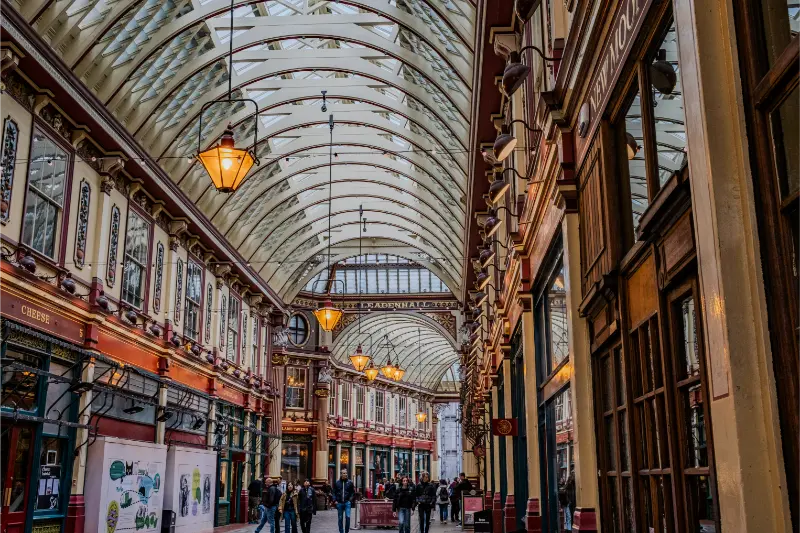
London is one of the easiest major European cities for Muslim travellers to navigate because halal food is widespread, mosques serve large communities across the city, and many neighbourhoods have everyday Muslim life rather than only tourist-oriented options. The practical challenge is not finding somewhere to eat or pray; it is knowing which details should be confirmed in advance when your own requirements are specific.
I would plan a Muslim-friendly London trip the same way I plan any good city break: choose a convenient hotel, group attractions by area and identify a few reliable prayer and food options near the places you will already be visiting. That avoids turning every day into a search for the next restaurant or mosque and leaves more time for London itself.
Muslim-friendly London at a glance
| Halal food | Widely available, but certification and meat policy vary by restaurant |
| Major mosques | London Central Mosque and East London Mosque are useful reference points |
| Good areas for choice | Edgware Road, Whitechapel, East London, parts of West London and central areas |
| Ramadan | Prayer and meal timing can reshape the sightseeing day |
| Best rule | Confirm restaurant and prayer details directly when they matter to you |
Halal food is easy to find, but “halal” can mean different things
London has halal options across many cuisines: British-style burgers and steaks, Turkish grills, Lebanese food, Pakistani and Indian restaurants, Malaysian cooking, fried chicken, bakeries and high-end dining. Visit London maintains a halal restaurant directory, which is useful for ideas but should not replace checking the venue when your requirements are strict.
Some restaurants are fully halal; others serve selected halal meat while also serving non-halal dishes or alcohol. Policies can change by branch. If certification, stunning method, alcohol on premises or cross-contamination is important to you, ask the restaurant directly before travelling. A clear answer from the venue is more useful than an old social-media post.
Where to eat without building the whole trip around food
Edgware Road is a familiar choice for Middle Eastern food and sits close to Marble Arch, Hyde Park and Marylebone. Whitechapel and the wider East End give you easy access to South Asian and Middle Eastern options near Brick Lane, the City and Spitalfields. Central London also has many halal-friendly restaurants, so you do not need to travel across the city for every meal.
I prefer to identify two or three meals near each day’s sightseeing area. For Westminster and the West End, search Soho, Covent Garden, Leicester Square and Mayfair. For the Tower of London and City, look east toward Aldgate and Whitechapel. For South Kensington, check options around Gloucester Road, Earl’s Court and Knightsbridge. This approach keeps food convenient rather than turning halal planning into extra commuting.
London Central Mosque: useful for Regent’s Park and the West End
London Central Mosque and the Islamic Cultural Centre sit beside Regent’s Park at 146 Park Road, NW8 7RG. The mosque publishes a current prayer timetable on its official website. Its location makes it practical to combine prayer with Regent’s Park, Marylebone, Baker Street or a day moving between the West End and north-west central London.
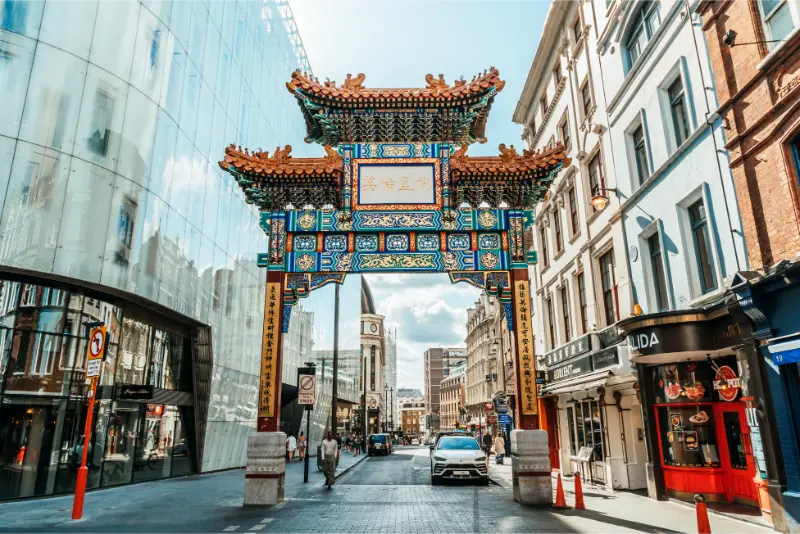
Prayer times shift through the year, sometimes substantially, so do not copy a timetable from a previous trip. Check the date you will actually be in London, especially for Fajr and Maghrib when daylight changes are most noticeable between seasons.
East London Mosque: convenient for Whitechapel and the City
East London Mosque and the London Muslim Centre are in Whitechapel, close to an area with a large Muslim community and excellent transport links. The mosque also welcomes visitors and publishes information about tours, community activity and access on the official East London Mosque website.
This is a useful anchor for a day that includes Brick Lane, Spitalfields, the City of London or the Tower area. Whitechapel station is served by the Elizabeth line, District and Hammersmith & City lines and London Overground, so the area is easier to integrate into a wider itinerary than many first-time visitors expect.
Prayer while sightseeing
A full London day can place you far from a major mosque at prayer time. The simplest strategy is to plan one prayer around a known mosque and keep the rest flexible. Large airports, some shopping centres, universities and major venues may provide multi-faith or prayer spaces, but facilities and access rules vary. Search the official website of the specific venue before relying on it.
Carry a compact prayer mat if you use one, and keep a qibla/prayer-time app available offline. If you are travelling in a group, agree in advance how much time to allow for wudu, walking and rejoining the itinerary. A plan that recognises prayer time usually feels much more relaxed than trying to fit it into an already overbooked sightseeing schedule.
Visiting London during Ramadan
Ramadan changes the rhythm of a trip. Long museum days can feel very different when you are fasting, and sunset may fall in the middle of a theatre performance or return journey depending on the season. Build the day around energy: a major sight in the morning, a slower afternoon and a clear iftar plan. Book dinner where necessary because popular halal restaurants can be busy around sunset.
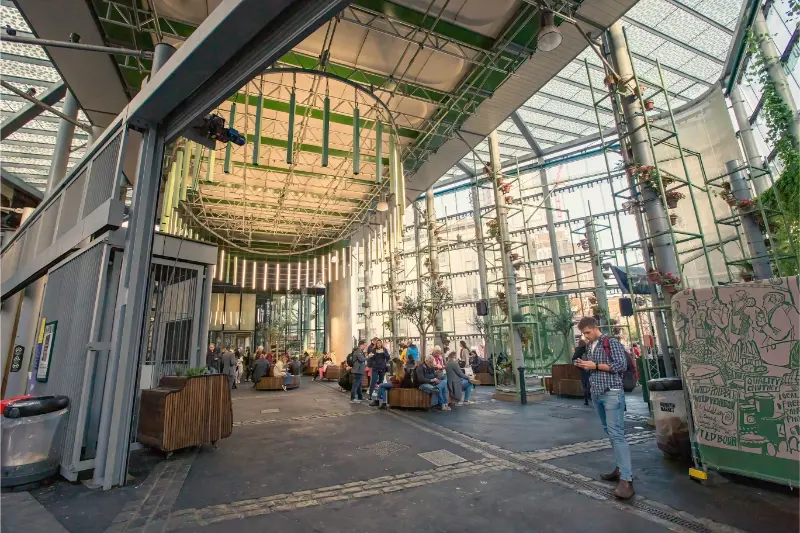
London has increasingly visible Ramadan programming. Visit London’s 2026 coverage included Ramadan lights in the West End, an iftar food trail and community events. These programmes change annually, so check Visit London’s current Ramadan page for your travel year rather than assuming dates or locations repeat exactly.
Where to stay
If mosque access and halal choice are top priorities, Edgware Road and Whitechapel are obvious candidates. But they are not the only good choices. Paddington gives fast airport connections and easy access to Edgware Road. Marylebone is calmer and near London Central Mosque. Aldgate and the City put you close to East London Mosque while remaining convenient for major sights. South Kensington, Westminster and Covent Garden can still work if sightseeing convenience is more important than being within walking distance of a mosque.
Use our London accommodation area guide to choose the neighbourhood first. Then compare London hotels on Booking.com and contact the property if you need a fridge, early breakfast options, adjoining rooms or another specific facility.
Family travel and privacy
For families, an apartment-style room or hotel with more floor space can make suhoor, children’s sleep and modest dressing easier, especially during Ramadan. Check the actual room layout instead of relying on labels such as “family room”. A room that technically sleeps four may have very little space once luggage and an extra bed are added.
London attractions are used to international visitors and generally do not require special planning for modest clothing. At mosques, follow the venue’s own dress and visitor guidance. East London Mosque, for example, publishes specific expectations for tours, including modest clothing and head covering for women entering prayer halls.
A practical Muslim-friendly two-day pattern
Day one: Westminster and St James’s in the morning, lunch in the West End, then Regent’s Park or Marylebone with prayer at London Central Mosque. Finish with dinner around Edgware Road or return toward Soho/Covent Garden for a halal venue you have checked in advance.
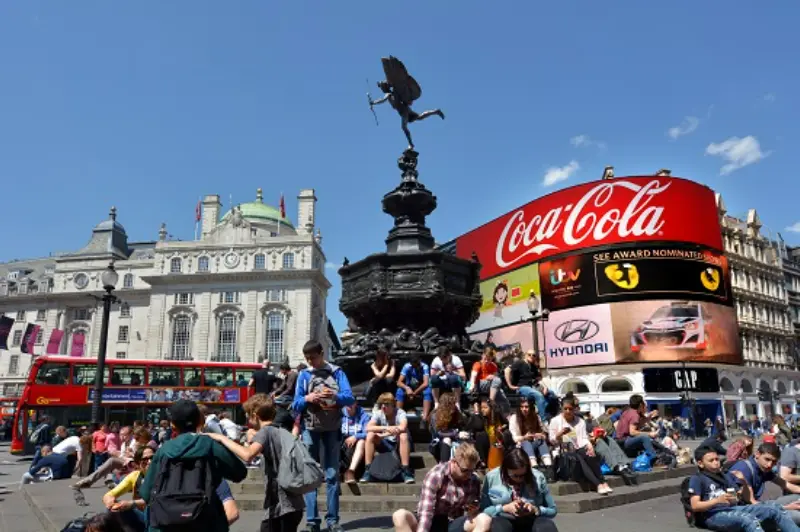
Day two: Tower of London or the City in the morning, walk or travel toward Spitalfields and Brick Lane, use East London Mosque as the prayer anchor, then explore Whitechapel or return west on the Elizabeth line. This keeps each day geographically coherent instead of crossing London repeatedly.
Money, transport and practical planning
London is largely cashless, including transport, so bring a contactless card or mobile wallet that works internationally. Our money in London guide explains cards, cash and service charges, while our UK entry-requirements guide covers the ETA and visa decision process for international visitors.
Common mistakes
- Assuming every branch of a restaurant chain follows the same halal policy.
- Relying on social-media comments instead of confirming with the venue.
- Planning prayer around a mosque on the opposite side of London from the day’s attractions.
- Forgetting that prayer times change significantly through the year.
- Booking a Ramadan dinner without considering sunset time and travel from the final attraction.
- Choosing a hotel only because a neighbourhood has halal food, even when the location creates long daily journeys.
Final advice
Muslim travellers do not need a special version of London; they need a normal London itinerary with a few decisions made more deliberately. Choose convenient areas, verify the food standards that matter to you, check current prayer times and use the city’s large Muslim communities as practical anchors rather than restricting yourself to one neighbourhood. With that structure in place, the rest of the trip can simply be about enjoying London.
Friday prayers and a Friday sightseeing plan
If Jumu’ah is part of your Friday, make it the anchor of the day rather than an interruption. Large mosques can become very busy, and the exact khutbah and congregational prayer arrangements should be checked directly. London Central Mosque publishes Friday information with its prayer timetable, while East London Mosque posts current community and worship information on its own site.
A practical Friday can pair Regent’s Park and Marylebone with London Central Mosque, or the City, Spitalfields and Whitechapel with East London Mosque. This saves the worst kind of London travel: crossing the centre at midday because the morning itinerary was planned without considering where you wanted to pray.
Shopping for halal groceries and simple meals
If you are staying several days, a supermarket or local grocery shop can be useful for breakfast, snacks and late meals. Areas with established Muslim communities generally offer halal butchers, bakeries and specialist groceries alongside mainstream supermarkets. For apartments, this can reduce restaurant costs and make early departures easier. Check product labels and certification yourself where needed; “vegetarian” solves some ingredient questions but does not answer every dietary concern.