

London is not a cheap backpacking city, but it can still work on a controlled budget because many of its best museums, parks, markets and walking routes cost nothing. The expensive parts are accommodation, spontaneous transport mistakes, nightlife and eating every meal in the most tourist-heavy streets. Backpacking London is therefore less about finding one secret cheap hostel and more about preventing small daily costs from multiplying.
I would build a backpacker trip around a well-connected hostel, contactless public transport, one paid priority attraction and a long list of free experiences. Spend money deliberately on the thing you genuinely care about, then let London’s free museums and neighbourhoods do most of the work.
Backpacking London at a glance
| Biggest cost | Accommodation |
| Best saving strategy | Free museums + compact neighbourhood days + supermarket breakfast |
| Transport | Contactless card/device, buses when useful, walk short central distances |
| Good hostel areas | King’s Cross, Camden, Paddington, Southwark, East London depending on price |
| Biggest budget trap | Late-night transport, last-minute beds and tourist-zone meals |
Hostel location matters more than the cheapest nightly rate
A hostel that saves £8 per night can cost the same overall if you spend extra time and money travelling from the edge of London every day. Look for a bed within easy reach of the places you will actually visit, preferably near more than one useful transport option. King’s Cross is excellent for connections, Camden works for nightlife and north London, Paddington is useful for Heathrow, and Southwark can put the river and central sights within walking distance.
Check what the hostel rate includes. Linen, towel rental, locker access, luggage storage and breakfast policies vary. Also check whether the dorm has curtains, individual sockets, air conditioning or only opening windows, and whether reception is staffed late. A cheap bed becomes much less attractive after three nights of poor sleep.
Private hostel rooms are not automatically cheaper than budget hotels, especially for two people. Compare the total rather than assuming the word “hostel” means value. Our where to stay in London on a budget guide compares the area strategy, and you can compare hostels and hotels on Booking.com.
Transport: do not buy a pass automatically
For most short-stay visitors, using the same contactless bank card or mobile wallet for every TfL journey is simpler than buying a paper Travelcard. Fare caps depend on zones and travel pattern, so the cheapest option is not identical for every traveller. The important habits are touching in and out where required and using the same payment method consistently.
Walking is often the best budget tool in central London because major areas connect naturally: Westminster to Trafalgar Square, Covent Garden to Soho, St Paul’s to the South Bank, Tower Bridge to Borough Market. But do not turn saving a few pounds into a 25-kilometre day that ruins tomorrow. Buses can be excellent value and let you see the city while moving.
The free London that actually feels substantial
The British Museum, National Gallery, Tate Modern, Natural History Museum, Science Museum and many other permanent collections offer free general admission, though timed booking may be recommended and special exhibitions can cost extra. Add Hyde Park, Regent’s Park, Greenwich Park, markets, neighbourhood walks and the Thames and you can fill several days without paying attraction admission.
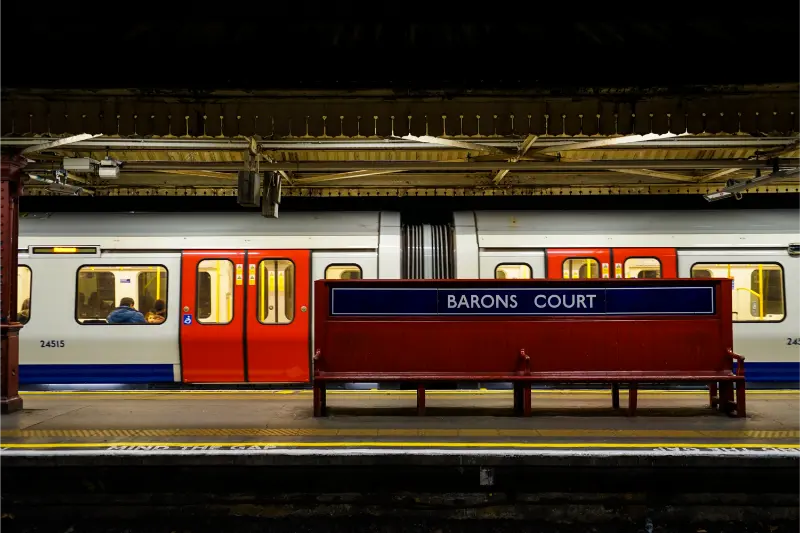
Our free things to do in London guide is the natural companion to a backpacking trip. Choose one or two paid experiences rather than buying tickets because every travel video says you “must” do them.
Eating cheaply without living on meal deals
Supermarket meal deals are useful, but London has better budget eating if you mix strategies. Have a simple supermarket or hostel breakfast, use markets and casual ethnic restaurants for one substantial meal, and keep dinner flexible. Chinatown, parts of East London, food markets and neighbourhood cafés can offer better value than the streets directly beside famous attractions.
Our budget food guide goes deeper into where the savings come from. Carry water and a snack so hunger does not force you into the nearest £20 lunch. If your hostel has a kitchen, one self-catered dinner can also reset the budget after a more expensive day.
Nightlife: the fastest way to destroy a backpacker budget
A cheap pub evening can become expensive after several rounds, club entry, late food and a private ride back across London. Decide before going out what the night is worth to you and choose accommodation that does not require a complicated 02:00 journey. Areas such as Camden, Shoreditch, Soho and Brixton have different nightlife styles; staying near the one you actually want can save both money and energy.
Check last trains and Night Tube/night-bus options before the first drink, not after the last one. Our London nightlife guide can help choose an area rather than hopping randomly between districts.
Solo backpacking and meeting people
Hostel common areas, walking tours and small group activities make London easy to socialise in when you want company. At the same time, eating alone and visiting museums alone are completely normal, so there is no need to force every day into a group. Our solo travel in London guide covers safety and evening planning in more detail.
If you join a “free” walking tour, remember that the model normally expects a tip at the end. That can still be excellent value, but include it in the budget. Paid tours can sometimes be cheaper overall if they include transport or entry you planned to buy anyway.

Luggage, lockers and travel days
Backpackers are more likely to arrive before check-in or leave long after check-out. Ask the hostel whether luggage storage is free, paid or unavailable. Major stations and specialist storage companies provide alternatives, but prices add up if you store a bag every travel day. Our London luggage-storage guide explains the options.
Keep passport, cards, phone and medication with you rather than in an unattended dorm bag. Use the locker for your main pack and bring your own padlock if the hostel requires one. A small cross-body bag or daypack makes sightseeing easier than carrying your full travel backpack through crowded museums.
A low-cost three-day backpacker plan
Day one: Westminster, St James’s Park, Trafalgar Square, National Gallery, Covent Garden and Soho. Most of the day can be free apart from food and transport.
Day two: British Museum in the morning, walk through Bloomsbury and King’s Cross, then Camden Market and Regent’s Canal. Spend money on dinner or nightlife if that is your priority.
Day three: Tower Bridge and the riverside, Borough Market for lunch, Tate Modern, South Bank and a sunset river walk. This creates a full London day with no required attraction ticket.
Backpacker safety
Most backpacking risks are ordinary city risks: phones taken from hands near roads, bags left open in crowded places, cards lost on nights out and valuables left unsecured in shared rooms. Use hostel lockers, split backup cards from your wallet and keep your phone away from the edge of the pavement when checking maps.
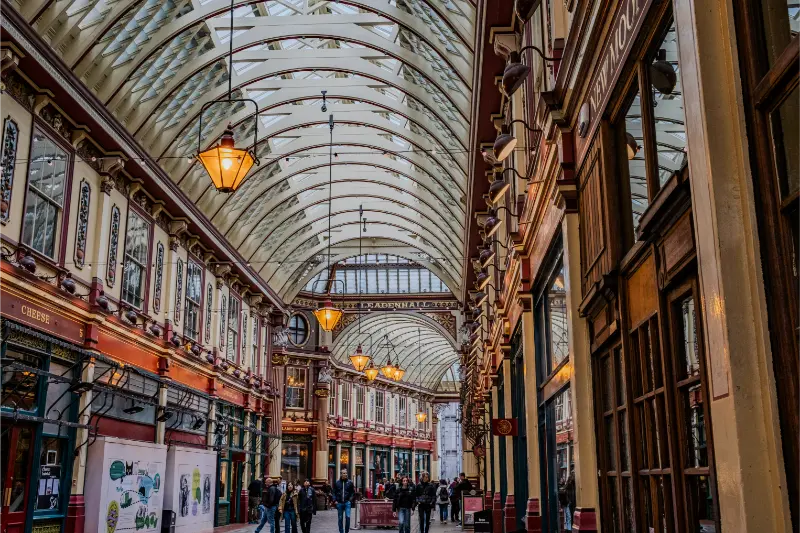
Our London safety and scams guide covers the most relevant visitor issues. The goal is sensible habits, not anxiety; millions of visitors use London’s transport and hostels without serious problems.
Common budget mistakes
- Booking the cheapest hostel without calculating daily transport.
- Paying for attractions simply because they appear on every checklist.
- Using a different bank card for different legs of the same TfL journey.
- Buying every meal in Westminster, Leicester Square or directly beside major sights.
- Ignoring late-night transport before going out.
- Assuming a hostel private room is always the cheapest option for two people.
- Overpacking and then paying repeatedly for luggage storage.
Choosing the right hostel room
The cheapest bed is not always the best-value bed. A 16-bed dorm can save a few pounds but cost you sleep, while a smaller dorm may be worth the difference if you have several full sightseeing days. Check whether the bed has a curtain, reading light and charging point; whether the locker fits a full backpack; and whether bathrooms are inside the dorm or shared along the corridor. These details matter more in practice than stylish lobby photos.
If you are travelling alone and want to meet people, look for hostels with organised walking tours, communal kitchens, lounges or low-key evening events. If you need to work or sleep early, avoid properties built around a late bar. Private hostel rooms can work for two friends, but compare the total against a budget hotel before assuming the hostel is cheaper.
Final advice
London becomes much more backpacker-friendly when you stop measuring value only by admission prices. Some of the city’s strongest experiences are free, and compact days reduce both transport spending and fatigue. Spend on the bed location, the one attraction or night out you really want, and enough food to enjoy yourself. Cut the costs that do not add anything to the trip.
Laundry and longer stays
On a week-long backpacking trip, laundry can be more useful than carrying extra clothes. Check whether your hostel has self-service machines and what detergent or payment method is required. If not, local laundrettes exist across London, but opening hours and service type vary. A two-hour laundry break near the hostel is much easier than discovering on day six that every clean layer is gone.
Cheap day trips are not always cheap days
Oxford, Cambridge, Brighton and Windsor can be excellent additions, but advance rail fares, local transport, food and attraction tickets can turn a low headline train fare into a costly day. Compare that total with another London day full of free museums and neighbourhoods. If you do take a day trip, book the transport early when appropriate and choose one destination rather than paying to rush between several.
Cards, cash and foreign transaction fees
London is highly card-based, so a bank card with poor foreign-exchange terms can quietly become a major backpacker expense. Check your issuer’s overseas transaction and ATM fees before travel and carry a backup card separately. Avoid accepting dynamic currency conversion when a terminal offers to charge you in your home currency without first understanding the exchange rate. Our money in London guide explains the payment details.