INDEPENDENT LONDON TRAVEL GUIDES

Dreaming London

PLAN • EXPLORE • EXPERIENCE LONDON

Author: Sophie

  • What to Eat in London: Markets, Pubs and Classic British Food

    What to Eat in London: Markets, Pubs and Classic British Food

    Eating in London is not about proving whether British food deserves an old stereotype. The city is shaped by regional British cooking and generations of global migration, so a convincing food trip might include a pie, South Asian dishes, a bakery breakfast, West African flavours and a proper Sunday roast.

    This guide focuses on experiences rather than a list of fashionable restaurants that will date quickly. Reservations, menus and service charges change, so verify details directly and never travel across London for a viral dish unless the neighbourhood itself interests you.

    London trip at a glance

    ExperienceWhat to tryPlanning tip
    Traditional pubPie, fish and chips, roast, local aleCheck kitchen hours and family policy
    Food marketSmall plates and global street foodArrive before peak lunch
    Afternoon teaSandwiches, scones and pastriesReserve; compare formality and price
    Bakery / caféPastries, breakfast, coffeeUseful for an early start
    Neighbourhood mealRegional and diaspora cuisinesChoose the area as part of the experience

    Start with British classics, but choose carefully

    Fish and chips is best when cooked to order, not kept under a heat lamp beside a landmark. Pies range from pub comfort food to specialist creations. Sausages and mash, a full English breakfast, sticky toffee pudding and regional cheeses provide other accessible introductions.

    Quality and price vary enormously. Read the current menu, recent reviews and serving times. A pub with history and atmosphere is not automatically a food destination, and an excellent kitchen may sit inside a modern room with no old-London décor.

    Understand the London pub

    A pub can be a place for a drink, a meal or both. Ordering may happen at the bar, through an app or at the table. Look for a table number before approaching the bar, and do not assume every historic pub serves food all day.

    Sunday roast is a specific ritual and popular kitchens can sell out. Reserve when possible and check the final order time. Families are often welcome earlier in the day, but policies differ. Pubs are not theme parks; respect regular customers and avoid blocking narrow entrances for photographs.

    Use markets as neighbourhood gateways

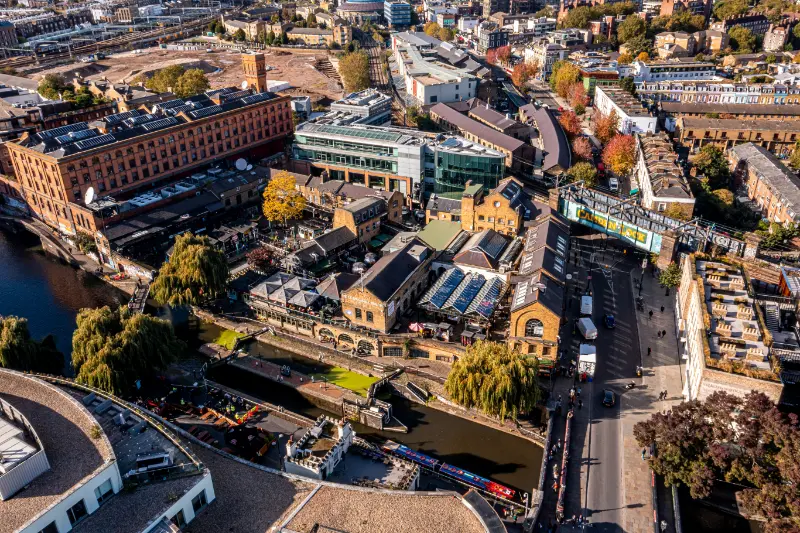
    Borough Market is the most famous food market for visitors and fits naturally into a Thames or City day. Camden offers a vast casual selection; Spitalfields and Brick Lane connect food with east-London history; Greenwich adds a market stop to a broader day out.

    Markets are busiest around lunch, when queues hide the stalls you might actually prefer. Arrive earlier, browse before choosing and share dishes if you want variety. Check opening days and remember that not every stall operates every day. Our free things guide explains how to pair markets with walks and parks.

    Experience London’s global food culture

    Southall is known for South Asian food, Brixton for a broad Caribbean and international scene, Chinatown for regional Chinese choices, and neighbourhoods across east and north London contain outstanding Turkish, Vietnamese, West African and Middle Eastern cooking. These labels simplify areas that are far more diverse, so explore with curiosity rather than treating them as themed districts.

    Choose one neighbourhood that fits the itinerary and read menus in advance if dietary needs matter. A good meal outside the tourist core can be a highlight, but factor in travel time. Do not make a distant reservation immediately after a timed attraction.
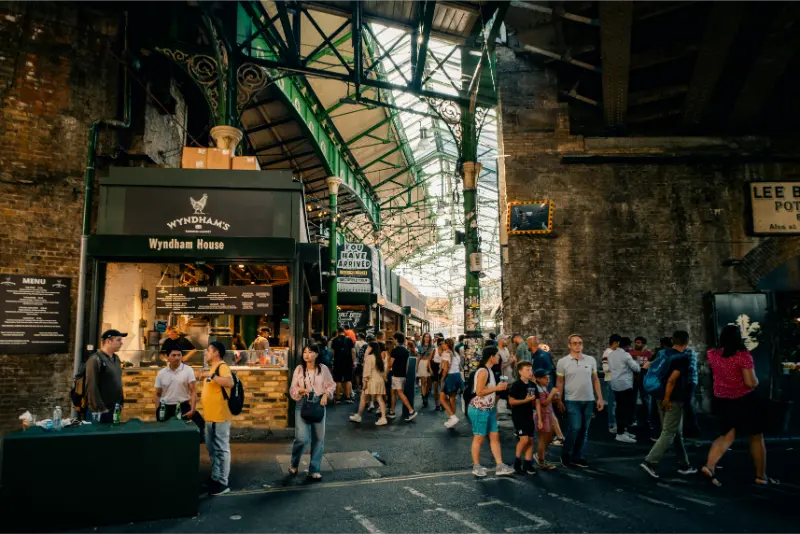
    Borough Market Interior London

    Afternoon tea: experience or expensive snack?

    Afternoon tea can be ceremonial, playful or relatively simple. The classic structure includes sandwiches, scones with accompaniments, pastries and tea. Hotel versions emphasise service and setting; museums, department stores and independent tearooms may offer different value.

    Book only if you want the ritual. Compare duration, dress guidance, cancellation policy and whether service is included. Arrive hungry: a full afternoon tea can replace lunch. Tell the venue about allergies when booking, not after the tiered stand arrives.

    Breakfast and quick lunches

    A full English breakfast is substantial and best saved for a day with a later lunch. Bakeries, cafés and supermarket meal deals help on early sightseeing mornings. In business districts, weekday lunch options can be excellent; on weekends, the same streets may be quiet.

    Avoid eating every meal beside the attraction entrance. Walking five or ten minutes often improves choice and price. Save two options near each day’s cluster, including one that does not require a reservation.

    Dietary needs and allergens

    London offers broad vegetarian, vegan, halal and gluten-aware choices, but labels and kitchen practices vary. Check directly with the restaurant, especially for allergies or cross-contamination risk. Chains often publish allergen information, while independent venues can explain dishes in person.

    Do not rely solely on an old review. Menus and suppliers change. Keep a translated or clearly written description of a serious allergy if English is not your first language, and carry prescribed medication.

    Service charges, tipping and payment

    Many restaurants add a discretionary service charge, commonly shown on the bill. Read before adding another tip. If service was poor, you can ask about removing a discretionary charge, though staff distribution policies vary.

    Cards and contactless payments are widespread, and some venues are cashless. When a terminal offers currency conversion, understand the rate before accepting. Keep one backup card. Split-bill policies vary, especially for large groups.

    A simple food plan for three days

    On day one, combine a central pub lunch with a lighter evening meal. On day two, use a market within the sightseeing route and reserve one special dinner. On day three, explore a neighbourhood cuisine or book afternoon tea. This creates variety without allowing meals to control every day.

    Camden Market London

    Leave room for spontaneity, but not at 8 p.m. on a Saturday with a tired group. The three-day itinerary shows where markets and dining districts fit geographically.

    How to recognise better value

    Price alone does not define value. Consider ingredient quality, portion, setting, service and how naturally the meal fits the day. An expensive lunch in a memorable room may replace a separate attraction, while a cheap meal requiring a long detour can cost time and transport.

    Menus displayed outside should show prices clearly. Look for whether sides are included and whether a service charge is added. In markets, compare portion size before buying several items. In pubs, check that the kitchen is open and whether ordering happens at the bar.

    Recent reviews are most useful when they describe specific dishes, waiting times and service patterns. A single dramatic rating tells you less than repeated comments. Remember that popular places change chefs and menus, so prioritise information from the last few months.

    Finally, leave space for appetite. London sightseeing can disrupt normal meal times, but constant snacking removes the chance to enjoy a proper dinner. A loose food plan—two nearby options and one reservation—provides security without making every day revolve around the table.

    Common mistakes to avoid

    • Choosing a famous pub for food without checking its current kitchen menu.
    • Arriving at Borough Market at peak lunch with no patience for crowds.
    • Adding a tip without noticing the service charge already included.
    • Booking afternoon tea immediately after a large lunch.
    • Travelling far for one viral item while ignoring the surrounding neighbourhood.

    The food mistake is saving every meal until you are standing beside a major attraction with everyone hungry. London rewards a little geographical planning: know which neighbourhood you will be in at lunch, save one sit-down option and one fast alternative, then decide on the day. Markets are excellent when choice matters, but they are not automatically calmer or cheaper at peak lunchtime.

    Practical planning checklist

    • Confirm opening days and last admission on official websites.
    • Save bookings and the accommodation address for offline access.
    • Check the live TfL journey planner before leaving each morning.
    • Keep one indoor and one outdoor option in the same area.
    • Use the same contactless card or device consistently for eligible journeys.
    • Allow time for security, meals, station corridors and unplanned discoveries.

    Book only the meals where timing is part of the experience: a sought-after Sunday roast, a particular tasting menu, afternoon tea or a restaurant tied to a special evening. Leave ordinary lunches flexible. Check service-charge wording on the bill, ask about allergens directly and do not assume every historic-looking pub serves food all day.

    Continue planning your London trip

    Food tours for travellers who want context

    A good food tour should explain neighbourhood history and migration as well as provide tastings. compare London food tours on GetYourGuide, then check the number of stops, dietary policy and walking distance.
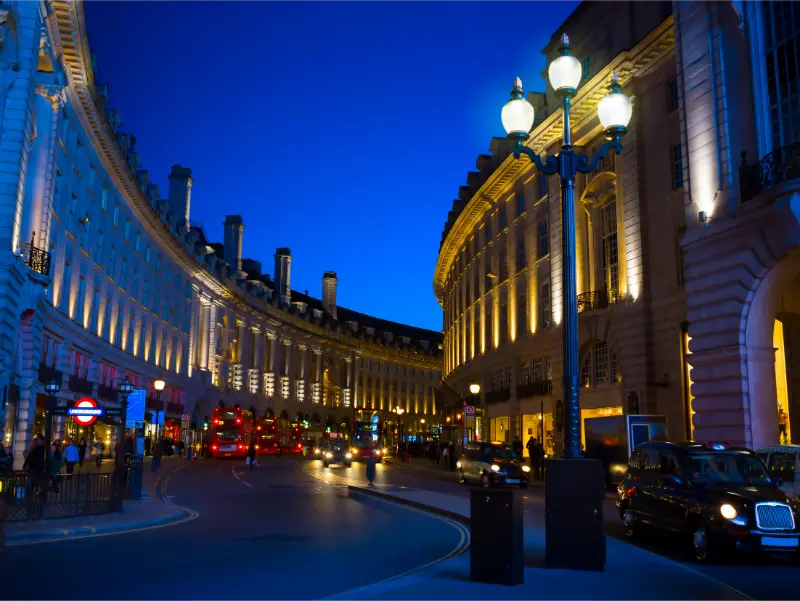
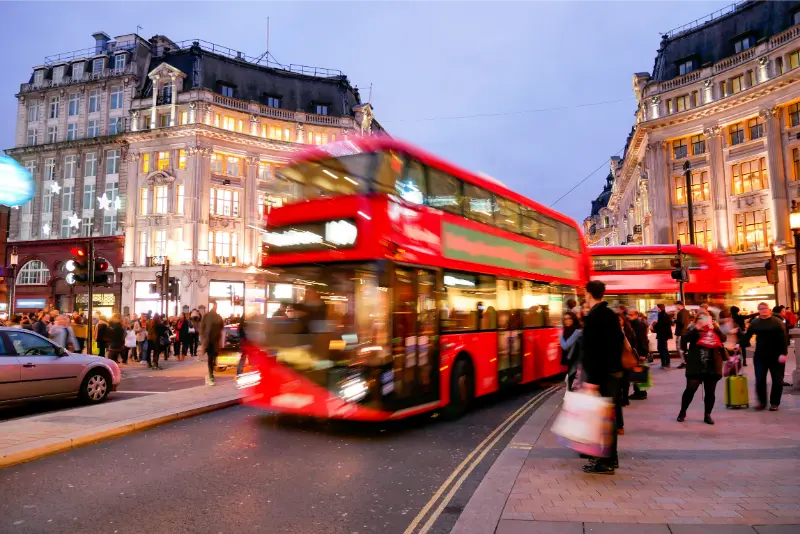
    Piccadilly Circus at Night London

    Frequently asked questions

    What food is London famous for?

    Pub dishes, pies, fish and chips, afternoon tea and Sunday roast are classic answers, but London’s global cuisines are equally central to how the city eats.

    Do I need restaurant reservations?

    For popular places, Friday and Saturday evenings, Sunday roasts and afternoon tea, yes. Keep some daytime meals flexible.

    Are pubs suitable for children?

    Many are during food-serving hours, but individual rules vary and some become adult-focused later. Check directly.

    How can I eat cheaply?

    Use bakeries, markets selectively, supermarket meal deals and lunch offers, and balance one special meal with simpler food rather than sacrificing every meal.

    Final thoughts

    Eating well in London is less about chasing one definitive dish than understanding the city’s range. Have a pub meal, try food shaped by London’s migrant communities, buy something from a bakery or market and leave room for the neighbourhood you did not plan to eat in. Food is one of the easiest ways to make the trip feel personal.

    Menus, service hours and booking policies change frequently; confirm directly with the business when a particular meal is important to your itinerary.

    Make afternoon tea an intentional experience

    For traditional hotels, themed buses and Thames options, use our London afternoon tea guide before booking.

    Explore London food in more depth

    Build a deeper food itinerary with our guides to Sunday roast, fish and chips, full English breakfast and the best areas for foodies.

    More London food guides: brunch, coffee, bakeries and dietary needs

    These newer guides go deeper into the practical choices that shape a food-focused London trip, from breakfast and coffee to traditional pie and mash, food halls and dietary requirements.

    • Best Brunch in London
    • Best Coffee Shops in London
    • Best Bakeries in London
    • Pie and Mash in London
    • Best Desserts in London
    • Vegan and Vegetarian Food in London
    • Halal Food in London
    • Eating in London with Food Allergies
    • Best Food Halls in London
    • 3-Day London Food Itinerary
  • Best Time to Visit London: Weather, Crowds and Seasonal Atmosphere

    Best Time to Visit London: Weather, Crowds and Seasonal Atmosphere

    There is no single best month for London. The city works year-round, but the experience changes dramatically with daylight, school holidays, major events and the kind of weather you tolerate. Long summer evenings are wonderful; so are quiet winter museums and autumn walks.

    Instead of promising perfect weather, this guide compares trade-offs. London forecasts remain changeable in every season, and a good itinerary always includes both outdoor and indoor options. Prices and crowd levels depend on exact dates, not only the month name.

    London trip at a glance

    SeasonMain advantageMain trade-off
    SpringGardens, mild days, fresh colourChangeable rain and holiday peaks
    SummerLong daylight and outdoor eventsHigher demand and busy attractions
    AutumnWarm colour, cultural season, balanced paceShortening days and variable weather
    WinterFestive atmosphere or quieter low seasonShort daylight and cold, damp spells

    Spring: gardens and changing skies

    March can still feel wintry, while April and May often bring blossoms, greener parks and longer days. This is a beautiful period for Kew, the royal parks, residential streets and river walks. Temperatures can change within hours, so layers are more useful than one heavy coat.

    Easter holidays and bank-holiday weekends increase demand. Book major attractions and accommodation earlier for those dates. A spring itinerary should keep a museum option near each outdoor cluster rather than abandoning the whole day when a shower arrives.

    Summer: maximum daylight

    June and July provide long evenings that make after-dinner walks and outdoor events easy. Parks, rooftop venues, river activities and neighbourhood exploration all benefit. Summer is also popular with families and international visitors, so famous sights can be crowded from morning.

    London can experience hot periods, and not every hotel room or older transport space has air-conditioning. Check room facilities, carry water and slow the itinerary during heat. August brings holiday activity but also changes to commuter patterns and possible engineering work.

    Autumn: colour and culture

    September often retains useful daylight and a lively city rhythm after summer. October brings richer park colour and a strong museum, theatre and exhibition season. This is one of the best periods for travellers who enjoy walking but do not need midsummer evenings.

    Half-term weeks and major events can create local peaks. By November, daylight is noticeably shorter and rain becomes more intrusive, yet festive lights begin to change the evening atmosphere. Waterproof shoes matter more than a perfect coat photograph.

    Winter: festive London and quieter weeks

    Late November and December bring lights, decorated streets, markets and seasonal performances. The atmosphere is special, but central shopping districts become extremely busy and accommodation can be expensive around key weekends and New Year.

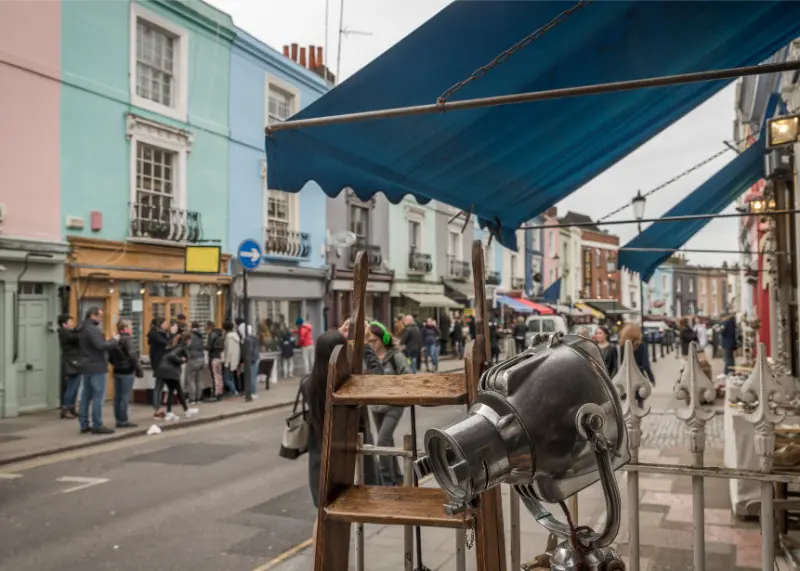
    Portobello Road Market London

    January and February can be quieter and offer better accommodation value outside major events. Days are short, so place outdoor landmarks in the brightest hours and use afternoons for museums. Snow is possible but not a reliable part of a London winter; cold rain and wind are more realistic concerns.

    Crowds are about dates, not seasons alone

    School holidays, bank holidays, concerts, sporting events and large exhibitions can transform one weekend. Search the exact dates before booking and inspect hotel rates as an early warning. A seemingly ordinary Saturday may coincide with a major event near your chosen area.

    Weekday mornings are often calmer for major attractions, although school groups and commuter travel create their own patterns. Reserve timed sights early and use neighbourhoods later in the day. Markets have specific peak periods that may be part of the experience or something you prefer to avoid.

    Weather-proof planning

    Build paired options: a river walk plus Tate Modern, Hyde Park plus a South Kensington museum, or Greenwich Park plus the National Maritime Museum. This keeps you in one area when the forecast changes. A compact umbrella helps, but wind can make a hood more practical.

    Do not cancel an outdoor day because an app shows a rain icon. Check the hourly forecast and radar close to the time. London showers can be brief, while a supposedly dry day can still feel damp. Layers, comfortable shoes and flexibility are the reliable solution.

    Choosing the best period for your trip

    Choose late spring or early autumn for a broad balance. Choose summer for outdoor evenings and family schedules. Choose December for festive atmosphere, accepting crowds and prices. Choose January or February for museums, theatre and potentially lower accommodation demand.

    Your interests should decide. Garden lovers need a different answer from theatre fans; families are constrained by school calendars; photographers care about sunrise and sunset. Use our area guide after choosing dates, because the best base also changes with the season and planned events.

    What to pack in any month

    Bring comfortable, water-resistant shoes, a light waterproof layer and clothes that can be added or removed. Even in summer, an evening layer is sensible. A refillable bottle, compact power bank and small day bag cover most sightseeing needs.

    Avoid overpacking formal clothes unless you have a specific venue with a dress expectation. London style is varied, and practical comfort is normal. Check airline baggage rules and the accommodation’s luggage-storage policy before arrival.

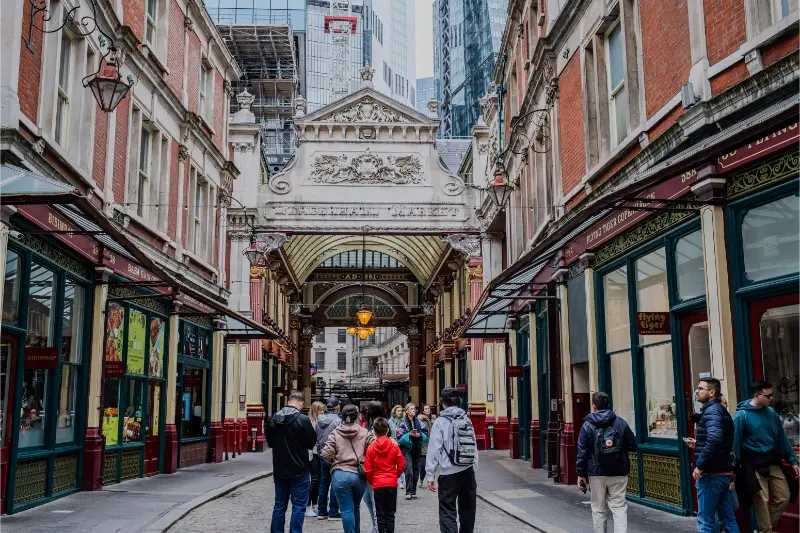
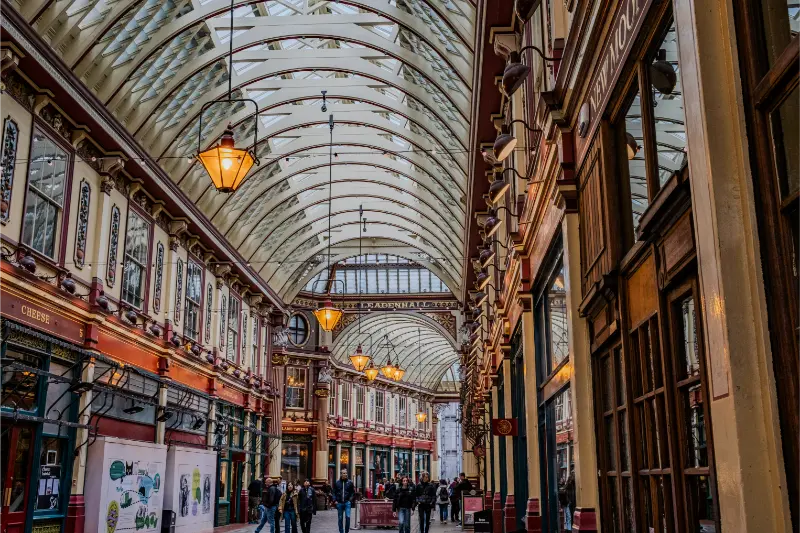
    Leadenhall Market City of London

    Daylight and daily rhythm

    Daylight changes the structure of a London itinerary more than many visitors expect. In summer, a museum can be followed by several hours of walking; in midwinter, the best natural light is concentrated around the middle of the day. Put parks, viewpoints and neighbourhood photography into that window.

    Short winter days do not mean short sightseeing days. They shift the focus towards illuminated streets, theatre, restaurants and indoor collections. Summer allows later outdoor dining and riverside walks, but popular districts stay busy for longer. Decide whether you value usable daylight or a calmer evening atmosphere.

    Sunrise and sunset times are easy to check for exact dates. Photographers should remember that famous viewpoints may face the wrong direction for the desired light. Visit once for the experience rather than building the entire schedule around a photograph that depends on cloud cover.

    Jet lag also changes daily rhythm. Visitors arriving from the Americas may wake early and can use quiet morning streets; travellers from Asia may struggle with early tickets. Choose the first day’s schedule according to the body clock, not simply the attraction’s earliest available slot.

    Season also affects what is happening inside the city. Theatre schedules, temporary exhibitions, football fixtures, garden displays and ceremonial openings follow their own calendars. If one event is central to the trip, choose dates around its official schedule first and assess weather second. A cooler week with the experience you came for is better than a statistically milder week without it.

    Travellers who dislike crowds should also examine the day of the week. A midweek stay can change museum entry, restaurant availability and hotel rates even within the same month. Arriving on Sunday and using Monday for neighbourhood walks can work well when a preferred museum or market follows a reduced schedule.

    Common mistakes to avoid

    • Expecting one season to guarantee dry weather.
    • Ignoring school holidays and major events when comparing hotel prices.
    • Planning every outdoor sight for the same day.
    • Booking a summer room without checking air-conditioning or ventilation.
    • Packing for photographs rather than long days of walking.

    The most common seasonal mistake is packing for an average rather than for a London day. A mild forecast can still include wind on bridges, a sudden shower and a warm Underground carriage. Layers and comfortable water-resistant shoes are more useful than trying to predict one perfect outfit. In summer, check whether the hotel room has air-conditioning; in winter, remember how early outdoor sightseeing loses daylight.

    Practical planning checklist

    • Confirm opening days and last admission on official websites.
    • Save bookings and the accommodation address for offline access.
    • Check the live TfL journey planner before leaving each morning.
    • Keep one indoor and one outdoor option in the same area.
    • Use the same contactless card or device consistently for eligible journeys.
    • Allow time for security, meals, station corridors and unplanned discoveries.

    Before choosing dates, compare daylight, school holidays and the one seasonal experience that matters to you. Christmas lights, Wimbledon, spring gardens and long June evenings create different versions of London. Then check hotel prices for the exact week: citywide events can matter more than the month’s general reputation for being busy or quiet.

    Continue planning your London trip

    Frequently asked questions

    What is the rainiest month?

    Rain varies from year to year, and useful planning depends more on the hourly forecast than a single monthly average. Be prepared in every season.

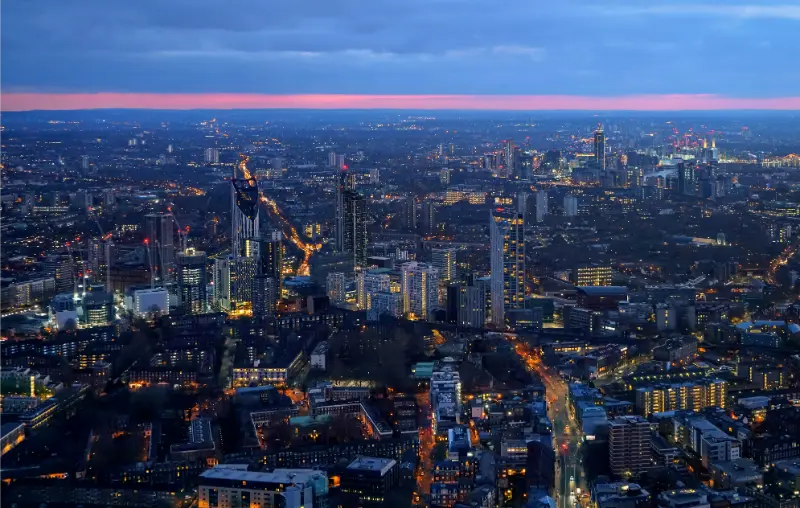
    Central London Street at Night

    When is London cheapest?

    Parts of January and February can offer lower demand, but events and weekend patterns matter. Compare total flight and hotel cost for exact dates.

    Is December a good time?

    Yes for lights, theatre and festive atmosphere. Expect short daylight, busy shopping areas and higher prices on popular weekends.

    When are parks most beautiful?

    Spring blossoms and autumn colour are both excellent, but timing shifts with weather. Summer offers the longest hours for picnics and evening walks.

    Final thoughts

    The best month is the month whose trade-offs suit you. London in February is not a failed version of London in June, and August is not automatically ‘better’ because the days are longer. Choose the atmosphere you want, then build an itinerary that uses that season rather than fighting it.

    Event dates, seasonal opening hours and transport arrangements change from year to year; confirm the specific calendar for your travel dates.

    New Year’s Eve is its own planning season

    If your trip includes 31 December, treat it separately from a normal winter visit. Ticketed fireworks, transport changes and major crowds require advance planning. See our New Year’s Eve in London guide for the current 2026 arrangements.

    Travelling in the festive season?

    If your dates fall from November through New Year, read our Christmas in London 2026 guide, especially the transport and closure advice for 24–26 December.

    Explore London by season and major annual events

    For more detailed planning, see our guides to London in spring, summer, autumn and winter. Major-event guides cover Easter, Halloween, Bonfire Night, Notting Hill Carnival, Wimbledon and Trooping the Colour.

    More detailed London guides

    • London in Spring: Weather, Events, Crowds and Best Things to Do
    • London in Summer: Weather, Events, Festivals and Practical Tips
    • London in Autumn: Weather, Events, Fall Colour and Things to Do
    • London in Winter: Weather, Christmas, January and Things to Do
    • Notting Hill Carnival: Dates, Parade, Transport and First-Timer Tips
  • London with Kids: A Practical Family Guide for an Enjoyable Trip

    London with Kids: A Practical Family Guide for an Enjoyable Trip

    London can be brilliant with children because transport itself feels like an adventure, museums contain real dinosaurs and spacecraft, and a park is rarely far from a major landmark. It can also become exhausting when adults plan the same itinerary they would follow alone and simply add children to it.

    The most successful family days alternate intensity and freedom: one headline attraction, a simple meal and time in a park or open space. Age, height, sensory needs and travel experience matter more than a generic list of child-friendly places.

    London trip at a glance

    Age / needStrong choicesPlanning note
    Under 5Parks, transport rides, selected museum galleriesKeep sessions short and protect nap time
    Primary ageNatural History, Science Museum, Tower, river boatOne major attraction per half-day
    TeensWest End, markets, viewpoints, street artLet them choose one priority
    Rainy dayMuseum, theatre, aquarium, covered marketBook a backup only if cancellation is flexible
    Low-cost dayFree museum plus park and bus rideBring snacks and refillable bottles

    Choose by the child, not the label

    A place described as family-friendly may still involve long queues, dark rooms or hours of standing. Match activities to what your child already enjoys. Dinosaur fans may adore the Natural History Museum; a child who dislikes crowds may prefer the open spaces of Greenwich and a short museum visit.

    Show older children a few options before the trip and let them choose. Their ownership can transform the day. For very young children, familiar routines and accessible toilets are more important than completing a landmark list.

    Museums that work for families

    The Natural History Museum and Science Museum are obvious choices and sit close together, but that does not mean both should be completed in one day. Select galleries, check family events and leave while the visit is still enjoyable. The London Transport Museum is paid but especially engaging for children fascinated by buses and trains.

    London Museum Docklands can provide a quieter alternative in east London, while the National Maritime Museum fits a Greenwich day. Free general admission does not remove the need to check current booking arrangements. Use official accessibility pages for sensory maps, quiet spaces and step-free routes.

    Landmarks children can understand

    The Tower of London has strong stories, walls, armour and ravens, making history tangible for school-age children. A Thames boat provides a rest while keeping the city visible. The London Eye offers a clear shared experience, though the price and queue should be weighed against a free park viewpoint.

    Guard ceremonies can fascinate children but involve waiting and limited visibility. Stand where the family can move away easily rather than aiming for the densest point. Westminster works well as a walk with short stories and a park break, not a lecture beside every statue.

    Use parks as part of the itinerary

    St James’s Park breaks up royal sightseeing; Kensington Gardens pairs with South Kensington museums; Regent’s Park works with London Zoo; Greenwich Park adds space after maritime attractions. A playground can be more valuable than one more famous building.

    Bring a light picnic when weather allows. Children can release energy while adults reorganise the next step. Around deer in Richmond or Bushy Park, keep a safe distance, never feed animals and follow Royal Parks guidance.

    Transport with children

    Buses are entertaining and easier with a pushchair than deep stations, although busy services may require folding it. The DLR’s front seats can feel like driving a train. Short river journeys add novelty. Avoid peak commuting periods when possible.

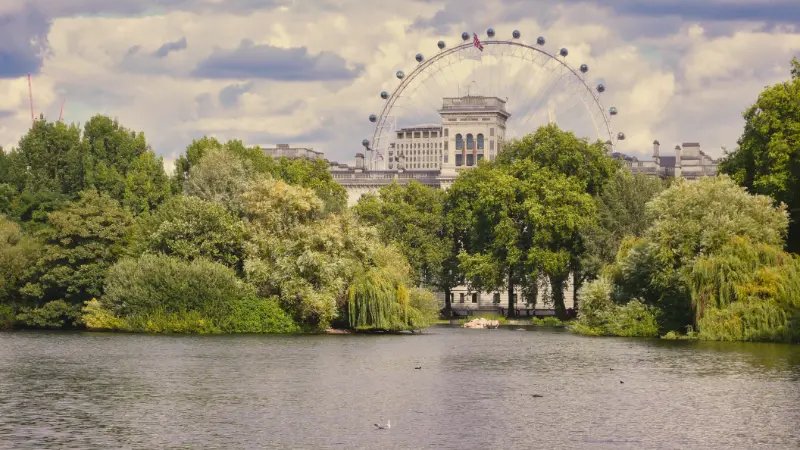
    London Eye from Park Across Lake

    Child fares and free-travel rules depend on age and service. Some concessions require a Zip Oyster photocard, while younger children may travel free with a fare-paying adult under specific conditions. Check TfL child fare rules for the exact ages in your family rather than relying on a simplified blog answer.

    Meals without drama

    Do not wait until everyone is hungry to search near a landmark. Save two nearby options and keep a portable snack. Markets offer choice but become difficult with a pushchair at peak lunch time. Pubs can welcome families at suitable hours, yet policies and kitchen times vary.

    A substantial breakfast, early lunch and flexible dinner often work better than rigid reservations. Check allergens directly with the business. Supermarkets and bakeries are useful for park picnics and emergency food, but build at least one enjoyable London meal into the plan.

    Pushchairs, toilets and accessibility

    Central London has stairs, narrow pavements and stations without step-free access. Use TfL’s accessibility maps and identify lifts before the journey. A compact pushchair helps, but families should never be pressured to use equipment that does not suit the child.

    Major museums, department stores, libraries and attractions usually provide toilets, but availability on long outdoor routes can be uneven. Use official facility maps and take breaks before they become urgent. Carry a small change of clothes and a rain cover even when the morning looks bright.

    A balanced family day

    A reliable formula is one booked morning attraction, lunch, an outdoor break and one optional afternoon activity. For example, visit the Natural History Museum, eat nearby, cross into Kensington Gardens and decide only then whether the family has energy for another stop.

    On a three-day trip, alternate a museum day, a river and landmark day, and a neighbourhood or park day. Our three-day itinerary can be adapted by removing one adult-focused stop from each section. Fewer transitions usually mean happier children and adults.

    Handling crowds, tiredness and changing plans

    Tell children what the day will contain in a simple sequence: train, museum, lunch, park and hotel. Predictability helps, particularly when the city feels noisy or unfamiliar. Show them the station name and choose a meeting point for older children in the unlikely event that the group becomes separated.

    Watch for early signs of fatigue rather than waiting for a complete collapse. A snack on a bench, a short bus ride or thirty minutes in a playground can rescue the afternoon. The money already spent on a ticket should not force a family to remain in an experience that is no longer working.

    Crowded ceremonies and markets are difficult for small children to see. Choose the edge of the event, use a different time or replace it with something interactive. A child may remember the DLR front seat or squirrels in a park more fondly than a distant glimpse of a guard.

    Natural History Museum Garden London

    Build one parent-friendly pleasure into the same area: a gallery room, good coffee, architecture or a relaxed meal. Family travel should not require adults to abandon every interest. The best choices work on more than one level and give everyone a reason to enjoy the route.

    Keep the final evening simple. Pack most luggage before dinner, confirm the airport route and let children choose one familiar meal or short walk. A calm conclusion protects the memories of the trip and reduces the chance that a rushed departure becomes the family’s strongest last impression of London.

    Common mistakes to avoid

    • Scheduling adult-length museum visits for young children.
    • Crossing the city repeatedly instead of using nearby parks and attractions.
    • Assuming every station has a lift.
    • Waiting until peak lunch time to choose food.
    • Booking expensive activities for every half-day with no recovery time.

    With children, the day usually fails from cumulative friction rather than one bad attraction: too many station changes, lunch too late, nowhere to sit, then one final queue. Build recovery into the plan. A museum plus a park is a complete family day if everyone is happy. Do not add a second major attraction simply because the adults worry they are ‘wasting’ London.

    Practical planning checklist

    • Confirm opening days and last admission on official websites.
    • Save bookings and the accommodation address for offline access.
    • Check the live TfL journey planner before leaving each morning.
    • Keep one indoor and one outdoor option in the same area.
    • Use the same contactless card or device consistently for eligible journeys.
    • Allow time for security, meals, station corridors and unplanned discoveries.

    Before booking family tickets, check the individual child’s age guidance, dark or noisy elements, buggy rules, toilets and whether re-entry is allowed. Save a nearby playground, café or free museum as a pressure-release option. For transport, confirm the current child fare rules rather than assuming the system works like your home city.

    Continue planning your London trip

    Book family attractions selectively

    If your children have a specific must-do attraction, compare London family activities on GetYourGuide. Check age guidance, duration and cancellation terms before locking the family into a timed slot.

    Frequently asked questions

    Is London suitable for a pushchair?

    Yes, but planning matters. Buses and step-free stations help; older deep-level stations may involve stairs and long corridors.

    What is the best free family activity?

    A major museum paired with a nearby park is difficult to beat. Choose the museum according to the child’s interests.

    Should families buy Oyster cards?

    Adults can often use contactless, while child arrangements depend on age and length of stay. Check current TfL rules before buying any product.

    How many attractions should we plan per day?

    Usually one major booked attraction plus one flexible experience. Older children may manage more, but transport and meals still require time.

    Final thoughts

    A successful London family trip is measured by the child who still wants to explore tomorrow, not by the number of attractions completed today. Give children some ownership, alternate intense interiors with open space and leave before fatigue turns a good visit into a battle. The city has enough options that changing the plan is not failure.

    Natural History Museum and Victoria and Albert Museum London

    Child fares, attraction age guidance and family facilities can change; verify them directly with TfL and the venue before your visit.

    For a paid indoor family attraction on the South Bank, see our SEA LIFE London Aquarium guide, including timed-entry and age-planning advice.

    Older children and teenagers may also enjoy Madame Tussauds London; our guide helps decide whether the ticket is a good fit for your family rather than treating it as a universal must-see.

    For older children who like theatrical scares

    The London Dungeon can work for families with older children or teenagers who enjoy dark humour and theatrical scares, but it is not a universal family attraction. Check the current age guidance and think about the individual child rather than choosing only by age.

    Celebrity and interactive family attraction

    If your children or teenagers enjoy pop culture and interactive photo experiences, compare the museums with our Madame Tussauds London guide.

    Two more major family attractions on the South Bank

    For marine life and a weather-proof family stop, see our SEA LIFE London Aquarium guide. For older children and teenagers who enjoy spooky interactive theatre, compare it with our London Dungeon guide.

    A full theme-park day outside London

    For a break from museums and landmarks, our LEGOLAND Windsor from London guide covers trains, buses, tickets, height restrictions and realistic family pacing.

    More family guides: itineraries, museums, play and day trips

    For deeper planning, these family guides cover realistic itineraries, indoor options, museums, parks, playgrounds, budgets and easy escapes from London.

    More family guides: short itineraries, museums, babies, river trips and theatre

    This second family cluster adds practical guides for one- and two-day trips, three major family museums, travelling with a baby, eating with children, Thames boat trips, theatre and London city farms.

    • London in One Day with Kids: A Realistic Family Itinerary

    • London in Two Days with Kids: A Family Itinerary That Actually Works
    • Natural History Museum London with Kids: Best Galleries, Routes and Family Tips
    • Science Museum London with Kids: Best Galleries, Wonderlab and Family Tips
    • London Transport Museum with Kids: A Practical Family Guide
    • London with a Baby: Transport, Feeding, Naps and a Realistic Sightseeing Plan
    • Best Family Restaurants in London: Where Eating with Kids Feels Easy
    • Thames Boat Trips in London with Kids: River Bus vs Sightseeing Cruise
    • Best London Theatre and Musicals for Kids: How to Choose the Right Show
    • Best City Farms in London for Kids: Free and Low-Cost Family Days

    Harry Potter Studio Tour with children

    Families planning a dedicated Harry Potter day can use our Warner Bros. Studio Tour London guide for tickets, travel via Watford Junction, realistic timing, food, younger-child considerations and Relaxed Tour information.

    More detailed London guides

    • Science Museum London with Kids: Best Galleries, Wonderlab and Family Tips
    • Thames Boat Trips in London with Kids: River Bus vs Sightseeing Cruise
    • Best London Theatre and Musicals for Kids: How to Choose the Right Show
    • Best City Farms in London for Kids: Free and Low-Cost Family Days
  • Free Things to Do in London: Museums, Views, Walks and Hidden Corners

    Free Things to Do in London: Museums, Views, Walks and Hidden Corners

    London can be expensive, but it is also unusually generous to curious visitors. Major national museums, celebrated galleries, royal parks, river walks and many skyline viewpoints can be enjoyed without an admission charge. A low-cost day does not have to feel like a compromise.

    Free does not always mean walk in without planning. Popular museums may recommend timed entry, free viewpoints can release limited reservations, and markets are only free until the food aromas win. Check official arrangements and build a day around geographic clusters.

    London trip at a glance

    Free experienceAreaGood pairing
    National GalleryTrafalgar SquareWestminster or Covent Garden
    British MuseumBloomsburySeven Dials and Soho
    Tate ModernBanksideSouth Bank walk
    Natural History MuseumSouth KensingtonHyde Park or V&A
    Sky Garden area / City viewsCityTower and riverside
    Greenwich Park viewpointGreenwichMarket and maritime district

    Use free museums selectively

    The British Museum, National Gallery, Tate Modern, Natural History Museum, Science Museum and V&A all offer free access to their main collections, although special exhibitions may charge. The opportunity is extraordinary; the danger is turning a holiday into a race through galleries.

    Choose one museum per half-day and shortlist galleries. Check the official website for booking advice, closures and bag restrictions. A donation supports the institution, but general admission is not converted into a compulsory ticket simply because a suggested contribution appears prominently.

    Walk the South Bank

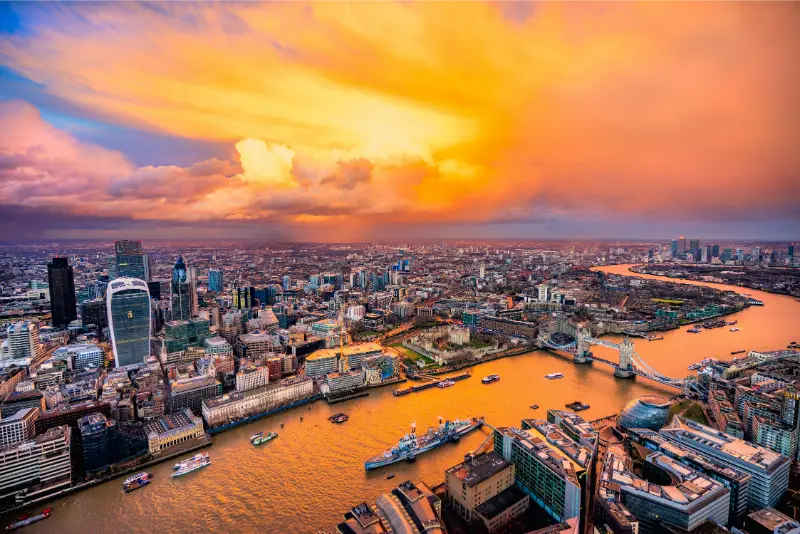
    The route from Westminster Bridge towards Tate Modern and Tower Bridge is one of London’s best free experiences. Parliament, St Paul’s and the City skyline appear from changing angles, while bridges let you switch banks whenever interest or weather changes.

    Do not rush the entire distance. A shorter route from Westminster to the Millennium Bridge already includes performers, cultural buildings and river views. Early morning is calmer; sunset and evening bring atmosphere. Keep belongings secure when crowds gather around performances.

    Find panoramic views without a high ticket price

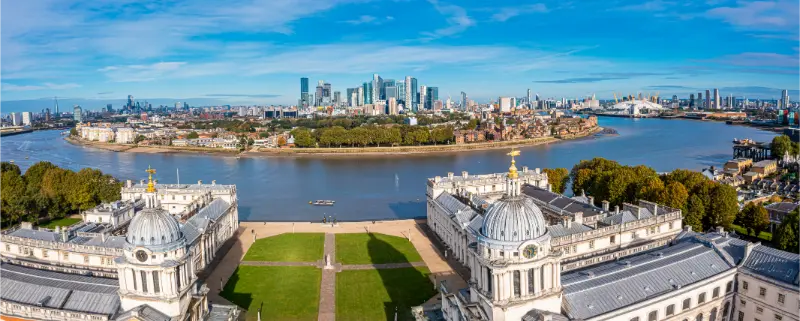
    Greenwich Park provides a classic view across the Queen’s House towards Canary Wharf and the City after a real uphill walk. Primrose Hill offers a broad skyline from north London, while Parliament Hill on Hampstead Heath feels more expansive and local.

    Some City buildings provide free elevated viewing spaces but use reservations and security checks. Availability and access change, so consult the official venue rather than building a trip around an old social-media post. A ground-level bridge view can be just as memorable and requires no slot.

    Enjoy the royal parks and gardens

    St James’s Park is perfect between Buckingham Palace and Westminster. Hyde Park and Kensington Gardens offer longer walks, the Serpentine and room for a picnic. Regent’s Park has formal gardens, and Richmond Park feels almost rural, with wild deer that must be given plenty of space.

    River Thames London

    The Royal Parks website publishes opening times, events and safety notices. Pack food from a supermarket or bakery and turn the park into a budget lunch stop. In wet weather, paths and lawns can be muddy, so the glamorous London photograph may require practical shoes.

    Browse markets without treating them as museums

    Portobello Road, Camden, Borough, Greenwich and Spitalfields can be explored without an entry ticket, though each tempts spending. The experience is strongest when the market is active, so check trading days. Arrive early for photography and easier movement.

    You do not need to eat a full meal at the most famous stall. Share one item, compare prices and explore the surrounding streets. Borough pairs with the Thames; Portobello belongs with Notting Hill; Spitalfields connects naturally to the City and Brick Lane.

    Discover churches, courtyards and historic streets

    London’s smaller pleasures include the courtyards of the Inns of Court when publicly accessible, City churchyards, colourful mews and old lanes. Access can be restricted by working hours, services or private property. Enter respectfully and never treat a resident’s doorstep as a photo studio.

    St Dunstan in the East is a well-known ruined church garden in the City. Leadenhall Market is visually striking outside its busiest lunch period. Little Venice, Regent’s Canal and the streets of Hampstead offer longer free walks that feel far from the ceremonial centre.

    Watch London rituals carefully

    The Changing of the Guard and other ceremonial moments can be free, but schedules change. Use the official Household Division information and arrive with realistic expectations. The best experience is not necessarily pressed against the palace gates; parts of the movement can be seen from surrounding routes.

    Street performers in Covent Garden and the South Bank add spontaneous entertainment. Performances are free to watch, but contributing is courteous if you stay. Avoid blocking pavements or entrances while filming.

    Canary Wharf from Greenwich Park London

    Build a genuinely cheap day

    Combine one museum, one long walk, a park or market and a low-cost meal. Bring a refillable bottle and use public drinking-water points where available. Travel by contactless or Oyster rather than individual paper tickets, and plan the day in one zone cluster.

    For example, begin at the National Gallery, walk through St James’s Park to Westminster, cross the river and follow the South Bank to Tate Modern. This includes art, royal London, the Thames and skyline views with no attraction admission. The main things-to-do guide helps decide where one paid highlight might add the most value.

    Two free day plans that actually flow

    For a classic central day, begin in Trafalgar Square and spend a focused morning in the National Gallery. Walk through Admiralty Arch and St James’s Park to Westminster, cross the bridge and continue along the South Bank. Finish at Tate Modern or cross the Millennium Bridge for views of St Paul’s. Food and transport are the only necessary costs.

    For a more local day, begin on Hampstead High Street, climb towards Hampstead Heath and enjoy the panorama from Parliament Hill. Continue through park paths and residential streets, respecting private homes, then use a bus to see north London from street level. Check daylight and weather because the heath is less enjoyable in poor conditions.

    A Greenwich day can also remain inexpensive. Explore the market without obligation to buy, walk through the historic centre, visit a free maritime collection and climb the park for the skyline. The journey itself costs money, but the main experiences do not. Bring lunch or set a firm market budget.

    Free days benefit from one small planned treat. A coffee, bakery stop or boat segment can give the day structure without turning it into an expensive attraction marathon. Decide the treat in advance so repeated impulse purchases do not quietly exceed the price of the museum or viewpoint you avoided.

    Check temporary exhibitions, public art and festival programmes before arrival. Free cultural events appear throughout the year, but they may require advance registration even when no payment is taken. Reserve only those that fit an existing geographic plan; a free event on the opposite side of London can still consume valuable time and transport.

    Colorful Houses and Cobblestone Alley Notting Hill London

    Common mistakes to avoid

    • Assuming free attractions never require a reservation.
    • Trying to see several huge museums in one day.
    • Spending more on cross-city transport than a geographic plan requires.
    • Entering private residential spaces for photographs.
    • Forgetting that special exhibitions, tours and donations are separate from free general admission.

    ‘Free’ does not mean ‘no planning’. Popular museums may recommend a free timed booking, free viewpoints can release limited slots, and a no-cost walk can be miserable at the wrong time if a ceremony or event blocks the route. Treat booking friction as separate from price. Reserve the free places that need it, then keep genuinely open public spaces—parks, neighbourhoods and riverside walks—as your flexible parts of the day.

    Practical planning checklist

    • Confirm opening days and last admission on official websites.
    • Save bookings and the accommodation address for offline access.
    • Check the live TfL journey planner before leaving each morning.
    • Keep one indoor and one outdoor option in the same area.
    • Use the same contactless card or device consistently for eligible journeys.
    • Allow time for security, meals, station corridors and unplanned discoveries.

    Use free attractions to create balance, not to avoid spending at all costs. A morning in a national museum pairs well with a paid afternoon landmark; a free skyline viewpoint can replace an observation deck if the weather is uncertain. If you value a museum and can afford it, a donation or café/shop purchase supports the institution without turning free admission into an obligation.

    Continue planning your London trip

    Frequently asked questions

    What is the best free museum?

    It depends on your interests. The National Gallery suits European painting, Tate Modern modern art, the British Museum world history, and South Kensington museums science, nature and design.

    Are London parks free?

    The major public and royal parks are generally free to enter, though specific events, attractions and facilities may charge.

    Can I visit a free viewpoint without booking?

    Some hills and bridges need no booking; indoor high-level viewpoints may require timed reservations. Check current official rules.

    How much can a budget visitor save?

    A great deal by combining free collections and walks, but accommodation, food and transport remain significant. Budget for essentials first and choose one or two paid priorities.

    Final thoughts

    London is unusually generous to travellers who enjoy museums, architecture, parks and walking. The real skill is choosing free experiences that fit your interests and geography instead of collecting them because they cost nothing. A focused free day can feel far richer than an expensive day built around tickets you never really wanted.

    Free-entry policies and advance-booking systems can change, so check the official venue page before travelling even when no admission charge is expected.

  • Getting Around London: Tube, Bus, Contactless and Oyster Explained

    Getting Around London: Tube, Bus, Contactless and Oyster Explained

    London’s transport map looks complicated because the network is extensive, not because visitors need to master every line. In practice, most trips involve choosing a sensible route, using one payment method consistently and allowing more time than the app’s perfect connection suggests.

    This guide focuses on decisions a visitor actually has to make: contactless or Oyster, Tube or bus, when zones matter, how fare capping works and what to do when lifts, lines or stations are disrupted. Always check live service information and current fares on Transport for London before relying on a detail.

    London trip at a glance

    ModeBest useRemember
    TubeFast cross-city journeysTouch in and out
    Elizabeth lineFast east-west travel and HeathrowLooks like rail; same touch rules
    BusViews, short trips, step-free boardingTouch in only
    DLRDocklands, Greenwich links, London City AirportTouch in and out
    London OvergroundUseful orbital connectionsTouch in and out
    WalkingCentral clusters and river routesOften faster than one short stop

    Contactless or Oyster?

    A contactless bank card or compatible device is usually simplest for an adult visitor. Use the same physical card or the same device throughout the day; a phone wallet and the plastic card linked to it may be treated as different payment tokens. Each passenger needs a separate card or Oyster.

    Oyster is useful when your foreign card charges fees, does not work reliably, or when a concession or visitor product makes it appropriate. It requires a balance and may involve an initial card cost. Do not buy it automatically because an old guide says every tourist needs one. Review the current options on TfL fares and payment guidance.

    How daily and weekly capping works

    Pay-as-you-go travel is capped when eligible journeys using the same payment method reach the relevant limit. The amount depends on zones and services used. This makes spontaneous extra journeys less intimidating, but it does not mean every transport product is included.

    Weekly contactless capping normally follows a fixed Monday-to-Sunday period, which may not suit a stay beginning later in the week. For reference, TfL’s current 2026 adult pay-as-you-go cap for Zones 1–2 is £8.90 per day and £44.70 Monday to Sunday; those caps are stated as frozen until 2027. The adult bus/tram pay-as-you-go fare is currently £1.75, with the one-hour Hopper fare using the same payment method. Recheck these figures before travel because fare policy can change.

    Touching in and out correctly

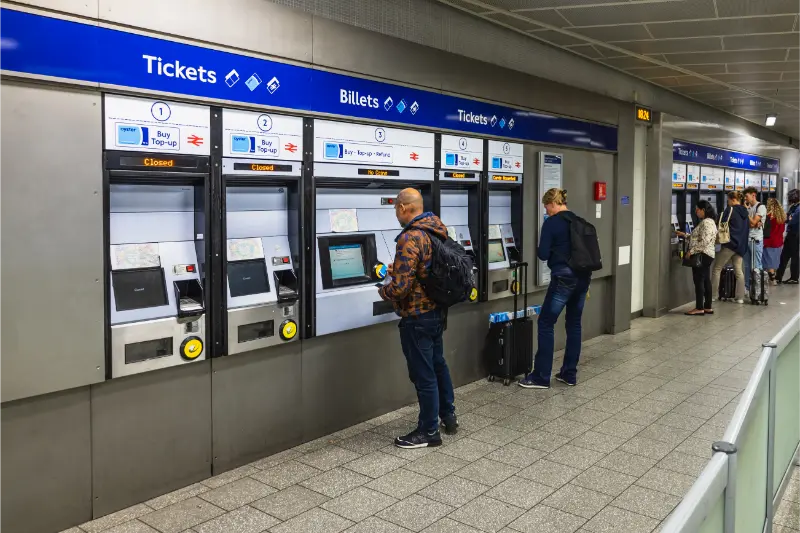
    At Tube, DLR, Elizabeth line, Overground and most rail stations, touch the yellow reader at the start and end. An open gate does not mean you should skip the reader. Missing a touch can create an incomplete journey and a maximum fare. At interchange readers, follow signage and touch where instructed.

    On buses and trams, the procedure differs; on London buses, touch when boarding and do not touch out. Keep the payment method available until you have completed the journey. If an inspector checks, you must present the same card or device used to travel.

    When the Tube is best—and when it is not

    The Tube is excellent for long central journeys and predictable connections, but it is not automatically fastest for one stop. Station corridors, escalators and waiting time can make a ten-minute walk quicker. In central areas, compare the walking option before descending underground.

    London Skyline Travel Illustration

    Some stations have many stairs or complicated changes. Travellers with luggage, pushchairs or mobility needs should use TfL’s step-free maps and journey planner. ‘Step-free to platform’ and ‘step-free to train’ are not always identical, and a small gap or step may remain.

    Why visitors should use buses

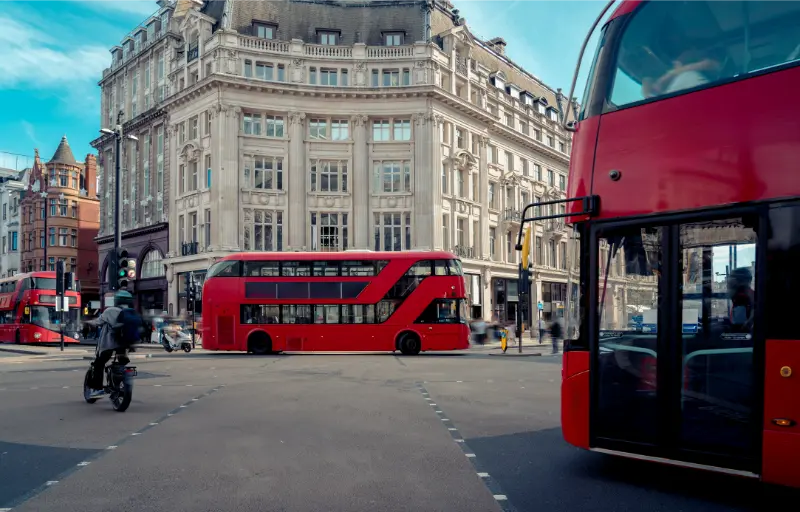
    Buses offer street views, frequent stops and step-free boarding. They are useful along routes where the Tube requires an awkward change, and they provide a rest from walking without losing the sense of place. The Hopper fare allows additional eligible bus or tram journeys within the specified time window; confirm current rules on TfL.

    Traffic makes buses slower at peak times, so do not use a long bus journey before a timed entry. Signal your stop in advance and watch the route display. Night buses are valuable after late events, but check the stop location because road works can move it.

    Zones without the confusion

    Most first-time sightseeing happens in Zones 1 and 2, while Heathrow lies farther out and several interesting districts sit beyond the core. Zones mainly affect fares; they are not a measure of neighbourhood quality or walking distance. A Zone 2 hotel near a fast line can be more convenient than a Zone 1 hotel with poor connections.

    You do not need to memorise boundaries. Enter your journey in the official planner and use one payment method. Be careful with routes that combine National Rail and TfL services, and check whether a special airport product follows normal capping rules.

    Walking, cycling and river services

    Walking is part of London transport. Westminster, Covent Garden, Soho and the South Bank contain clusters that are easier on foot than by repeated Tube journeys. Save offline map areas and keep a rough sense of the river, which helps orientation.

    Santander Cycles can be useful for confident urban cyclists, but central traffic is not a beginner lesson. River boats provide views and practical connections on selected routes, yet their fares and caps differ from the Tube. Treat the boat as a chosen experience rather than assuming it is included.

    Plan for disruptions

    Check the live TfL status before leaving, particularly at weekends when engineering work is common. A route planner may update, but knowing one alternative station makes changes less stressful. If a lift is essential, verify its status too.

    Red Double Decker Bus in Central London

    Build ten or fifteen minutes around timed attractions and more around airport travel. Download or screenshot the confirmation address; venue names can have several entrances. Our first-time London guide explains how to group days so one disrupted line does not ruin the itinerary. For arrival journeys use the airport transfer guide, and travellers who need step-free routes should keep the Accessible London guide alongside TfL’s live tools.

    Station etiquette and easier journeys

    Stand on the right of escalators and walk on the left where signs indicate. Move away from ticket gates before stopping to check a phone, and let passengers leave trains before boarding. These habits are not merely local etiquette; they reduce stress and keep a group together in busy stations.

    During peak periods, allow one train to go if the carriage is uncomfortably crowded. The next service is often close behind. Keep backpacks controlled, remove them if necessary and prepare to exit before the doors open. If your group becomes separated, agree in advance to meet on the platform at the next station rather than making impulsive moves.

    Use the correct station exit when the app supplies one. Large stations can release you several streets from the intended route, and some exits are closed at certain times. Look for wayfinding signs before relying on GPS underground, where the location can drift.

    For accessible travel, the TfL planner can filter routes, but live lift status still matters. Ask staff when unsure; they are accustomed to helping visitors. A bus may provide a simpler alternative to a nominally faster journey with multiple deep-level changes.

    Common mistakes to avoid

    • Switching between phone, watch and physical card during the same travel day.
    • Forgetting to touch out when gates are open.
    • Using one contactless card for multiple adults.
    • Taking the Tube for a journey that is a short, pleasant walk.
    • Assuming river services and airport expresses follow the same cap as normal Tube travel.

    The transport mistake that creates the most avoidable cost is switching payment media during the same day. If you start with a contactless card, keep using that same physical card—or the same phone/watch token—so TfL can apply the correct capping. A bank card and the same card loaded into a phone are treated as different payment methods. Also remember that rail journeys usually require both touch-in and touch-out even when the gates are open.

    Practical planning checklist

    • Confirm opening days and last admission on official websites.
    • Save bookings and the accommodation address for offline access.
    • Check the live TfL journey planner before leaving each morning.
    • Keep one indoor and one outdoor option in the same area.
    • Use the same contactless card or device consistently for eligible journeys.
    • Allow time for security, meals, station corridors and unplanned discoveries.

    For a normal sightseeing day, decide on the route rather than buying a transport product out of habit. Most adult visitors can simply use pay as you go. Check whether your bank charges foreign transaction fees, keep a backup payment method and download TfL Go for live status and step-free routing. Travelcards and Oyster still have use cases, but they should solve a specific need.

    Frequently asked questions

    Can two people share one Oyster card?

    Not for simultaneous travel. Each person needs their own valid payment method.

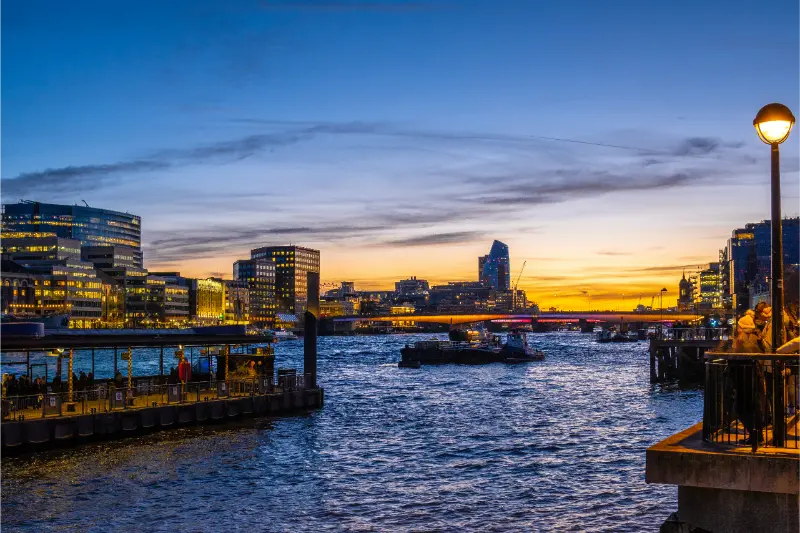
    London Skyline and River Thames at Sunset

    Do children travel free?

    Rules depend on age, service and whether they travel with an adult. Some concessions require an Oyster photocard. Check TfL for the child’s exact age before travel.

    Is the Tube safe at night?

    It is widely used, but apply normal city awareness, stay in populated areas and check the final service. Night Tube operation is limited to specified lines and nights.

    What if I am charged a maximum fare?

    Use your contactless or Oyster account, or TfL support, to review incomplete journeys. Keep the exact card or device details available.

    Final thoughts

    London transport becomes simple after the first two journeys: use one payment method, read the signs, allow time for interchanges and do not treat the Tube as the only option. Buses reveal the streets, the DLR changes the view of east London, and walking is often fastest inside compact clusters such as Westminster or Soho.

    TfL fares and caps are periodically revised; use TfL’s fare pages and Single Fare Finder for the exact prices that apply on your travel date.

    Transport planning for budget and accessibility

    For the spending side of TfL capping, see our London budget guide. If step-free access, lifts, platform gaps or lower-stress routes matter to your trip, use the dedicated Accessible London guide.

    Thinking about driving instead?

    If part of your trip needs a rental car, read our driving in London guide before collecting it. Congestion Charge, ULEZ, parking and tunnel charges can matter more than the rental price.

    Night services and disruption planning

    For late journeys and service problems, use our guides to London night transport and strikes, closures and disruptions.

  • London Airports to the City Centre: The Best Transfer for Each Airport

    London Airports to the City Centre: The Best Transfer for Each Airport

    London is served by six main airports, and the word ‘London’ in an airport name does not mean the terminal is close to Big Ben. The right transfer depends on your accommodation, arrival time, luggage and group size. A train that is fastest to one terminus may create an awkward second journey to your hotel.

    The times and lead fares below are planning indicators, not promises. Railway pricing, engineering work and flight schedules change, so always confirm the specific date on the official operator website. Compare the complete door-to-door route before paying extra for the service with the best advertisement.

    London trip at a glance

    AirportTypical main connectionUseful London arrival
    HeathrowElizabeth line, Piccadilly line, Heathrow ExpressPaddington or multiple central stations
    GatwickGatwick Express, Southern, ThameslinkVictoria, London Bridge, Blackfriars, St Pancras
    StanstedStansted Express or coachLiverpool Street / Stratford or several coach stops
    LutonLuton DART plus rail or coachSt Pancras and Thameslink stations
    London CityDLRBank, Tower Gateway and east London
    SouthendGreater Anglia railLiverpool Street

    Heathrow: three strong rail choices

    The Elizabeth line is often the best balance of speed, comfort and useful central stops. It serves Paddington and continues through the West End, City and east London, reducing changes for many hotels. The Piccadilly line is slower but can be convenient for South Kensington, Earl’s Court and parts of the West End, especially when the station is close to your accommodation.

    Heathrow Express runs non-stop from Heathrow Central to Paddington in about 15 minutes, with additional time to Terminal 5. The Elizabeth line is slower to Paddington but continues through central and east London; Heathrow Express currently describes the Elizabeth line journey to Heathrow Central from Paddington at around 27 minutes. Choose between them by hotel location, interchange effort and the fare on your date—not by speed alone. Check the official Heathrow Express journey information and TfL before travelling.

    Gatwick: choose Victoria or Thameslink strategically

    Gatwick has excellent rail connections despite lying outside the city. Gatwick Express runs to Victoria, while Southern services also use the route and Thameslink connects to London Bridge, Blackfriars, Farringdon and St Pancras. The best train is the one that minimises your final changes.

    Gatwick Express links Gatwick Airport with London Victoria in as little as about 31 minutes. Southern services also use Victoria and Thameslink can be much more convenient for London Bridge, Blackfriars, Farringdon and St Pancras, so the branded express is not automatically the best train for every hotel. Contactless is available on relevant Gatwick rail journeys; compare the live timetable and fare for your destination on the official Gatwick Express information and rail-planning tools.

    Stansted: rail speed versus coach flexibility

    Stansted Express links the airport with Tottenham Hale and London Liverpool Street. The operator currently quotes about 36 minutes to Tottenham Hale and 48 minutes to Liverpool Street. This is especially practical for the Victoria line at Tottenham Hale or for the City and Shoreditch from Liverpool Street. The operator states that Oyster and contactless pay-as-you-go are not valid for the airport journey, so buy the appropriate rail ticket and check the current timetable before travel.

    Coaches can cost less and serve several central stops, which may suit a hotel near Victoria or Marble Arch. Road traffic makes arrival times less predictable, particularly during commuting periods. For a late flight, verify the final service rather than relying on a general timetable screenshot.

    Luton: understand the DART connection

    Luton Airport’s rail journey involves the Luton DART between the terminal and Luton Airport Parkway, followed by a train towards London. This is much simpler than the old shuttle-bus arrangement, but it is still a two-stage process. Thameslink services are useful for St Pancras, Farringdon, Blackfriars and London Bridge.

    Gatwick Airport London

    A coach may be practical for some West End locations or when rail work is planned. Compare the exact hotel route and luggage handling. Ensure any rail ticket you buy covers the airport terminal connection rather than only Luton Airport Parkway.

    London City: closest and easiest for east London

    London City Airport sits much closer to the urban core than the other airports and connects directly to the Docklands Light Railway. Visit London places it about 9.5 kilometres east of central London, with DLR journeys into central connections often taking around 20 to 30 minutes.

    It is particularly convenient for Canary Wharf, the City and some Elizabeth line connections. The airport has a smaller route network, so airfare may be higher, but the time saved can be valuable on a short trip. Normal TfL payment rules apply on the DLR; remember to touch in and out.

    Southend: viable for the right flight

    Southend is the smallest of the six airports and has direct Greater Anglia trains towards Liverpool Street. It can work well for accommodation in the City or east London when the flight schedule is attractive. It is less convenient for west London, where the onward journey adds time.

    Because flights and frequencies can be limited, check the backup options before booking. A late delay matters more when the final train frequency is low. Compare the full trip cost against a flight to a more convenient airport.

    Taxi, ride-hailing or private transfer?

    A black cab or pre-booked car can make sense for a family or group with substantial luggage, for travellers with mobility needs, or after a late arrival. The apparent simplicity should be balanced against road traffic and airport pickup charges. Use licensed services and follow the airport’s official pickup instructions.

    Never accept an unsolicited ride from someone approaching you in the terminal. For most solo travellers and couples, rail is faster and less expensive. For four people heading to one address, a pre-booked quote may be competitive once separate rail fares and the final connection are considered.

    My door-to-door comparison method

    Write down the airport terminal, hotel postcode, scheduled landing time and realistic exit time. Compare routes at that time of day, including platform changes, stairs and the walk from the final station. Then price the entire group, not a single passenger.

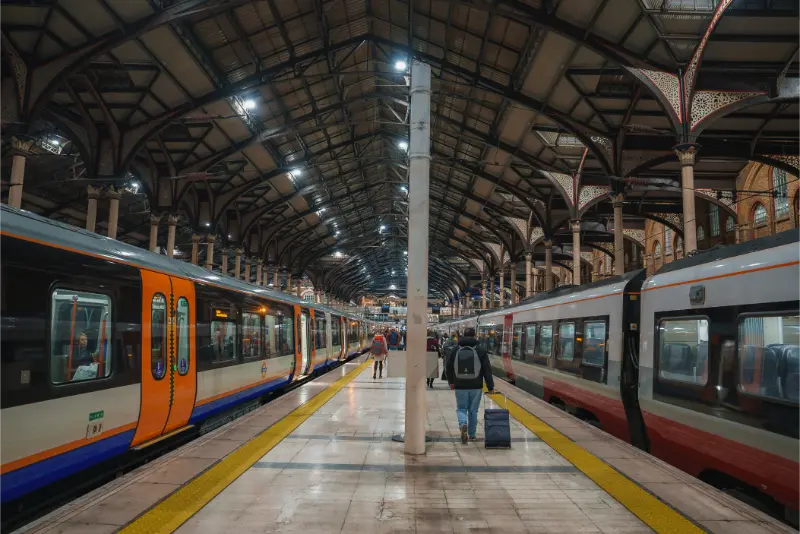
    Victorian London Railway Station Platform

    Keep a backup route and avoid non-refundable transfers with an unrealistically tight departure. On the way home, build in airline check-in guidance plus a disruption margin. Our public transport guide explains contactless and Oyster after the airport journey; the where to stay guide helps you judge which airport rail terminus actually suits your hotel, while the first-time London guide covers arrival-day pacing.

    Luggage, accessibility and late arrivals

    The fastest route on paper may include stairs, a long interchange or a crowded commuter platform. Use operator accessibility information if you have heavy luggage, a pushchair or reduced mobility. A route five minutes slower with one level change can be far more comfortable than the headline express followed by a difficult Underground transfer.

    After an evening arrival, verify the last train and allow for passport control and baggage delivery. Do not assume a scheduled landing time represents the moment you reach the station. Save the coach stop or taxi pickup instructions because large terminals often separate services across different levels or buildings.

    On departure day, check planned rail work again even if you researched it while booking. Engineering schedules can be confirmed or adjusted closer to travel. Keep the airline terminal in the route search: arriving at the wrong Heathrow or Gatwick terminal adds an avoidable transfer at the most stressful moment.

    If disruption occurs, follow airport and operator staff rather than strangers offering transport. Compare official alternatives, keep receipts when travel insurance may apply and contact the accommodation if arrival will fall outside reception hours. A calm backup plan is more valuable than an inflexible prepaid promise.

    Common mistakes to avoid

    • Choosing a flight by fare alone and ignoring a long, expensive airport transfer.
    • Comparing terminal-to-station times rather than door-to-door journeys.
    • Buying a ticket only to Luton Airport Parkway instead of the terminal.
    • Assuming road transfers will match their best-case duration at rush hour.
    • Leaving the return journey to the airport without a disruption margin.

    Airport transfers fail when travellers compare only the headline train time. Add the walk from arrivals, terminal-to-station time, waiting, the London interchange and the final walk to the hotel. A 15-minute express to Paddington is excellent for a Paddington-area hotel, but may lose its advantage if you then cross the city with luggage. Choose the route that minimizes the whole door-to-door journey, especially after a long flight.

    Practical planning checklist

    • Confirm opening days and last admission on official websites.
    • Save bookings and the accommodation address for offline access.
    • Check the live TfL journey planner before leaving each morning.
    • Keep one indoor and one outdoor option in the same area.
    • Use the same contactless card or device consistently for eligible journeys.
    • Allow time for security, meals, station corridors and unplanned discoveries.

    Check the transfer again 24–48 hours before flying. UK rail engineering work is common on some weekends and late evenings, and an airport train that is normally ideal may be replaced or diverted. Save the operator page, know your backup route and avoid booking a city attraction so soon after landing that a modest flight delay turns into a lost ticket.

    Private transfers: when they make sense

    Rail is usually the simplest option for solo travellers and couples, but groups, very late arrivals or travellers with substantial luggage may prefer a pre-booked car. compare London airport transfers on GetYourGuide and compare the total door-to-door cost with rail before paying.

    London Skyline and River Thames at Sunset

    Frequently asked questions

    Which airport is closest to central London?

    London City Airport is geographically closest and has a direct DLR connection. The best airport for you still depends on flight options and hotel location.

    Is Heathrow Express always the best Heathrow transfer?

    No. It is fast to Paddington, but the Elizabeth or Piccadilly line may take you closer to your hotel with no change.

    Can I use contactless from the airports?

    Contactless works on many rail routes, including TfL services and several National Rail airport journeys, but not every coach or special ticket product. Check the operator for your exact route.

    How early should I leave London for the airport?

    Follow the airline’s arrival recommendation, then add the full transfer time and a sensible disruption buffer. Early mornings and planned engineering work need special attention.

    Final thoughts

    London’s six main airports are not interchangeable. Heathrow rewards travellers heading west or onto the Elizabeth line; Gatwick works well for Victoria and Thameslink-served districts; Stansted suits Liverpool Street and Tottenham Hale connections; Luton uses rail plus the DART; City is unusually close to the urban core. The best airport is therefore partly a hotel-location decision, not just an airfare decision.

    Airport rail timetables, fares and engineering work change. Use the airport and train operator websites for your exact travel date rather than relying on an old quoted fare.

    Staying near Paddington?

    Our Paddington neighbourhood guide explains Little Venice, canals, parks and how the area works as a base after arriving from Heathrow.

    Detailed airport transfer guides

    For route-by-route planning, continue with our Heathrow transfer guide, Gatwick transfer guide, Stansted transfer guide and Luton transfer guide.

  • Where to Stay in London: Best Areas for Every Type of Trip

    Where to Stay in London: Best Areas for Every Type of Trip

    Where you stay in London shapes the trip more than the star rating on the hotel door. The city is too large for a single ‘perfect centre’, and two addresses both described as central can produce completely different daily journeys. The best area is the one connected to your priorities.

    I compare neighbourhoods by transport, atmosphere, evening convenience and trade-offs. Prices change constantly, so this guide does not rank individual hotels. Instead, it helps you recognise a genuinely practical location when you find an accommodation offer.

    London trip at a glance

    AreaBest forMain trade-off
    BloomsburyFirst visits, museums, rail linksQuieter nightlife
    South BankRiver views and sightseeingPremium prices in prime locations
    VictoriaTransport and short staysSome streets feel businesslike
    PaddingtonHeathrow access and familiesLess evening atmosphere
    Covent Garden / SohoTheatre, dining, walkingCost and noise
    South KensingtonMuseums and elegant streetsExpensive; quieter late evening
    ShoreditchNightlife and creative LondonNoise; less classic atmosphere
    GreenwichSlower stays and familiesLonger ride to west London

    Bloomsbury: balanced and convenient

    Bloomsbury is one of my favourite first-visit bases because it feels central without placing you in the loudest entertainment streets. The British Museum is nearby, and stations around Russell Square, Holborn, Euston and King’s Cross connect to different parts of the city. Garden squares give the district a calmer rhythm.

    The exact station matters. A hotel marketed as Bloomsbury may sit closer to Euston Road or Holborn, which changes your useful routes. The area suits travellers who value museums, bookshops and straightforward transport. It is less suitable if your priority is nightlife outside the door.

    Hotels worth comparing: The Bloomsbury Hotel (upscale central option close to the British Museum and West End); The Montague on the Gardens (boutique-style choice on a quieter garden-square setting); and Royal National Hotel (large practical option that can work for families and value-conscious stays). Hotel prices and room types change by date, so compare the exact room, cancellation terms and recent reviews before booking.

    South Bank and Bankside: London at the window

    Staying south of the Thames near Waterloo, London Bridge or Bankside puts river walks, theatres, Borough Market and several landmarks within easy reach. The evening skyline is a genuine advantage, and walking can replace many short transport journeys.

    The trade-off is price, especially for rooms with views, and some stretches feel busy during events. Check which bridge or station is actually closest. ‘South Bank’ covers a long area, and walking from Lambeth to London Bridge is not the same as stepping outside beside your chosen attraction.

    Hotels worth comparing: Park Plaza County Hall London (family-friendly base near the London Eye and Waterloo); London Marriott Hotel County Hall (higher-end choice for landmark views and a special stay); Novotel London Waterloo (practical mid-range option for families and sightseeing); and Ruby Lucy Hotel London (more design-led option close to Waterloo and the South Bank). Hotel prices and room types change by date, so compare the exact room, cancellation terms and recent reviews before booking.

    Victoria and Westminster: efficient for short trips

    Victoria is practical for travellers using Gatwick services or coaches, and it offers walkable access to Buckingham Palace and Westminster. It works particularly well for a two- or three-night stay when transport efficiency matters more than neighbourhood charm.

    Street character changes quickly. Some blocks are polished and expensive; others are dominated by hotels and offices. Look at recent guest comments about noise and room size. Westminster addresses can be costly and surprisingly quiet at night, which may be ideal for sightseeing but less appealing for casual dining.

    Hotels worth comparing: The Clermont London, Victoria (very convenient for Victoria Station and short city breaks); Riu Plaza London Victoria (modern option that works well for sightseeing and transport); and Rubens at the Palace (more traditional higher-end stay beside Buckingham Palace). Hotel prices and room types change by date, so compare the exact room, cancellation terms and recent reviews before booking.

    Paddington and Bayswater: airport convenience

    Paddington is a logical base for Heathrow connections via the Elizabeth line or Heathrow Express. It also offers Tube routes and easy access to Hyde Park. Families often appreciate aparthotels and restaurants around Paddington and Bayswater, while Notting Hill lies nearby.

    Do not book solely because an express train terminates here. If most of your trip is in east or southeast London, another base may save more time overall. Around any major station, inspect the precise street and room reviews rather than assuming all nearby blocks feel alike.

    Hotels worth comparing: Point A Hotel London Paddington (compact value-focused option near Paddington); The Westbourne Hyde Park (aparthotel-style option useful for longer or family stays); Hilton London Paddington (higher-end station-side choice for maximum transport convenience); and Blakemore Hyde Park (mid-range alternative between Bayswater and Hyde Park). Hotel prices and room types change by date, so compare the exact room, cancellation terms and recent reviews before booking.

    Covent Garden, Soho and the West End: maximum atmosphere

    These areas place theatre, restaurants, Chinatown, Trafalgar Square and shopping within walking distance. They are excellent for visitors who want to leave a show and continue the evening without a long journey. First-time sightseeing is easy, and the streets feel unmistakably London.

    You pay for that convenience. Rooms can be small, and late-night noise, deliveries and crowds are real. Ask for a room away from the street if sleep matters. A hotel several blocks outside the busiest core may deliver nearly the same convenience with a calmer night.

    Hotels worth comparing: The Resident Covent Garden (well-located boutique option for theatres and first visits); NoMad London (luxury design-led choice in the heart of Covent Garden); The Resident Soho (central boutique option that keeps most of the West End walkable); and Hazlitt's (characterful historic choice for couples and repeat visitors). Hotel prices and room types change by date, so compare the exact room, cancellation terms and recent reviews before booking.

    South Kensington and Earl’s Court: museums and elegance

    South Kensington is ideal for the Natural History Museum, Science Museum and V&A, with elegant architecture and access to parks. Earl’s Court can offer a broader range of prices while retaining good transport. These districts suit couples, families and museum-focused trips.

    Dining can be expensive in the most polished streets, and travel to the City takes longer than a map suggests. Check planned engineering work if you rely heavily on one Tube line. For children, proximity to a park or museum can be worth more than shaving a few minutes from every central journey.

    Hotels worth comparing: The Ampersand Hotel (boutique choice close to South Kensington station and museums); The Milestone Hotel Kensington (luxury option near Kensington Gardens); ibis Styles London Gloucester Road (value-conscious choice with strong District and Piccadilly line access); and Holiday Inn London Kensington High St. by IHG (larger mid-range option near High Street Kensington). Hotel prices and room types change by date, so compare the exact room, cancellation terms and recent reviews before booking.

    Shoreditch and the East End: food, art and nightlife

    Shoreditch, Spitalfields and nearby east-London districts suit repeat visitors and travellers who prioritise restaurants, bars, markets and contemporary culture. Connections from Liverpool Street are excellent, including the Elizabeth line, while the City is walkable.

    This is not the quiet choice. Weekend streets can be loud, and the atmosphere is very different from ceremonial London. Read location reviews carefully and decide whether nightlife outside the hotel is an advantage or a warning. Families can enjoy the area by day but may prefer a calmer base.

    Hotels worth comparing: citizenM London Shoreditch (design-led option for nightlife and a lively East London base); Montcalm Royal London House, Autograph Collection (higher-end choice near the City and Shoreditch); Point A Hotel London Shoreditch (compact value-focused option); and Point A London Liverpool Street (practical budget-conscious base near Liverpool Street). Hotel prices and room types change by date, so compare the exact room, cancellation terms and recent reviews before booking.

    Greenwich: a slower London experience

    Greenwich feels distinct, with maritime history, a market, park views and riverside space. It can be a wonderful base for families or longer stays, especially when accommodation offers more room than the West End. DLR, rail and boats make the journey part of the experience.

    The distance becomes noticeable if your plans focus on Kensington, Notting Hill or repeated West End evenings. Choose Greenwich because you want its atmosphere, not simply because a room is cheaper. Plan days geographically and avoid returning across London between every activity.

    Hotels worth comparing: InterContinental London – The O2 by IHG (higher-end riverside option suited to events and a special stay); ibis London Greenwich (practical value choice near central Greenwich); and Holiday Inn Express London Greenwich by IHG (straightforward family-friendly option with predictable facilities). Hotel prices and room types change by date, so compare the exact room, cancellation terms and recent reviews before booking.

    How to assess a hotel listing

    Open the map and trace the actual walking route from the entrance to the station. A short straight line may hide a major road, stairs or an inconvenient crossing. Then search the journey to the attraction you expect to visit first and the district where you may spend an evening. This reveals more than a vague claim such as ‘minutes from central London’.

    Read recent reviews for repeated practical issues: street noise, lift reliability, room temperature, luggage storage and breakfast queues. Ignore isolated complaints, but pay attention when different guests describe the same problem. Check whether the lowest price is refundable and whether taxes, breakfast or extra beds are included.

    Bloomsbury London

    Apartment-style accommodation can help families and longer stays, but confirm legal operation, reception arrangements and what happens after a delayed flight. A staffed hotel may be worth more when arrival time is uncertain. Never send payment outside a trusted booking process because a message claims your reservation will otherwise be cancelled.

    Finally, look at the late-evening route. A pleasant ten-minute walk in daylight can feel different after a show, particularly with children or luggage. Street View, station exit information and recent neighbourhood reviews help you make a calm decision without judging an entire area by reputation alone.

    Common mistakes to avoid

    • Booking by borough name without checking the exact walking route to a station.
    • Choosing the cheapest outer-zone hotel and ignoring daily travel time.
    • Assuming every central street is quiet after midnight.
    • Paying for an airport express location that does not suit the rest of the itinerary.
    • Ignoring lift access, stairs and luggage logistics at the nearest station.

    The biggest accommodation mistake is choosing by postcode label alone. ‘Central London’ can still mean an awkward walk to the useful station, while a Zone 2 hotel beside a fast Tube or Elizabeth line stop can be easier every morning. Plot the hotel entrance, not just the neighbourhood name, and test one realistic route to the places you care about. Also check the late-evening walk from the station; a five-minute difference matters more after a West End show than it does on a booking map.

    London South Bank and Waterloo Aerial View

    Practical planning checklist

    • Confirm opening days and last admission on official websites.
    • Save bookings and the accommodation address for offline access.
    • Check the live TfL journey planner before leaving each morning.
    • Keep one indoor and one outdoor option in the same area.
    • Use the same contactless card or device consistently for eligible journeys.
    • Allow time for security, meals, station corridors and unplanned discoveries.

    Before paying a non-refundable rate, check room size, air-conditioning if travelling in summer, lift access, breakfast conditions, luggage storage and the exact cancellation terms. London hotel rooms vary enormously within the same star category. Families should also confirm the real bed configuration rather than assuming ‘family room’ means separate proper beds.

    Continue planning your London trip

    Compare accommodation by exact location

    After choosing the neighbourhood, compare London accommodation on Booking.com. Check the map position, nearest useful station and cancellation terms instead of filtering only by star rating.

    Frequently asked questions

    Is Zone 2 too far?

    No. A direct, frequent Zone 2 connection can be better than an awkward Zone 1 address. Look at door-to-door time to your likely evening area.

    Which area is best for families?

    Paddington, South Kensington, Bloomsbury and Greenwich are strong options, depending on budget and plans. Prioritise room layout, a nearby park and simple transport.

    Paddington Station London

    Where should nightlife lovers stay?

    Soho puts classic West End nightlife on the doorstep, while Shoreditch offers a more east-London scene. In both cases, noise is part of the decision.

    Should I stay near the airport?

    Usually only for a very early departure, late arrival or overnight connection. For a sightseeing trip, a well-connected London base is more useful.

    Final thoughts

    The right London base is the one that removes friction from your particular trip. A museum-heavy stay, a theatre weekend and a family visit do not need the same neighbourhood. Spend less time asking which district is ‘best’ and more time matching a station, evening atmosphere and room type to the days you actually plan to have.

    Colorful Houses and Cobblestone Alley Notting Hill London

    Hotel inventory, rates and transport works change constantly; recheck the property’s current facilities and the relevant TfL route before committing to a non-refundable booking.

    Planning for solo travel or accessibility

    If you are choosing a base specifically for an independent trip, see our solo London guide. Travellers who need step-free transport or specific hotel features should also use the Accessible London guide before booking.

    Narrow the area first, then compare the actual hotel

    Once two or three neighbourhoods look right, compare the hotel itself rather than collecting more area names. Room size, air conditioning, lift access, family-room configuration, cancellation terms and the exact walk to the nearest useful station can matter more than a small difference in nightly price.

    For a more targeted shortlist, use the first-time visitor accommodation guide, the family accommodation guide or the budget accommodation guide. All three are already published and approach the same decision from a different type of trip.

    Check real prices for your datesCompare location, room type, cancellation terms and recent guest reviews before you book.
    Compare London hotels on Booking.com →
    Compare more hotel options on Expedia Useful for checking alternative rates, flexible stays and flight + hotel combinations.

    Affiliate widget. DreamingLondon may earn a commission from qualifying bookings at no extra cost to you.

  • Best Things to Do in London: Icons, Neighbourhoods and Local Experiences

    Best Things to Do in London: Icons, Neighbourhoods and Local Experiences

    The best things to do in London are not all attractions. Some require a ticket and a security queue; others happen while you walk between two places and notice a hidden courtyard, an old pub or a sudden view of the river. A good London trip mixes both kinds.

    This selection is organised by experience rather than popularity ranking. It helps first-time visitors choose the icons that deserve time while also making space for museums, neighbourhoods and slower moments. Opening arrangements and prices change, so use the linked official websites before reserving a fixed slot.

    London trip at a glance

    ExperienceWhy it belongsTypical time
    Westminster walkThe classic royal and political skyline2–4 hours
    Tower of LondonLayered history and Crown Jewels2–3 hours
    Thames walkFree views and flexible stops1–4 hours
    Major museumWorld-class collections, often free2–3 hours
    Neighbourhood marketFood and local atmosphere1–2 hours
    Royal parkSpace, gardens and a slower pace1–3 hours

    See Westminster on foot

    Begin around Green Park or Victoria and connect Buckingham Palace, St James’s Park, Parliament Square and the Thames. Walking reveals how close the ceremonial core actually is. Check official schedules if you hope to see a guard ceremony; arriving at random can mean waiting in a crowd for an event that is not taking place.

    Westminster Abbey is the major interior visit in this cluster. If its history and architecture are priorities, reserve enough time instead of squeezing it between photographs. Parliament tours and access vary by date. The exterior route remains rewarding and costs nothing, especially early in the morning or when evening light reaches the river.

    Enter the Tower of London and cross Tower Bridge

    The Tower is one of the paid sights that can justify both its cost and a large part of a morning. Go near opening, see the Crown Jewels before queues peak, then explore the walls, towers and stories that interest you most. The official Historic Royal Palaces site publishes tickets, access information and planned closures.

    Tower Bridge is often confused with London Bridge. Walking across Tower Bridge at road level is free; the exhibition and glass walkways require a ticket. From the south bank, continue towards Shad Thames or west towards Borough Market. This area combines naturally with the City rather than with far-west attractions such as Kensington.

    Walk the Thames instead of only riding under it

    The Thames provides London’s clearest orientation line. The South Bank between Westminster and Tower Bridge offers theatre buildings, Tate Modern, views of St Paul’s, historic wharves and several pedestrian bridges. You can walk a short section or make it the spine of an entire day.

    A river boat changes the perspective and can also serve as transport, but check whether the fare is included in any product you plan to use. If your budget is tight, crossing bridges and walking the embankments delivers many of the same skyline moments for free. Our free London guide includes several river-based routes.

    Choose a museum with intention

    The British Museum, National Gallery, Natural History Museum, Science Museum, Tate Modern and V&A could each occupy most of a day. General collections at the major national museums are normally free, while temporary exhibitions may charge. Choose one according to curiosity, not obligation, and identify a few rooms before arrival.

    Families often enjoy the Natural History Museum and Science Museum, but busy galleries can be intense. Adults interested in design may prefer the V&A, while art lovers can pair the National Gallery with Trafalgar Square. Always check the official site for recommended booking, bag rules and gallery closures.

    Portobello Road Market Notting Hill London

    Experience at least one market

    Borough Market is convenient for a food-focused stop near the Thames, but it becomes crowded around lunch. Camden offers a larger, more commercial mix beside the canal. Portobello Road changes character according to the day, while Greenwich combines stalls with maritime sights and a park. Spitalfields works well with the East End and City.

    A market is best treated as part of its neighbourhood, not an isolated attraction. Arrive before the busiest meal period, browse first and then choose food. Check trading days because a market name can refer to a district that remains lively even when not every stall is present.

    Spend time in a park

    St James’s Park fits naturally into a Westminster day. Hyde Park and Kensington Gardens suit a longer west-London pause. Regent’s Park combines formal gardens with routes towards Primrose Hill, while Greenwich Park rewards the climb with a famous city view. Richmond Park is a destination of its own and requires more travel.

    Parks are useful itinerary buffers: they do not punish late arrival, and you can shorten or lengthen the visit. They are also where a packed sightseeing plan begins to feel like a holiday. Respect wildlife, keep distance from deer and confirm park notices through The Royal Parks.
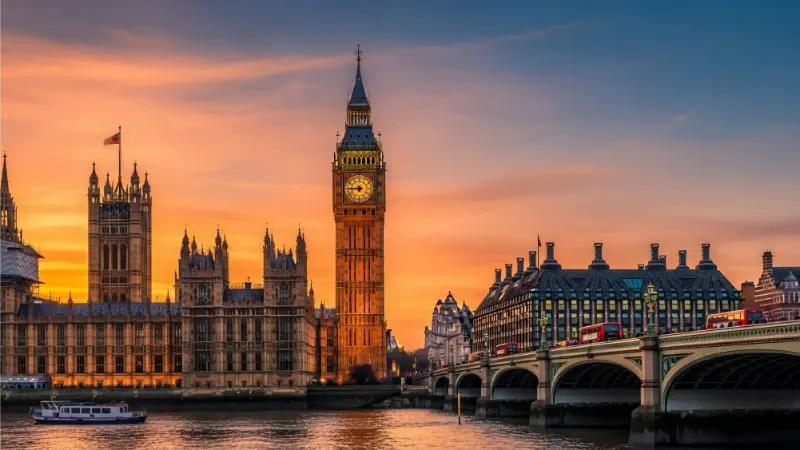
    Explore one neighbourhood beyond the monuments

    Notting Hill, Hampstead, Greenwich, Shoreditch, Richmond and Brixton offer very different versions of London. Pick one that matches your interests. A neighbourhood visit should include ordinary streets and local businesses, not only the most photographed corner.

    Allow time to wander but use a loose route so that you do not finish far from a useful station. Early morning suits residential streets; late afternoon and evening are better for food districts. Our area guide also explains which neighbourhoods make practical bases.

    Add a London evening

    A West End performance is the obvious choice, but it is not the only one. Consider live music, a small theatre, an evening museum opening, a riverside walk or a historic pub. Book a specific production if it matters; otherwise, keep one night open for weather and energy.

    After dark, use well-lit routes and plan the journey back before the last part of the evening. Night buses cover the city, and some rail services run later on selected lines and nights, but never assume your daytime route operates identically overnight. Check TfL on the day.

    How to choose between similar experiences

    London offers several versions of the same broad experience: historic church interiors, skyline viewpoints, food markets, royal sites and modern art spaces. Paying for every version rarely adds proportionate value. Choose one lead experience in each category, then enjoy the others from outside or save them for a future visit.

    Camden Lock Market Aerial View London

    For a view, decide whether you want height, history or atmosphere. For a market, decide whether food, antiques or neighbourhood character is the priority. For royal London, decide whether an interior visit matters or the ceremonial streets are enough. These small questions turn a long attraction list into a trip that reflects your interests.

    Also consider the emotional rhythm of the day. Two security-heavy attractions in succession can feel tiring even when both are excellent. Follow an intense historic site with a park, market or river walk. Alternate looking at exhibits with moving through the city; this is how London remains vivid instead of becoming a sequence of queues.

    If you are travelling with other people, give each person one protected choice. Combine those choices geographically, but do not let the loudest traveller design every day. Shared trips work better when everyone knows that at least one experience belongs to them.

    Common mistakes to avoid

    • Selecting attractions from a generic top-ten list without matching them to personal interests.
    • Paying for several skyline viewpoints when one carefully chosen view is enough.
    • Visiting markets at peak lunch time with luggage or a large group.
    • Trying to complete an entire national museum in one visit.
    • Forgetting that many rewarding London experiences are free and outdoors.

    Do not turn a ‘best things to do’ list into a shopping basket. Choose experiences from different categories: one major historic interior, one museum, one river or skyline experience, one park and one neighbourhood where you can simply walk. That produces contrast. Five paid attractions back-to-back can cost more, involve more queues and tell you less about London than a day that mixes one ticketed anchor with streets, markets and public spaces.

    Practical planning checklist

    • Confirm opening days and last admission on official websites.
    • Save bookings and the accommodation address for offline access.
    • Check the live TfL journey planner before leaving each morning.
    • Keep one indoor and one outdoor option in the same area.
    • Use the same contactless card or device consistently for eligible journeys.
    • Allow time for security, meals, station corridors and unplanned discoveries.

    When comparing tickets, ask what the experience adds that you cannot get from the pavement. Tower of London history, a dome climb at St Paul’s or a timed exhibition can justify advance booking; a neighbourhood does not need an entry slot. Book the scarce experience and leave the surrounding hours open enough to follow the city.

    Tours and tickets worth comparing

    For ticketed attractions or specialist experiences, browse London attraction experiences on GetYourGuide. Use it as a comparison tool after deciding what you actually want to see.

    Frequently asked questions

    What is the one attraction I should book?

    For many first-time visitors, the Tower of London is the strongest all-round historic choice. Your answer may be different if royal history, art, theatre or Harry Potter is the main reason for the trip.

    Are London museums really free?

    Many national museums offer free general admission, though donations are welcomed and special exhibitions often require paid tickets. Entry arrangements can change.

    Queen's House Greenwich and Canary Wharf Aerial View

    What can I do on a rainy day?

    Use a major museum, covered market, gallery, cathedral or theatre. Avoid travelling across the city solely to escape a shower; London weather can change quickly.

    Do I need a sightseeing bus?

    It can help visitors who want commentary or need to reduce walking, but regular buses and well-planned neighbourhood routes are cheaper. Compare the experience, not only the route map.

    Final thoughts

    The best London experiences are not all famous for the same reason. Some give you history, others scale, food, music, art or simple atmosphere. Build a trip around those differences and the city feels much richer than a ranking of attractions from one to twenty.

    Opening arrangements and ticket rules vary by venue, so use official attraction pages for time-sensitive details even when the broader recommendations in this guide remain valid.

    If you are visiting without companions, the practical questions are slightly different: dining alone, evening planning and hotel location matter more. Our solo travel in London guide covers those details separately.

    London for couples

    If you are planning a weekend as a couple, do not build the trip only around expensive “romantic” attractions. Our Romantic London guide combines walks, views, food and neighbourhoods with a slower pace that works better than a checklist.

    Should you buy a sightseeing pass?

    Before bundling several paid attractions, compare their individual prices and your real route in our London attraction passes guide. The pass should fit the attractions you already want, not decide your itinerary for you.
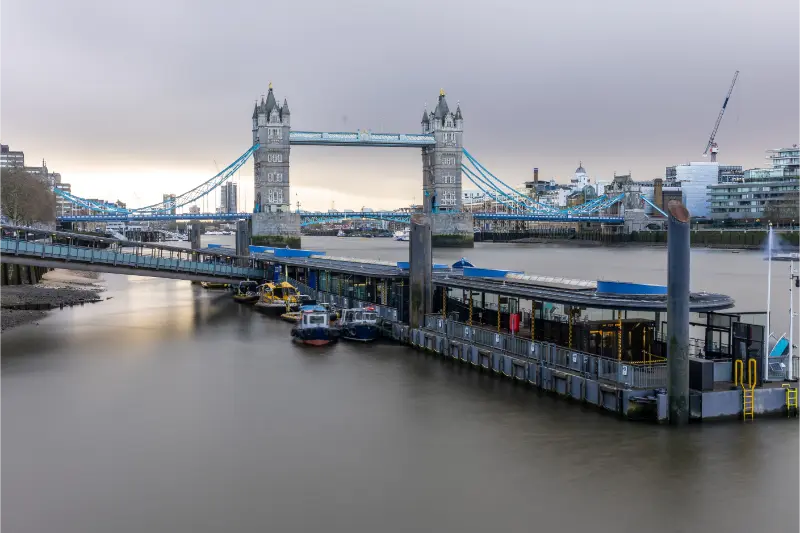
    For deeper planning beyond the headline icons, see our new guides to Palace of Westminster Royal Albert Hall Design Museum Wallace Collection Courtauld Gallery Royal Academy of Arts HMS Belfast Somerset House Barbican Centre Royal Mews.

    For deeper local exploration beyond the central icons, use our London neighbourhoods guide and the new district guides for Hackney and Dalston, Peckham and Nunhead, Clapham London, Hammersmith London, Chiswick London, Ealing London, Stratford London, Fulham and Parsons Green, Walthamstow London, Whitechapel and Aldgate.

    More detailed London guides

    • Stonehenge Day Trip from London: Independent Train Route, Tours and a Realistic Plan
    • White Cliffs of Dover Day Trip from London: Train, Walks, Castle and a Realistic Plan
    • Houses of Parliament London: Tours, Big Ben and How to Visit the Palace of Westminster
    • Design Museum London: Free Collection, Exhibitions and Visitor Guide
    • Wallace Collection London: Free Art, Armour and a Smarter Visit
    • Royal Academy of Arts London: Exhibitions, Summer Show and Visitor Tips
    • HMS Belfast London: Tickets, Decks and How to Visit the Warship
    • Barbican Centre London: Architecture, Conservatory and What to See
    • Royal Mews Buckingham Palace: Gold State Coach, Tickets and Visitor Guide
  • London in 3 Days: A Realistic First-Time Itinerary

    London in 3 Days: A Realistic First-Time Itinerary

    Three days in London will never be enough to see everything, but they are enough to understand why the city is so addictive. The key is to accept that a successful short trip is not measured by the number of pins collected on a map. It is measured by how naturally the days flow and whether you have time to look up from the schedule.

    This itinerary is designed for a first visit and groups attractions geographically. It includes famous landmarks, a major museum, neighbourhood atmosphere and several free experiences. Treat it as a flexible route: reserve the one or two places that matter most, then shorten or extend each walk according to weather and energy.

    ROUTE MAP

    London in 3 Days – route map

    Use the map as a planning overview. The numbered markers follow the order suggested in this guide; exact walking and transport choices can change with closures, weather and your bookings.

    1. Buckingham Palace
    2. Westminster Abbey
    3. South Bank & London Eye
    4. Tower of London
    5. St Paul’s Cathedral
    6. British Museum
    7. Covent Garden

    London trip at a glance

    DayMain areaCore experiences
    1Westminster and South BankRoyal London, Parliament, Thames views
    2Tower and the CityTower of London, historic lanes, St Paul’s
    3Museums and West EndSouth Kensington or Bloomsbury, Covent Garden, Soho

    Before the itinerary: make three decisions

    First, choose one paid priority. For many visitors it is the Tower of London, Westminster Abbey or a West End show. Second, decide which museum genuinely suits your interests; visiting a museum simply because it is famous wastes precious time. Third, identify the evening you want to keep flexible. London after dark is part of the experience, but three late nights combined with early starts can make the final day feel like endurance.

    Stay near a useful station and begin early, but not absurdly early. Check first-entry times and allow breakfast before your timed ticket. If you are arriving that morning, do not schedule an expensive attraction immediately after the flight. Airport queues and rail disruption can turn a bargain ticket into a stressful gamble. Read our airport transfer guide before choosing the first appointment.

    Day 1 morning: Buckingham Palace to Westminster

    Start at Green Park and walk towards Buckingham Palace. If the Changing of the Guard matters to you, check the official Household Division schedule because it is not guaranteed every day and can change for ceremonies or weather. Otherwise, enjoy the palace frontage before the largest crowds and continue through St James’s Park. The lake, gardens and views back towards Whitehall make this more than a transit route.

    Walk through Parliament Square to see Westminster Abbey, the Houses of Parliament and the Elizabeth Tower. Book the Abbey if you want to explore the interior; otherwise, continue across Westminster Bridge for the classic river panorama. The short distances on this section allow time to stop, but pavements become crowded around midday. Keep phones and wallets secure while photographing the view.

    Day 1 afternoon and evening: the South Bank

    Follow the Thames east along the South Bank. The route passes cultural venues, book stalls and changing views of the skyline. Depending on your interests, pause at the London Eye, the Southbank Centre or Tate Modern. You do not need to enter everything. The river walk itself is the connecting experience, and crossing one of the pedestrian bridges gives a new perspective on both banks.

    Continue as far as Borough Market if it is open and you still have energy, or turn back towards Covent Garden for dinner. In the evening, choose a river view, a relaxed pub or a performance. This is a good night for the West End only if you have not already walked yourself into exhaustion. Theatre tickets should be booked in advance when the production and seats matter.

    Red Double Decker Buses in Central London

    Day 2: the Tower, the City and St Paul’s

    Begin with the Tower of London at its opening time. The complex deserves two to three hours if you want the Crown Jewels, walls, towers and exhibitions rather than a quick photograph. Buy from the official Historic Royal Palaces website and check temporary closures. Afterwards, walk beside the river to Tower Bridge; the upper walkways are a separate paid attraction, while crossing the roadway is free.

    Move into the City through narrow streets that reveal London’s older scale. Leadenhall Market, the Monument area and the churchyards provide texture between the headline buildings. Finish at St Paul’s Cathedral or cross the Millennium Bridge towards Tate Modern. If you prefer contemporary views, reserve a free or paid skyline experience, but never assume same-day sunset slots will be available.

    Day 3 morning: choose one museum district

    Choose South Kensington for the Natural History Museum, Science Museum or Victoria and Albert Museum. These institutions sit close together, but do not try to see all three properly in one morning. Pick one, identify two or three galleries in advance and leave before museum fatigue takes over. Families can use our London with children guide to select age-appropriate highlights.

    Choose Bloomsbury instead if the British Museum is your priority. Its collection is vast, so a focused route is more rewarding than wandering until every room begins to look alike. General admission at major national museums is usually free, while special exhibitions may be ticketed. Check current entry arrangements on the museum’s official website.

    Day 3 afternoon: Covent Garden, Soho and a final view

    Spend the afternoon around Covent Garden, Seven Dials, Chinatown and Soho. This part of London works best without a rigid sequence. Browse streets, stop for coffee and notice how quickly the atmosphere changes from one block to the next. Leicester Square itself is busy and commercial, but it is a useful hinge between theatreland, Chinatown and Trafalgar Square.

    End with a place that reflects your interests: the National Gallery for art, Regent Street for architecture and shopping, a quiet corner of Mayfair, or a final walk through St James’s. If your train or flight leaves that evening, collect luggage with a generous buffer. London transport is frequent, yet one disruption can consume the margin you thought you had.

    How to adapt this itinerary

    For rain, move a museum forward and save the river walk for the clearest window. For young children, reduce each day to one major indoor attraction plus a park. For repeat visitors, replace Westminster with Greenwich or a neighbourhood day. If shopping is important, create a specific two-hour slot instead of squeezing shops between timed attractions.

    Big Ben and Houses of Parliament Westminster London

    The itinerary also works in reverse, but check weekly closures and Sunday opening hours. Markets have different personalities on different days, and some churches restrict sightseeing during services. The best things to do in London overview provides alternatives without forcing you to redesign the entire trip.

    Managing pace across the three days

    Put the most demanding day second rather than first if you arrive after a long journey. On day one, excitement can hide fatigue until late afternoon; on day three, departure logistics may interrupt the plan. The middle day is the safest place for the Tower, a long museum visit or another experience you would hate to shorten.

    Review the next day each evening instead of treating the published itinerary as a contract. Check weather, transport status and everyone’s energy. Move a museum forward when rain is likely, or replace one interior with a park when the forecast improves. The geographic structure remains useful even when individual stops change.

    Common mistakes to avoid

    • Crossing London several times each day for isolated attractions.
    • Treating free museums as quick stops; their scale demands choices.
    • Ignoring last admission times, which may be much earlier than closing time.
    • Booking a fixed dinner too close to a theatre curtain time.
    • Leaving all outdoor sightseeing for one day despite an uncertain forecast.

    With only three days, the expensive mistake is adding a distant attraction because there appears to be an empty hour on the spreadsheet. That hour disappears quickly into station corridors, security, queues and finding the correct entrance. Keep Day 1 around Westminster and the river, Day 2 around the Tower/City axis and Day 3 around one museum district plus the West End. If you finish early, add something nearby rather than crossing London for a bonus tick.

    Practical planning checklist

    • Confirm opening days and last admission on official websites.
    • Save bookings and the accommodation address for offline access.
    • Check the live TfL journey planner before leaving each morning.
    • Keep one indoor and one outdoor option in the same area.
    • Use the same contactless card or device consistently for eligible journeys.
    • Allow time for security, meals, station corridors and unplanned discoveries.

    Reserve the attraction that sets the rhythm of each day, not every stop. A morning Tower of London ticket, a chosen museum plan and one evening show are enough structure for most travellers. Check the exact last-entry time, save the ticket to your phone and identify one nearby alternative in case weather or transport changes. The itinerary then bends without breaking.

    Optional tickets for a three-day itinerary

    Once your three-day route is fixed, compare London attraction tickets and tours on GetYourGuide. Prioritise products that save a genuine queue or add interpretation rather than buying a bundle simply because many attractions are listed.

    Tower Bridge London

    Frequently asked questions

    Can I add Greenwich?

    Yes, but replace a substantial section rather than adding it. A Thames boat or DLR trip to Greenwich can take half a day when you include the park, observatory area and market.

    Is a sightseeing pass worth it for three days?

    Only if the included attractions match your actual plan and opening times. Calculate the normal prices of places you will definitely enter; do not count attractions added merely to justify the pass.

    How much walking should I expect?

    A great deal. Even with the Tube, stations, museums and river paths add up. Wear tested shoes and use a bus for a rest when it follows a useful route.

    Where should I stay for this plan?

    Central Zone 1 or a direct Zone 2 connection works best. Prioritise the station and route over a famous neighbourhood name.

    Final thoughts

    Three days work when each day has a clear identity. You will not ‘complete’ London, and trying to do so usually makes the trip worse. If you return home remembering the royal core, the river, the City, one great museum and a neighbourhood that felt different from the landmarks, the itinerary has done its job.

    Check date-specific attraction hours and TfL service updates before each day; short trips have less room to absorb an unexpected closure or engineering work.

    Choose the itinerary length that matches your trip

    If three days is not your exact stay, use our dedicated plans for London in one day, two days, four days, five days or a full week. Each version changes the route instead of simply adding or deleting attractions.

  • First Time in London: An Honest Guide to Planning Your Trip

    First Time in London: An Honest Guide to Planning Your Trip

    A first trip to London can feel thrilling and slightly overwhelming at the same time. The city is enormous, the list of famous places seems endless, and a map can make attractions that belong to completely different neighbourhoods look deceptively close. My most useful lesson has been simple: London becomes much easier when you stop treating it as one giant checklist and start planning it as a collection of compact areas.

    This guide is the advice I would give a friend before their first visit. It explains how many days to allow, which decisions matter before arrival, how to use public transport confidently and how to combine the landmarks with the ordinary moments that make London memorable: a riverside walk, a neighbourhood market, a quiet garden or an unplanned pub lunch.

    London trip at a glance

    DecisionGood first-trip choice
    LengthFour or five full days if possible
    Best baseZone 1 or well-connected Zone 2
    TransportContactless payment or Oyster; use the same method all day
    Book aheadMajor paid sights, popular exhibitions and West End shows
    Keep flexibleParks, markets, walks and most free museums

    How many days do you really need?

    Three days are enough for a vivid introduction, but they require discipline. You can see Westminster, the South Bank, the Tower area, one museum and one or two neighbourhoods, yet there will be little room for delays or spontaneous discoveries. Four or five days produce a much better rhythm. You can reserve one day for historic London, one for the City and the river, one for museums and the West End, and still have time for places such as Greenwich, Notting Hill or Camden.

    If you have only a weekend, do not build an itinerary around every icon. Choose two priority attractions per day and link them with a walk through the surrounding district. Our three-day London itinerary shows how to group sights without crossing the city repeatedly. For a longer stay, keep one half-day deliberately empty. London weather, ticket availability and your own energy will decide how best to use it.

    Choose the area before choosing the hotel

    A cheap room can become expensive in time if it is far from the places you want to visit. For a first visit I favour a base near a Tube or Elizabeth line station, ideally with more than one route available. Bloomsbury works well for museums and rail connections; South Bank is excellent for river walks; Victoria is practical for transport; Paddington is convenient for Heathrow; and areas around Covent Garden or Soho place you close to theatres and restaurants, although prices and street noise can be higher.

    Look beyond the district name on the booking page. Check the walking route to the station, whether there is step-free access if you need it, and how late you can return without complicated changes. The detailed guide to the best areas to stay compares neighbourhoods by atmosphere, budget and transport rather than simply listing hotels.

    Build days by neighbourhood, not by fame

    The classic mistake is to put Buckingham Palace, the Tower of London, Camden Market and the Natural History Museum into one day. It is technically possible, but much of the experience becomes stairs, platforms and queues. A more satisfying Westminster day combines Buckingham Palace, St James’s Park, Westminster Abbey, Parliament and the South Bank. A City day can join the Tower, Tower Bridge, Leadenhall Market, St Paul’s and a Thames walk.

    Use a map to create clusters, then decide which attraction in each cluster deserves a timed ticket. Everything else becomes the route around that anchor. This approach also makes meals easier: instead of searching the entire city, you can shortlist two or three places within a ten-minute walk of your afternoon activity. It sounds like a small organisational detail, but it changes the pace of the trip.

    London Skyline with The Shard

    Transport without stress

    For most adults, paying as you go with a contactless bank card or device is the simplest option. Oyster remains useful for travellers who do not have a suitable contactless card or who want a separate travel balance. Touch in and out on rail services, use the same card or device every time, and remember that each traveller needs a separate payment method. On buses you touch only when boarding.

    London’s fare system applies daily and weekly caps when the rules are met, so buying individual paper tickets is rarely the best choice. Check current fares and eligibility on the official Transport for London visitor pages. Our London public transport guide explains zones, contactless, Oyster, buses, walking and the mistakes that cause incomplete-journey charges.

    What to reserve before you arrive

    Reserve anything that would genuinely disappoint you if it sold out. That usually means the Tower of London, a specific temporary exhibition, the Warner Bros. Studio Tour, a popular observation deck at sunset and a particular West End production. Free museums may also use optional or recommended timed entry during busy periods, so check their official websites rather than assuming you can always walk straight in.

    Do not pre-book every hour. London rewards flexibility, especially when the weather changes. A good balance is one fixed morning activity, one fixed evening activity and an adaptable afternoon. For landmarks, always use the official attraction website to confirm opening days, security rules and last admission. Screenshot essential tickets, but keep the live email too in case the time changes.

    Budget realistically

    Accommodation is normally the largest expense, followed by paid attractions and meals. You can keep sightseeing costs down because many world-class museums have free general admission and the city’s best walks cost nothing. Balance a paid landmark with a free museum, park or neighbourhood on the same day. Lunch specials, food markets and supermarket meal deals can also make a noticeable difference without turning the trip into an exercise in deprivation.

    Create three budget columns before booking: fixed costs, daily essentials and optional treats. Include airport transport in the fixed column and a realistic transport allowance in the daily one. Keep a small contingency for a taxi after a late show, luggage storage or a last-minute indoor activity. For more ideas, use our free things to do in London guide rather than relying only on headline attraction discounts.

    How to keep the first trip personal

    Leave one space in the itinerary for something connected to your own interests rather than London’s universal checklist. It might be a football stadium, a specialist bookshop, a film location, a small gallery or a neighbourhood linked to family history. This is often the experience that distinguishes your trip from every generic three-day schedule.

    Big Ben and Houses of Parliament at Sunset London

    Keep a short note after each day: the place you would revisit, the meal that worked and the route that felt easiest. It helps with the remaining days and becomes more meaningful than hundreds of unlabelled photographs. London is a city people return to; the first visit does not need to finish the story.

    Common mistakes to avoid

    • Planning by straight-line distance instead of actual transport connections.
    • Using one contactless card for two people; every passenger needs a separate card or device.
    • Booking attractions back-to-back without allowing for security queues and travel time.
    • Eating beside every major landmark instead of walking a few streets into the surrounding neighbourhood.
    • Packing uncomfortable shoes: a normal sightseeing day can easily involve many kilometres of walking.

    The first-time mistake that costs the most is not missing a landmark; it is wasting half the day moving between unrelated ones. Keep Westminster and St James’s together, treat the Tower and the City as another cluster, and give South Kensington or Bloomsbury its own museum block. If a route requires two long cross-city transfers simply to add one photograph, cut the stop. Your first visit should teach you how London fits together, not how many Underground platforms you can change on in a day.

    Practical planning checklist

    • Confirm opening days and last admission on official websites.
    • Save bookings and the accommodation address for offline access.
    • Check the live TfL journey planner before leaving each morning.
    • Keep one indoor and one outdoor option in the same area.
    • Use the same contactless card or device consistently for eligible journeys.
    • Allow time for security, meals, station corridors and unplanned discoveries.

    Before the trip, confirm three things that can genuinely derail the first day: your airport-to-hotel route, the opening or entry time of your most important booked attraction, and how you will pay for transport. Save offline copies of reservations and your hotel address. Everything else can remain flexible. That small amount of preparation is far more useful than scheduling breakfast, coffee and every street corner to the minute.

    Compare tours only after the itinerary works

    If a guided introduction would help you get oriented, compare London introductory tours on GetYourGuide. Compare the route and duration with your own plan first; a tour should simplify the first day, not duplicate attractions you have already booked.

    Frequently asked questions

    Is London safe for a first-time visitor?

    London is generally straightforward for visitors, but it is a major city. Keep phones secure near roads and station doors, watch belongings in crowded areas and use licensed transport. Normal urban awareness is more useful than anxiety.

    Should I carry cash?

    Cards are accepted almost everywhere and some businesses are cashless. A small amount of cash can still be useful, but a working contactless card and a backup payment method matter more.

    Tower Bridge Boats and River Thames London

    Which airport is best?

    There is no universal winner. Heathrow and London City have convenient urban rail links, while Gatwick, Stansted and Luton can be excellent when the flight price and your hotel location fit. Compare the total journey, not only the airfare.

    When should I visit?

    Spring and early autumn often offer a pleasant balance, but every season has advantages. The best time depends on whether you value long evenings, lower demand, festive atmosphere or outdoor gardens.

    Final thoughts

    A strong first London trip should leave you with a mental map and a reason to return. See the landmarks you have imagined for years, but also walk one residential street, sit in one park and spend an evening somewhere that was not chosen because it appears on every checklist. London becomes easier—and more interesting—once it stops feeling like a collection of compulsory sights.

    Recheck entry rules, attraction calendars and TfL fares shortly before departure, because the practical details can change even when the overall planning strategy does not.

    Practical planning before you book

    Use our London trip cost guide to build a realistic budget, then check whether a London attraction pass fits your actual itinerary. Travelling alone? See the solo London guide. We also have dedicated guides to tourist safety and scams and accessible London.

    Travelling as a couple?

    If this is a weekend for two, our romantic London guide for couples combines views, walks, theatre and one worthwhile splurge without turning the trip into a luxury checklist.

    More practical London guides

    For the small details that can make a trip much easier, see our guides to money and payments, SIMs, eSIMs and Wi-Fi, luggage storage, public toilets and emergencies and healthcare.

    More detailed London guides

    • Travel Insurance for London: Medical Cover, Delays, Theft and Claims
    • Drinking Water in London: Tap Water, Refills and Staying Hydrated
    • Luton Airport to Central London: Train, Luton DART, Coach and Taxi Explained
    • London for Senior Travellers: Comfortable Transport, Hotels and Sightseeing
    • LGBTQ+ London Travel Guide: Neighbourhoods, Culture, Nightlife and Practical Tips
    • London for Digital Nomads: Remote Work, Coworking, Wi-Fi and Where to Stay
    • London for Business Travellers: Airports, Hotels, Meetings and Bleisure
    • Backpacking London: Hostels, Budget Travel and Free Things to Do
    • London for Deaf and Hard-of-Hearing Visitors: Transport, Theatre and Access
    • London for Blind and Visually Impaired Visitors: Transport, Museums and Access
    • Money in London: Cash, Cards, ATMs and Currency Exchange
    • Tipping in London: Restaurants, Pubs, Taxis and Hotels Explained
    • UK Plugs, Voltage and Travel Adapters for London
    • Luggage Storage in London: Stations, Airports and Early Check-In
    • Public Toilets in London: Where to Find Them and What to Expect
    • Emergencies and Healthcare in London: 999, 111, Pharmacies and Tourists
    • London Opening Hours and Bank Holidays: What Visitors Need to Know