

A first trip to London can feel thrilling and slightly overwhelming at the same time. The city is enormous, the list of famous places seems endless, and a map can make attractions that belong to completely different neighbourhoods look deceptively close. My most useful lesson has been simple: London becomes much easier when you stop treating it as one giant checklist and start planning it as a collection of compact areas.
This guide is the advice I would give a friend before their first visit. It explains how many days to allow, which decisions matter before arrival, how to use public transport confidently and how to combine the landmarks with the ordinary moments that make London memorable: a riverside walk, a neighbourhood market, a quiet garden or an unplanned pub lunch.
London trip at a glance
| Decision | Good first-trip choice |
|---|---|
| Length | Four or five full days if possible |
| Best base | Zone 1 or well-connected Zone 2 |
| Transport | Contactless payment or Oyster; use the same method all day |
| Book ahead | Major paid sights, popular exhibitions and West End shows |
| Keep flexible | Parks, markets, walks and most free museums |
How many days do you really need?
Three days are enough for a vivid introduction, but they require discipline. You can see Westminster, the South Bank, the Tower area, one museum and one or two neighbourhoods, yet there will be little room for delays or spontaneous discoveries. Four or five days produce a much better rhythm. You can reserve one day for historic London, one for the City and the river, one for museums and the West End, and still have time for places such as Greenwich, Notting Hill or Camden.
If you have only a weekend, do not build an itinerary around every icon. Choose two priority attractions per day and link them with a walk through the surrounding district. Our three-day London itinerary shows how to group sights without crossing the city repeatedly. For a longer stay, keep one half-day deliberately empty. London weather, ticket availability and your own energy will decide how best to use it.
Choose the area before choosing the hotel
A cheap room can become expensive in time if it is far from the places you want to visit. For a first visit I favour a base near a Tube or Elizabeth line station, ideally with more than one route available. Bloomsbury works well for museums and rail connections; South Bank is excellent for river walks; Victoria is practical for transport; Paddington is convenient for Heathrow; and areas around Covent Garden or Soho place you close to theatres and restaurants, although prices and street noise can be higher.
Look beyond the district name on the booking page. Check the walking route to the station, whether there is step-free access if you need it, and how late you can return without complicated changes. The detailed guide to the best areas to stay compares neighbourhoods by atmosphere, budget and transport rather than simply listing hotels.
Build days by neighbourhood, not by fame
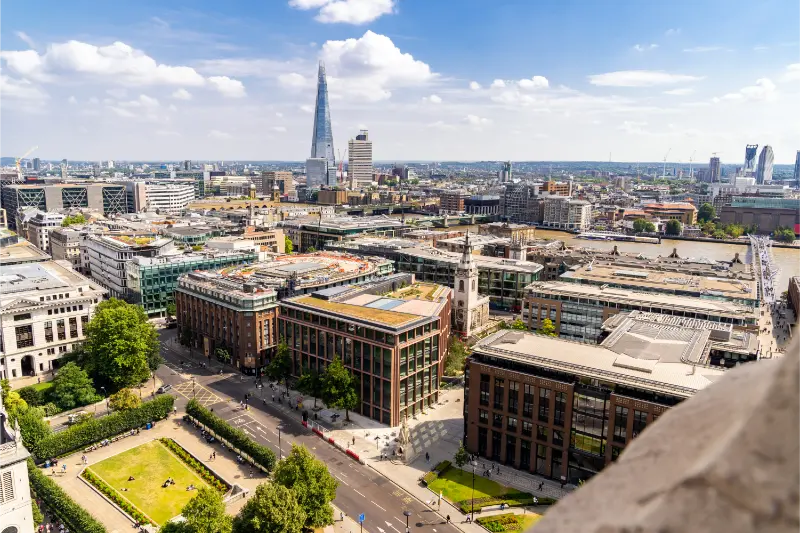
The classic mistake is to put Buckingham Palace, the Tower of London, Camden Market and the Natural History Museum into one day. It is technically possible, but much of the experience becomes stairs, platforms and queues. A more satisfying Westminster day combines Buckingham Palace, St James’s Park, Westminster Abbey, Parliament and the South Bank. A City day can join the Tower, Tower Bridge, Leadenhall Market, St Paul’s and a Thames walk.
Use a map to create clusters, then decide which attraction in each cluster deserves a timed ticket. Everything else becomes the route around that anchor. This approach also makes meals easier: instead of searching the entire city, you can shortlist two or three places within a ten-minute walk of your afternoon activity. It sounds like a small organisational detail, but it changes the pace of the trip.
Transport without stress
For most adults, paying as you go with a contactless bank card or device is the simplest option. Oyster remains useful for travellers who do not have a suitable contactless card or who want a separate travel balance. Touch in and out on rail services, use the same card or device every time, and remember that each traveller needs a separate payment method. On buses you touch only when boarding.
London’s fare system applies daily and weekly caps when the rules are met, so buying individual paper tickets is rarely the best choice. Check current fares and eligibility on the official Transport for London visitor pages. Our London public transport guide explains zones, contactless, Oyster, buses, walking and the mistakes that cause incomplete-journey charges.
What to reserve before you arrive
Reserve anything that would genuinely disappoint you if it sold out. That usually means the Tower of London, a specific temporary exhibition, the Warner Bros. Studio Tour, a popular observation deck at sunset and a particular West End production. Free museums may also use optional or recommended timed entry during busy periods, so check their official websites rather than assuming you can always walk straight in.
Do not pre-book every hour. London rewards flexibility, especially when the weather changes. A good balance is one fixed morning activity, one fixed evening activity and an adaptable afternoon. For landmarks, always use the official attraction website to confirm opening days, security rules and last admission. Screenshot essential tickets, but keep the live email too in case the time changes.
Budget realistically
Accommodation is normally the largest expense, followed by paid attractions and meals. You can keep sightseeing costs down because many world-class museums have free general admission and the city’s best walks cost nothing. Balance a paid landmark with a free museum, park or neighbourhood on the same day. Lunch specials, food markets and supermarket meal deals can also make a noticeable difference without turning the trip into an exercise in deprivation.
Create three budget columns before booking: fixed costs, daily essentials and optional treats. Include airport transport in the fixed column and a realistic transport allowance in the daily one. Keep a small contingency for a taxi after a late show, luggage storage or a last-minute indoor activity. For more ideas, use our free things to do in London guide rather than relying only on headline attraction discounts.
How to keep the first trip personal
Leave one space in the itinerary for something connected to your own interests rather than London’s universal checklist. It might be a football stadium, a specialist bookshop, a film location, a small gallery or a neighbourhood linked to family history. This is often the experience that distinguishes your trip from every generic three-day schedule.
Keep a short note after each day: the place you would revisit, the meal that worked and the route that felt easiest. It helps with the remaining days and becomes more meaningful than hundreds of unlabelled photographs. London is a city people return to; the first visit does not need to finish the story.
Common mistakes to avoid
- Planning by straight-line distance instead of actual transport connections.
- Using one contactless card for two people; every passenger needs a separate card or device.
- Booking attractions back-to-back without allowing for security queues and travel time.
- Eating beside every major landmark instead of walking a few streets into the surrounding neighbourhood.
- Packing uncomfortable shoes: a normal sightseeing day can easily involve many kilometres of walking.
The first-time mistake that costs the most is not missing a landmark; it is wasting half the day moving between unrelated ones. Keep Westminster and St James’s together, treat the Tower and the City as another cluster, and give South Kensington or Bloomsbury its own museum block. If a route requires two long cross-city transfers simply to add one photograph, cut the stop. Your first visit should teach you how London fits together, not how many Underground platforms you can change on in a day.
Practical planning checklist
- Confirm opening days and last admission on official websites.
- Save bookings and the accommodation address for offline access.
- Check the live TfL journey planner before leaving each morning.
- Keep one indoor and one outdoor option in the same area.
- Use the same contactless card or device consistently for eligible journeys.
- Allow time for security, meals, station corridors and unplanned discoveries.
Before the trip, confirm three things that can genuinely derail the first day: your airport-to-hotel route, the opening or entry time of your most important booked attraction, and how you will pay for transport. Save offline copies of reservations and your hotel address. Everything else can remain flexible. That small amount of preparation is far more useful than scheduling breakfast, coffee and every street corner to the minute.
Compare tours only after the itinerary works
If a guided introduction would help you get oriented, compare London introductory tours on GetYourGuide. Compare the route and duration with your own plan first; a tour should simplify the first day, not duplicate attractions you have already booked.
Frequently asked questions
Is London safe for a first-time visitor?
London is generally straightforward for visitors, but it is a major city. Keep phones secure near roads and station doors, watch belongings in crowded areas and use licensed transport. Normal urban awareness is more useful than anxiety.
Should I carry cash?
Cards are accepted almost everywhere and some businesses are cashless. A small amount of cash can still be useful, but a working contactless card and a backup payment method matter more.
Which airport is best?
There is no universal winner. Heathrow and London City have convenient urban rail links, while Gatwick, Stansted and Luton can be excellent when the flight price and your hotel location fit. Compare the total journey, not only the airfare.
When should I visit?
Spring and early autumn often offer a pleasant balance, but every season has advantages. The best time depends on whether you value long evenings, lower demand, festive atmosphere or outdoor gardens.
Final thoughts
A strong first London trip should leave you with a mental map and a reason to return. See the landmarks you have imagined for years, but also walk one residential street, sit in one park and spend an evening somewhere that was not chosen because it appears on every checklist. London becomes easier—and more interesting—once it stops feeling like a collection of compulsory sights.
Recheck entry rules, attraction calendars and TfL fares shortly before departure, because the practical details can change even when the overall planning strategy does not.
Practical planning before you book
Use our London trip cost guide to build a realistic budget, then check whether a London attraction pass fits your actual itinerary. Travelling alone? See the solo London guide. We also have dedicated guides to tourist safety and scams and accessible London.
Travelling as a couple?
If this is a weekend for two, our romantic London guide for couples combines views, walks, theatre and one worthwhile splurge without turning the trip into a luxury checklist.
More practical London guides
For the small details that can make a trip much easier, see our guides to money and payments, SIMs, eSIMs and Wi-Fi, luggage storage, public toilets and emergencies and healthcare.
More detailed London guides
- Travel Insurance for London: Medical Cover, Delays, Theft and Claims
- Drinking Water in London: Tap Water, Refills and Staying Hydrated
- Luton Airport to Central London: Train, Luton DART, Coach and Taxi Explained
- London for Senior Travellers: Comfortable Transport, Hotels and Sightseeing
- LGBTQ+ London Travel Guide: Neighbourhoods, Culture, Nightlife and Practical Tips
- London for Digital Nomads: Remote Work, Coworking, Wi-Fi and Where to Stay
- London for Business Travellers: Airports, Hotels, Meetings and Bleisure
- Backpacking London: Hostels, Budget Travel and Free Things to Do
- London for Deaf and Hard-of-Hearing Visitors: Transport, Theatre and Access
- London for Blind and Visually Impaired Visitors: Transport, Museums and Access
- Money in London: Cash, Cards, ATMs and Currency Exchange
- Tipping in London: Restaurants, Pubs, Taxis and Hotels Explained
- UK Plugs, Voltage and Travel Adapters for London
- Luggage Storage in London: Stations, Airports and Early Check-In
- Public Toilets in London: Where to Find Them and What to Expect
- Emergencies and Healthcare in London: 999, 111, Pharmacies and Tourists
- London Opening Hours and Bank Holidays: What Visitors Need to Know