
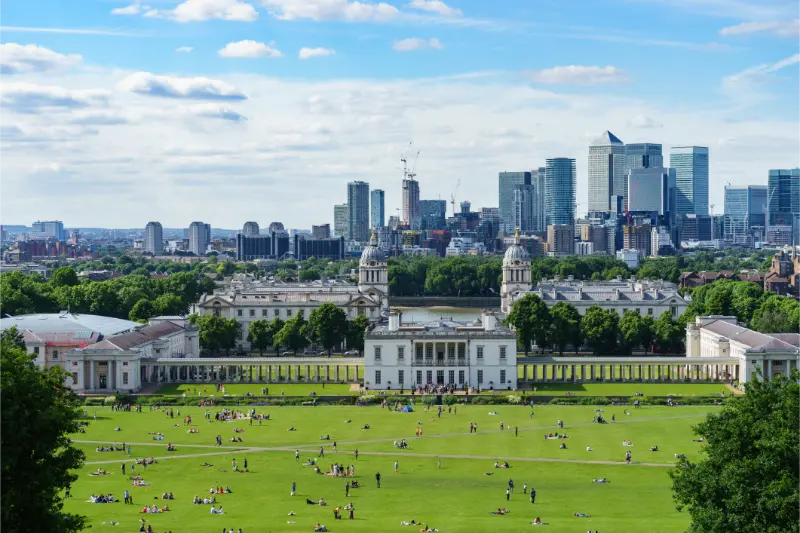
Four days is one of the best lengths for a first London trip because it gives you room to separate the city into distinct experiences. You can see the royal core, the Tower and Thames, spend meaningful time in South Kensington and still give Greenwich most of a day. The important word is “separate”: if every day contains Westminster, a museum, a market and a viewpoint, the trip becomes a sequence of transfers rather than a coherent visit.
This itinerary assumes four full sightseeing days. If arrival or departure consumes half a day, use our two-day London itinerary as the compact core and treat the extra time as a bonus. For broader practical planning, the first-time London guide covers airports, money, neighbourhood choice and other decisions that should be settled before the daily schedule.
ROUTE MAP
London in 4 Days – route map
Use the map as a planning overview. The numbered markers follow the order suggested in this guide; exact walking and transport choices can change with closures, weather and your bookings.
- Westminster
- Covent Garden
- Tower of London
- Borough Market
- Natural History Museum
- Hyde Park
- Greenwich
| Day | Theme | Main anchor |
|---|---|---|
| 1 | Westminster + West End | Abbey or Churchill War Rooms |
| 2 | Tower + Bankside | Tower of London |
| 3 | South Kensington + parks | One major museum |
| 4 | Greenwich + Thames | Maritime Greenwich |
Day 1: use Westminster as a walking district, not a checklist
Begin in the Westminster cluster and commit to one major interior. Westminster Abbey is the obvious first choice for royal and national history; Churchill War Rooms is stronger if twentieth-century history matters more. Both deserve time and security checks, so doing both before lunch often creates the wrong pace. Big Ben, Parliament Square, Whitehall and St James’s Park can then be experienced outdoors without another booking.
Walk through St James’s Park toward Buckingham Palace. If your dates fall during the seasonal State Rooms opening and the palace interior is a priority, make it the day’s fixed ticket and move the Abbey to another morning. Otherwise, the exterior, Victoria Memorial, Green Park and The Mall form a satisfying royal route on their own. The Buckingham Palace guide explains the seasonal access so you do not build the day around rooms that are closed on your date.
Day 1 afternoon: art, Covent Garden and the West End
Trafalgar Square gives you a natural decision point. If you want art, make a targeted visit to the National Gallery or nearby National Portrait Gallery. If you have already spent the morning indoors, continue to Covent Garden and let the streets provide the contrast. Four days means you do not have to convert every free museum into an obligation.
Finish around Covent Garden, Seven Dials, Chinatown or Soho. These neighbourhoods are at their best when you have enough time to wander rather than when they are treated as a thirty-minute stop between tickets. A West End show works well on this night because the daytime route already finishes nearby.
Day 2: medieval London, Tower Bridge and the river
Make the Tower of London the morning anchor. Arriving early gives you a better chance to see the Crown Jewels and historic spaces before the busiest middle of the day. Then decide whether you want to enter the Tower Bridge exhibition or simply enjoy the bridge from the riverbanks. Both choices are valid; the mistake is booking it automatically because it is next door.
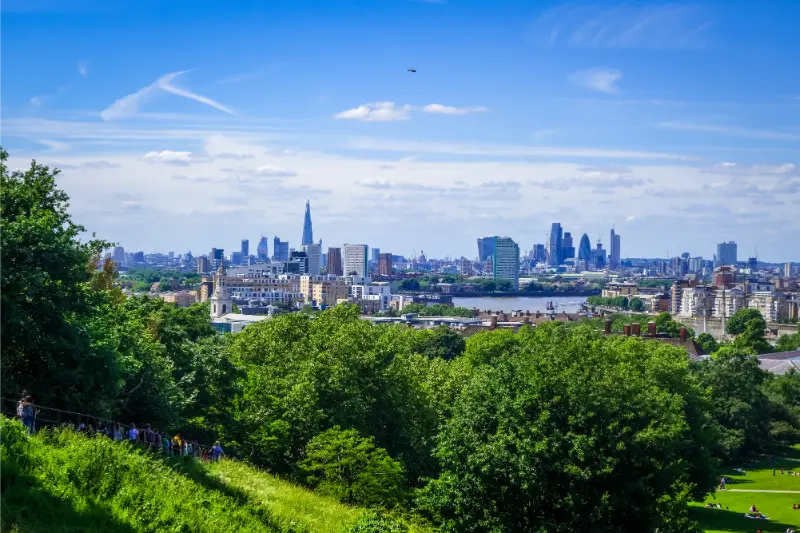
After the bridge, move west on foot through Bankside. Borough Market makes sense as a food stop, but its busiest lunch period can be uncomfortable, so be willing to eat earlier, later or nearby. Continue past Southwark Cathedral toward Shakespeare’s Globe and Tate Modern. The South Bank guide can extend the river walk toward the London Eye if you still have energy.
Day 2 alternative: cross into the City instead
If historic churches and old streets interest you more than modern art, leave the south bank after Tower Bridge and explore the City. St Dunstan in the East, Leadenhall Market, the Monument area and St Paul’s Cathedral give the afternoon a completely different character. This is why four days is comfortable: you can choose one branch instead of trying to walk both sides of the Thames in full.
Day 3: choose one South Kensington museum properly
The Natural History Museum, Science Museum and V&A sit close together, but that proximity is deceptive. Each is large enough to dominate a day. Choose the museum that best matches your interests and give it the best part of the morning. Families may prefer the Natural History Museum or Science Museum; design, fashion and decorative arts point toward the V&A.
After several indoor hours, walk north into Kensington Gardens rather than entering a second museum just because it is free. The park gives you space, Serpentine views and an easy route toward Kensington Palace or Hyde Park. If shopping matters, Knightsbridge can be added without crossing the city; if it does not, stay in the park and enjoy the slower afternoon.
Day 3 evening: use your energy, not the itinerary
By the third evening, cumulative fatigue is real. This is a good night for a neighbourhood dinner, a pub or an early return rather than another “must-see”. If you still feel energetic, Chelsea and South Kensington offer an easy evening close to the day’s route. If you booked theatre on Day 1, resist the urge to schedule another late event simply because the calendar has an empty box.
Day 4: make Greenwich feel like a journey
Greenwich deserves more than a quick Prime Meridian photo. One of the best ways to arrive is by river because the changing skyline connects central London with the city’s maritime story. Check our Thames boat guide for the difference between transport boats and sightseeing cruises. You can return by DLR or rail, giving the day two different perspectives.
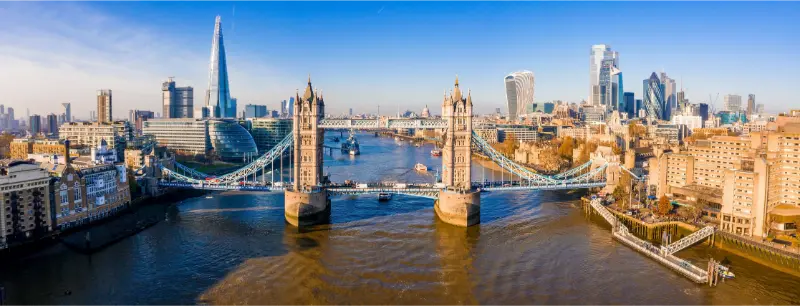
On arrival, choose two or three priorities: Cutty Sark, the National Maritime Museum, Queen’s House, Greenwich Market, Greenwich Park and the Royal Observatory area. Do not assume the Observatory has normal access on every future date; its guide is kept date-sensitive because the First Light redevelopment affects visiting arrangements from November 2026 onward.
Walk uphill through Greenwich Park even if you skip the Observatory ticket. The skyline view from the hill is part of the district’s identity, and the park provides a welcome change after three central sightseeing days. Return through the market and town centre rather than rushing directly to the station.
Where should you put the British Museum?
If the British Museum is a personal priority, it can replace the National Gallery on Day 1 or part of Day 3. Do not simply add it in the evening. Large museums become less rewarding when you visit them tired and without a plan. Our British Museum guide helps you build a selective route rather than trying to cover the collection floor by floor.
Booking plan for four days
Four days can support more bookings than a weekend, but the best pattern is still one major timed anchor per half-day at most. Prioritise the attractions where capacity, seasonal opening or performance schedules genuinely matter. Leave parks, neighbourhoods, free galleries and markets flexible so weather can reshape the trip without forcing cancellations.
Affiliate link. Dreaming London may earn a commission from qualifying bookings at no extra cost to you.
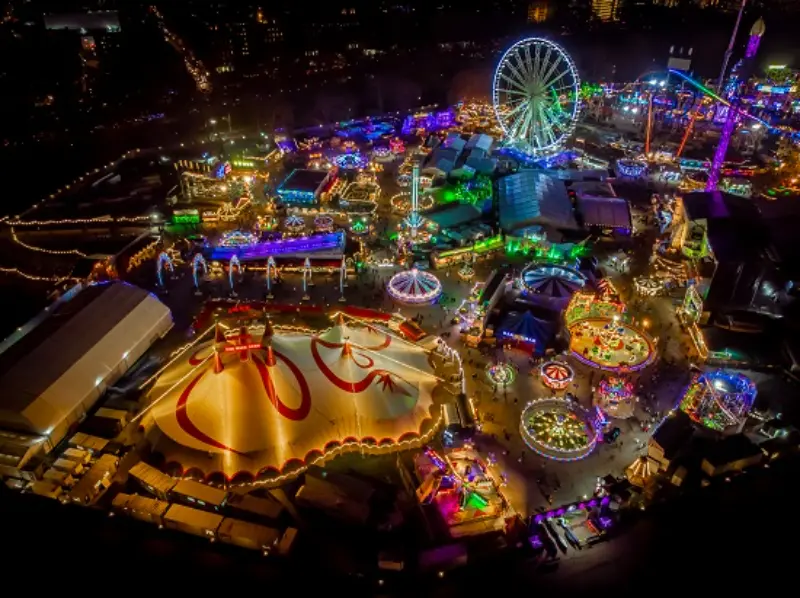
Where to stay for a four-day trip
With four days, you can widen the hotel search slightly, but keep transport simple. Bloomsbury is useful for museums and rail terminals; South Bank works well for the Thames; Westminster and Covent Garden maximise central walking; Paddington can be practical for Heathrow and westbound rail. Compare the hotel’s nearest useful station, not just the neighbourhood name.
How to adapt the itinerary for children
Keep the geographic structure but change the anchors. The Science Museum or Natural History Museum may deserve most of Day 3, while SEA LIFE or the London Eye can replace a long gallery stop on the river day. The London with kids guide focuses on pacing, toilets, food and age suitability rather than simply listing attractions.
Four-day mistakes to avoid
- Trying to visit all three South Kensington museums because they are neighbours.
- Using Greenwich as a two-hour detour instead of a real half or full day.
- Booking a paid viewpoint on several consecutive days.
- Crossing the city for meals when excellent alternatives exist inside each cluster.
- Leaving every evening full, with no recovery time.
Frequently asked questions
Are four days enough for London?
Yes for a strong first visit. You can cover the major historic districts, one or two museums, a Thames route and Greenwich without the trip feeling like a race.
Should I include a day trip?
Usually not on a first four-day visit unless Windsor, Oxford or another destination is a major personal priority. London itself can easily fill all four days.
Is an attraction pass worth it for four days?
It depends on the paid sights you actually intend to visit. Price your fixed itinerary first, then compare it with the current products in our attraction pass guide.
Bottom line
Four days lets London breathe. Use one day for royal Westminster, one for the Tower and river, one for South Kensington and parks, and one for Greenwich. The trip feels complete because each day has a different character—not because you managed to tick every famous attraction.