
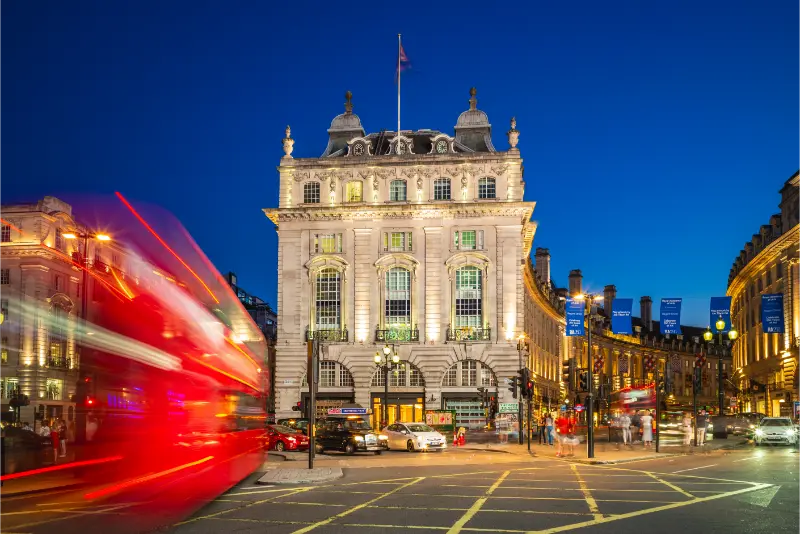
Soho is one of the hardest London neighbourhoods to explain with a list because its value lies in the streets between the named attractions. It is compact, busy and layered: music history beside fashionable restaurants, old pubs beside cocktail bars, theatres beside record shops, Chinatown beside Georgian squares, and LGBTQ+ history woven through the area rather than confined to one venue. The best first visit is a slow walk with a few anchors, not a race between famous addresses.
| Best for | Food, nightlife, music, theatre, street life, repeat visits |
|---|---|
| Minimum time | 2–3 hours; longer for dinner or nightlife |
| Useful stations | Tottenham Court Road, Piccadilly Circus, Leicester Square, Oxford Circus |
| Best tip | Explore by small streets; the neighbourhood is too compact to justify Tube hops |
Define Soho loosely and walk it as a grid
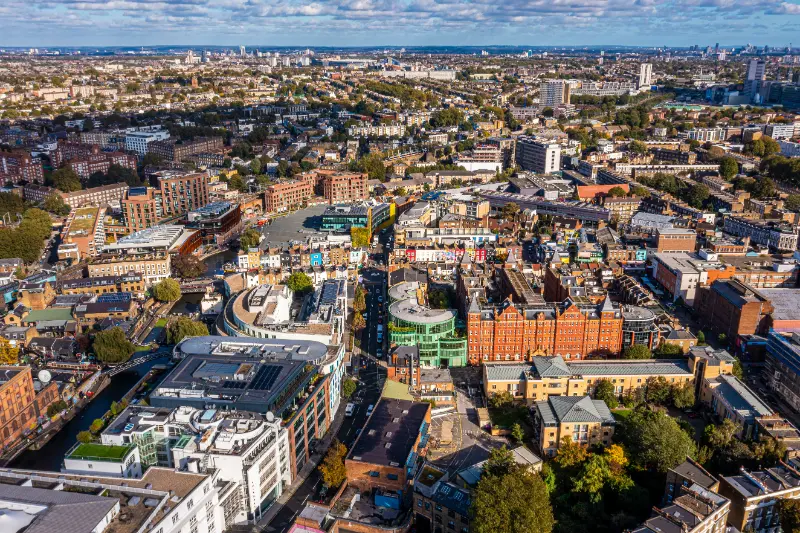
Soho has no turnstile or single official entrance. For practical sightseeing, think of Oxford Street to the north, Regent Street to the west, Charing Cross Road to the east and Shaftesbury Avenue/Chinatown to the south. Within that box, the character changes every few minutes. This is why a street-by-street approach works better than asking for the one best attraction.
Start by choosing a diagonal through the district rather than walking only the famous retail streets. Dean Street, Frith Street, Greek Street, Berwick Street and Old Compton Street reveal more of Soho’s personality than a quick pass along its edges. When a lane looks interesting, take it. The neighbourhood is small enough that getting slightly lost is usually an advantage.
Soho Square gives the area a centre
Soho Square is useful as a pause point and as a way to understand the district’s older urban form. Around it are offices, media buildings, historic facades and routes toward Oxford Street, Charing Cross Road and the heart of Soho. It is not one of London’s grandest squares, but that is precisely why it works: it feels like a neighbourhood space rather than a ceremonial one.
If your trip is museum-heavy, Soho Square can also act as the transition between the British Museum/Bloomsbury and the West End. Walk south from Bloomsbury instead of taking the Tube one stop; the shift in street life is part of the experience.
Music history is everywhere, but avoid turning it into a scavenger hunt
Soho is deeply connected to British popular music and nightlife. Denmark Street on the eastern edge, jazz clubs, former studios, record shops and famous venues all contribute to that story. Some legendary locations have changed use or disappeared, so be cautious with old online lists that imply every 1960s address is still functioning in the same way.
A more satisfying approach is to choose one living institution — perhaps a jazz venue, record shop or concert — and let historic locations add context around it. Music culture survives through active places, not only plaques. If you are planning an evening, check current programmes rather than relying on evergreen recommendation posts.
Carnaby is more interesting when connected to side streets
Carnaby remains one of Soho’s most recognisable shopping areas and carries strong associations with 1960s fashion and youth culture. Today it is highly commercial, but the surrounding pedestrian streets and Kingly Court create an easy place to wander, eat and people-watch.
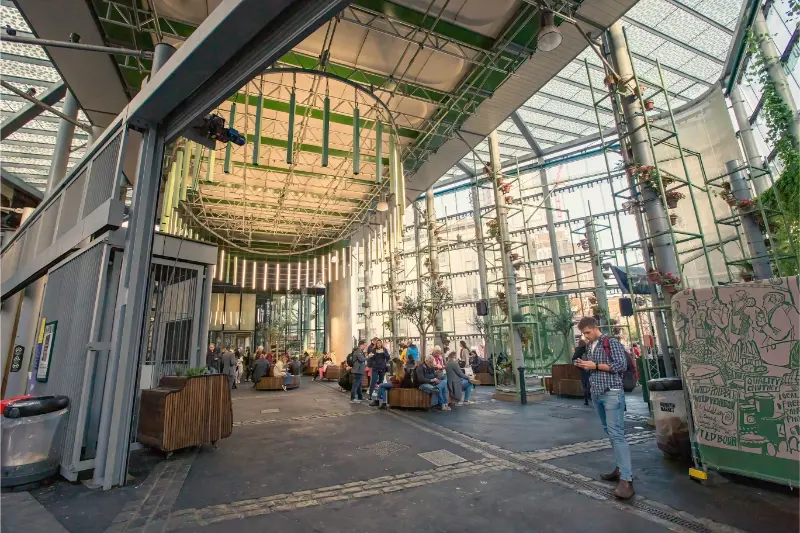
Do not judge the whole of Soho by Carnaby alone. Walk east through smaller lanes, then south toward Old Compton Street or Chinatown. The contrast between polished retail and dense independent food and nightlife is one of the reasons the area remains compelling.
Chinatown and Soho should be experienced together
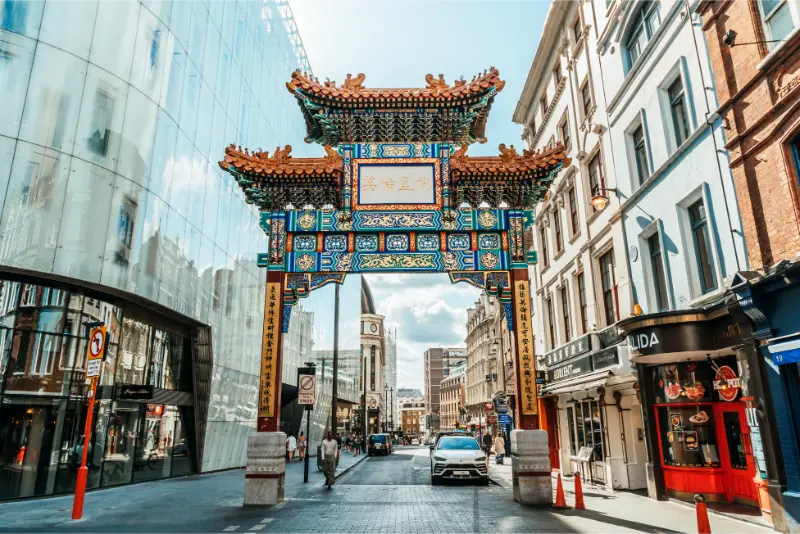
London’s Chinatown sits on Soho’s southern edge around Gerrard Street and the surrounding roads. The visual gateway and lanterns attract photographs, but the more useful reason to visit is food. Restaurants, bakeries, dessert shops and supermarkets give the area a different rhythm from the theatre streets next door.
Meal quality and queue length are not always the same thing. If one doorway has a viral line, walk another block and compare menus. Soho rewards curiosity. The neighbourhood has food from far beyond Britain, and that is not a contradiction to a London experience; it is one of the most London things about the city.
LGBTQ+ Soho: history and current nightlife overlap
Soho has long been associated with London’s LGBTQ+ social and nightlife history, particularly around Old Compton Street and nearby lanes. Today the area includes bars, clubs and community landmarks, but it is also a mixed central neighbourhood used by visitors of every background.
If you want to understand that history rather than simply visit a bar, look for guided walks, archives, plaques and cultural resources with a documented basis. Avoid treating living communities as a tourist attraction. The strongest travel writing recognises history while respecting that Soho is still a working social district.
Eating in Soho: choose a cuisine, not a “best restaurant” list
Soho has too many restaurants for one permanent ranking to remain useful. Openings, chefs and concepts change quickly. A better strategy is to decide what kind of meal you need: fast lunch, pre-theatre dinner, late-night noodles, modern British, small plates, bakery, vegetarian or something specific from Chinatown. Then compare current menus and availability within a few streets.
This method keeps your day geographically sensible. It also protects you from crossing London for a restaurant whose main attraction is online visibility. For broader ideas, use our London food guide and London markets guide.
A first-time Soho route that actually works
Begin at Tottenham Court Road and walk down Denmark Street, then cut west toward Soho Square. Continue through Greek Street and Frith Street, explore Old Compton Street, pass into Chinatown, then loop west toward Carnaby and finish near Regent Street or Piccadilly Circus. That gives you music, food, nightlife history and retail without repeating streets.
For an evening version, reverse the route and end deeper inside Soho after dinner. For a quieter daytime version, start before lunch and continue into Covent Garden afterward. Our Covent Garden guide and walking routes fit naturally with this plan.
How to use Soho at different times of day
Soho changes more than most central neighbourhoods between morning and night. Before lunch, it is easier to notice record shops, architecture, independent businesses and the smaller streets around Berwick Street. Late afternoon brings after-work energy. After dark, restaurants, bars, theatres and music venues become the main reason to stay. Decide which version you want before building the route; arriving at 10am for nightlife atmosphere or at 11pm for quiet heritage walking will obviously disappoint.
A useful daytime line runs from Oxford Street through Soho Square and Old Compton Street toward Chinatown, then west toward Carnaby and Kingly Street. In the evening, shorten the route and spend more time inside places rather than walking every street. If live music matters, check venue calendars instead of relying on a historical reputation: famous music addresses do not necessarily host the kind of performance you expect every night.
Food, nightlife and the journey home
Soho is a poor place to improvise every decision at 8pm on a Friday. Save one restaurant option, one backup and the nearest useful station for your hotel. Chinatown, Covent Garden and the wider West End are close enough to combine on foot, while our London nightlife guide is better for comparing Soho with Shoreditch, Camden and other evening areas.
For visitors who want context around food, music or LGBTQ+ history, a specialist small-group walk can add value. You can compare Soho tours on GetYourGuide. Late at night, use the same normal city precautions you would in any busy entertainment district: secure your phone, know the route back and do not follow an unofficial transport offer.
Soho beyond the obvious streets
One useful way to avoid making Soho feel interchangeable with the rest of the West End is to notice its micro-areas. Carnaby and Kingly Street lean toward shopping and polished dining; Old Compton Street carries a different nightlife and LGBTQ+ history; Berwick Street has its own market and music associations; Soho Square gives you a rare patch of green in the middle of the district. You do not need to ‘complete’ all of them. Pick two or three according to the time of day and the reason you came.
Frequently asked questions
Is Soho safe for tourists?
Soho is a busy central entertainment district. Use normal big-city awareness, especially late at night: watch belongings, plan the journey back and avoid poorly lit shortcuts if you are uncomfortable.
Is Soho worth visiting during the day?
Yes. Daytime is better for architecture, shops, cafés, music history and quieter walking. The atmosphere changes significantly after work and before theatre performances.
How much time do you need?
Two to three hours is enough for a first walk. Add dinner, theatre or live music and Soho can easily become your entire evening.
Is Chinatown part of Soho?
Chinatown sits immediately beside and partly within the wider Soho/West End area in practical visitor terms. They are easy to explore together on foot.
For the neighbouring streets around Gerrard Street and the cinema district, continue with our Chinatown and Leicester Square guide, which is designed to connect naturally with Soho and the West End.
Official information and final planning note
For details that can change — opening times, temporary closures, booking rules, access arrangements and special events — check the official pages before travelling: Visit London – Soho and Chinatown.
Soho rewards travellers who choose a time of day and a reason to be there. Walk it slowly in daylight for detail, or stay into the evening for food, music and nightlife—trying to do both at once often means seeing neither version properly.
Continue into Chinatown and Leicester Square
Soho flows directly into the West End’s East Asian food district. Our Chinatown and Leicester Square guide explains timing, restaurant strategy and how to connect the area with theatre.