
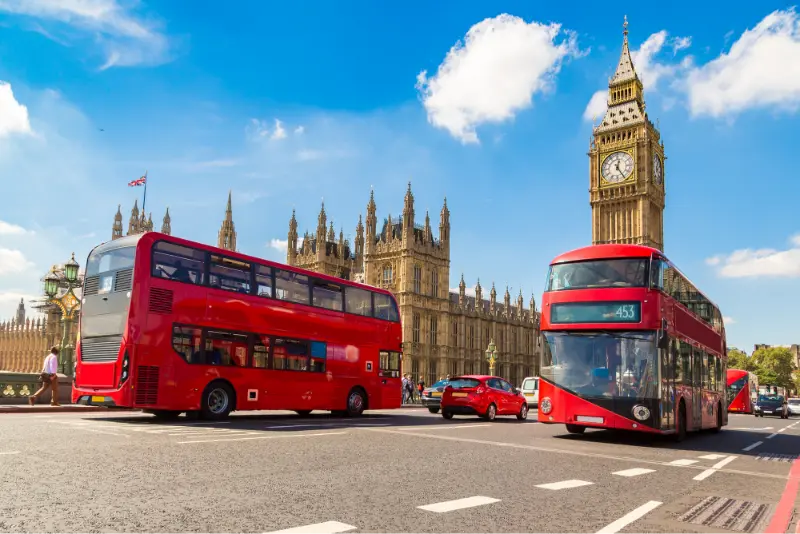
London is a very workable city for older travellers, but it rewards a different planning style from the classic “ten attractions in one day” itinerary. Distances inside stations can be long, historic buildings may involve stairs, and a route that looks short on a map can become tiring when queues, standing and pavement crossings are added. The solution is not to see less of London; it is to build days around comfort, transport and sensible breaks.
I would plan an older traveller’s London trip around two priorities each day, not five. Choose one major attraction in the morning, a proper lunch or rest, and one flexible afternoon area. That gives you room to use buses instead of rushing through deep Tube interchanges, sit in a park, return to the hotel briefly, or change the plan if weather or energy levels are different from expected.
London for senior travellers at a glance
| Best strategy | Stay central, reduce transfers, group sights by area |
| Most comfortable transport | Buses, Elizabeth line, selected step-free Tube routes, black cabs |
| Useful TfL tools | TfL Go, step-free maps, toilet map, “Please Offer Me a Seat” badge |
| Best hotel priority | Lift, walk-in shower if needed, short walk to transport, quiet room |
| Daily rhythm | Major sight in the morning, seated lunch, lighter afternoon |
Choose the hotel for energy, not just postcode
The cheapest central hotel can become poor value if it involves narrow stairs, a tiny lift, a long walk from the station or a room over a late-night street. For older travellers I care more about the last 400 metres than the zone number. Check whether the route from the nearest station is flat, whether the hotel lift reaches every floor, whether reception is staffed when you arrive and whether the bathroom layout works for you.
Victoria, Bloomsbury, South Kensington, Westminster, Marylebone and parts of Paddington can all work well, but the exact street matters. Our where to stay in London guide compares the main neighbourhoods. Once you have chosen an area, compare London hotels on Booking.com and verify lift and bathroom details with the property itself.
The Tube is useful, but not always the easiest option
The Underground is fast, yet some central stations involve long corridors, escalators and multiple level changes. A journey with one “easy” interchange can require more walking than staying on a bus for ten extra minutes. If stairs, balance or fatigue are concerns, use TfL’s accessibility filters rather than planning only by journey time.
The official TfL accessible journey planner lets you reduce walking, avoid stairs and plan around step-free routes. The TfL Go app also provides lift-status information and can show accessible toilets. London’s accessible network is expanding, but “step-free to platform” and “level boarding” are not identical at every station, so check the specific route if a step or gap is important.
Why buses are underrated for older visitors
Buses are often the most pleasant way to move between central sights because you avoid stairs and see the city while travelling. All London buses have priority seats, and TfL says the fleet is wheelchair accessible. Next-stop information is announced audibly and shown visually. The trade-off is traffic: a bus through Westminster or the West End can be slow in the middle of the day.
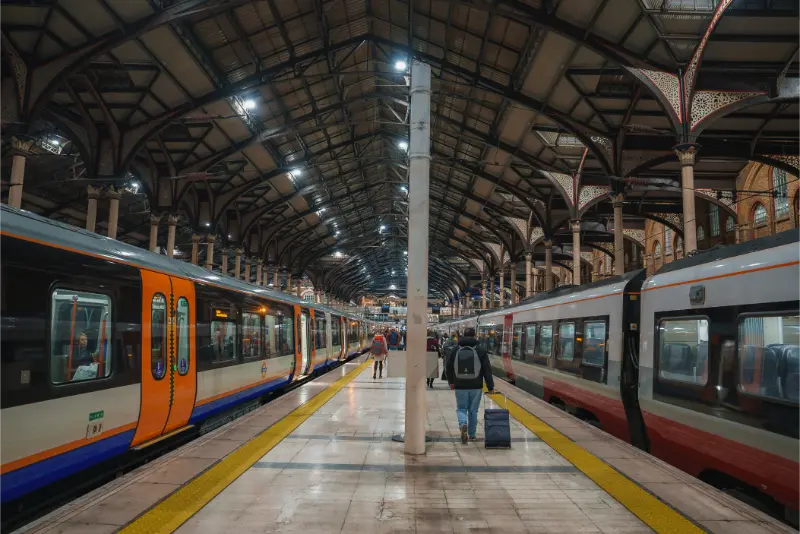
I use buses when the journey itself is useful sightseeing or when the Tube would require a difficult interchange. For example, travelling from Trafalgar Square toward Kensington by bus can be more relaxing than descending, changing and climbing again. If standing is difficult, TfL offers a free “Please Offer Me a Seat” badge and card. Priority seating is intended for anyone who needs it, including older people and passengers with visible or non-visible conditions.
Black cabs can be worth the cost at the right moment
A taxi is not necessary for every journey, but it can transform the difficult part of a day: airport arrival with luggage, theatre return after dark, a wet afternoon, or the final trip back to the hotel after several hours on your feet. Licensed London black cabs accept card and contactless payments and are designed with accessibility features including grab handles, induction loops and wheelchair access.
That does not make taxis cheap, so I would use them strategically. Saving your energy for Westminster Abbey, the Tower of London or a concert can be better value than spending it on a complicated interchange. For transport fundamentals, read our London public transport guide before travel; it explains Tube, buses, Oyster and contactless payment in more detail.
Build sightseeing days around compact areas
London becomes much easier when you stop crossing the city repeatedly. Westminster can fill a day with the Abbey, Parliament, St James’s Park and the river. South Kensington groups the Natural History Museum, Science Museum, V&A and cafés within a relatively small area. Greenwich combines the park, maritime museums and riverside. The City groups St Paul’s, historic lanes and the Thames around a different style of London.
The important word is “group”. Even when two places are only 20 minutes apart by Tube, a station change can add standing and walking. A compact neighbourhood day creates more opportunities to sit, have coffee and make decisions as you go. It is also easier to abandon the final stop without feeling that the whole plan has failed.
Museums: free entry does not mean unlimited energy
London’s national museums are excellent for older travellers because many are free and provide cafés, toilets, seating and lifts. The mistake is trying to “do” an entire institution. The British Museum, V&A and National Gallery can each consume half a day if you follow every room. Choose one theme, floor or collection and leave while you are still enjoying it.
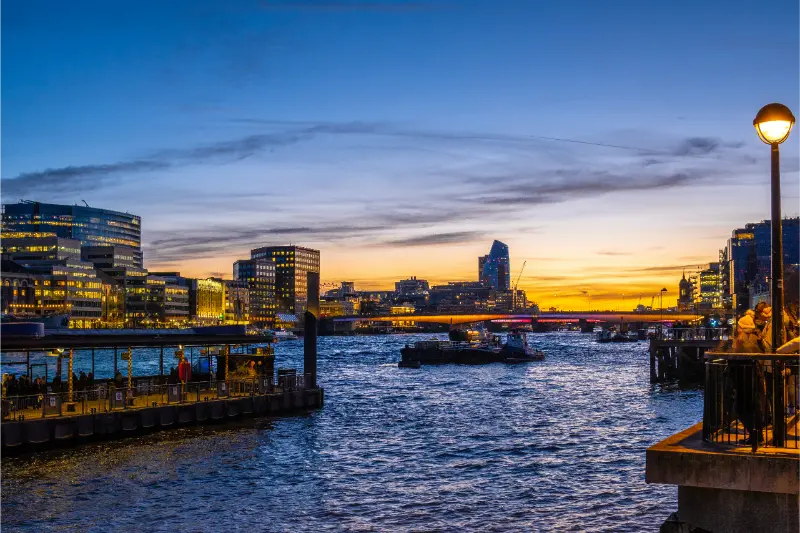
Timed temporary exhibitions can provide a useful structure because you know what the main objective is. If you need seating, accessible toilets or step-free routes, check the museum’s access page before departure. Visit London’s Accessible London information also links to venue-specific access resources.
Toilets, medication and practical breaks
Toilet planning sounds unglamorous until it becomes the detail that controls the day. TfL publishes a Tube toilet map, and major museums, department stores and large attractions usually provide facilities. In parks and smaller stations, availability can be less predictable. Make toilet stops part of lunch and museum visits instead of waiting until they become urgent.
If you travel with prescription medication, keep essential doses and documentation in hand luggage rather than checked baggage, and carry enough for the trip plus a reasonable contingency. Medical and pharmacy rules are personal, so confirm requirements with your doctor, pharmacist and official UK guidance before travel rather than relying on a generic travel article.
Theatre, concerts and evening plans
The West End can be ideal for older visitors because an evening show is seated, weatherproof and memorable. The practical detail is the theatre itself. Historic auditoriums can have steep stairs, limited legroom and no lift to every level. If mobility is relevant, do not choose seats only from a price map; read the venue’s access information and contact the box office when necessary.
A matinee can be much easier than an evening performance if you dislike late travel. It also allows a simple early dinner afterward before returning to the hotel. Our West End theatre guide explains ticket and seating choices in more detail.
A comfortable three-day pattern
Day one: Westminster Abbey or another major landmark in the morning, lunch nearby, St James’s Park and Trafalgar Square in the afternoon. Keep the evening free after the travel day.

Day two: one South Kensington museum, a proper seated lunch, then a second museum only if energy is good. Finish with a taxi or direct bus to an early dinner rather than adding a distant attraction.
Day three: take a river boat to Greenwich, explore one or two attractions and return by boat or DLR. The river gives you sightseeing while seated, and Greenwich has enough variety to fill the day without constant transport changes.
When to visit
Late spring and early autumn often provide a good balance of daylight and manageable temperatures, but London weather is never fully predictable. Summer offers long days yet also heavier visitor numbers, while winter can be rewarding if museums, theatre and seasonal events matter more than long walks. I would choose dates around your own comfort with heat, darkness and crowds rather than chasing a mythical perfect month.
Common mistakes senior travellers can avoid
- Booking a hotel because it is “central” without checking the walk from the station.
- Assuming every Tube station marked step-free offers identical boarding conditions.
- Scheduling attractions in different neighbourhoods on the same day.
- Trying to walk all day because London appears flat on a map.
- Ignoring theatre access details until after seats are purchased.
- Leaving every restaurant decision until hunger makes the nearest option feel compulsory.
- Treating a taxi as failure rather than a strategic way to conserve energy.
Final advice
London works best for senior travellers when convenience is treated as part of the experience. A hotel five minutes from useful transport, one well-chosen bus journey and a long lunch can add more pleasure than another hurried landmark. Build days that have a clear priority and an easy way to slow down. The city is too interesting to spend your holiday recovering from your itinerary.
Day trips: choose direct rail over complicated tours
If you want one day outside London, I would prioritise destinations with a direct train and a compact centre. Windsor, Oxford, Cambridge and Brighton can all be easier than a coach itinerary that starts very early and spends hours getting on and off a vehicle. The best choice depends on what you enjoy, but the principle is consistent: fewer transfers and a predictable return usually matter more than squeezing two destinations into one day.
Reserve seats where the rail operator allows it, avoid the busiest commuter departures when possible and check how far the station is from the main sights. A destination can be “one hour from London” yet still require another 25 minutes of walking at each end. Build the complete door-to-door journey into your energy budget.