
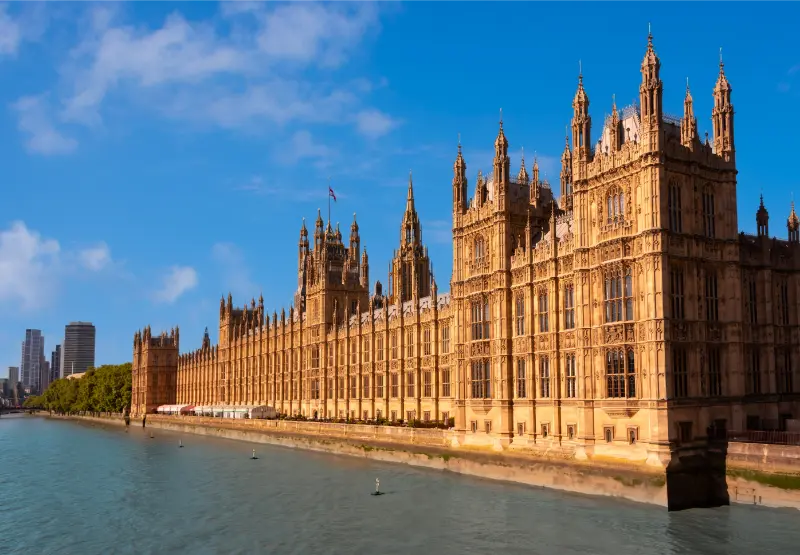
Westminster is where many first-time visitors meet London: Parliament, Big Ben, Westminster Abbey, Whitehall, St James’s Park and Buckingham Palace all sit within a surprisingly compact area. The mistake is treating these landmarks as isolated photo stops. Westminster becomes much more rewarding when you understand the sequence between them, leave time for interiors, and use the smaller streets, gardens and riverfront as part of the experience. This guide is built as a realistic walking day rather than a checklist. If this is your first trip, pair it with our first-time London guide and three-day London itinerary.
| Best for | First visits, royal and political history, architecture, photography |
|---|---|
| Minimum time | 3–4 hours for exteriors; most of a day with major interiors |
| Useful stations | Westminster, St James’s Park, Charing Cross, Victoria |
| Best approach | Walk the area in one direction instead of repeatedly using the Tube |
Start at Westminster Bridge, not inside the Tube maze
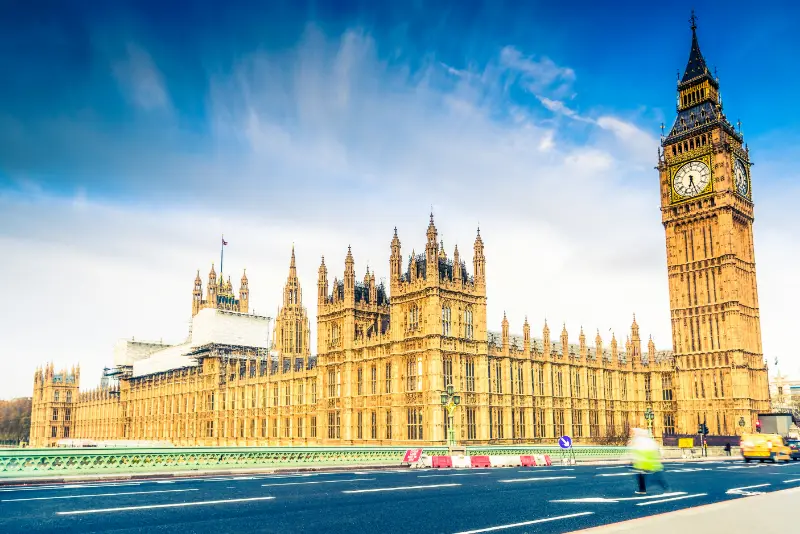
Arriving at Westminster Underground is efficient, but give yourself a moment to get oriented before charging toward the first queue. Step toward the river and look across the Thames. From the south side of Westminster Bridge you get the classic view back to the Palace of Westminster and the Elizabeth Tower, while from the north bank you can understand how Parliament, the Abbey and Whitehall fit together. The point of starting here is geographical: once the river is behind you, the rest of the day unfolds naturally west and north.
Big Ben is technically the name of the Great Bell, although the nickname is widely used for the clock tower itself. You do not need to correct everyone around you; what matters for a useful visit is recognising that the Palace of Westminster is a working parliamentary complex, not simply a backdrop. Security arrangements, access to debates and tours depend on parliamentary business, so do not build a tight day around assumptions about entry.
- Walk onto the bridge for wider views, then return toward Parliament Square.
- Allow extra time around demonstrations, ceremonies or road closures.
- Early morning gives cleaner sightlines; dusk gives the most atmospheric river views.
Westminster Abbey deserves more than a quick exterior photo
Westminster Abbey has been the coronation church since 1066 and is the burial or memorial place of major figures from British history. That density is exactly why a rushed visit can feel overwhelming. Instead of trying to absorb every monument, choose a few themes before entering: monarchy, writers, scientists, military history or medieval architecture. The Abbey itself says most visitors spend around one and a half to two hours, with longer needed if you add the Galleries and Cloisters.
Because it is a working church, schedules can change for services and special occasions. Sunday is primarily for worship rather than ordinary sightseeing. Advance booking is useful in busy periods, and the multimedia guide helps make sense of spaces that otherwise become a blur of names and stone. If you only have one paid interior in Westminster, this is one of the strongest choices because the building connects royal, religious and national history in one place.
Parliament Square to Whitehall: read the city between the icons
From Parliament Square, walk north along Whitehall rather than disappearing underground. Within a short distance you pass the government quarter, the Cenotaph, Horse Guards and entrances toward Downing Street. Access and sightlines around official buildings can be restricted, but the walk itself is valuable because it shows how tightly ceremonial London and working government overlap.
A useful detour is through Horse Guards Parade toward St James’s Park. This avoids returning along the same pavement and immediately changes the atmosphere from formal avenue to greenery and water. If Churchill War Rooms is on your list, schedule it as a timed anchor rather than trying to squeeze it in spontaneously between the Abbey and the Palace. The underground complex is more absorbing than its modest entrance suggests.
- Whitehall is best appreciated on foot.
- Do not block gates or security areas for photographs.
- Keep one timed attraction in this zone rather than stacking several.
St James’s Park is part of the route, not dead time
St James’s Park is the most elegant way to connect Westminster with Buckingham Palace. Take the path around the lake instead of walking only along the edge of The Mall. The bridges and waterside paths give changing views toward government buildings and the Palace, and the park provides a natural break after the heavier history of Parliament and the Abbey.
If the day is crowded, this is also where to slow the pace. London itineraries often fail because every minute is allocated to an attraction. Twenty unplanned minutes on a bench can make the second half of the day better. Families especially benefit from treating the park as a destination rather than a corridor. For more green-space ideas, see our London neighbourhood guide.
Buckingham Palace: decide whether you want the building, the ceremony or the interior
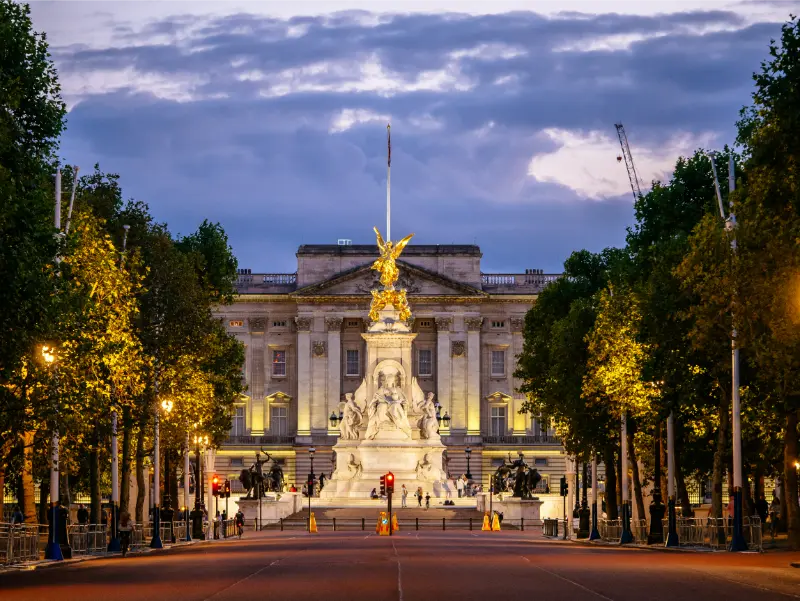
Many visitors arrive at Buckingham Palace without deciding what they actually want to experience. Seeing the façade and Victoria Memorial is free and possible year-round. Watching a guard ceremony requires checking the official schedule and accepting that the best-known viewpoints can become crowded. Touring the State Rooms is different again: it is seasonal for general visitors and needs far more time than a photo stop.
If the State Rooms are open during your dates, avoid scheduling Westminster Abbey, Churchill War Rooms and Buckingham Palace interiors all in one compressed window. That looks efficient on a map but feels like a sequence of queues and security checks. Our separate Buckingham Palace guide explains what can actually be visited and how to combine the Palace with the Royal Mews, St James’s or Green Park.
The quieter Westminster most itineraries miss
Westminster has several calm pockets within minutes of the headline sights. Dean’s Yard gives a different perspective on the Abbey precinct. Victoria Tower Gardens stretches south from Parliament beside the Thames and is useful when Parliament Square feels congested. The streets around St James’s contain old clubs, shops and small passages that feel far removed from coach-tour London even though they are close to The Mall.
These are not secret places, and they should not be marketed as if nobody knows them. Their value is practical: they create breathing space and reveal that central London is layered. A good day in Westminster alternates grand set pieces with smaller transitions instead of treating every street between attractions as wasted time.
Where to eat without derailing the day
The streets immediately around the biggest landmarks are convenient but not always the most interesting place to spend your food budget. If lunch is purely functional, eat near your current attraction and keep moving. If food matters, walk toward Victoria, St James’s, Soho or Covent Garden rather than crossing London for a restaurant saved from social media.
For an English pub stop, remember that central pubs vary from historic rooms to modern chains. Our historic London pubs and pub etiquette guide explains ordering, tipping expectations and how to distinguish a worthwhile pub stop from a generic one. The main rule is simple: choose food and drink that fit the geography of your day.
A realistic Westminster route for one day
A strong full-day sequence is Westminster Bridge and Parliament Square in the morning, Westminster Abbey as your main interior, Whitehall and Horse Guards on foot, lunch, St James’s Park, then Buckingham Palace and Green Park. If you still have energy, continue through St James’s to Piccadilly and finish in Soho or Covent Garden for the evening.
That route works because it moves in one direction and changes character several times. It also gives you escape options: skip an interior if the weather is exceptional, add Churchill War Rooms if rain arrives, or finish earlier if jet lag catches up. London rewards flexible structure far more than rigid minute-by-minute planning.
- Morning: Parliament Square + Westminster Abbey.
- Midday: Whitehall + Horse Guards + lunch.
- Afternoon: St James’s Park + Buckingham Palace.
- Evening: walk toward Piccadilly, Soho or Covent Garden.
Guided Westminster: when it adds value
Westminster is easy to walk independently, but a specialist guide can help with parliamentary, royal and church history. compare Westminster tours on GetYourGuide; check whether Abbey admission is actually included or whether the product is an exterior walk only.
Frequently asked questions
How long do you need in Westminster?
Allow at least three to four hours for a meaningful exterior-focused visit. With Westminster Abbey or Churchill War Rooms, half a day is more realistic; with multiple interiors, make Westminster the main focus of the day.
Is Westminster walkable?
Yes. The key sights are close enough that walking is usually better than taking the Tube between them. Comfortable shoes matter because security queues and large interiors add standing time.
What is the best time of day for Westminster?
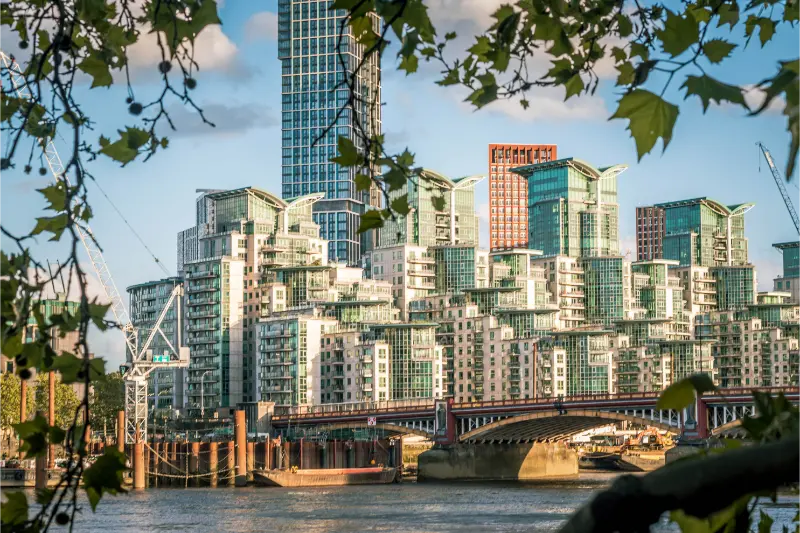
Early morning is calmer for landmark photography. Late afternoon and dusk are excellent for the river and illuminated buildings. Interior opening times should determine the middle of your day.
Can you visit Westminster Abbey on Sunday?
The Abbey is open for worship on Sundays, but ordinary tourist visiting operates differently. Check the official schedule if your trip falls on a Sunday.
Official information and final planning note
For details that can change — opening times, temporary closures, booking rules, access arrangements and special events — check the official pages before travelling: Westminster Abbey, Visit London – Westminster.
Westminster works best when ceremony and ordinary city life share the same route. Give the Abbey or Churchill War Rooms proper time, walk the public spaces between them and use St James’s Park as breathing room rather than treating every royal or political building as another timed stop. The area is compact enough that a thoughtful walking sequence is almost always better than jumping between stations.
If your dates fall in June, check our Trooping the Colour guide: parade-day security and crowds can change how Westminster, Horse Guards and The Mall work.
For an interior visit to the political heart of Westminster, see our Houses of Parliament tour guide.