
Cambridge is one of the easiest high-quality day trips from London because the historic centre is compact, the university architecture is immediately distinctive and the experience does not depend on hiring a car. The mistake is assuming “Cambridge” means seeing as many colleges as possible. A better day mixes one or two interiors, the streets and Backs, a punt or riverside walk, and enough free time to notice the city beyond university gates.
The official Visit Cambridge site highlights punting, King’s College Chapel, the Fitzwilliam Museum and the college landscape as core experiences. That is a useful framework, but opening arrangements for individual colleges vary with university life, services, exams and events. Build flexibility into the route rather than treating every gate as a guaranteed attraction.
ROUTE MAP
Cambridge day-trip map
Use the map as a planning overview. The numbered markers follow the order suggested in this guide; exact walking and transport choices can change with closures, weather and your bookings.
- Cambridge Station
- Fitzwilliam Museum
- King’s College
- Market Square
- Trinity College
- Quayside / Punting
Is Cambridge worth a day trip from London?
Yes for travellers interested in architecture, universities, history, walking and a change of scale after several days in London. It is less suitable if your dream day trip is countryside villages or castles. Compare it with Oxford, Windsor and the Cotswolds before choosing.
Getting from London to Cambridge
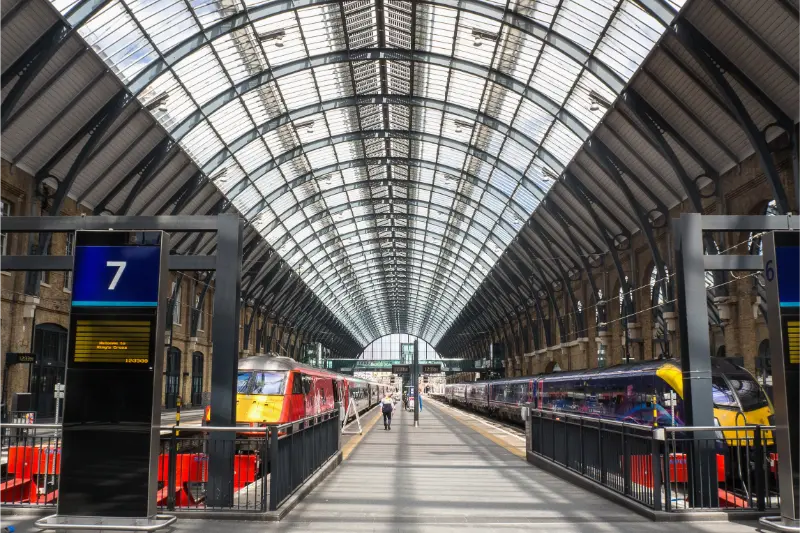
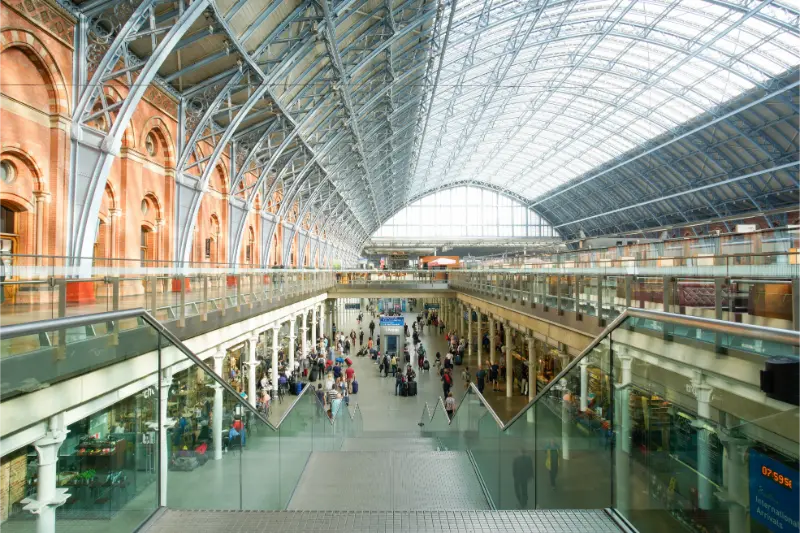
Direct trains operate from London terminals including King’s Cross and Liverpool Street, with journey times and stopping patterns varying by service. Check National Rail or the train operator for your exact date and avoid building the itinerary around a timetable copied months earlier. Cambridge station is not directly on the historic Market Square, so include the walk or local connection in your day.
A realistic one-day route
Morning: arrive and walk toward the historic centre, using the streets around Pembroke, Corpus Christi and King’s Parade to understand the college pattern. Make King’s College Chapel your main paid or timed interior if it is open to visitors. Then continue along the Backs or nearby riverside paths instead of entering every available college.
Lunch: use the market/central streets rather than travelling to a distant restaurant. Afternoon: choose either a chauffeured punt or the Fitzwilliam Museum, then fit the other only if time and energy remain. Finish with a slow walk through the centre before returning to the station.
King’s College Chapel: check before you go
King’s College Chapel is the most recognisable interior for many visitors, but it is part of a functioning college and worshipping community. Visitor access and service schedules can change. Check the official college page for your date. If access does not work, Cambridge still has enough architecture, museums and river scenery to justify the day.
Punting: guided or self-hire?
A chauffeured punt lets you look at the college Backs while someone else handles the boat and explains landmarks. Self-hire is more active and can be entertaining, but steering a punt is a skill and the river can be busy. Visit Cambridge specifically advises using licensed punting operators and notes that unlicensed sellers may approach visitors in central streets.
For a first day trip, I would choose a chauffeured punt if the river view is important. It is more predictable, gives context and avoids turning an hour into a lesson in how to escape the bank.
Affiliate link. Dreaming London may earn a commission from qualifying bookings at no extra cost to you.
The Fitzwilliam Museum: the best weather-proof option
The Fitzwilliam Museum is free and gives the day a major cultural interior without another college admission. It is particularly valuable if rain makes punting less attractive. Do not assume “free” means a ten-minute stop: the collection is large enough to justify a focused hour or two.
Cambridge versus Oxford
Oxford and Cambridge overlap—historic universities, colleges, chapels, museums—but the feel differs. Cambridge’s river and Backs make punting a central part of the visitor experience, while Oxford’s city fabric, Bodleian complex and college streets create a different walking day. Choose one if your London trip is short; doing both on consecutive days can feel repetitive unless university history is a special interest.
Where Cambridge fits in a longer London trip
I would not use one of only three London days for Cambridge unless you have already visited the capital or university cities are a major priority. It fits far better into five days or a one-week London trip, where the change of pace feels refreshing rather than like missing London.
What not to do
- Trying to enter every famous college.
- Assuming college opening hours are fixed tourist hours.
- Buying a punt from an unlicensed street seller.
- Ignoring the walk between the station and historic centre.
- Booking the last possible train back before an important London evening.
- Doing Oxford and Cambridge back-to-back only because both are famous.
Should you stay overnight?
An overnight stay makes sense if you want Evensong, a slower college programme, museums and evening atmosphere without watching the clock. It also allows you to explore when day-trip groups have left. For most first-time London visitors, however, one well-planned day is enough to understand why Cambridge is distinctive.
Frequently asked questions
Can you visit Cambridge without a tour?
Yes. The centre is walkable and independent travel by train is straightforward. A tour becomes useful when you want guided university history or transport bundled from London.
Is punting essential?
No, but it is one of the most distinctive ways to see the college Backs. In poor weather, substitute the Fitzwilliam Museum or more college interiors.
How many colleges should I visit?
Usually one or two properly is enough for a day trip. The streets and Backs are part of the experience; you do not need an admission ticket at every gate.
College access is part of a living university
A Cambridge college is not a theme-park exhibit. Students live and work behind the gates, chapels host services and examination periods change access. That is why opening arrangements can feel inconsistent to tourists. Treat restrictions as part of visiting a living university rather than an inconvenience designed for visitors. Check the college you most care about, then let the rest of the architecture be discovered from public streets and river views.
The station-to-centre walk can improve the day
Instead of treating the walk from the railway station as dead time, route it through streets that gradually reveal the university city. You can also use a local bus or taxi if mobility, weather or time makes walking unattractive. The important point is to include this transfer in your schedule. A train arriving at 10:00 does not mean you are standing inside King’s College at 10:02.
Cambridge is easiest when you choose one college priority
College opening arrangements change around term, exams, services and university events. Instead of building the entire day around entering four famous colleges, choose the one that matters most and treat the others as architectural stops from the outside if necessary. This protects the itinerary from a gate closure or changed visitor period.
The university is not a theme park. Students live and work behind those gates, and access restrictions are part of a functioning institution rather than a failure of tourist planning.
Punting: decide whether it is transport, history or entertainment
A chauffeured punt can provide stories and an easy view of the Backs; self-punting is more active and can be memorable for groups who genuinely want the challenge. Neither is essential. If the weather is poor or you would rather see interiors, skip it without feeling you missed Cambridge.
Do not let a long punting queue consume the middle of the day. If it is a priority, book through a reputable operator or arrive with a clear plan. If it is optional, decide only after you see the weather and crowd levels.
Food strategy: leave the most obvious central streets
The area around the busiest colleges naturally concentrates visitor traffic. Walk ten minutes away before choosing lunch and you often gain more space and choice. A sit-down meal also creates a useful break between morning architecture and an afternoon museum, river walk or college visit.
Return train flexibility can be worth paying for
Cambridge is a day where you may finish earlier in bad weather or stay later if the evening atmosphere is good. When comparing rail fares, consider whether a cheaper ticket tied to one train is worth the loss of flexibility. Check the actual conditions before purchase rather than assuming every ticket works on every service.
Do not overfill the final hour
Cambridge is especially pleasant when you leave a little time to walk back toward the station without a last-minute sprint. Use the final hour for a cafe, bookshop or river view rather than squeezing in another college gate simply because it is nearby. The calmer finish usually improves the whole day.
What to do if college access is limited
If your preferred college is closed, do not spend the day waiting for access to change. Move to a museum, the river, a church interior or a longer walk through the historic centre, then check again later if the college reopens. Cambridge has enough public-space interest that a closed gate should alter the route, not ruin the trip.
Bottom line
Cambridge works because it is compact and different from London. Protect that advantage: keep the route simple, choose one signature interior and one signature outdoor experience, and leave enough unplanned time to walk.