
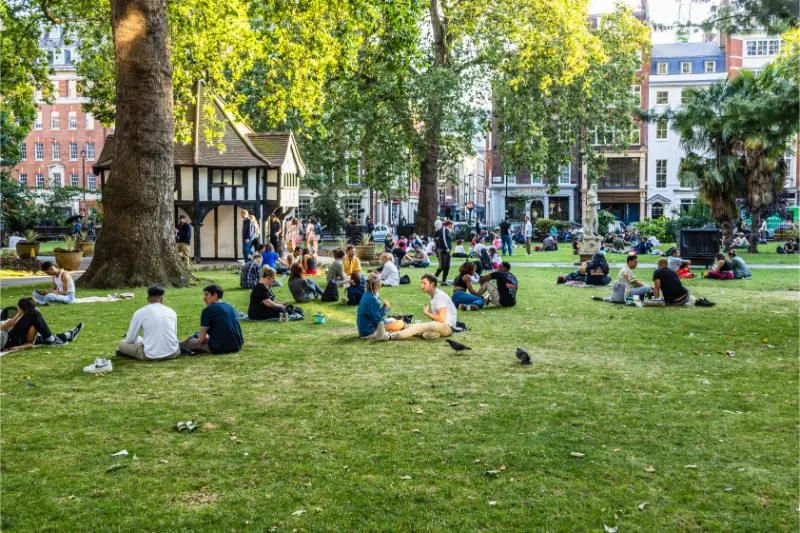
Richmond is one of the best answers to a common London problem: after several days of museums, traffic, queues and dense sightseeing, you want to leave “central London” without spending half the day on a train to another city. Richmond gives you river, large-scale parkland, historic streets, pubs and access to Kew Gardens while remaining inside Greater London.
The mistake is trying to combine everything simply because it is nearby on a map. Richmond Park alone can absorb hours; Kew Gardens is a major destination in its own right. This guide gives you several day structures so you can choose according to season, weather and energy. It is also a useful alternative to a full excursion outside the capital; compare the options in our best day trips from London by train guide.
| Best for | Parks, riverside walks, families, gardens, repeat visitors and slower travel |
|---|---|
| Main station | Richmond |
| Best approach | Choose Richmond Park OR Kew Gardens as the main anchor, then add the river |
| Time needed | A full day for a satisfying visit |
First choice: Richmond Park or Kew Gardens?
This decision shapes the entire day. Richmond Park is free, enormous and landscape-focused. Kew Gardens is ticketed, curated and botanically dense, with glasshouses, collections and designed landscapes. Trying to give both equal time usually means you experience neither properly.
If you want wildlife, open horizons and long walks, choose Richmond Park. If plants, glasshouses, horticulture and a structured attraction appeal more, choose Kew. Families can enjoy both, but age and walking tolerance matter.
Richmond town and the Thames
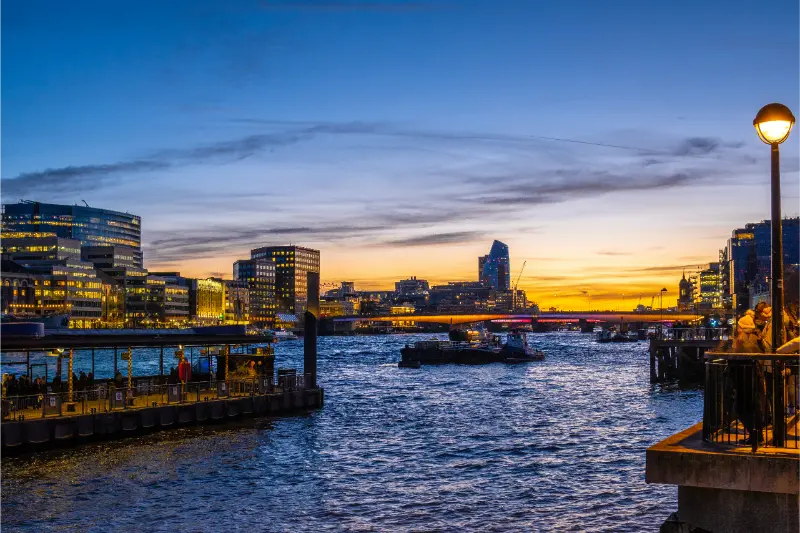
Richmond’s riverfront is the easiest introduction. From the station, walk through the centre toward the Thames, then follow the towpath for a stretch before deciding whether to climb toward Richmond Hill or continue along the water. The river feels different here from Westminster: broader in mood, greener at the edges and less dominated by monumental architecture.
A riverside lunch can become part of the day, but sunny weekends are busy. If a particular pub or restaurant matters, book; otherwise, keep food flexible and enjoy whichever stop fits the walk.
Richmond Hill and the protected view
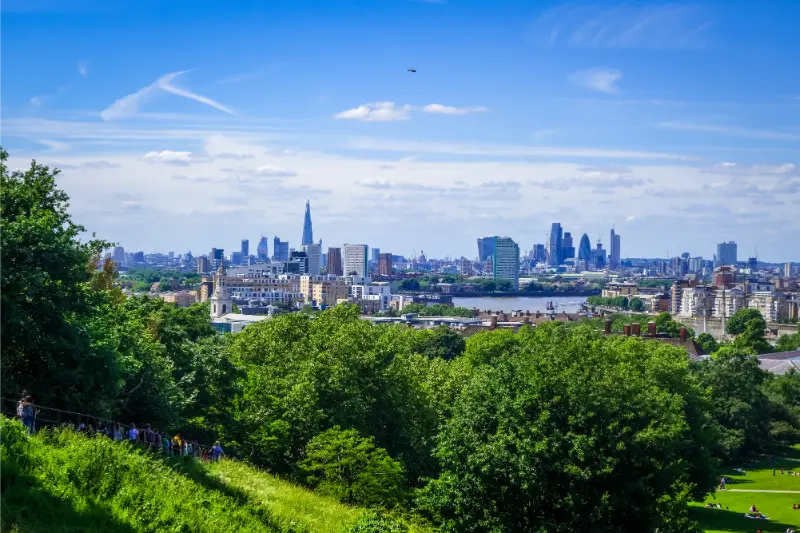
The climb toward Richmond Hill rewards you with one of London’s most celebrated river landscapes. The view across the Thames and surrounding green space explains why the area has attracted artists and residents for centuries. It is a landscape view rather than a skyline view, which makes it a useful contrast with the London Eye or City towers.
Do not rush up simply for one photograph. The route itself, nearby terraces and the transition toward the park are the experience.
Richmond Park: treat the deer as wildlife
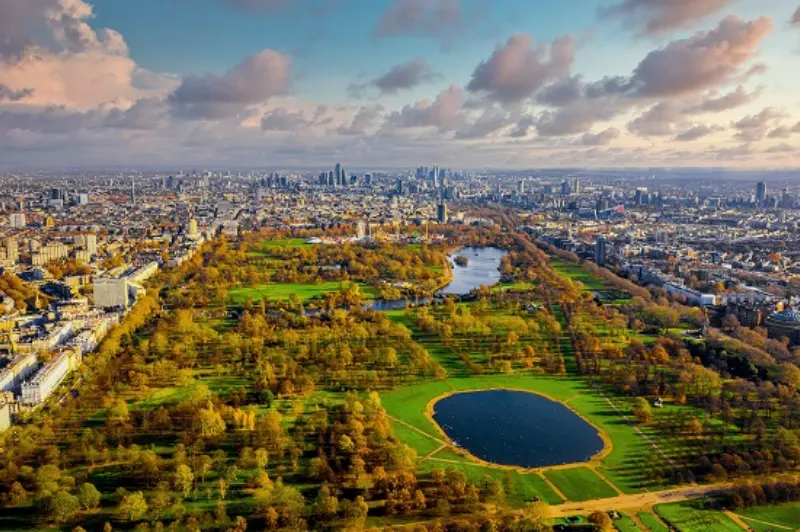
Richmond Park covers a vast area of grassland, woods and hills and is home to free-roaming deer. They are not pets, props or an invitation to get close for photographs. Keep a generous distance, never feed them and follow seasonal guidance from The Royal Parks, particularly during birthing and rutting periods.
The Royal Parks also posts conservation notices, including protection zones for sensitive wildlife. Check Richmond Park official information before visiting and follow signs on the ground even if an online route tells you otherwise.
How much of Richmond Park should you try to see?
Not all of it. Choose a loop that matches your walking ability and transport plan. Isabella Plantation can be a destination in itself, especially in spring, while viewpoints and woodland routes suit other seasons. The park is large enough that walking “to the other side” can turn into a serious time commitment.
Carry water, wear shoes suitable for potentially muddy ground and remember that weather feels more exposed than in central streets. Mobile reception and navigation are generally manageable, but a downloaded map is useful.
Kew Gardens: a separate major attraction
Kew is not a small botanical garden to add for an hour. The Royal Botanic Gardens cover hundreds of acres and include major glasshouses, collections, art and architectural features. Give it at least half a day; a full day is easy for plant lovers.
Opening times change seasonally. In 2026, Kew publishes specific monthly schedules and occasional planned closures or altered gate arrangements. Check Kew Gardens official opening information shortly before visiting.
How to reach Kew and Richmond
Richmond and Kew are well connected by rail and London transport. Kew Gardens station serves the District line and London Overground/Mildmay line services, while Richmond is a larger interchange with National Rail and TfL connections. Exact routes depend on where you are staying, so use TfL journey planning on the day rather than memorising a single “best” route.
For Kew, different gates suit different arrival methods. The official site provides gate-specific directions. This matters more than it sounds: entering at the wrong side can add a long walk before your visit even begins.
A Richmond Park day that works
- Arrive in Richmond in the morning.
- Walk to the river and continue toward Richmond Hill.
- Enter Richmond Park and follow a realistic loop rather than crossing the entire park.
- Return toward town for a late lunch or early dinner.
- Use the riverside again in softer late-afternoon light.
This version is low-cost, flexible and weather-dependent. It is ideal after several expensive attraction days.
A Kew Gardens day that works
- Travel directly to the gate most convenient for your route.
- Spend the morning on major glasshouses and high-priority collections.
- Eat inside or nearby rather than leaving and re-entering without checking conditions.
- Use the afternoon for landscapes, seasonal highlights and quieter areas.
- If energy remains, continue to Richmond for a short river walk rather than attempting Richmond Park.
Tickets for Kew
Buying from Kew directly is straightforward. Third-party platforms can be useful for travellers managing multiple London bookings in one app. Compare current price and cancellation terms rather than assuming one channel is always cheaper.
Affiliate link. Dreaming London may receive a commission from qualifying bookings at no extra cost to you.
Where to stay: Richmond as a London base?
Richmond can work for repeat visitors who value green space and evenings away from the centre. For a first trip focused on Westminster, museums and the West End, the daily travel may be less convenient than staying centrally. It is better thought of as a lifestyle choice than a budget hack.
Compare it with more central areas in our where to stay in London guide.
Affiliate link. Dreaming London may earn a commission from qualifying reservations at no extra cost to you.
Families in Richmond
Families often appreciate the freedom of the river and park after central attractions. The important issue is distance: Richmond Park can turn a “walk” into several kilometres before anyone notices. Choose a short loop, carry food and water, and do not build the day around spotting deer. Wildlife sightings are a bonus, not a guaranteed activity.
Seasonal differences matter in Richmond
Spring brings fresh growth and strong garden interest; summer gives long evenings by the river; autumn can be spectacular in the park but also overlaps with important wildlife behaviour, so deer guidance matters; winter offers open views and quieter paths but shorter daylight and muddier ground. Build the route around season rather than using the same schedule year-round.
Kew’s glasshouses make the area more resilient in poor weather, while Richmond Park is best when you are happy to spend substantial time outdoors. A flexible forecast-based choice between the two can improve the day dramatically.
River walk or park walk?
The Thames path is flatter, easier to shorten and better if you want pubs, town access and a relaxed pace. Richmond Park is bigger, more exposed and more physically demanding, with a stronger sense of escape. Travellers with limited mobility or young children may prefer a river-focused day plus a short park edge rather than a deep park loop.
Do not measure success by kilometres. A slow riverside walk, lunch and one viewpoint can be a complete Richmond experience.
Frequently asked questions
Is Richmond worth visiting on a first London trip?
Yes if you have five or more days or strongly prefer green spaces. With only two or three days, central London may deserve more time.
Can you do Kew Gardens and Richmond Park in one day?
Technically yes, but it is usually a poor use of both places. Choose one as the main destination and add only a short taste of the other area.
Is Richmond Park free?
Yes, general access to the park is free. Vehicle access and gates follow specific operating rules and can be affected by events or management measures.
How close can you get to the deer?
You should not approach them. Keep a safe distance and follow Royal Parks guidance, which can become more restrictive during sensitive seasons.
Why Richmond changes a London trip
Richmond reminds you that London is not only monuments, museums and dense streets. The city also contains huge landscapes, tidal river scenes, wildlife and botanical collections that can absorb an entire day. Giving one day to that greener London can make the rest of your trip feel better paced — and it often creates memories that are completely different from the famous central checklist.