

London can be brilliant with children, but it punishes overplanning. Distances that look small on a map become longer when you add station corridors, snack stops, toilets, buggy lifts and the simple fact that children do not move through a city like adults on a mission. A good three-day family itinerary therefore needs fewer fixed appointments than a standard first-time schedule.
The plan below is designed for a first family visit with school-age children, but it can be slowed down for younger children or made more active for teenagers. The central idea is to group places geographically: Westminster and the South Bank on day one, South Kensington and a major park on day two, then Greenwich or another family-focused district on day three. That structure reduces transport friction and gives each day a different feel.
ROUTE MAP
London in 3 Days with Kids – family route map
Use the map as a planning overview. The numbered markers follow the order suggested in this guide; exact walking and transport choices can change with closures, weather and your bookings.
- Westminster
- St James’s Park
- South Bank
- Natural History Museum
- Science Museum
- Hyde Park
- Greenwich
Family-friendly London tours and tickets
If you prefer to pre-book one or two family-friendly experiences, compare current London tours and attraction tickets below. Keep the rest of the itinerary flexible so the day can adapt to energy, weather and queues.
Affiliate link. DreamingLondon may earn a commission from qualifying bookings at no extra cost to you.
Quick answer: who is this guide for?
This itinerary works best for families who want the famous London sights without turning the trip into a race. It uses one major indoor attraction per day, keeps parks or riverside space nearby and leaves room to stop when children have had enough.
Before building the day, compare this guide with our practical London-with-kids guide, London with toddlers, London with teenagers and where to stay in London with kids. These pages solve different parts of the same family-planning problem, so using them together usually produces a calmer itinerary.
At a glance: the three-day plan
| Day | Main area | Anchor experience | Flexible family stop |
|---|---|---|---|
| Day 1 | Westminster + South Bank | Big Ben, Parliament and the river | St James’s Park or South Bank play/rest time |
| Day 2 | South Kensington + Kensington Gardens | Natural History Museum or Science Museum | Diana Memorial Playground / park time |
| Day 3 | Greenwich | Maritime Greenwich and river journey | Greenwich Park, Cutty Sark area or family museum time |
Day 1: Westminster and the South Bank
Start early enough to enjoy Westminster before the pavements become intensely busy, but do not schedule a ticketed attraction for the first 30 minutes after your planned arrival. Families need a margin for breakfast, transport and finding the right station exit. Begin around Parliament Square, Big Ben and the exterior of Westminster Abbey. For many children, ten focused minutes looking at a landmark is more memorable than a long history lecture.
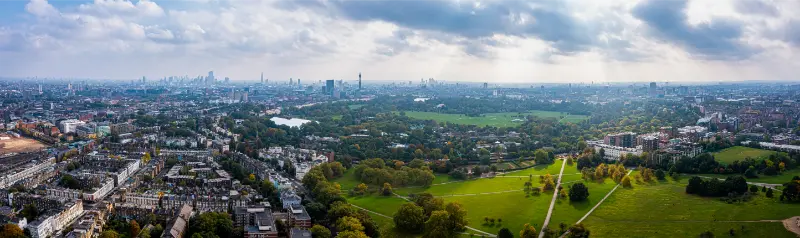
From Westminster, cross through St James’s Park or head across Westminster Bridge toward the South Bank. The park route gives younger children space to move; the river route gives stronger visual rewards and works well with older children. If the London Eye is a priority, book a sensible time rather than letting one queue dictate the whole morning. Otherwise, the South Bank itself provides river views, street activity and frequent places to stop.
Keep lunch uncomplicated. A family city break is rarely improved by spending an hour negotiating a restaurant queue while everyone is hungry. After lunch, choose one substantial activity: SEA LIFE, the London Eye, a river cruise or simply a longer South Bank walk toward Tate Modern. Do not try to stack them all.
Day 2: dinosaurs, science and a real play break
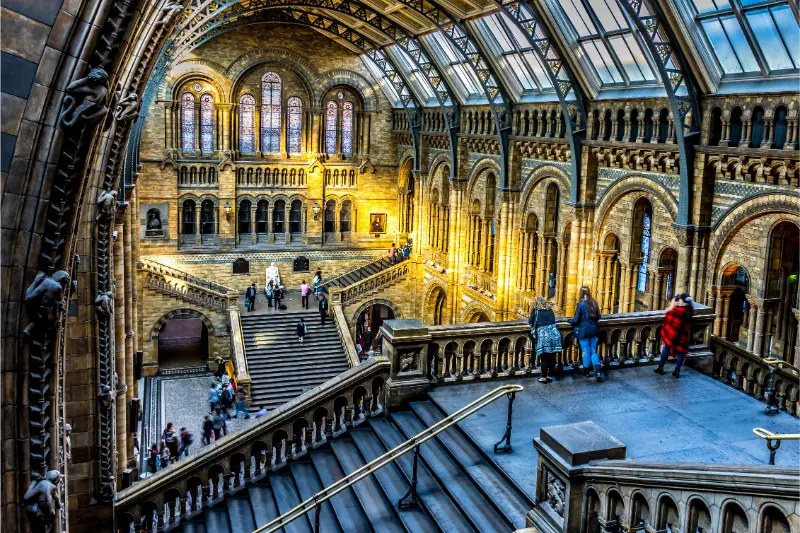
South Kensington is one of London’s easiest family clusters because several major museums sit close together. The mistake is assuming that proximity means you should visit all of them in one day. Pick either the Natural History Museum or the Science Museum as the anchor and give it proper attention. Both can fill several hours, and both become less enjoyable when children are marched through galleries simply because they are nearby.
After the museum, shift the rhythm. Walk or take a short ride toward Kensington Gardens. The renewed Diana, Princess of Wales Memorial Playground is a strong option for children up to 12, while older children may prefer a walk through the park, the Serpentine area or the route toward Hyde Park. Outdoor time is not wasted sightseeing time; it is what often makes a museum-heavy London day sustainable.
If the weather is poor, stay flexible. The V&A can work for older children with specific interests, while an earlier dinner and a shorter evening may be the smartest choice for younger families. London will still be there tomorrow.
Day 3: Greenwich by river if possible
Greenwich gives the third day a change of scale. Instead of another dense central-London loop, you get the river, open parkland and maritime attractions. A Thames boat journey can turn transport into an activity, although rail and DLR alternatives are useful when weather or timing makes the river less practical.
Choose one or two Greenwich anchors according to age. The Cutty Sark is tangible and easy to understand, the National Maritime Museum has strong family potential, and the Royal Observatory works particularly well for children interested in space, time or geography. The climb through Greenwich Park also delivers a memorable city view, but families with buggies or tired legs should choose gentler routes and allow more time.

End the day without forcing a final attraction. Greenwich Market, a riverside snack or simply time in the park can be enough. If your children are still energetic, the journey back to central London becomes the final experience rather than a commute to endure.
How to adapt the itinerary by age
- Toddlers and preschoolers: halve the number of formal sights, protect nap time and prioritise playgrounds and short journeys.
- Primary-school children: use museums, boats and interactive attractions as anchors, with outdoor breaks between them.
- Teenagers: give them choices. Swap playground time for markets, viewpoints, street food, shopping or a neighbourhood they helped select.
- Mixed-age siblings: alternate who gets the “headline” moment rather than trying to find one attraction everyone loves equally.
Age changes the pace more than it changes London itself. The same city can work beautifully for a four-year-old and a fourteen-year-old, but the day needs different ratios of structure, independence and rest.
Transport: minimise changes, not just minutes
For families, the theoretically fastest route is not always the best route. A direct Tube journey with an extra five-minute walk may be easier than two interchanges with long corridors. With a buggy, luggage or a child who dislikes escalators, step-free routes can be more valuable than shaving minutes from the journey.
Use contactless or Oyster rules appropriate to the age of each traveller and check Transport for London before departure for planned works. The practical goal is not to master the network in advance; it is to know the next journey, the station exit and your backup route if a line is disrupted.
Meals, snacks and the “hungry child tax”
Food costs rise quickly when every snack is bought beside a major attraction. Carry water and one emergency snack per child, then plan proper meals in areas with choice rather than at the exact exit of the busiest sight. South Kensington, Covent Garden, the South Bank and Greenwich all have many options, but queues vary sharply by time.
I also avoid booking an expensive sit-down dinner immediately after a long museum day unless the children genuinely enjoy that format. A relaxed pub meal, market stop or simple restaurant often fits family energy better and leaves room for an earlier night.
What to book in advance and what to leave flexible
Pre-book only the experiences where a timed slot protects the day: a major paid attraction, a high-demand family experience or a specific theatre performance. Leave parks, walks, markets and many free museums as flexible modules. That combination gives the trip structure without making every delay stressful.
If the forecast changes, move the flexible outdoor element rather than rebuilding all three days. London’s best family itineraries behave like building blocks: the anchor stays, the supporting pieces can move.
My practical family strategy
Plan around family energy, not a sightseeing scorecard. Keep one element optional, protect time for food and toilets, and stop before the day becomes a forced march.
Related family guides
- best museums for kids
- best playgrounds
- rainy-day family plan
What I would deliberately leave out
On a three-day family visit I would not treat every famous London landmark as mandatory. Tower of London, a West End show, Camden, Kew, the zoo and a day trip can all be excellent, but adding them indiscriminately destroys the geographic logic of this itinerary. Pick one substitution when it matches your children: replace Greenwich with the Tower for a history-focused family, replace a museum afternoon with the zoo for animal lovers, or use a theatre evening with older children who can handle a later night. The itinerary becomes stronger when it reflects the family rather than a generic checklist.
Arrival and departure days
Do not count a late arrival as a full sightseeing day. Travel disruption, hotel check-in and unfamiliar transport make arrival day ideal for a nearby park, neighbourhood walk or early meal. Likewise, departure day should stay close to the hotel or station unless your train or flight is genuinely late. Families often create unnecessary stress by trying to squeeze a final major attraction between breakfast and luggage collection. If you have extra time, use a museum or park that does not depend on a rigid paid booking.
A final family decision checklist for London in 3 Days with Kids
Before committing to London in 3 days with kids, check four things together: the age and interests of your children, the journey from your accommodation, the likely energy level at that point in the trip and the weather or opening conditions for the day. A plan that looks excellent in isolation can become poor value when it requires an awkward cross-city transfer after a busy morning. I would rather simplify the route and give children enough time to enjoy the main experience than add another famous stop simply because it is nearby on a map.
Also decide in advance what you will drop if london in 3 days with kids takes longer than expected. This single decision prevents the rest of the day from becoming a chain of delays. Keep food, toilets and a short rest close to the main route, save the official page and nearest useful station on your phone, and tell older children what the plan is so they can help with choices. The best family days in London usually feel flexible even when they were carefully prepared.